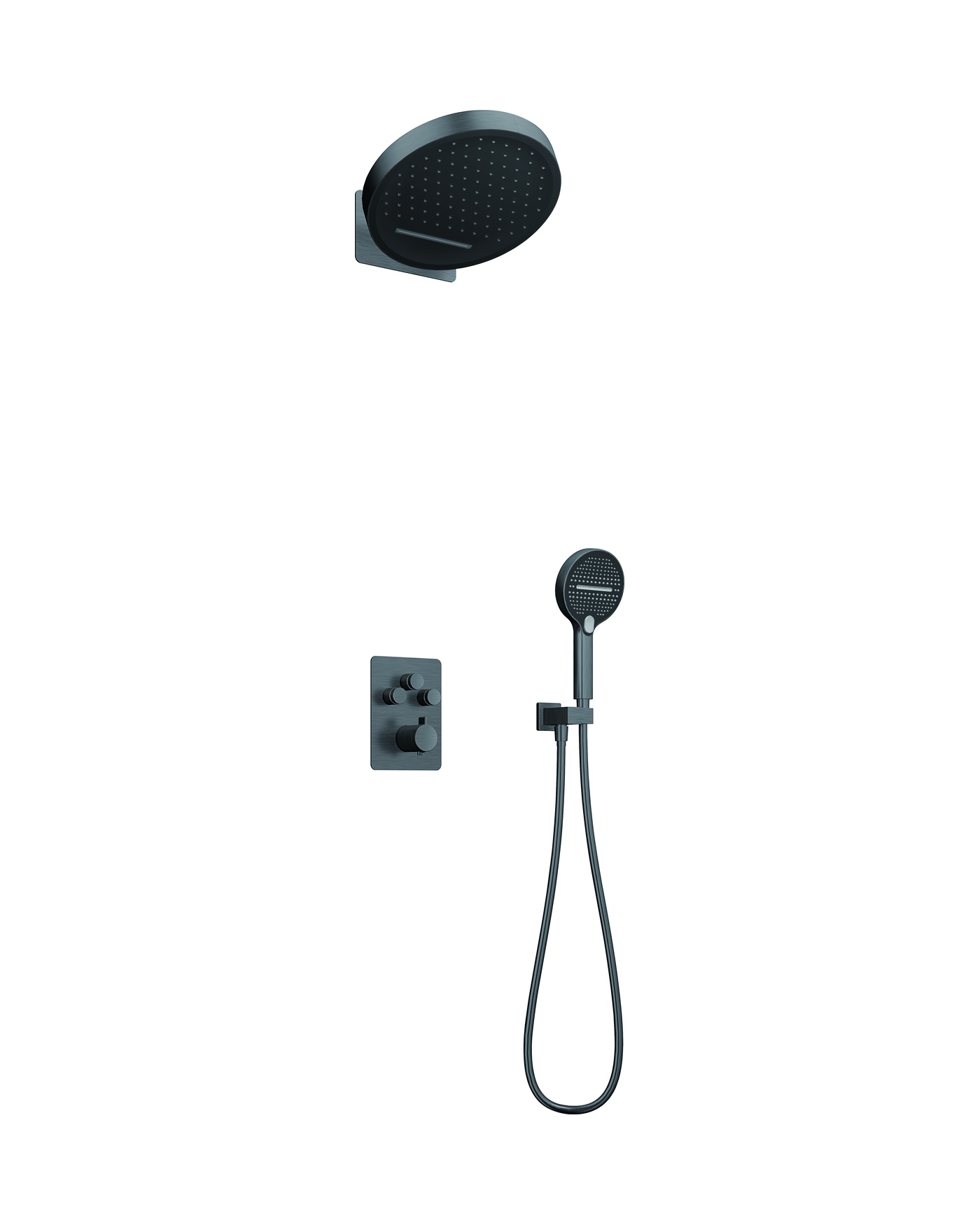
Concealed Systems
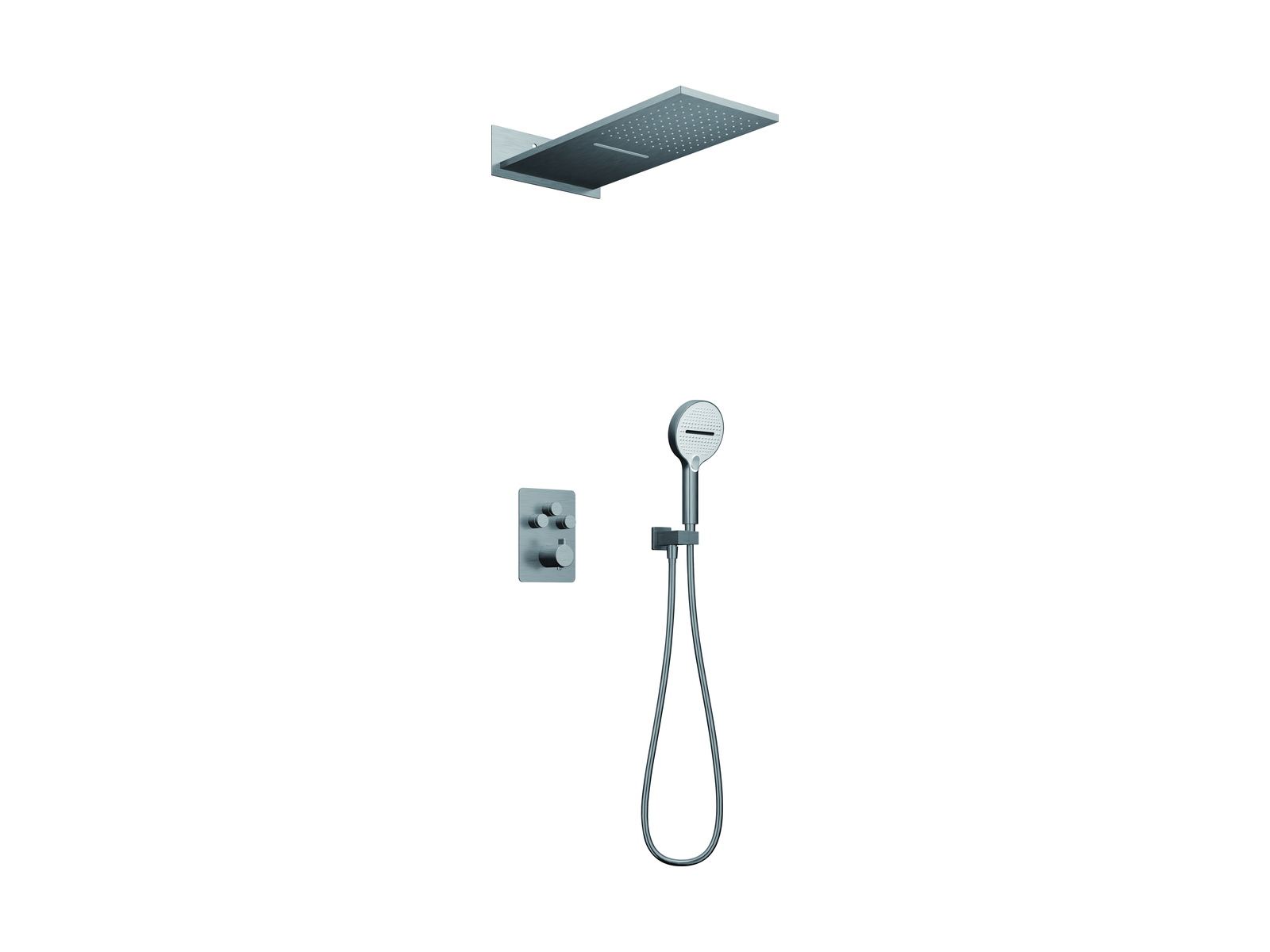
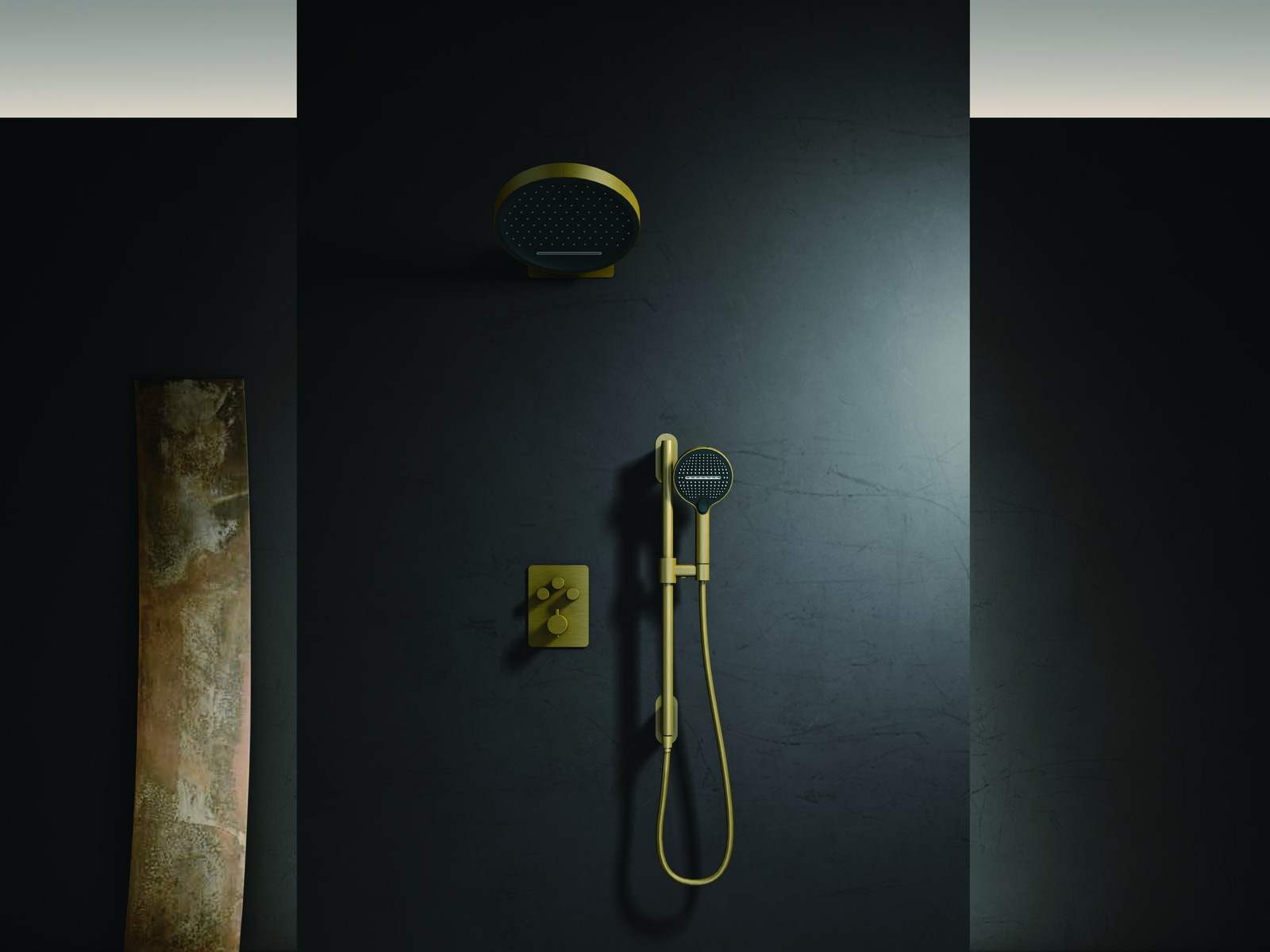
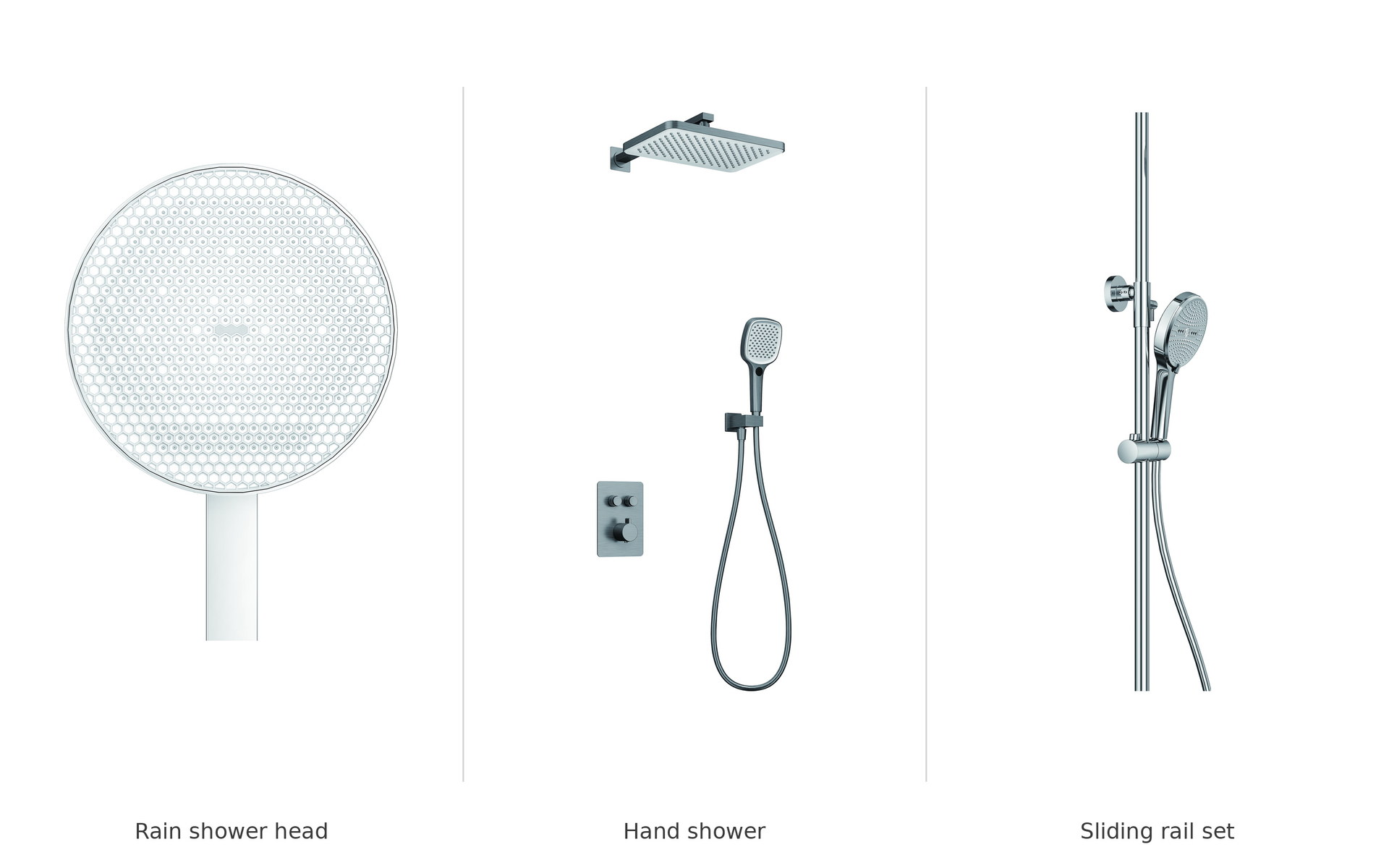
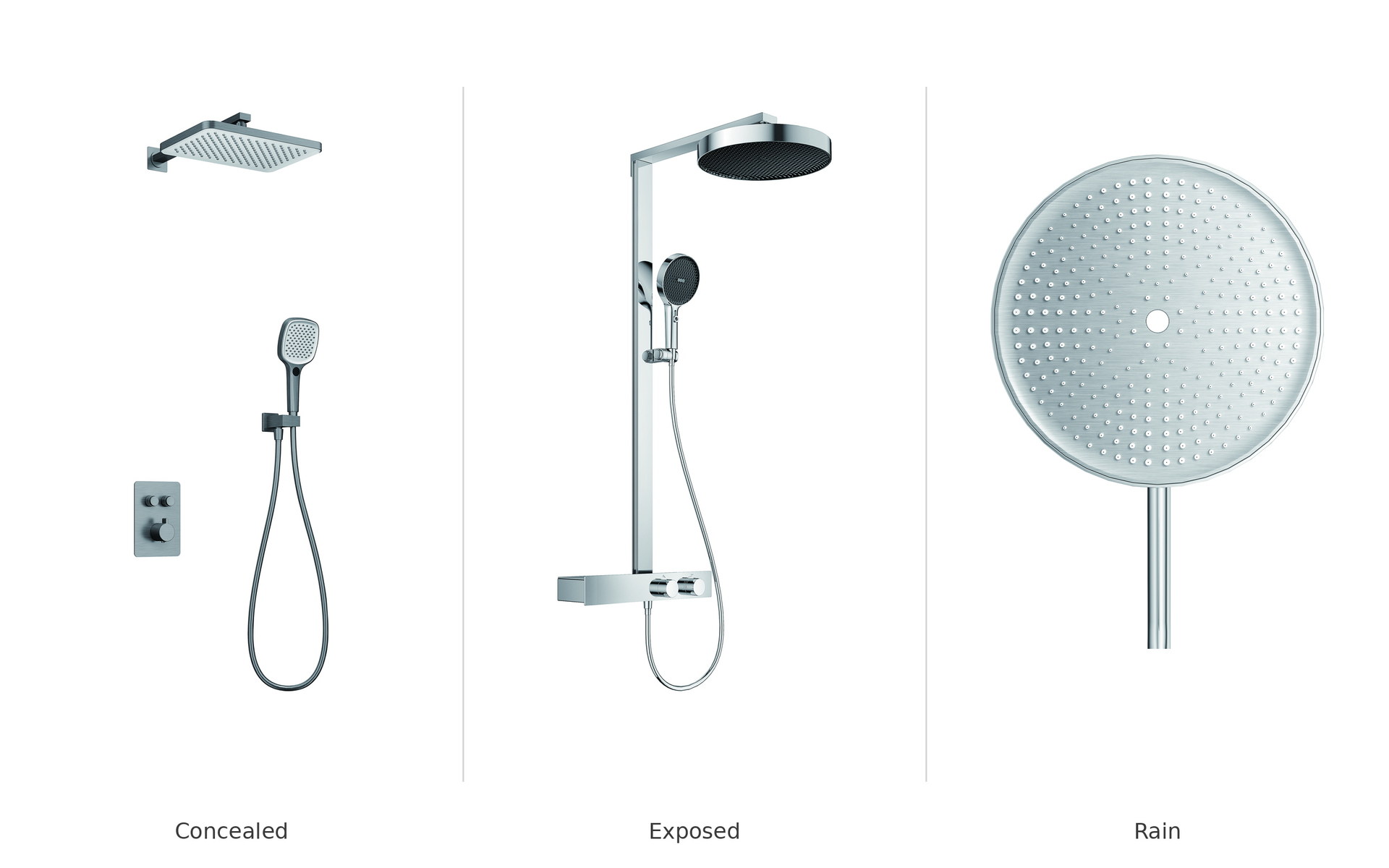
A concealed system is installed in two stages. The valve body and the pipework to each outlet are fixed in the wall at first fix, before the wall is closed and tiled, with the valve set at a depth that matches the planned tile and adhesive build-up. After tiling, the control plate, handles, outlets and heads are fitted at second fix. The result is a clean wall with a small plate, which is why designers favor it and why it suits hotels and new builds where the wall is open anyway. Its demands follow from that: the wall needs enough depth for the valve body; the valve's position and depth have to be coordinated with the tile layout before anyone tiles; and the valve has to be one that can be serviced through its plate, because the alternative is opening the wall. A concealed system is also harder to change later — moving a head means moving pipework inside a finished wall.
- First fix in the open wall, second fix after tiling
- Needs wall depth and depth coordination with the tile build-up
- Valve position set before tiling; hard to move later
- Specify a valve serviceable through the plate
Exposed Systems
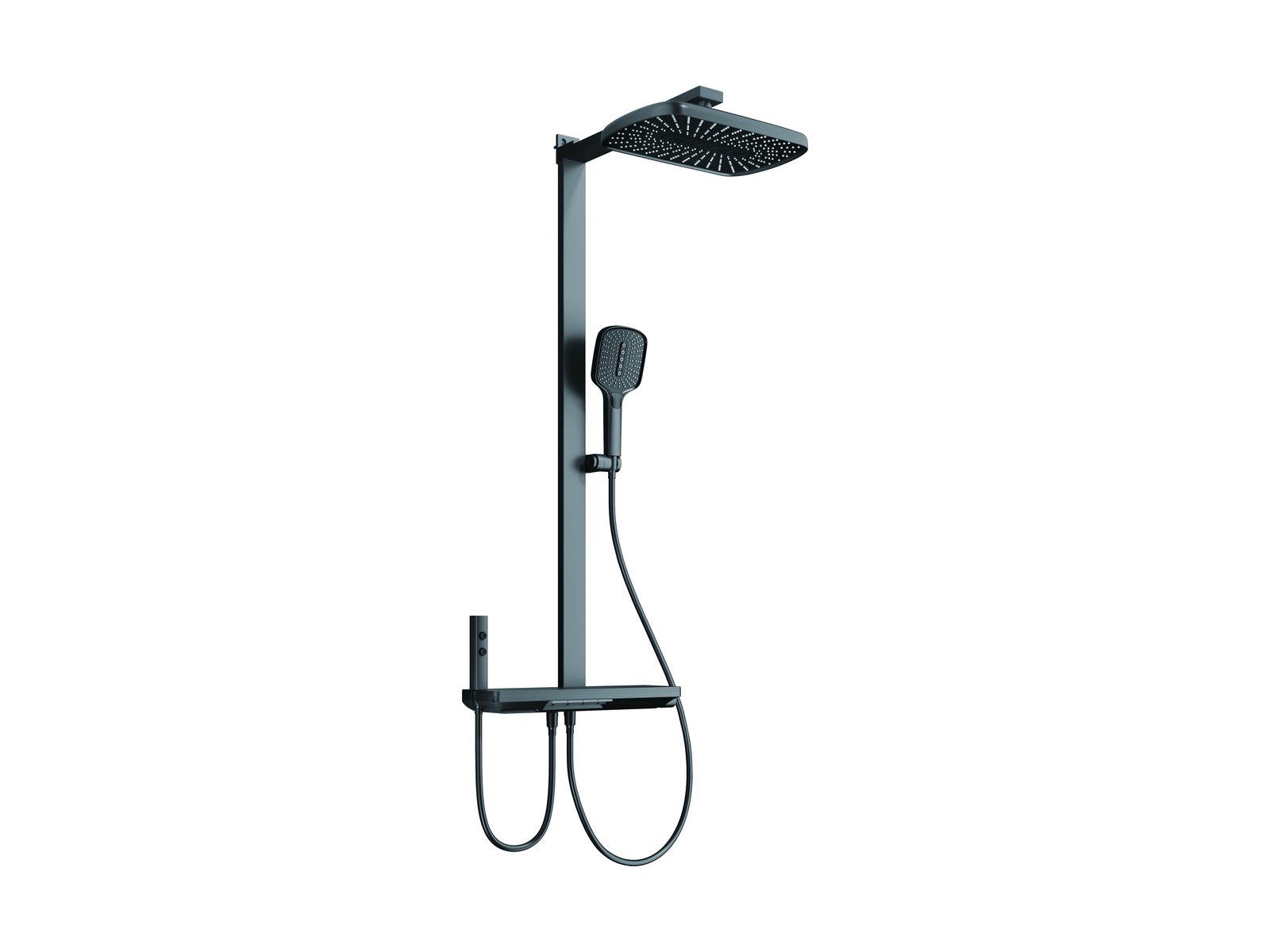
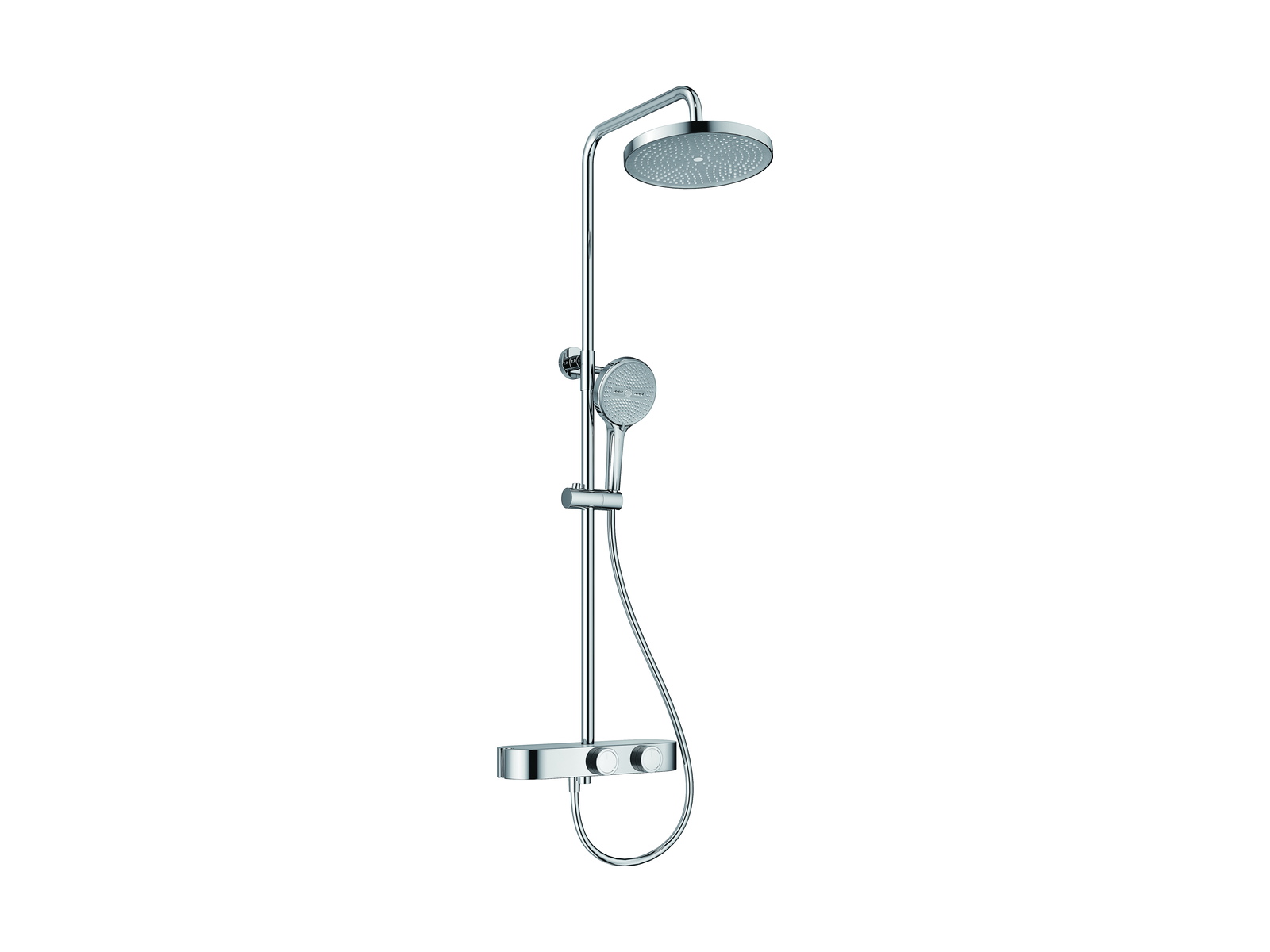
An exposed system mounts on a finished wall. Two supply connections come through the wall at a standard spacing, the valve or bar fixes to them, and the riser, overhead and hand shower attach to the bar. Everything is installed at once, after tiling, with no first-fix stage and no dependence on wall depth, which is why exposed systems are the usual choice for renovations where the wall is not being opened and for any project where the plumbing has to be finished quickly. Servicing is done in the open, and the whole system can be replaced without touching the wall. What it gives up is the clean surface: the pipework and valve body are part of the look, and the design has to accept that.
- Installed in one stage on a finished wall
- No wall depth requirement; only two supply points
- Serviced and replaced without opening the wall
- Pipework and valve are visible by design
Deciding for a Project
Start with the construction stage. If the wall is open and the tile layout is not yet fixed, concealed is available and its coordination can be planned; if the wall is finished, exposed is the practical answer unless the project is prepared to open it. Then the wall build-up: a concealed valve needs depth that a solid masonry wall with thin tile may not offer without a false wall. Then servicing: for a hotel, the question is what a maintenance engineer can do from the room side without closing the room for a day, and the valve specification — not the plate design — answers it. Cost follows: the concealed fitting may not cost more than the exposed one, but the first-fix labor, the coordination and the risk of a mis-set valve do. Whichever is chosen, the material and finish questions — brass or zinc alloy body, PVD or plated finish, thermostatic or pressure-balanced valve — are the same and are covered in the shower system guides on this site.
- Open wall and unfixed tile layout: concealed is available
- Finished wall or shallow build-up: exposed is practical
- Hotels: specify for servicing from the room side
- Cost is in first fix and coordination, not only the fitting