Valve Construction Comes Before the Trim

The concealed valve is the functional centre of the system. Its body material, port arrangement and cartridge family determine the water paths that can be controlled; a decorative handle tells a buyer almost none of that. A quote should identify the valve model, the number of outlets and whether the control package includes a separate diverter. That is more useful than comparing overall weight or calling every visible metal part “brass.”
For a project, ask for a cut sheet or exploded drawing that shows the concealed body and trim separately. It makes clear which components stay in the wall, which can be serviced from the front, and whether a different trim style still uses the same rough-in. That distinction prevents a late substitution from becoming an installation change.
- Name the valve model and outlet count, not only the exposed shower set
- Ask whether the trim shares a rough-in with other approved styles
- Use a drawing to separate functional components from decorative shells
Control Architecture and Outlet Count
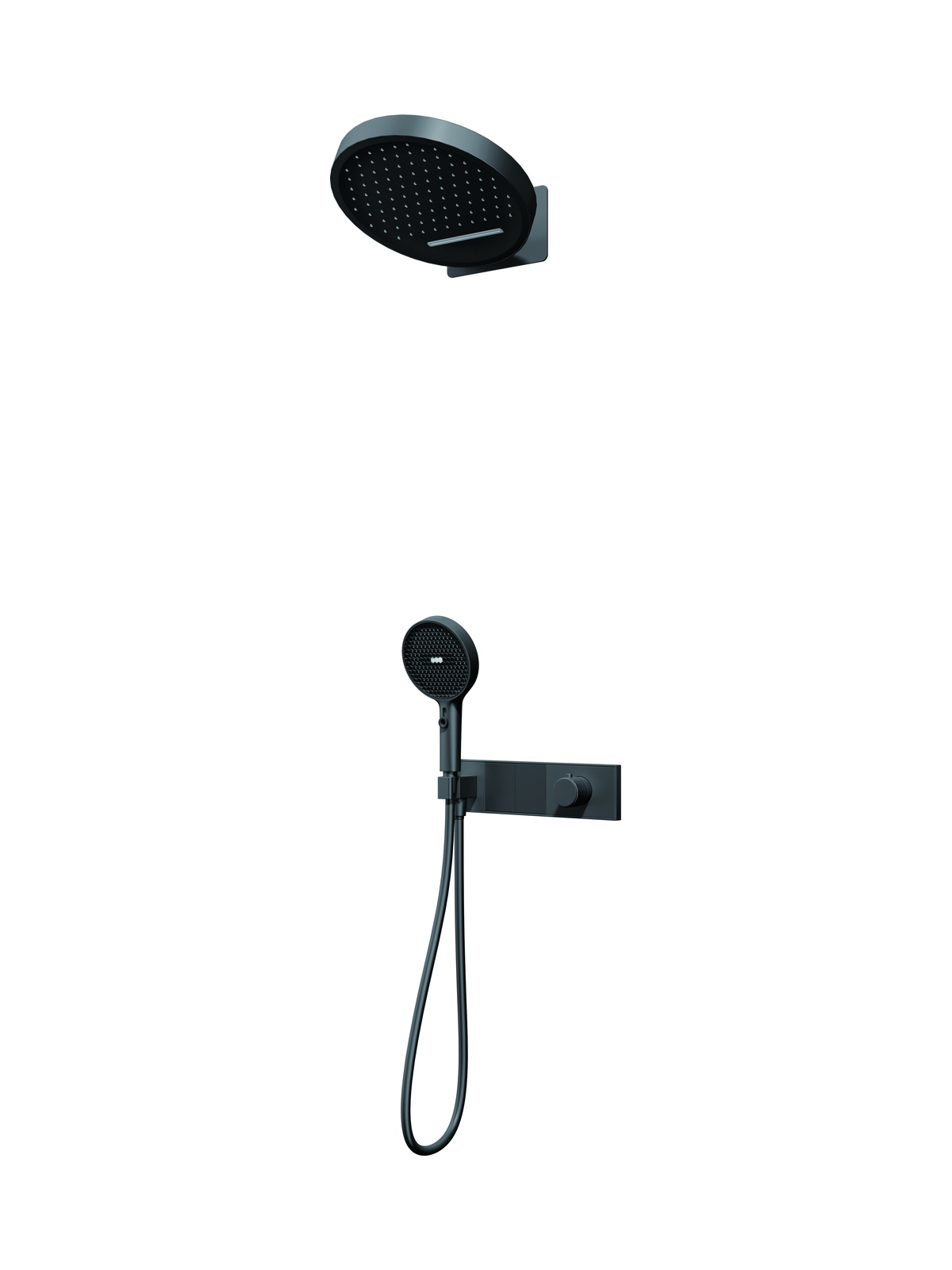
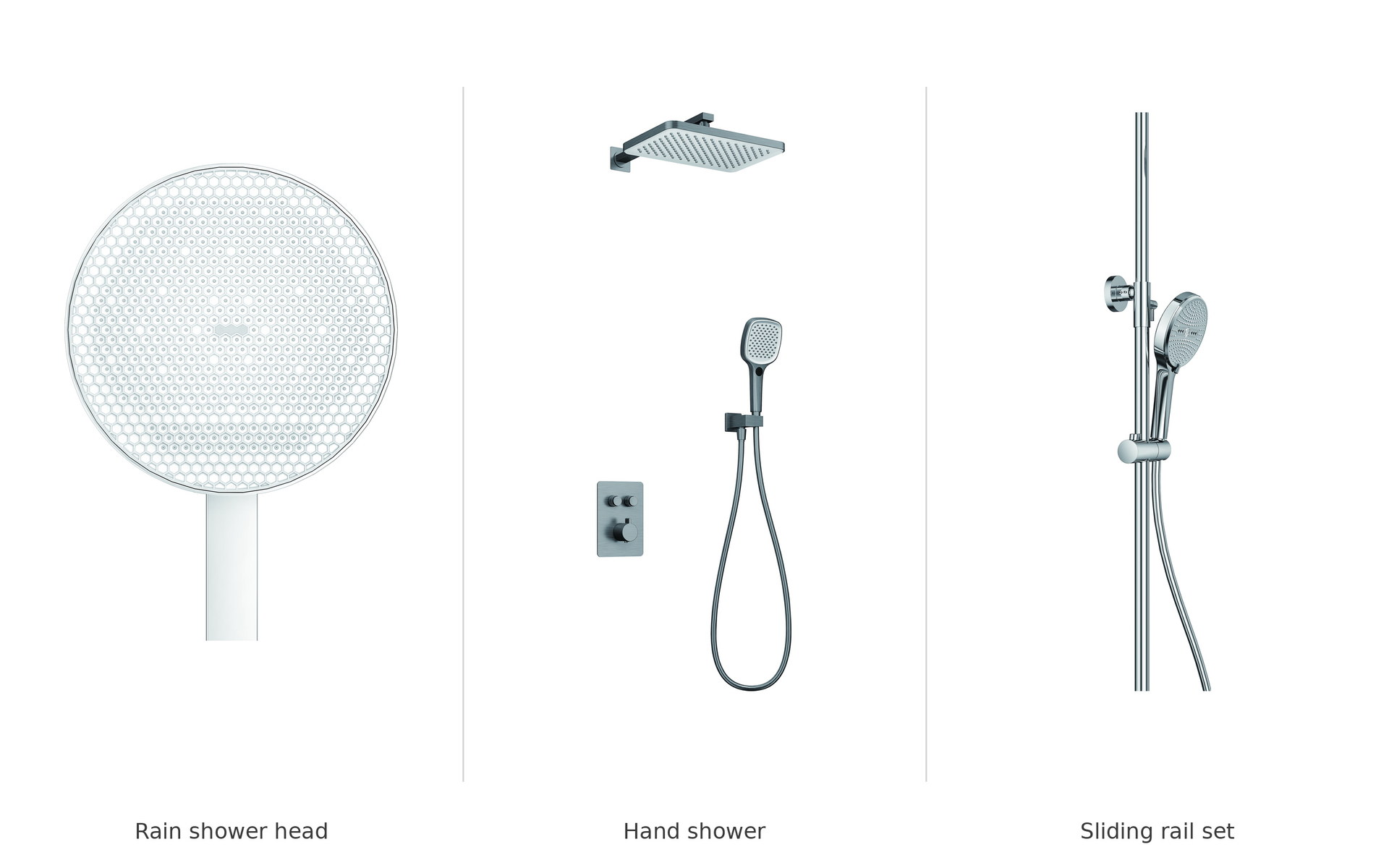
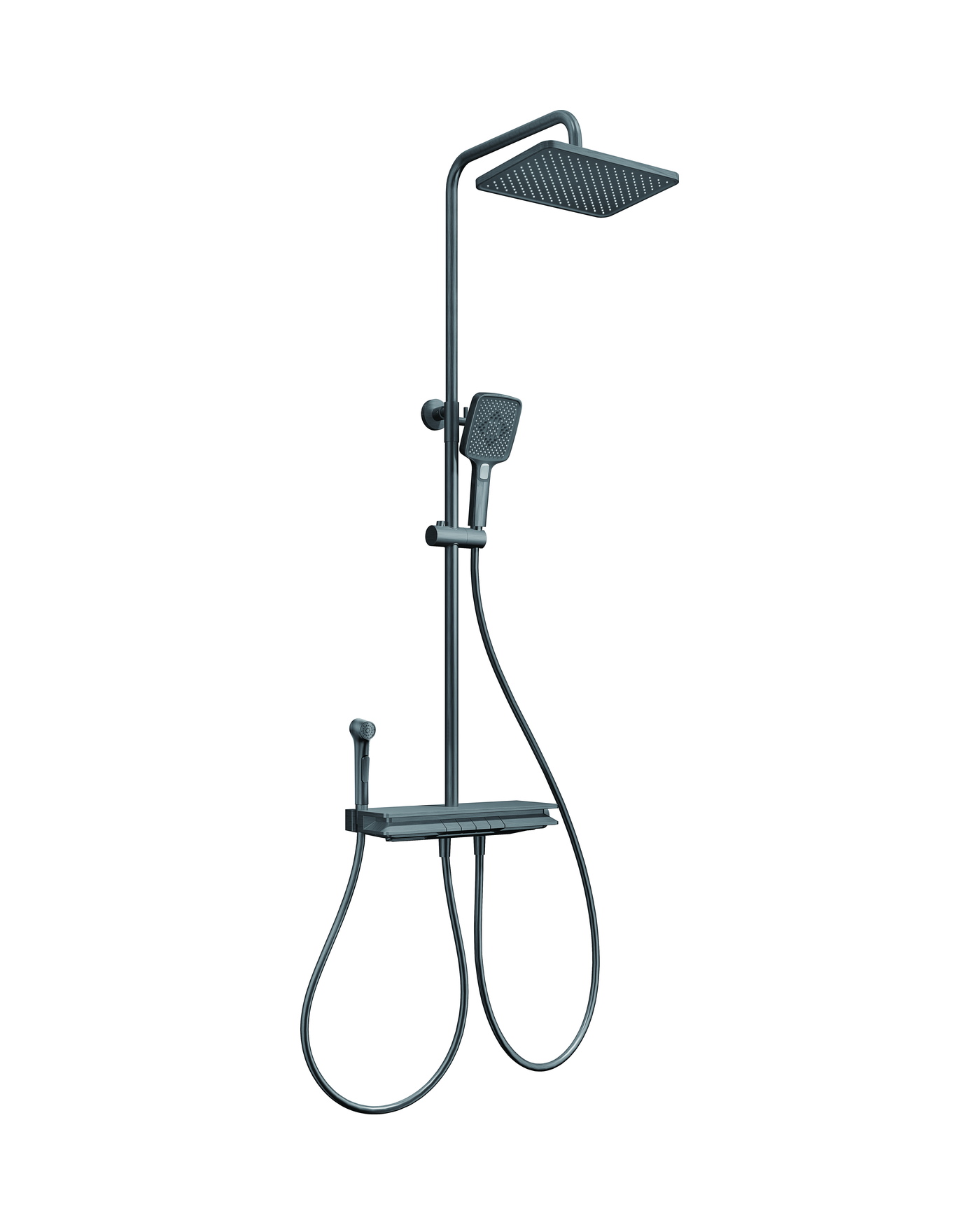
A fixed overhead shower, an overhead-plus-hand-shower set and a multi-outlet arrangement are different plumbing packages even when their trims use one finish family. More outlets can mean a diverter, extra connections, a larger valve body, different wall depth or a different installation sequence. Thermostatic and pressure-balancing controls also solve different project requirements, so the desired control type belongs in the RFQ before a supplier prices the assembly.
State which outlets must run independently or together, whether a hand shower needs a slide rail, and what pipework is already planned. These are not decorative options. They let the supplier match the valve and components to the project layout instead of filling the gaps with the nearest catalogue set.
- List every outlet and the intended operating combination
- Confirm the control type and required rough-in depth
- Coordinate the valve with the site plumbing layout before order release
Serviceability Is a Cost Decision
For a hospitality, rental or multi-unit project, the purchase price is only one part of the decision. The purchaser should know how the cartridge is accessed, whether the handle and trim can be removed without disturbing the wall finish, and how replacement parts are identified. A system with a clear model code, exploded drawing and defined spare-part plan is easier to hand over to the maintenance team than one described only by a finish name.
Ask the supplier to confirm what can be supplied as service parts, how the cartridge is referenced, and whether the trim is compatible with the same concealed body over time. Availability should be confirmed for the actual model at the time of order; it should not be assumed from a general catalogue image or brand-level statement.
- Request an exploded drawing and model-specific part references
- Confirm front-access service steps with the installation team
- Document the selected cartridge and trim combination for handover
Finish, Listing and Project Handoff
Finish remains important, but it is best controlled by a named coating specification and an approved physical sample rather than a screen colour. The RFQ should also identify the destination market and any required listing or performance standard for the exact valve and shower assembly. Requirements vary by product and jurisdiction, so WNS Global does not treat a general factory statement as confirmation for a project.
Before production release, collect the approved drawing, finish sample, valve model, outlet schedule, installation notes and any model-specific compliance evidence required for the destination. That packet gives the buyer, supplier and installer the same reference point and is a stronger basis for comparison than a per-set price alone.