Define the Use
State the sales channel, project type, or intended installation so unsuitable options can be removed early.

BATHROOM PRODUCTS
WNS Global is a factory-backed bathroom supplier and export team in Foshan, China. We support dealers, importers, contractors, developers, designers, and project buyers through one export-facing contact.
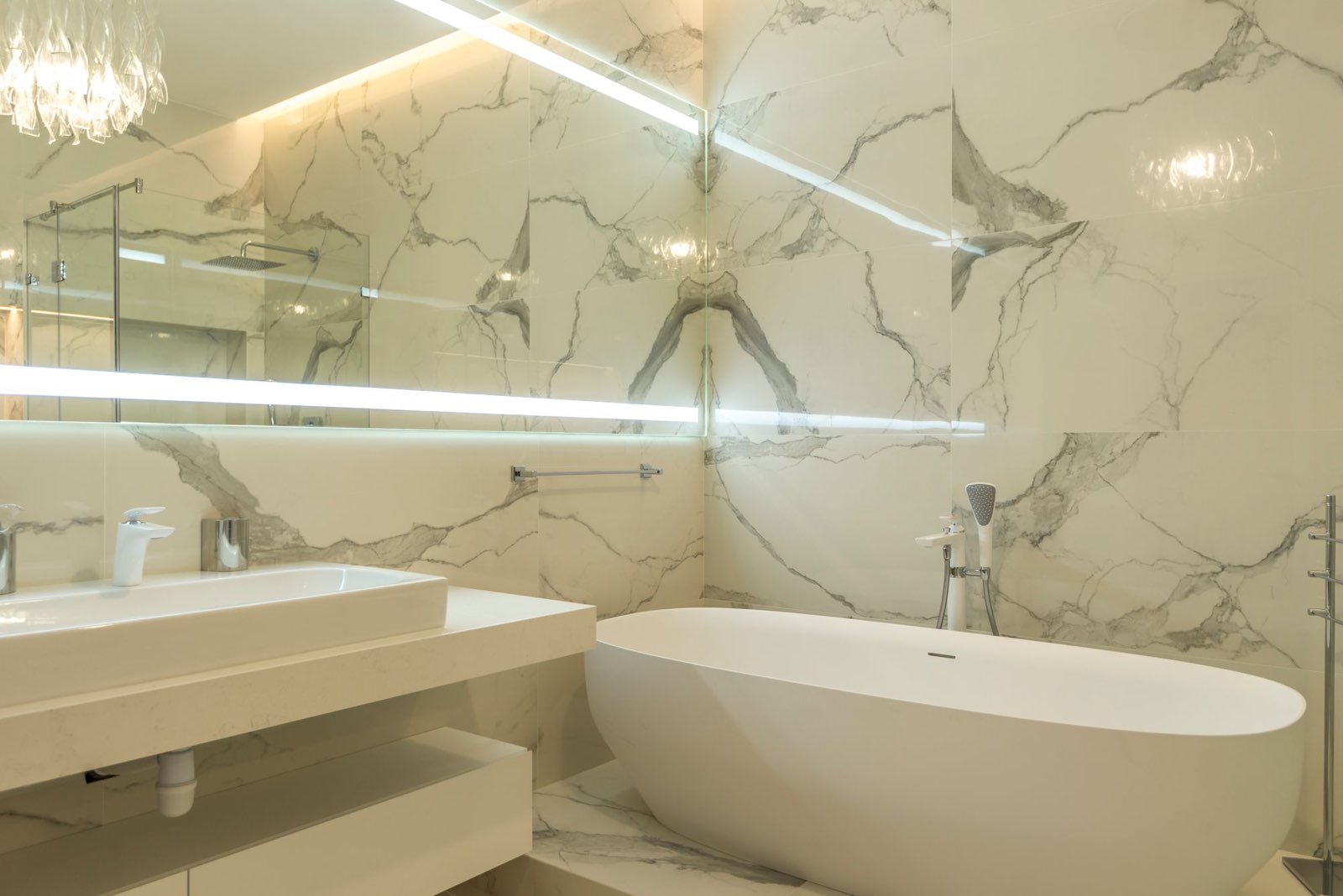
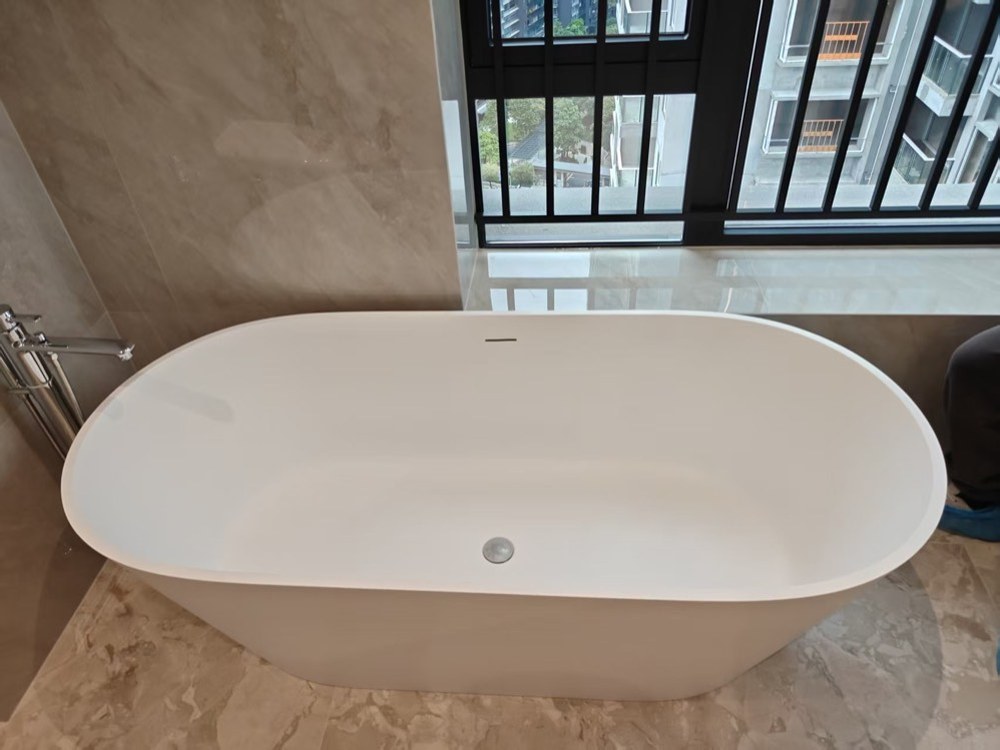
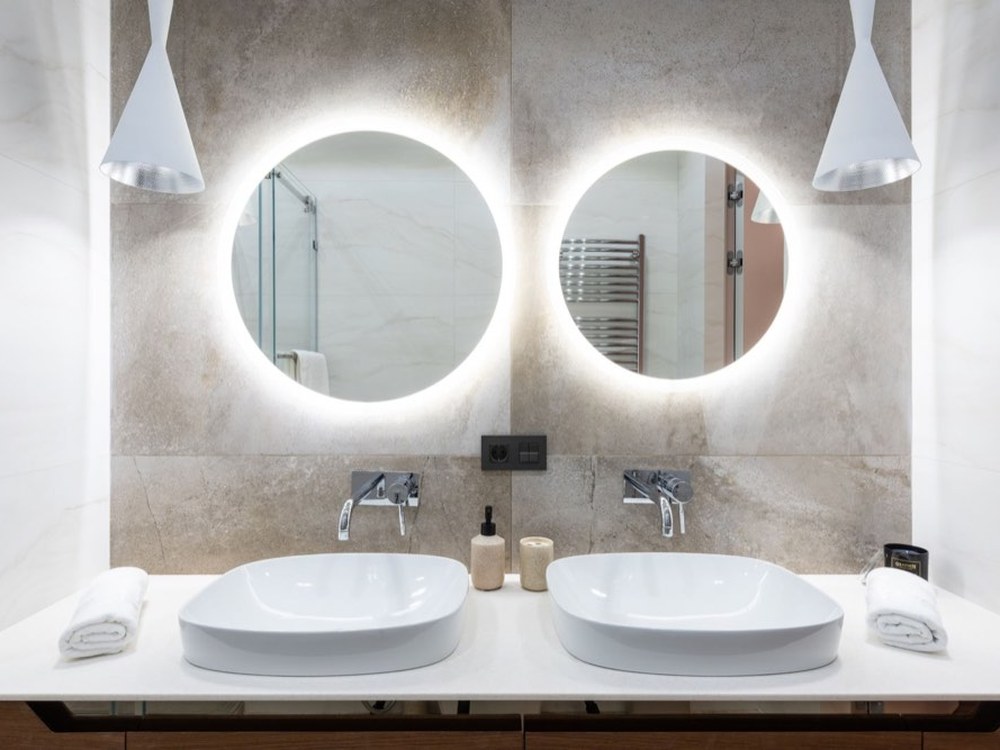
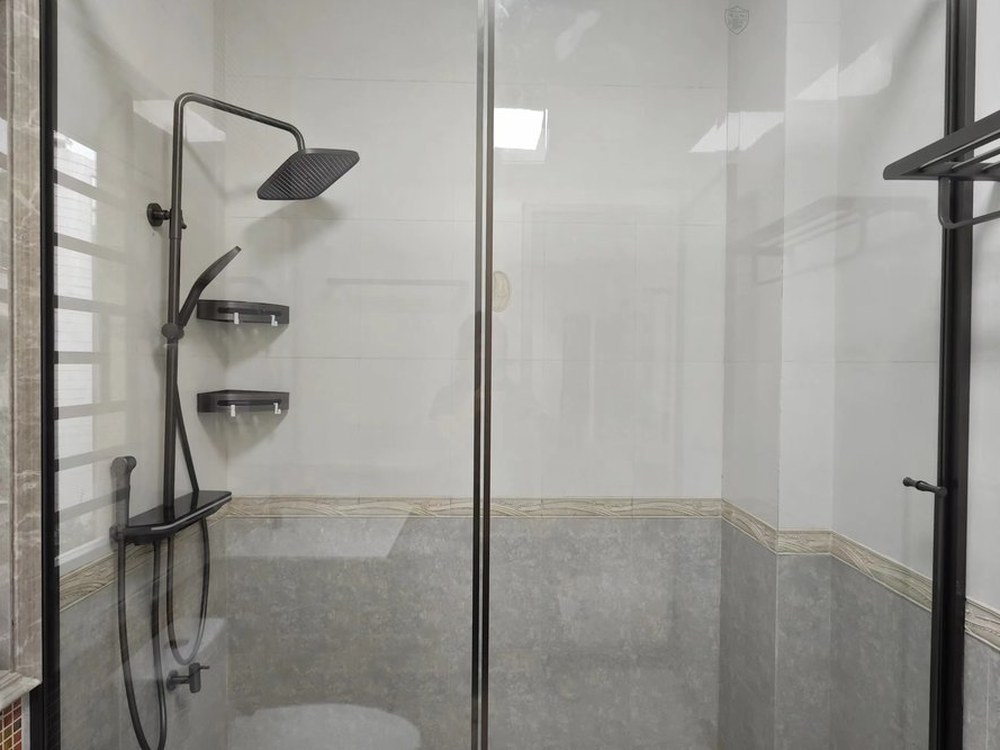
Our range is organized into eight buyer-facing categories: bathroom vanities, shower enclosures, solid surface bathtubs, solid surface basins, faucets and shower systems, bathroom niches, floor drains, and toilets.
Use this page to choose a category or product type. Size, shape, finish, basin count and configuration are handled as specifications, while current availability and commercial terms are confirmed for each requirement.
PRODUCT RANGE
Eight clear product categories match buyer search intent and the available WNS source material. Product types sit below them; internal model codes do not define the public website.
Each category can include standard ranges and project-based requirements. The final supply scope depends on dimensions, materials, configuration, finish, packing method and order quantity.
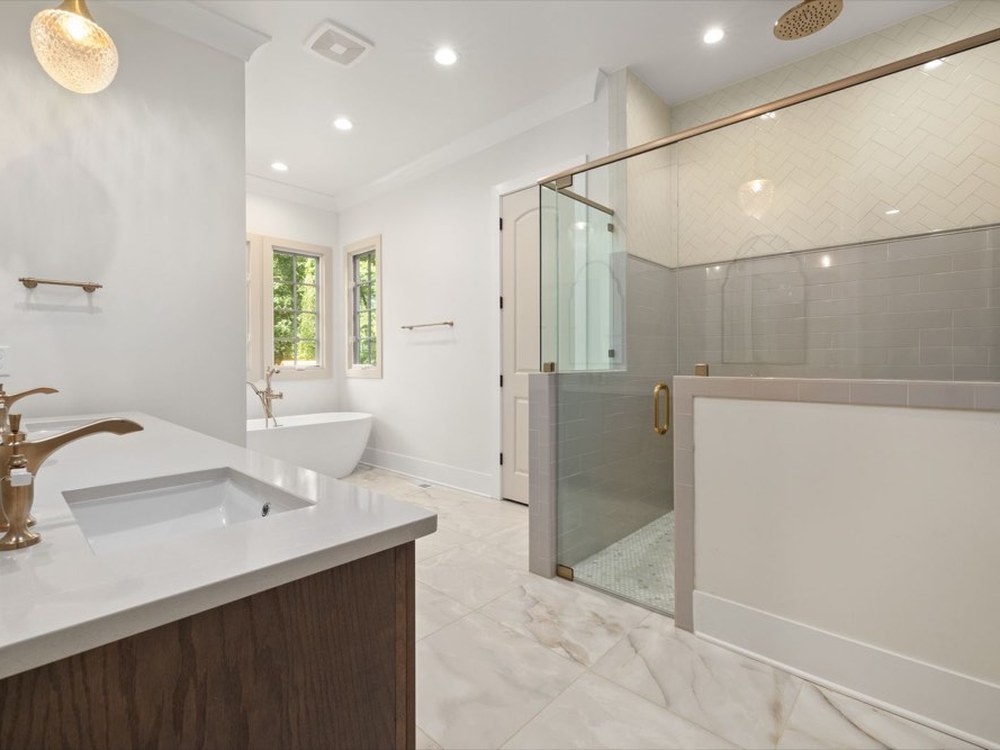
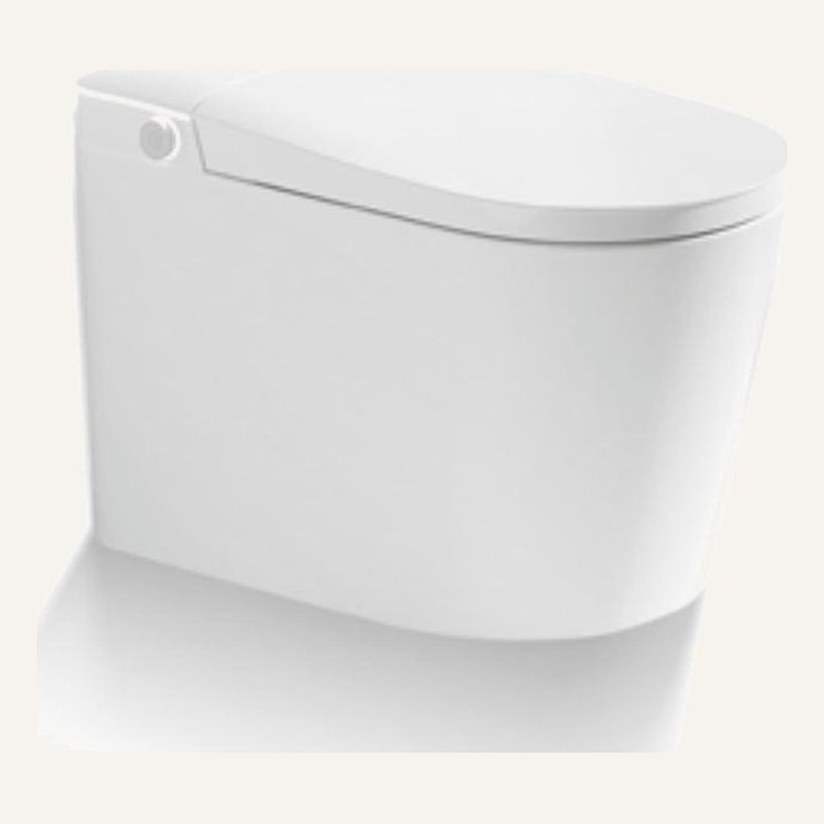
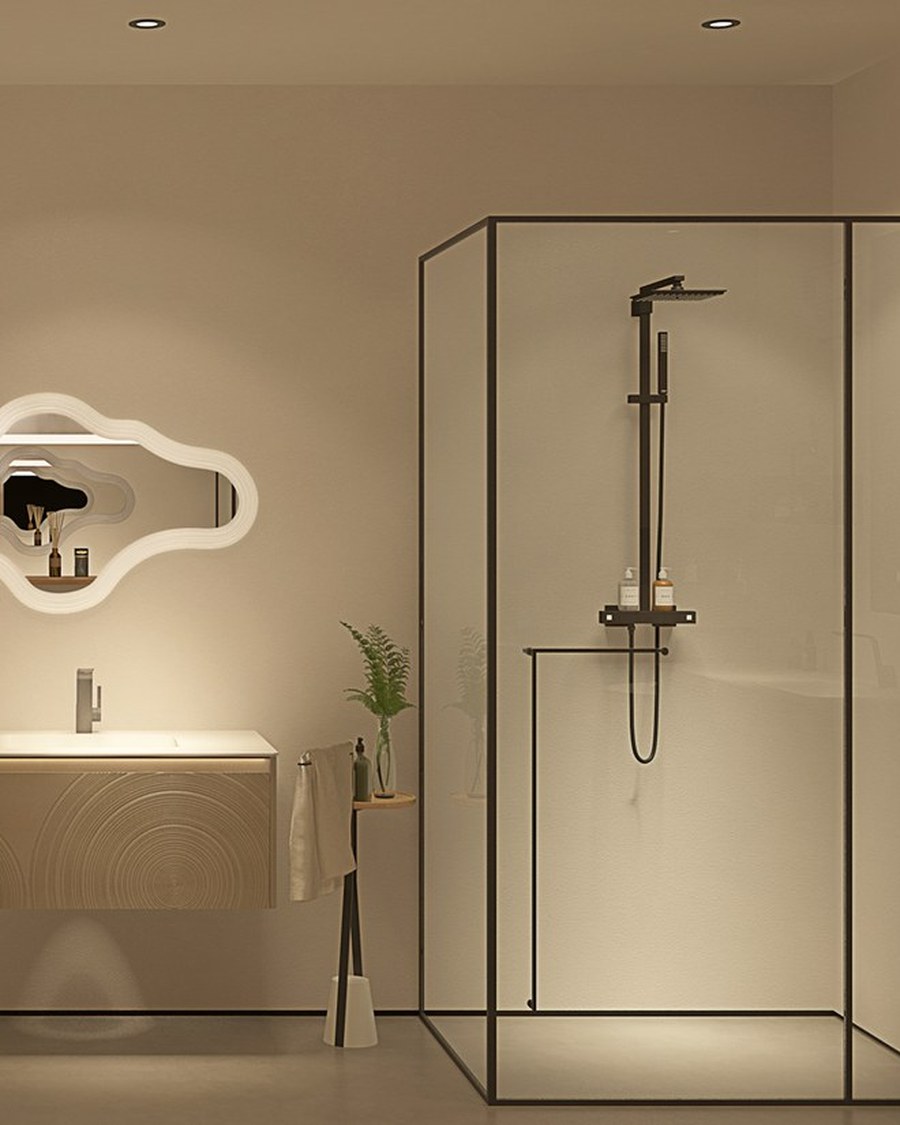
Representative images identify the product category. Drawings, samples and written specifications are used when details affect quotation or production.
SOLID SURFACE BATHWARE

SOLID SURFACE BATHWARE
BATHROOM VANITIES
SHOWER ENCLOSURES
COORDINATED BATHROOM PRODUCTS

COORDINATED BATHROOM PRODUCTS

COORDINATED BATHROOM PRODUCTS
COORDINATED BATHROOM PRODUCTS
CHOOSING PRODUCTS
Start with the buyer’s actual use case instead of a broad catalog request. A dealer, hotel project, residential developer, and online retailer may need different specifications from the same product category.
Useful starting information includes a reference image or model, dimensions, material, finish, expected quantity, destination market, and required customization. Unknown details can remain open, but they should be identified.
For a multi-category requirement, separate the information by product family. This keeps the quotation basis clear and prevents one category’s assumptions from being applied to another product with different construction or packing needs.
If the request is still early, begin with the most important decision: product type, target appearance, required size, or intended market. WNS Global can then identify which details should be confirmed next.
State the sales channel, project type, or intended installation so unsuitable options can be removed early.
Compare dimensions, materials, finishes, components, and customization against the selected reference.
Check what the quotation includes, what remains optional, and which claims still need verification.
FROM REQUEST TO ORDER
WNS Global keeps the sourcing conversation organized through defined checkpoints. The exact process depends on the category, customization, selected production resource, and destination requirements.
The process begins with available information, not a promise that every detail is already fixed. Questions about materials, components, drawings, samples, documents, production timing, or packing are recorded and confirmed at the relevant stage.
When several categories are involved, the checkpoints may progress at different speeds. One product can be ready for quotation while another still needs dimensions, finish approval, technical review, or destination-specific verification.
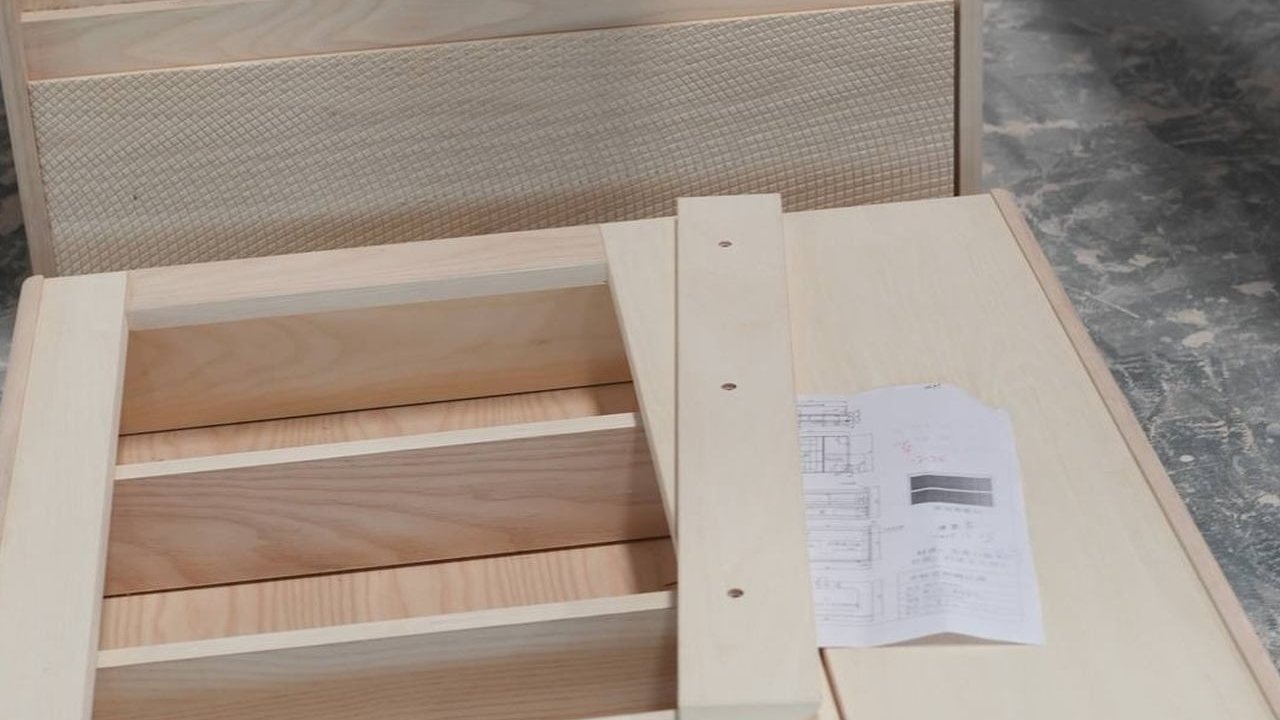
Organize the product reference, specification, finish, quantity, customization, and destination information currently available.
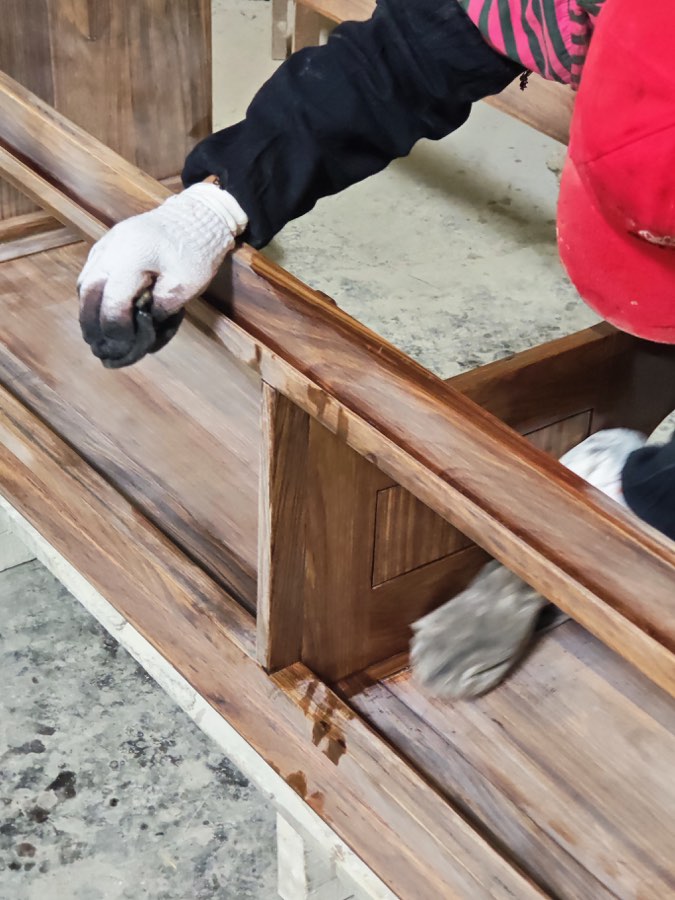
Clarify quotation inputs, drawings, samples, finishes, components, and the next approval needed before production.
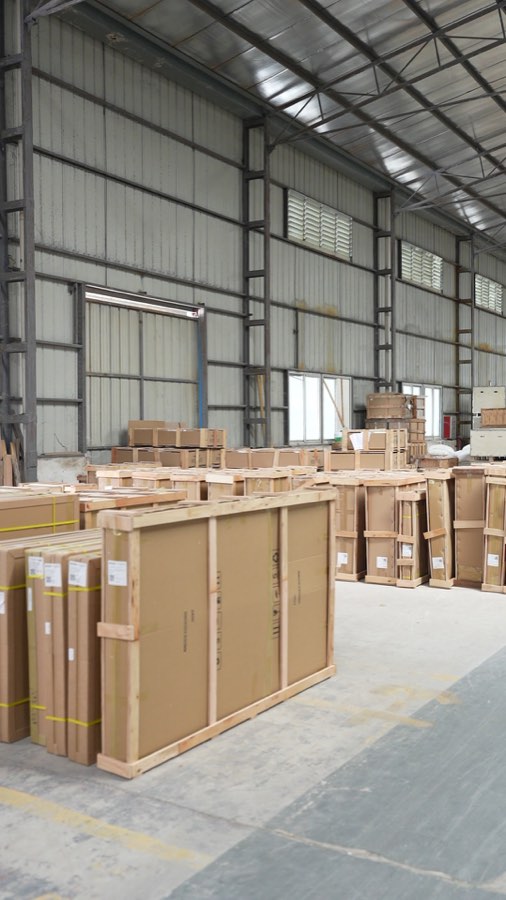
Follow agreed production evidence, packing information, shipment preparation, and open questions through one export contact.
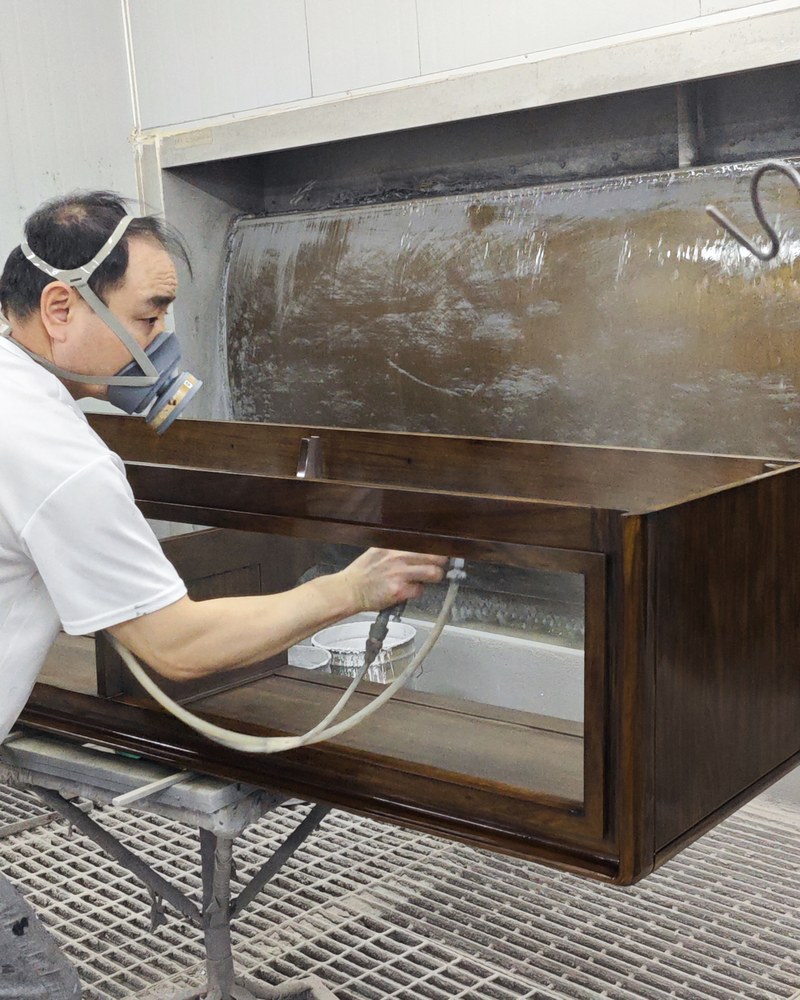
COMMON QUESTIONS
These answers explain the normal starting point for a WNS Global product inquiry. Product-level facts, technical feasibility, documents, lead time, and commercial terms must be checked for the selected requirement.
Yes. WNS Global can coordinate several categories through one contact, while each product’s specification, factory, and commercial terms are confirmed separately.
Custom requirements can be reviewed from drawings, dimensions, materials, finishes, quantities, and destination details. Feasibility remains subject to technical confirmation.
Send a product reference, dimensions, material or finish, estimated quantity, destination market, and any customization or packing requirement already known.
Yes for our main lines. Our own 30,000 m² factory in Foshan makes the bathroom furniture, shower enclosures and solid surface bathware. Coordinated categories such as faucets, toilets, drains and niches are coordinated through established local production resources and run through the same order controls and the same export contact.
Tell us the destination and required document or standard. Availability and applicability must be verified for the selected product before commitment.
PROJECT INQUIRY
Tell us which product family you need and share the information already available. A reference image, dimensions, finish, quantity, destination, or customization note helps us prepare focused follow-up questions.
WNS Global will identify what can be reviewed now and what still needs product-level confirmation.
If you are comparing several products, describe the priority category first and list the remaining categories separately. This helps us keep each product’s specification and quotation basis clear.

By market
What we make, what is partner-supplied, and what we do not hold.
WaterMark scope, ACL exposure and timber duty, answered directly.
Six stages, six common failures, all decided before production.
Prepare a specific inquiry
Build a local, reviewable request. These tools do not select approved products, calculate prices or submit your information.
Count back from a target date through stages whose durations you enter, in calendar days. No factory lead time, transit time or holiday is assumed.
Put the basin, faucet, mounting and test status into one pairing request. Anything not measured or not tested together stays marked as open.
For one room type, mark each bathroom item as a request for WNS coordination, supplied by others or not included, and list the interfaces nobody owns yet.
Reconcile expected, received and inspected quantities, with observed damage kept apart. Flags shortage, excess and unchecked items without deciding liability.
Convert decimal or fractional inches and millimeters, then show the signed change from rounding to a selected inch fraction. Nominal pipe sizes are excluded.
Check measured values against the lower and upper limits on your approved drawing. Values on a limit count as within; the result is not an inspection approval.
Work out the hardware one kit configuration needs, add only the spares you enter and compare with what has been prepared. No spare percentage is assumed.
Allocate different required lengths across identical stock bars with your trims and kerf. Review each bar’s part sequence and remainder; the heuristic is not guaranteed optimal.
Compare expected and observed carton ID lists to find missing, extra and duplicate labels. Carton IDs identify individual cartons, not product models.
Work out carton volume in m³ and gross weight in kg from outside packed dimensions and carton counts. Incomplete lines stay out of the totals.
Check that phase or building allocations add up to each approved order line, with revisions and units kept apart and conflicting totals flagged.
Check whether rectangular obstacles intersect an ideal zero-thickness door sweep through 90 degrees. Handles, hinges, height and installation clearance are excluded.
Calculate rectangular cutout edge margins, overlap, boundary contact and separation within a rectangular top. No material strength or minimum bridge is assumed.
Estimate identical rectangular parts per sheet using your trim margins and saw kerf, with grain-locked or uniformly rotated layouts. This is not optimized nesting.
Multiply fixtures per room by room count, add only the spares you enter, and group by fixture, specification revision and unit. No default wastage.
Record what a labeled sample was checked for, criterion by criterion, what is on hold and where the evidence is kept. One visual approval is not full approval.
Build a shower-enclosure request that keeps layout, door movement, measurement status and obstructions together, without implying the glass is sized or approved.
Track one exact spare part through receipts and issues in the order they happened, flag any negative balance on the way and compare with a physical count.
Compare previously approved and proposed values field by field, flag missing baselines and name who reviews each change. Nothing is approved automatically.
Line up received offers by specification, quantity, unit, currency, trade term and inclusions, and see where their bases differ. No supplier ranking.
Convert a collected water volume and elapsed time into liters per minute. Keep outlet conditions separate and combine repeated readings by total volume and time.
Compare two hole-center patterns after a stated rotation and offset. Find a one-to-one correspondence within your radial tolerance, not a mechanical-fit approval.
Turn one vanity room type into a component-by-component request: cabinet, top, basin, mirror and drawings, with anything still undecided clearly marked.