
Standards explained

FSC Certification Explained for Bathroom Furniture Buyers

FSC comes up in almost every conversation about wooden bathroom furniture, and it is one of the most frequently misread labels in sourcing. It is not a legality declaration, not a quality mark, and not something a factory "has" in general. It is a chain-of-custody system with specific claims, specific labels and a public register. This guide explains what it actually verifies, what the three labels mean, and how to check a claim.

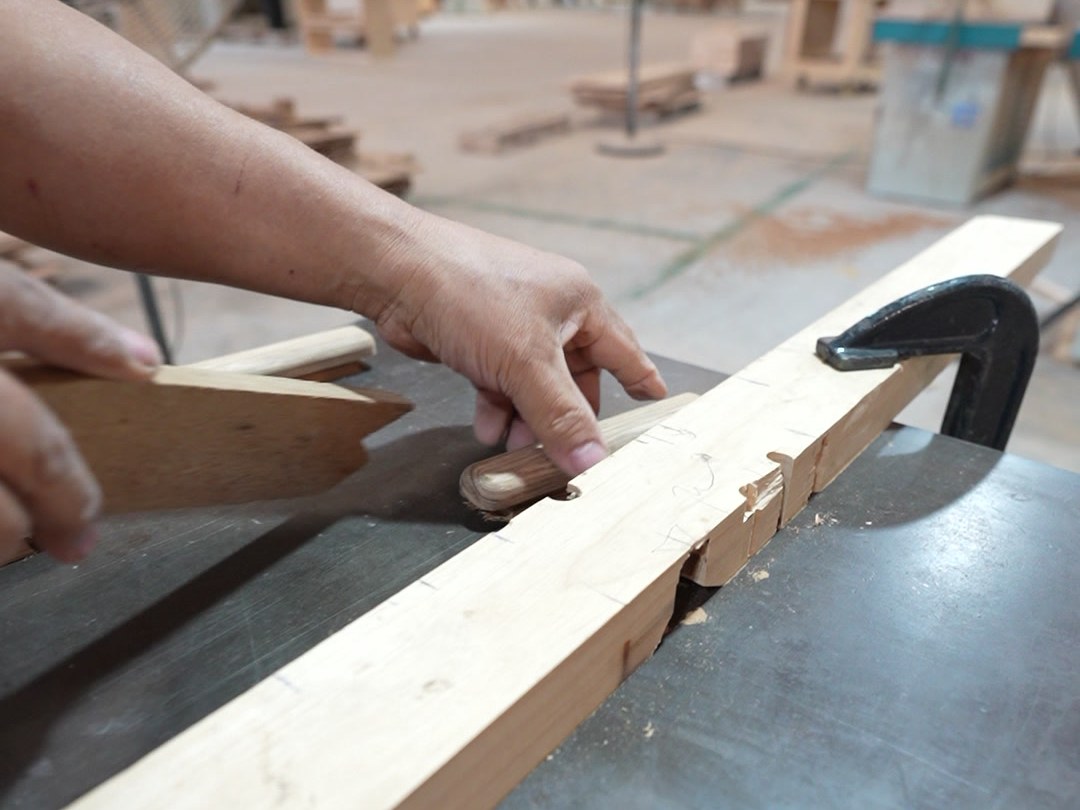
A worker guiding a long timber rail across a machine bed

The short answer

Quick Reference

Point 01
FSC (Forest Stewardship Council) certifies two things separately: forests, under forest management certification, and the companies that handle certified material, under chain of custody certification.
Point 02
An FSC claim on a finished vanity only holds if every company that owned or processed the material along the way was chain-of-custody certified — a certified forest alone is not enough.
Point 03
The three on-product labels mean different things: FSC 100% (all virgin material from FSC-certified forests), FSC Mix (FSC virgin and/or recycled material combined with controlled virgin material), and FSC Recycled (100% recycled material).
Point 04
Claims can be checked in FSC's public certificate search; a supplier's certificate has a code, a scope and a validity date.
Point 05
FSC is not the same as timber legality due diligence, and it says nothing about construction quality. WNS Global does not currently hold FSC chain-of-custody certification, and says so directly.
A worker handling a large sheet panel at a cutting machine

Start here

Two Certifications, One Label

The Forest Stewardship Council runs two distinct certification schemes. Forest management certification applies to a forest or plantation and confirms it is managed to FSC's standards. Chain of custody certification applies to every business that takes ownership of or processes that material afterwards — the sawmill, the panel manufacturer, the furniture factory, the distributor — and is what allows the FSC claim to travel with the product. The label a buyer sees on a finished vanity is the end of that chain, and it is only valid if the chain was unbroken.

  • Forest management certification: the forest itself
  • Chain of custody certification: every company handling the material afterward
  • The on-product label depends on both, all the way through

What the Three Labels Mean
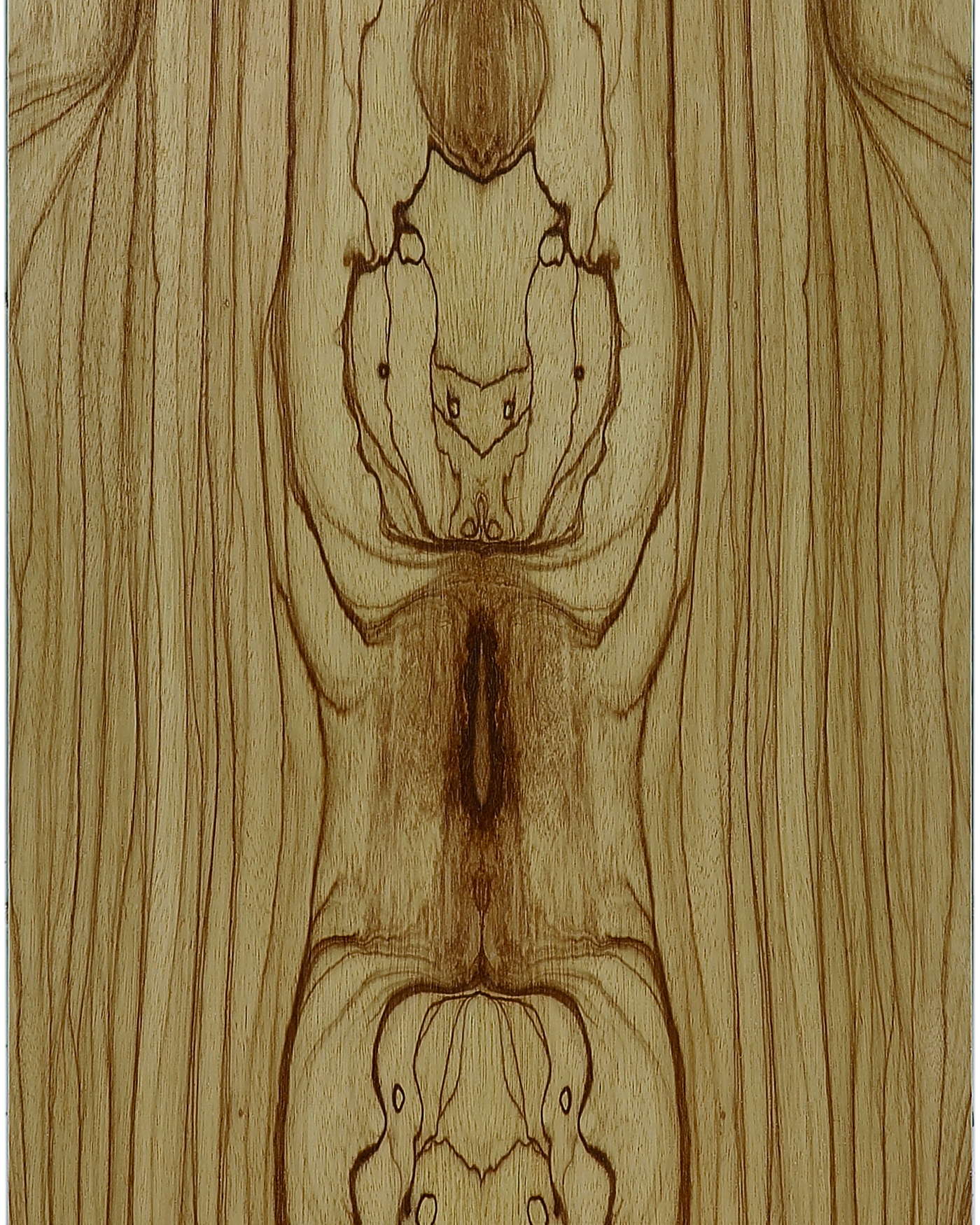
A wood grain sample showing the timber finish

FSC publishes three on-product labels, and they are not interchangeable. FSC 100% identifies products made entirely of virgin material from FSC-certified forests. FSC Mix identifies products made with a combination of FSC virgin material and/or recycled material together with controlled virgin material — "controlled" meaning virgin material verified as low-risk for illegal logging and other unacceptable practices, without being fully certified. FSC Recycled identifies products made with 100% recycled material, and carries the recycled-content symbol.

For a solid wood vanity, the label that matters most is usually FSC 100% or FSC Mix, and the distinction is material: a Mix claim is legitimate and widely used, but it is not the same claim as 100%, and a specification that asks for one should not be satisfied with the other without knowing the difference.

  • FSC 100%: 100% virgin material from FSC-certified forests
  • FSC Mix: FSC virgin and/or recycled material combined with controlled virgin material
  • FSC Recycled: 100% recycled material
  • Specify which label the project requires; they are different claims

Chain of Custody and How to Verify a Claim

The chain of custody standard — FSC-STD-40-004 — sets out what a company must do to buy, track, process and sell certified material without breaking the claim. The practical consequence for a buyer is that a factory cannot pass on an FSC claim for a vanity unless it holds its own chain-of-custody certificate covering that product group, even if the timber it bought was certified. A certificate from a timber supplier two steps back in the chain does not make the finished cabinet certified.

Every valid certificate has a code, a named certificate holder, a scope describing the products and processes covered, and a validity period, and FSC operates a public certificate search where a buyer can look these up. Ask for the certificate code, check it in the register, confirm the holder is the company actually selling to you, and confirm the scope covers the product you are buying. A photocopy of someone else's certificate is one of the most common misrepresentations in this category.

  • The factory itself must hold chain-of-custody certification to pass on the claim
  • Check the certificate code in FSC's public certificate search
  • Confirm holder name, product scope and validity date
  • An upstream supplier's certificate does not certify the finished product

What FSC Does Not Cover
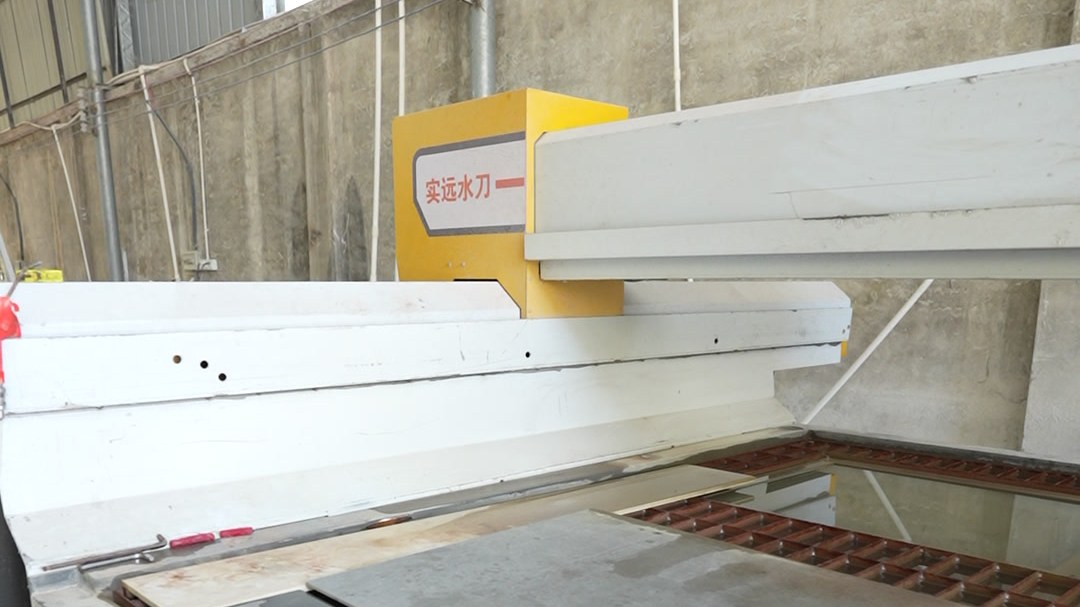
A worker feeding a sheet panel into a machine in the workshop

FSC certification is a statement about the origin and custody of forest material. It is not a substitute for the timber legality due diligence that importers are required to perform under laws such as the US Lacey Act or the EU's timber regulations — those obligations sit with the importer regardless of any label, and FSC documentation can support them but does not discharge them. It also says nothing about how the furniture is built, finished or how long it will last; a certified cabinet can be badly made, and an uncertified one can be excellent.

WNS Global does not currently hold FSC chain-of-custody certification, and we say so directly rather than sending a general document. Where a project requires an FSC claim, that is a conversation to have at specification stage, with the label type and the certificate scope named, rather than something to assume from general marketing material.

  • Not a substitute for the importer's own timber legality due diligence
  • Not a construction, finish or durability standard
  • WNS Global does not currently hold FSC chain-of-custody certification
  • Raise FSC requirements at specification stage, with the label type named

A wood grain sample showing the timber finish

Common questions

FSC Questions

Answers to the checks buyers most often make before using this guide for a project or sourcing decision.

Does an FSC-certified forest mean the vanity is FSC certified?

No. The claim only travels through companies that hold chain-of-custody certification. If the furniture factory is not certified, the finished vanity cannot carry the claim even if the timber came from a certified forest.

What is the difference between FSC 100% and FSC Mix?

FSC 100% is made entirely of virgin material from FSC-certified forests. FSC Mix combines FSC virgin and/or recycled material with controlled virgin material that is verified low-risk but not fully certified. They are different claims, and a specification should name which one it requires.

How do I verify a supplier's FSC claim?

Ask for the certificate code and look it up in FSC's public certificate search. Confirm the certificate holder is the company selling to you, that the scope covers the product, and that the certificate is currently valid.

Does FSC satisfy Lacey Act or EU timber due diligence?

No. Those legal obligations sit with the importer regardless of any certification. FSC documentation can support a due diligence file but does not replace it.

Does FSC say anything about furniture quality?

No. It certifies the origin and custody of the forest material, not how the cabinet is built, finished or how long it lasts.

Does WNS Global hold FSC certification?

No. We do not currently hold FSC chain-of-custody certification and we say so directly. If a project requires an FSC claim, raise it at specification stage with the label type and scope named, and we will discuss what that would involve for the specific order.

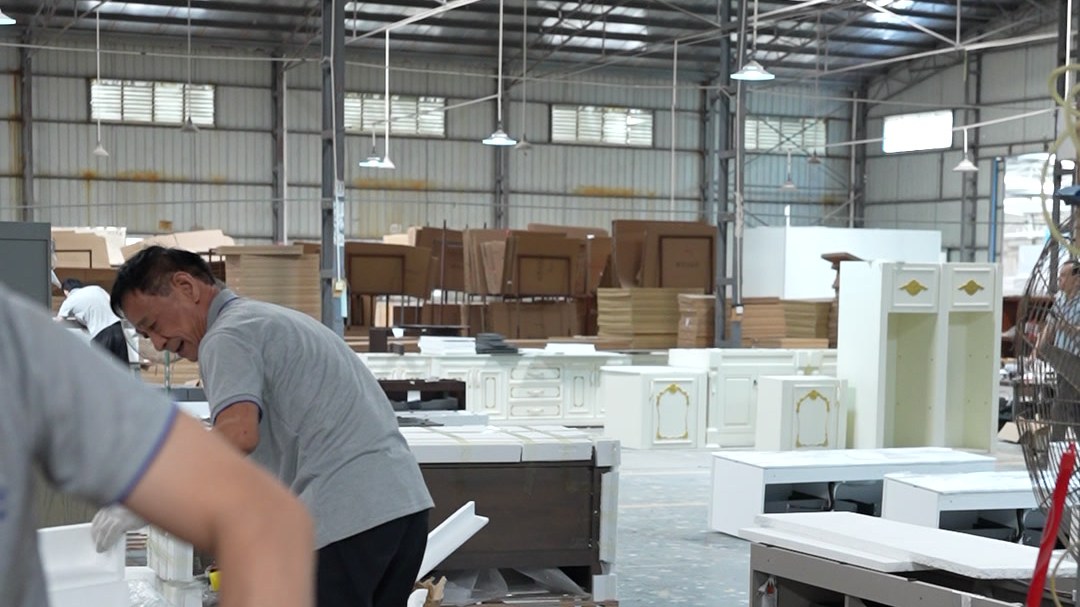
Bathroom vanity components produced on the factory line

In short

Check the Chain, Not the Logo

FSC certifies forests and the chain of companies that handle certified material; an on-product claim is only valid if the chain is unbroken and the seller holds its own certificate. The three labels — 100%, Mix and Recycled — are different claims. Verify certificates in the public register, keep timber legality due diligence as a separate obligation, and treat FSC as an origin claim rather than a quality one.

  • Forest certification and chain of custody are separate
  • The seller must hold its own chain-of-custody certificate
  • FSC 100%, Mix and Recycled mean different things
  • Not a legality due diligence or quality standard

Verification sources

Official Sources and Further Reading

FSC claims and labels depend on the applicable certificate, claim type and chain of custody. Request the current certificate and verify that the supplied material and sales documentation are within its scope.

Sourcing wooden bathroom furniture with documentation requirements?

Talk to WNS Global

Tell us the destination market and the documentation the project requires, and we will say plainly what we can and cannot provide for the specific order.

Workers assembling painted vanity cabinets on the factory production floor

Bathroom vanity components produced on the factory line

Published: Last updated:

  • This guide is a sourcing and planning reference. Confirm the applicable product, contract, authority and project requirements before making a final decision.

START WITH THE PRODUCT DETAILS

Tell Us What You Need

Share the bathroom products, project requirements, target market, dimensions, materials, finishes, quantities, or customization details currently available. WNS Global will review the request and identify the information needed for the next step.