
From spray face to service scope
What do rub-clean nozzles do?
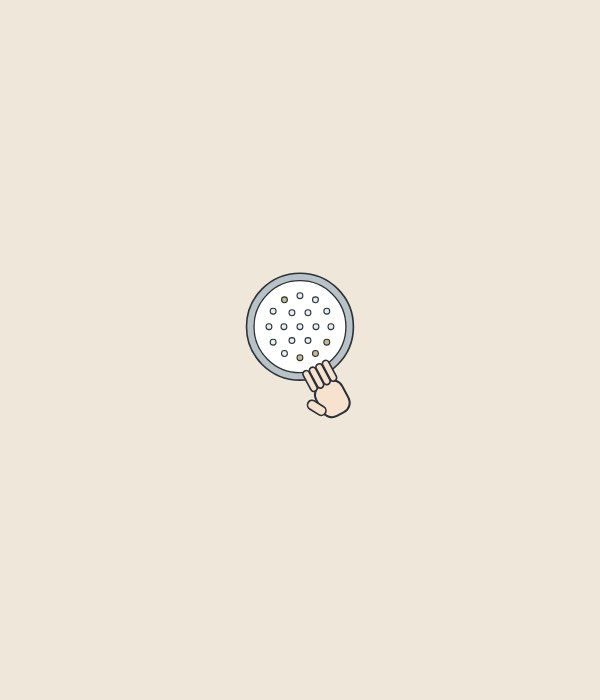
Rub-clean nozzles let a user wipe mineral deposits off the spray face by hand. hansgrohe says QuickClean nozzles only need rubbing with the fingers, and that QuickClean+ reduces deposits by expanding and retracting the nozzles.
hansgrohe’s own cleaning guide still gives a descaling method for heavier buildup. A generic easy-clean label is not evidence of any feature below.
| Maker and feature | What the maker says |
|---|---|
| hansgrohe QuickClean | Flexible silicone nozzles; deposits rubbed off with the fingers. |
| GROHE SpeedClean | Silicone-blend nozzles; deposits wiped off with a cloth or the hands. GROHE also says it prevents buildup. |
| Delta Touch-Clean | Soft rubber spray holes; calcium and lime wiped away with a finger. |
| Kohler MasterClean | On the K-22169-G sheet: an easy-to-clean sprayface that withstands mineral buildup. |
How does a maker tell you to clear a clogged head?
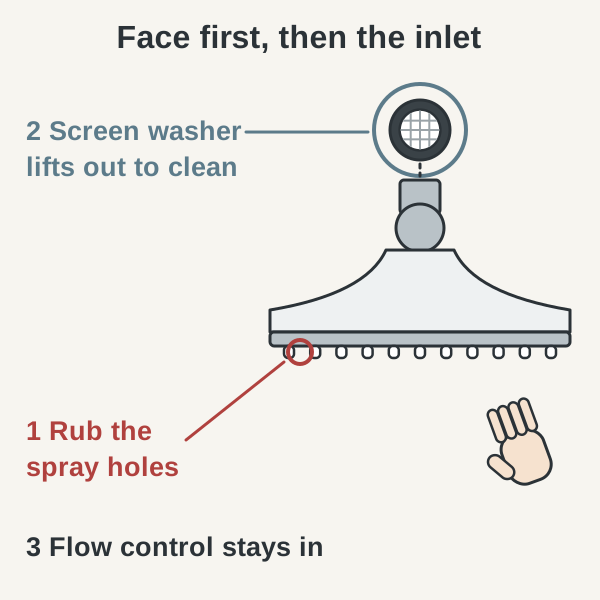
Kohler’s care guide for the rain showerheads it lists starts at the spray face and only then goes to the inlet. The steps apply to no other product.
- Run water through the showerhead.
- Rub a finger firmly back and forth across the spray holes.
- If that fails, remove the showerhead from the shower arm with a wrench, taking care not to mar the finish.
- Pry up the edge of the screen washer with a thin-bladed screwdriver.
- Remove and clean the screen washer. Do not try to remove the flow control.
- Refit the screen washer tapered end out, apply sealant tape to the shower-arm threads and reinstall the head.
Only the first two steps need no tools.
Which parts can be removed for cleaning?
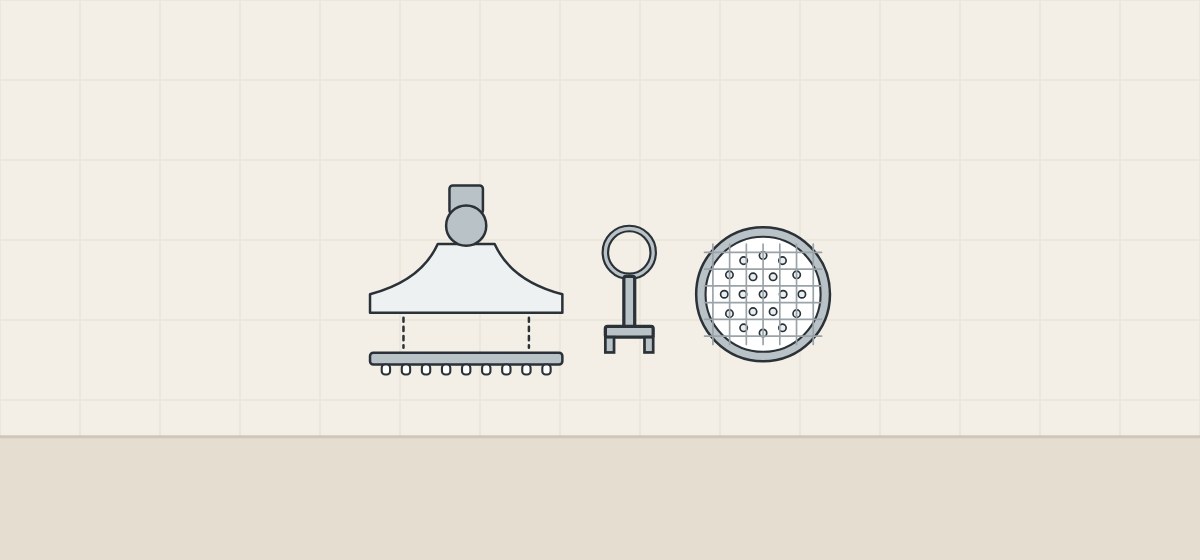
Which parts come off depends on the model. Each row is one maker’s statement about its own product or range.
| Part | Source | What it says |
|---|---|---|
| Mesh-effect cover | hansgrohe, Raindance Alive | Easy to remove as required; silicone nozzles sit underneath. |
| Spray plate | Triton | In some cases removed with a supplied key and soaked in descaling fluid; if fixed, the head is soaked for an hour or so. |
| Metal spray disc | hansgrohe UK | The only part it calls suitable for a dishwasher; the plastic parts are not. |
| Screen washer | Kohler rain showerheads | Pried up, cleaned and refitted after the head is off the arm. |
| Filter insert | hansgrohe Crometta Showerpipe 240 | Cleaned; it sits between shower and hose. |
Triton adds that the cleaning method is in the fitting instructions for that shower model.
Which cleaning agents do makers allow or forbid?
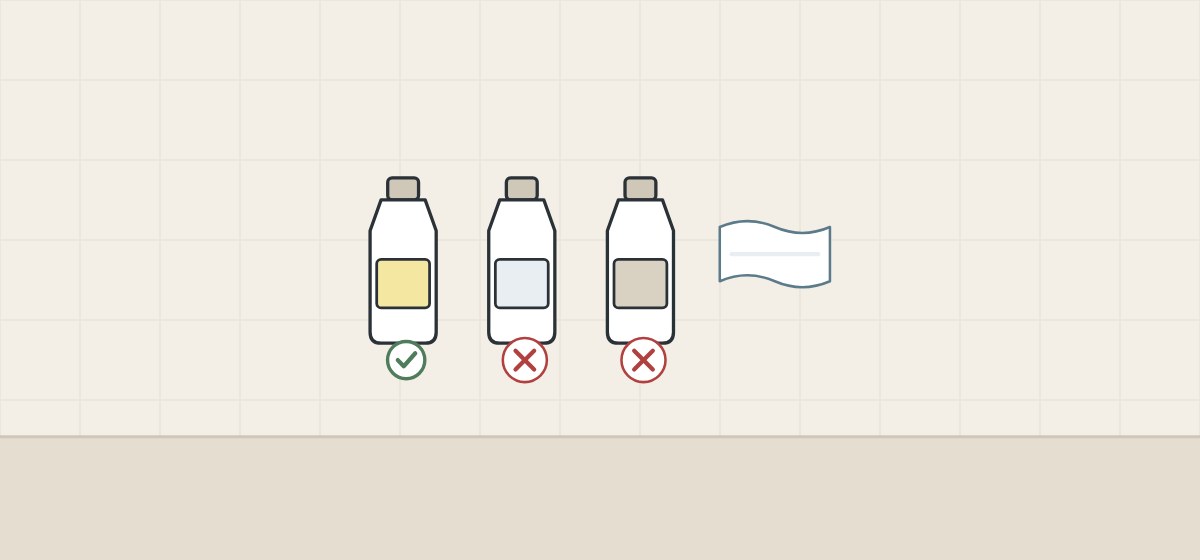
Each maker names its own permitted cleaners, and the lists do not agree. Every row applies to that maker’s products, or to the named model or finish only.
| Source | Allows | Rules out |
|---|---|---|
| hansgrohe FAQ | Mild citric-acid cleaner; at most 10 minutes’ exposure, then rinse. | Hydrochloric, formic or acetic acid; chlorine bleach. |
| Kohler rain showerhead guide | Mild detergent such as dishwashing soap, warm water. | In its warranty text: abrasives, ammonia, bleach, acids, alcohol, solvents. |
| Moen care leaflet, by finish | Spot Resist: mild soap. Chrome: most common household cleaners. | Spot Resist: abrasives, ammonia, bleach, organic solvents, lime scale removers. Chrome: harsh cleansers such as lime scale removers. |
| Speakman S-2005-H | Mild soap, warm water. On chrome only: two parts white vinegar to one part water, about half an hour. | Harsh or abrasive cleaners; vinegar on any other finish. |
On vinegar, Speakman permits a solution on its chrome S-2005-H heads; hansgrohe forbids cleaners containing acetic acid.
Which parts beyond the nozzles do instructions name?
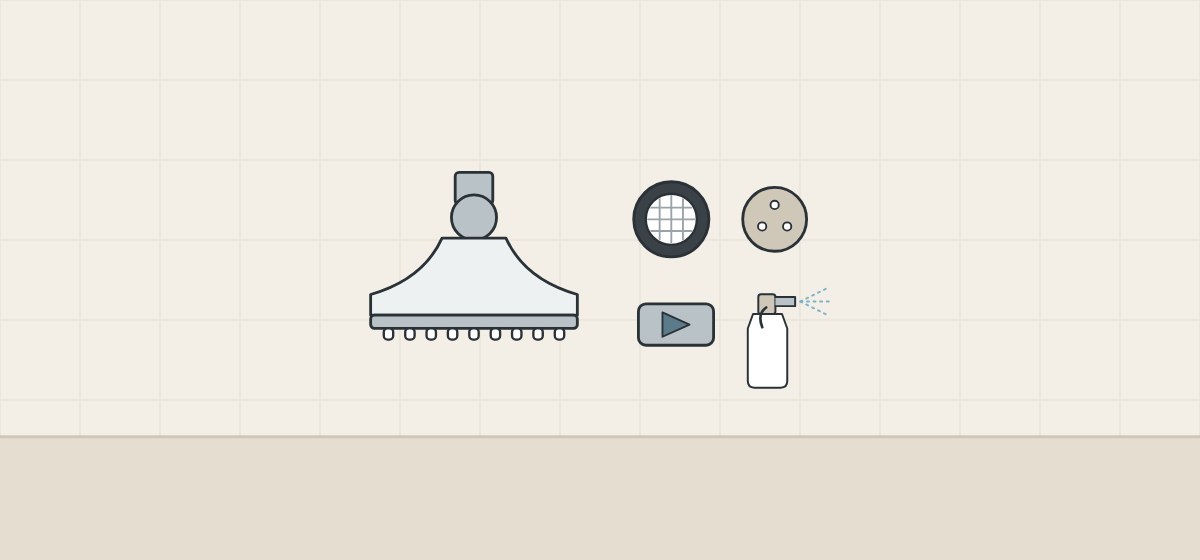
The instructions read for this guide name parts that rubbing the nozzles does not reach.
Screen or filter
hansgrohe’s Crometta Showerpipe instructions say the premounted filter insert must be used to keep normal flow and stop dirt entering from the pipes; dirt can impair function or damage the shower.
Flow control
Kohler’s rain showerhead guide says not to attempt to remove it. Delta’s low-pressure answer says the flow restrictors required for shower heads can clog and greatly reduce flow.
Check valves
The same Crometta instructions say check valves must be checked regularly under EN 806-5 and national or regional regulations, at least once a year.
Inside the body
hansgrohe’s cleaning guide says never to spray cleaners directly onto a shower: the mist can get inside and cause damage. It says to spray the cleaner onto a soft cloth instead.
- Ask which parts the offered head has
- Ask which ones staff may remove
- Ask which ones are spares
What do HSE and CDC say about descaling shower heads?
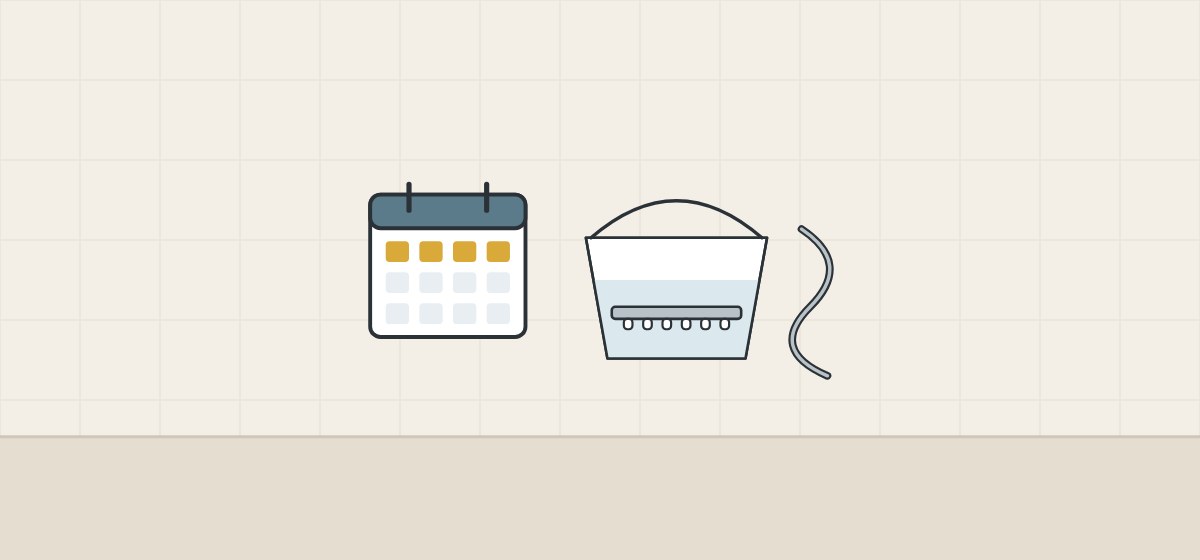
HSE and CDC list shower heads among the parts to clean for legionella control, and HSE’s checklist lists dismantling their removable parts.
HSE web page
The Health and Safety Executive’s page for health and social care providers on legionella in hot and cold water systems lists cleaning and de-scaling shower heads and hoses at least quarterly.
HSG274 Part 2
HSE’s technical guidance row for showers and spray faucets reads “Dismantle, clean and descale removable parts, heads, inserts and hoses where fitted”, quarterly or as the rate of fouling or other risk factors indicate. HSE states that following the guidance is not compulsory unless specifically stated.
CDC
The US CDC’s potable-water module says to clean and maintain components, including showerheads and hoses, regularly as water quality measurements indicate.
Maine public-health sheet
An undated Maine public-health sheet tells readers to take the shower head apart and soak it for a few minutes in vinegar or chlorine bleach.
The Maine sheet names chlorine bleach, which hansgrohe and Kohler’s guide rule out for their products. A routine built on such guidance needs a head whose removable parts can be taken off and a descaler its maker permits. Confirm with the local authority which rules apply.
Which tools and methods do makers rule out?
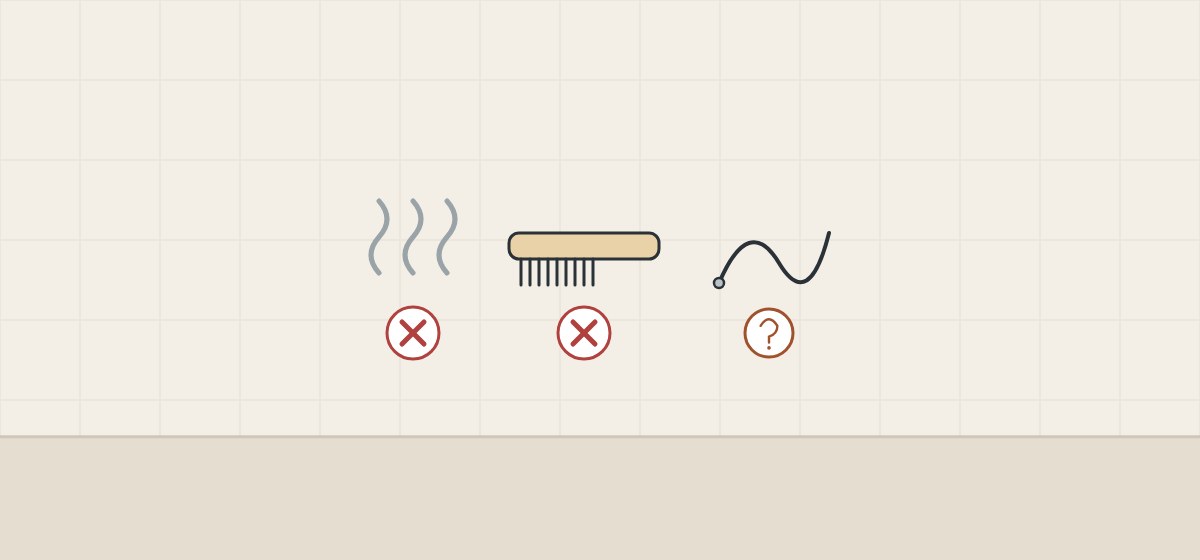
The makers cited here rule out several shortcuts in writing.
| Method | What the source says |
|---|---|
| Steam cleaner | hansgrohe: do not use; high temperatures can damage the shower. |
| Abrasive pads and brushes | hansgrohe’s FAQ rules out scrub sponges; Kohler’s guide rules out brushes and scouring pads. |
| Thin wire in the holes | Moen’s leaflet instructs it on a dismantled showerhead that sprays unevenly. |
How should a buyer approve a cleaning routine?

Match the maker’s written instructions to the people and place that will carry them out. These steps are procurement guidance.
- Name the nozzle feature. Record the maker’s feature name, not a generic label.
- List what comes off. Cover, spray plate, screen or filter, and the tool or key each needs.
- Specify the cleaner. Write down the agent, dilution and contact time the maker permits for that finish.
- Mark the limit. State which parts staff must not remove, such as a flow control.
- Check the reach. Confirm staff can do the routine at the installed height.
- Keep the documents. File the care sheet and spare-part list with the order.
When the head is already installed
For a head of unknown make, do not improvise with acids, pins or dismantling; identify the model first and use its instruction.
What should you send and ask before a quotation?
Ask for the cleaning and service scope with the price. Cleaning is not repair; each task needs its own evidence.
| Task | Evidence to request |
|---|---|
| Clean the nozzle face | Feature name and care method for that nozzle material. |
| Remove a cover or spray plate | Instructions for that exact design. |
| Descale the head | Permitted agent, dilution and contact time for the finish. |
| Investigate low flow | The maker’s troubleshooting steps. |
| Replace a part | Supported part reference and procedure. |
Include with your request
- Who will clean the heads, and how often
- Installed height and access
- Any water-hygiene plan that applies
- Finish and quantity per room type
WNS Global confirms any offered shower head, its care instructions, spare parts and commercial terms separately in writing. This guide does not state that WNS Global products have any nozzle feature, removable part, filter or flow control named above.