

From mechanism to quotation
What does each shower valve type respond to?
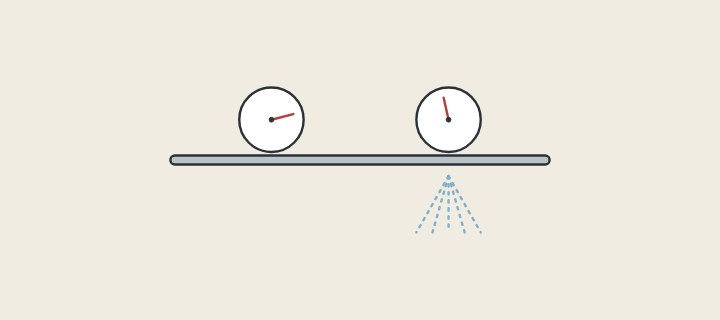
A pressure-balancing valve responds to changes in hot and cold supply pressure; a thermostatic valve responds to the temperature of the mixed water. Delta’s shower-valve guide says its pressure balance cartridge adjusts the hot and cold flow to hold the outlet temperature despite supply-pressure fluctuations, while its thermostatic cartridge measures the water leaving the valve and adjusts the mix.
ASSE’s definitions match: Type P compensates for variations in the inlet supply pressures, Type T for thermal variations, and Type T/P for both.
| Term | What it means |
|---|---|
| Automatic compensating valve | ASSE: a mixing valve fed with hot and cold water that automatically maintains the selected outlet temperature. |
| Limit stop | ASSE: an adjustable, lockable means to limit how far a device can be set toward hot. |
| Rough and trim | Delta: the rough is where the cartridge mixes hot and cold; the trim is the visible handle, shower head and spout. |
What happens in the valve when supply pressure changes?
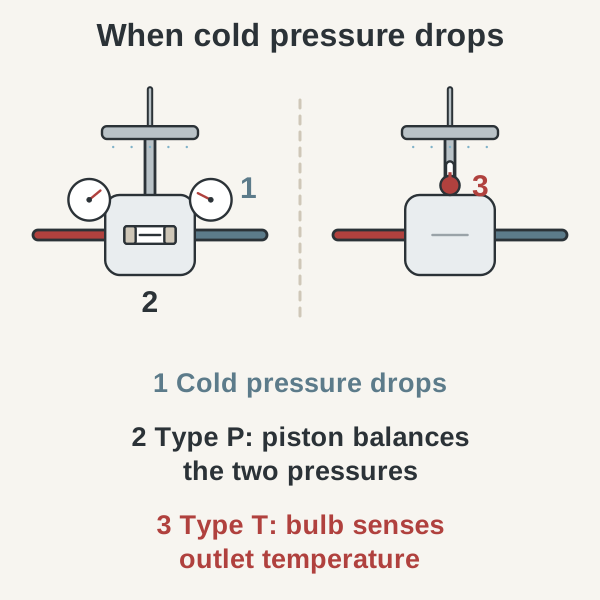
The valve acts to keep the outlet near the selected temperature.
- The user selects a temperature and the shower runs.
- Hot or cold supply pressure at the valve changes.
- A Type P valve senses the two inlet pressures.
- In Leonard’s Type P series, a piston equalizes the hot and cold supply pressures.
- A Type T valve senses the outlet temperature instead.
- Delta’s thermostatic cartridge then adjusts the hot and cold mix.
The piston description comes from Leonard’s shower valve catalog. Watts, summarizing the 2005 revision of ASSE 1016, adds that Type P valves cannot compensate for changes in incoming supply temperature.
What must each ASSE 1016 type do?

Leonard’s ASSE standards chart summarizes the 2017 edition’s tests: a pressure change for Type P, and a smaller pressure change plus a hot-water temperature rise for Type T. The wording is Leonard’s, not the standard’s.
| Type | Senses (ASSE white paper) | Leonard’s summary of the test |
|---|---|---|
| Type P | Hot and cold inlet pressures | Hold ±3.6 °F of the set temperature with a 50% pressure change at the hot or cold inlet. |
| Type T | Outlet temperature | Hold ±3.6 °F of the set point after a 20% pressure change at an inlet, with brief wider swings allowed in the first five seconds, and with a 25 °F rise in hot water temperature. |
| Type T/P | Both | Must meet both the Type P and the Type T conditions. |
Leonard’s chart also lists a cold-water-failure test: discharge must drop to 0.5 GPM or 30% of minimum flow, whichever is less, before the outlet reaches 120 °F and within 5 seconds of pressure loss.
How do named valves combine mechanism and user controls?
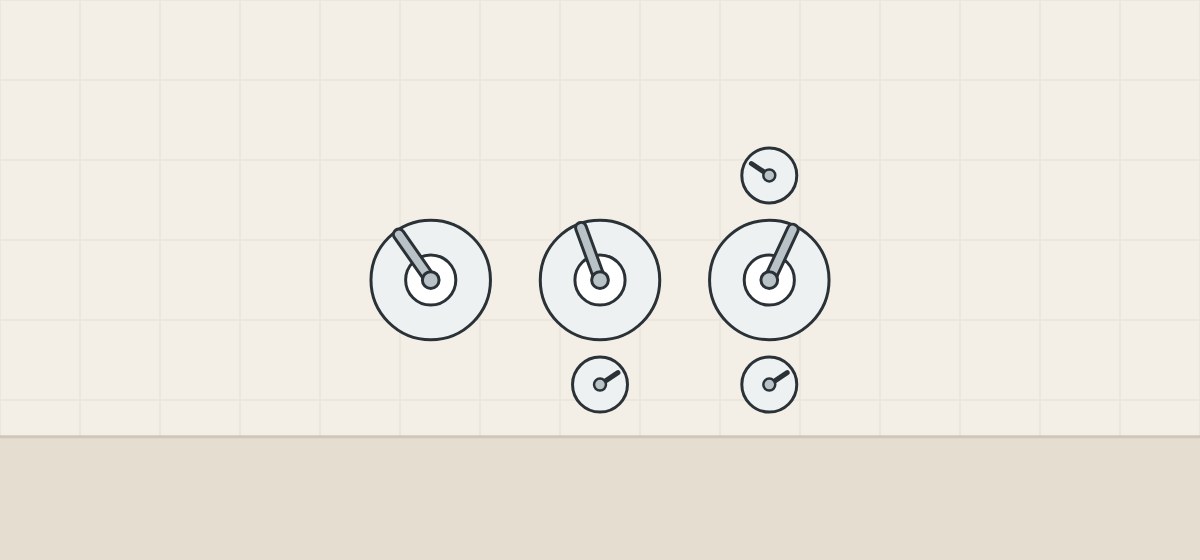
Each row is the maker’s own statement of the named product’s mechanism and its controls or flow.
| Named product | Mechanism | Controls and flow, per the maker |
|---|---|---|
| Moen PosiTemp | Pressure balanced | Rotate only; no volume adjustment. |
| Moen Moentrol | Pressure balanced | Push/pull and rotate; volume adjustable. |
| Moen ExactTemp | Thermostatic | A separate volume control turns the unit on and off. |
| Delta Monitor 17 | Pressure balance | Separate volume and temperature controls. |
| Kohler K-8304-PS | Pressure-balancing | 5.0 gpm maximum at 45 psi. |
| Kohler K-2975-KS | Thermostatic | 17.2 gpm at 45 psi; volume control trim sold separately. |
Handle count does not identify the mechanism: Delta lists dual-function controls on both pressure balance (Monitor 17) and thermostatic (TempAssure 17T) series, and single-function pressure balance on Monitor 13 and 14. hansgrohe says both Type P and Type T trim kits are available for its iBox Universal Plus rough.
Which standards and codes apply to shower valves?

The North American sources used here name ASSE 1016/ASME A112.1016/CSA B125.16 for shower valves; Chicago’s code and hansgrohe’s manual also name ASME A112.18.1/CSA B125.1. Adoption is local, so confirm with the local authority.
ASSE 1016/ASME A112.1016/CSA B125.16
CSA Group lists the 2017 edition as reaffirmed. Its published scope covers automatic compensating valves at the point of use, where the user has access to flow or final temperature controls and no further mixing occurs downstream.
ASSE 1069 and ASSE 1070
ASSE’s temperature-control guidelines say ASSE 1069 valves are not intended for individual showers, and that ASSE 1070 devices do not provide thermal shock protection.
Chicago, 18-29-424.3
Requires individual shower valves to be balanced-pressure, thermostatic or combination valves conforming to ASSE 1016/ASME A112.1016/CSA B125.16 or ASME A112.18.1/CSA B125.1. In-line thermostatic valves may not be used to comply.
BS EN 1111:2017
BSI describes it as specifying PN 10 thermostatic mixing valves, and lists this edition as withdrawn on 25 March 2026.
- Standard and edition
- Type: P, T or T/P
- Listing entry
- Locally adopted code
What does a limit stop do, and who sets it?

A limit stop caps how far the valve can be turned toward hot. ASSE’s guidelines describe ASSE 1016 devices as scald and thermal shock protection, and also say the limit stop must be set at installation and may need periodic adjustment.
Set at installation
ASSE says the installer must set the stop, and must return to set it if hot water was not available when the valve was fitted.
Seasonal change
ASSE says a seasonal change in cold-water temperature may affect the outlet temperature and may require the stop to be adjusted.
Makers’ settings differ
Watts says its Powers F727 and C727 valves are factory set to deliver up to 110 °F. Moen says its ExactTemp safety stop is preset at 105 °F, with an override reaching up to 120 °F.
Local maximum
ASSE says the maximum, usually 120 °F, is mandated by the local code. hansgrohe’s iBox manual gives 120 °F, and 112 °F for Massachusetts.
Ask the responsible professional to assess the selected system for the building and its users.
How does shower-head flow affect the valve choice?
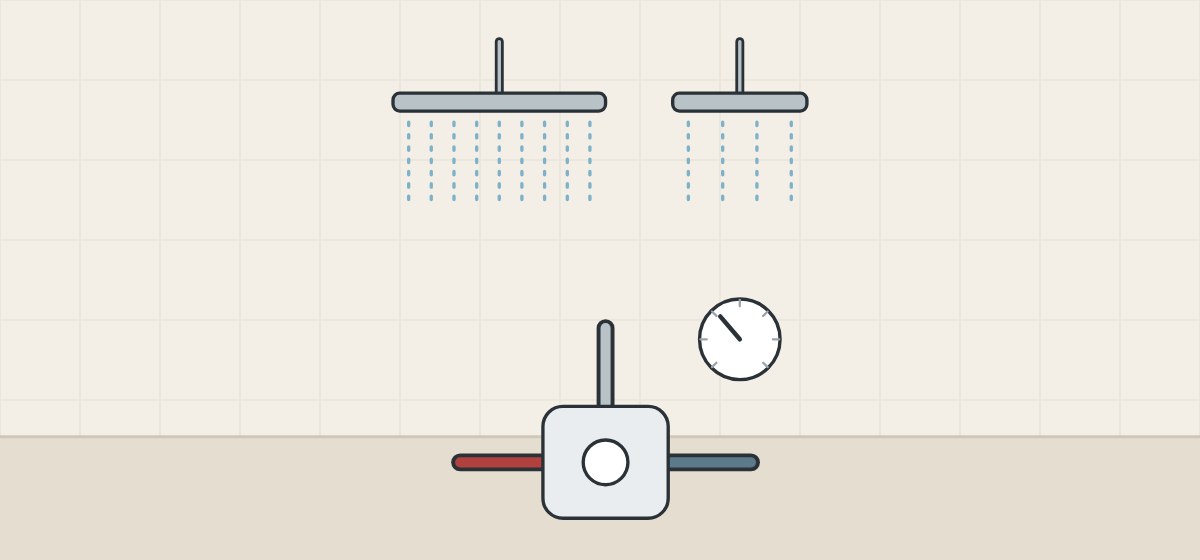
ASSE’s guidelines say the shower head’s flow must not be less than the minimum flow the maker publishes for the valve.
| Source | What it says |
|---|---|
| ASSE low-flow white paper | Match the shower head’s maximum flow with a compensating valve whose minimum flow is equal or lower; both quoted at 45 psi. |
| Chicago, 18-29-424.3 | Requires shower control valves to be rated for the installed shower head’s flow rate. |
| hansgrohe iBox Universal Plus manual | Minimum flow rating of 1.1 GPM for the trim kits in its table. |
| Watts F727/C727 instructions | Minimum flow 1.0 gpm; capacity 4.0 gpm at a 50/50 mix. |
How should a buyer specify the shower control behavior?

Specify the mechanism first and the user actions second. These steps are procurement guidance, not a code review.
- Name the mechanism. Type P, T or T/P.
- List the user actions. On and off, temperature, volume, outlet selection.
- Record the supply. Hot and cold pressures; hot supply temperature.
- Match the flow. Shower-head flow against the valve’s published minimum.
- Assign the limit stop. Who sets it, to what temperature, and when it is rechecked.
- Name the standard and code. The edition on the data sheet; the code adopted locally.
- Confirm the parts last. Valve body, cartridge and trim as one documented combination.
Approve how the shower is used
On a mock-up, go through each action: turn the shower on, set the temperature, change the volume if there is a separate control, and switch outlets. This guide does not approve replacement trim for an existing valve.
What should you send and ask before a quotation?

Describe the control behavior, not only the look of the trim.
| Question | Why it matters |
|---|---|
| Is the valve Type P, T or T/P? | The types respond to different supply changes. |
| Which standard and edition is it listed to? | A label is not a listing. |
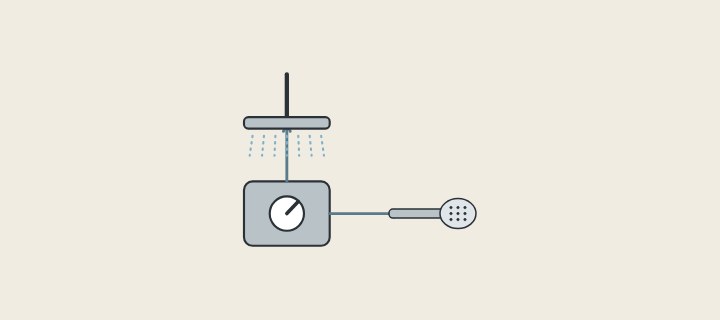
| Which controls does the user have? | Volume and outlet selection are separate from the mechanism. |
| What is the minimum rated flow? | Shower-head flow must not fall below it. |
| How is the limit stop set, and by whom? | ASSE puts the duty on the installer. |
| Which valve body, cartridge and trim belong together? | hansgrohe says its rough becomes a compensating valve only once a trim kit is fitted. |
Include with your request
- Project location and adopted code
- Supply pressures and hot supply temperature
- Outlets per shower and their flow rates
- Quantity per room type
WNS Global confirms any offered valve, trim, documents and commercial terms separately in writing. This guide does not state that WNS Global products are pressure-balancing or thermostatic, have any limit stop, flow rating or tolerance named above, or are listed to any standard named above.