
What a Wall-Mounted Vanity Actually Needs

ASME A112.6.2 covers framing-affixed supports, commonly called carriers, for off-the-floor plumbing fixtures, a category that explicitly includes lavatories and sinks alongside water closets, urinals and bidets. The standard sets performance requirements for these carriers around strength and deflection, meaning a carrier system is expected to hold its rated load without excessive flex over time, not just at the moment of installation.
In residential wall-mounted vanity installation, the equivalent solution is typically solid wood blocking or metal backing installed inside the wall cavity before the drywall goes up, positioned at the height the vanity brackets will actually attach to. Relying on drywall anchors alone, without blocking or a carrier behind them, is a common point of failure precisely because standard drywall was never designed to carry a sustained cantilevered load like a loaded vanity cabinet.
- ASME A112.6.2 covers carriers for off-the-floor fixtures including lavatories and sinks
- Carriers are rated for strength and deflection, not just initial hold
- In-wall blocking or metal backing is the residential equivalent for vanity mounting
- Drywall anchors alone are not a substitute for blocking or a rated carrier
Why Floor-Standing Vanities Skip This Question
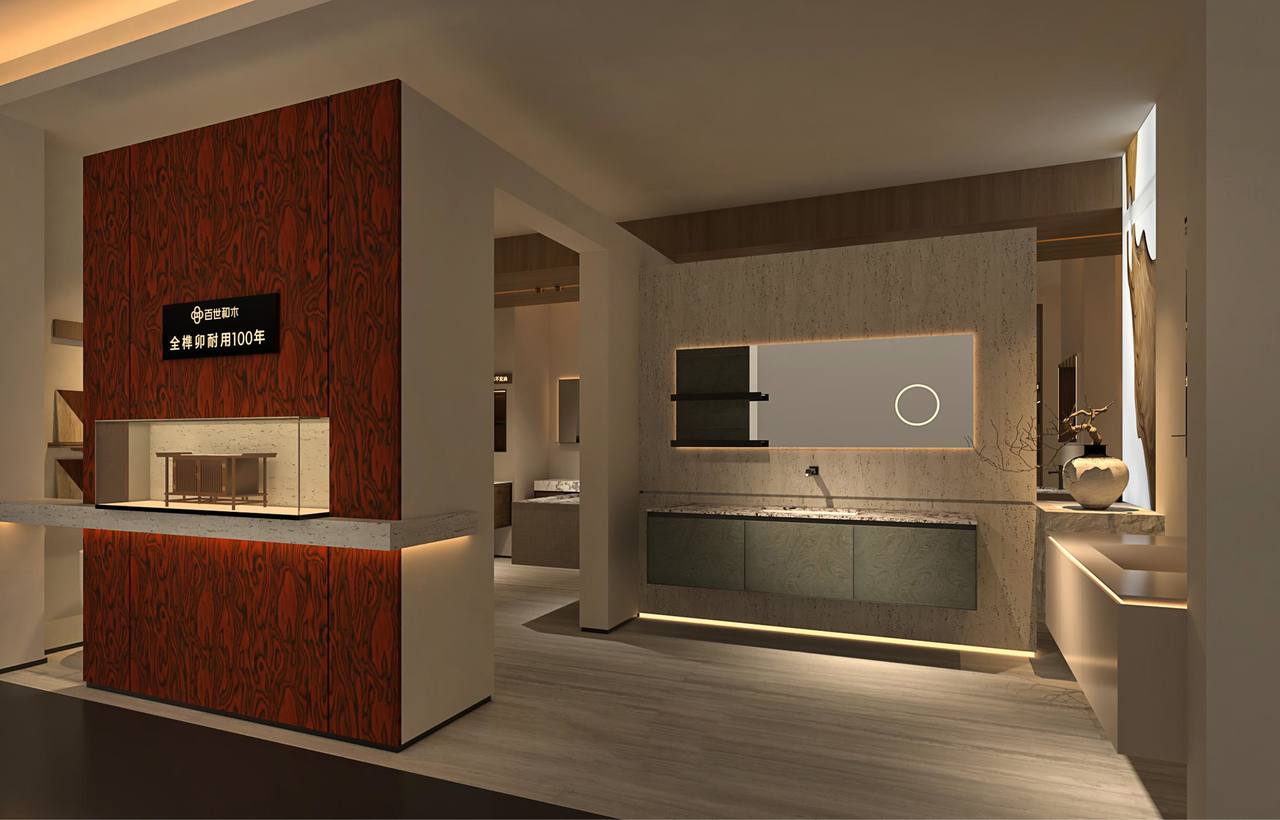
A floor-standing vanity rests its full weight on the floor through its own base or legs, the same way most furniture does, which is why floor structural capacity is rarely a specific concern for a typical residential or light commercial installation. The floor itself, rather than a wall cavity, is doing the structural work, and floors are generally designed with considerably more load capacity margin than an interior partition wall.
This is a large part of why floor-standing vanities remain the simpler default in renovation projects where wall construction is unknown or difficult to verify, and why a wall-mounted specification is worth confirming against the actual wall type before it is finalized for a specific unit.
Planning Blocking Before the Wall Closes
The practical challenge with wall-mounted load-bearing requirements is timing: blocking or a carrier system has to go in while the wall cavity is still open, before drywall or tile finishes cover it. Retrofitting blocking into an already-finished wall is possible but considerably more invasive than planning for it during the initial framing or renovation stage.
For a project specifying wall-mounted vanities, confirming the mounting height, the vanity and top's combined weight, and the wall construction type early lets the framing or renovation contractor install the correct blocking or carrier the first time, rather than discovering a mismatch after the wall is already closed.