Growth and Sustainability
Many bamboo species reach harvestable maturity in about three to five years, far faster than the decades a hardwood timber forest needs to mature. That is the core of bamboo's sustainability argument, and it is a real, verifiable difference in regrowth speed rather than a vague marketing claim. It is a claim about the raw material's renewal rate, though, not a claim about moisture performance, structural longevity, or how the material is actually built into a piece of furniture — those are separate questions addressed below. Solid wood's own sustainability case rests on forestry practice and traceability rather than growth speed, and should be checked against actual sourcing documentation for a given supplier rather than assumed from the material name alone.
Moisture Behavior in a Bathroom
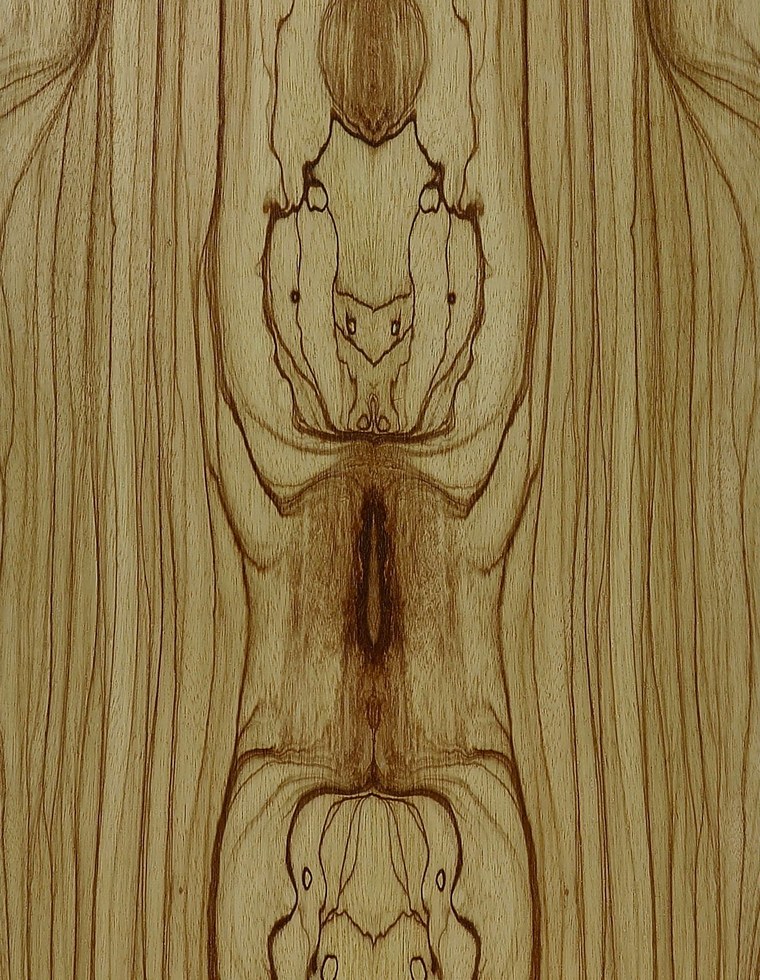
Solid wood is hygroscopic — it expands and contracts across the grain as humidity changes. A solid panel around 400 mm wide can change dimension by several millimeters between a dry season and a humid one, and a bathroom compresses that cycle into something closer to a daily rhythm. That movement is not a defect; it is a known, designed-for behavior, and it is exactly what mortise-and-tenon joinery exists to accommodate, covered in full in our guide to that construction method.
Bamboo performs differently. As an engineered, laminated product it can be manufactured to be dimensionally stable with a good sealed finish, but its cut edges are a commonly cited point of vulnerability where moisture can enter the laminated layers if the seal is compromised. In practice, neither material is "waterproof" on its own; both require the right construction and finish decisions to perform in a wet room, and both can fail if those decisions are skipped.
- Solid wood moves with humidity by design; joinery accommodates it
- Laminated bamboo can be stable when well sealed; edges are the known weak point
- Finish and construction quality decide the outcome more than the raw material label
Construction Method
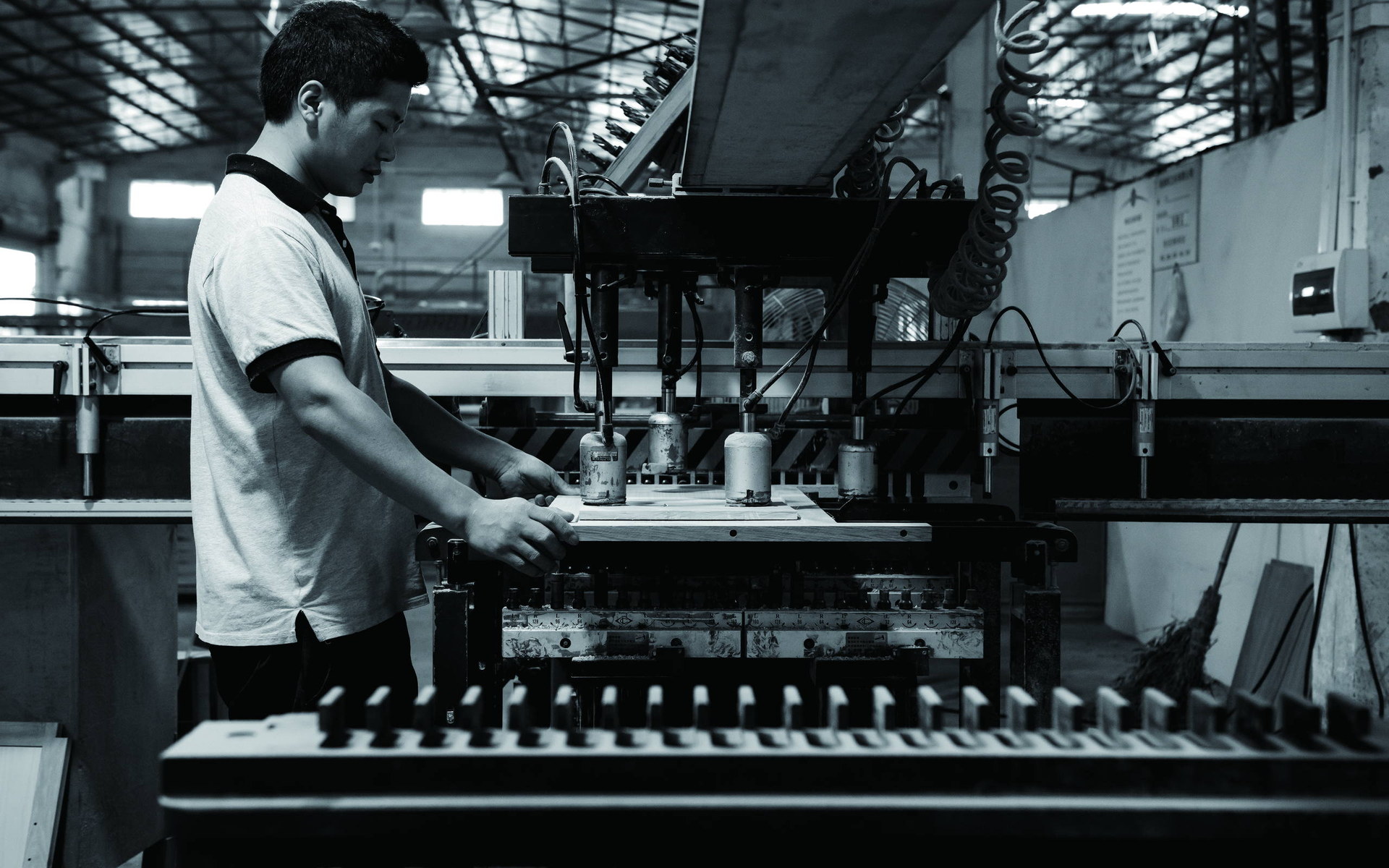
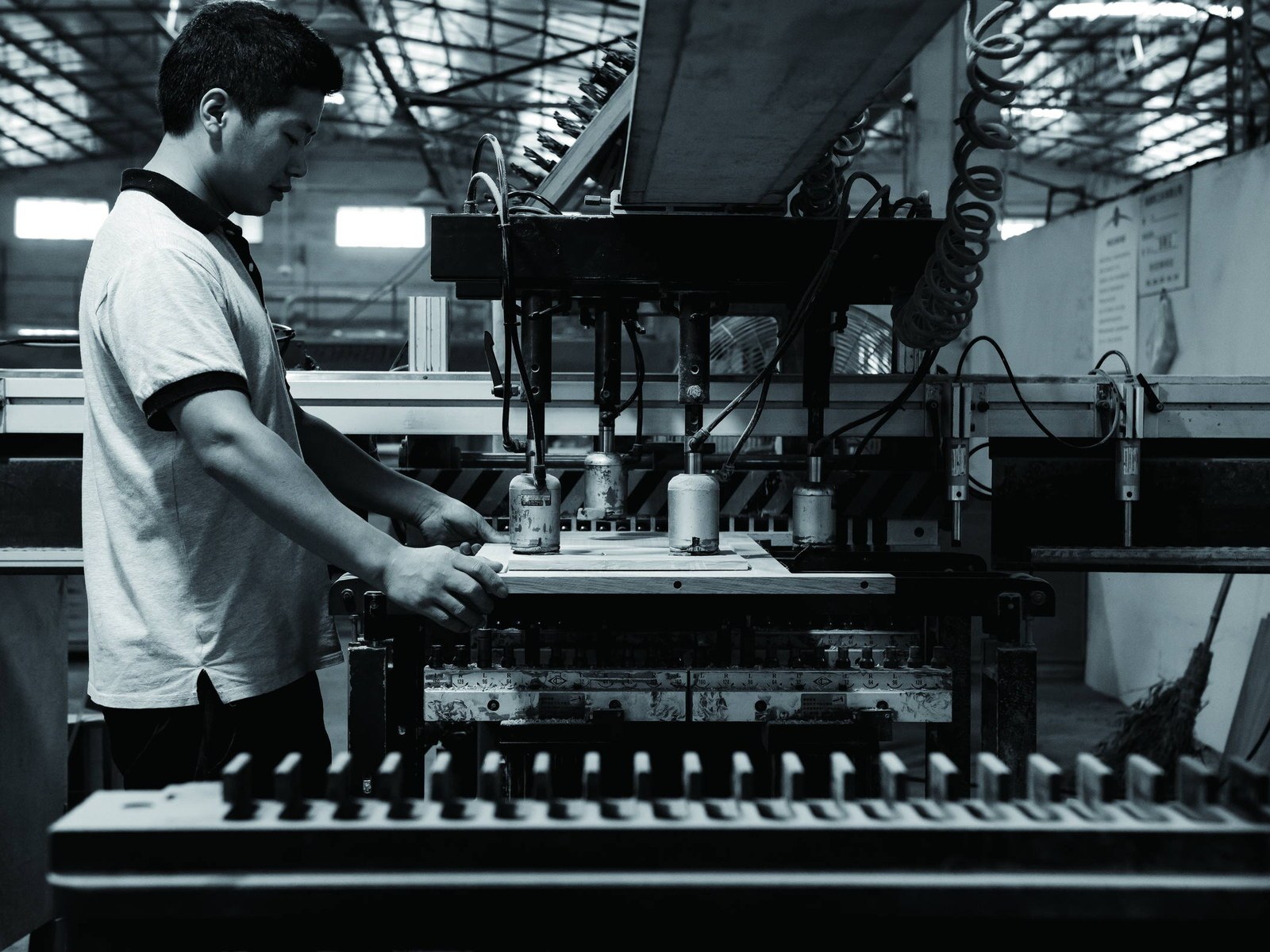
The two materials are typically built into furniture in different ways, and that difference matters as much as the raw material itself. Bamboo furniture is usually manufactured from strips laminated into flat panels or blocks, because the raw bamboo culm is round and hollow and is not suited to being cut into the solid rails and stiles a traditional joint requires. Solid wood vanities can be built with mortise-and-tenon joinery precisely because the timber comes as a solid section that can be cut, shaped and jointed mechanically, with the joint's strength coming from its shape rather than relying on adhesive alone. "Mortise and tenon construction" is claimed in a lot of catalog copy that does not actually use it, and the joint is internal, so it cannot be verified from a photograph of a finished cabinet door — it is worth asking a supplier directly how the frame is actually joined.