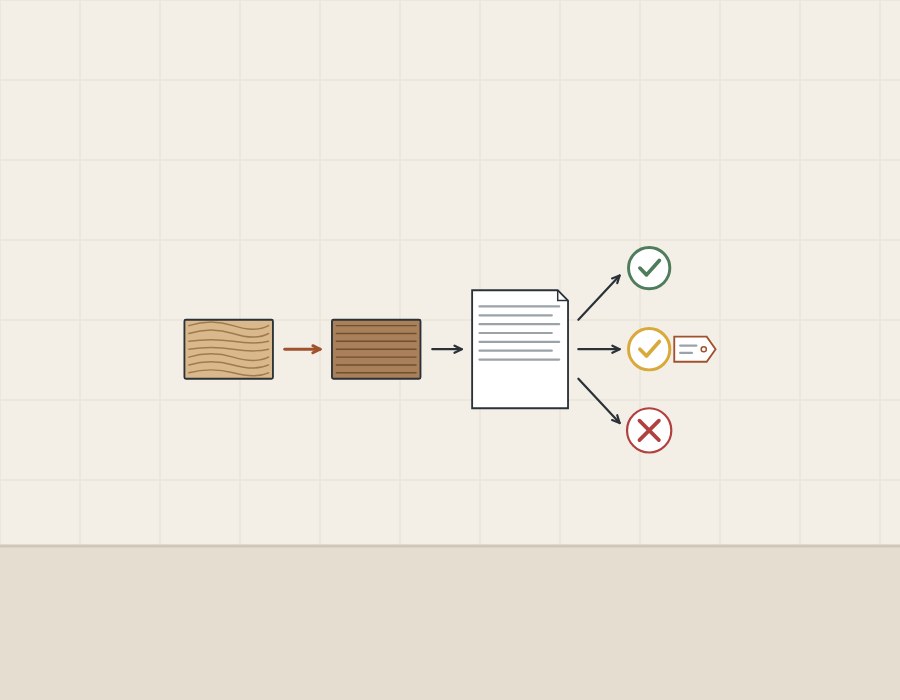
From request to record
What counts as a material substitution?
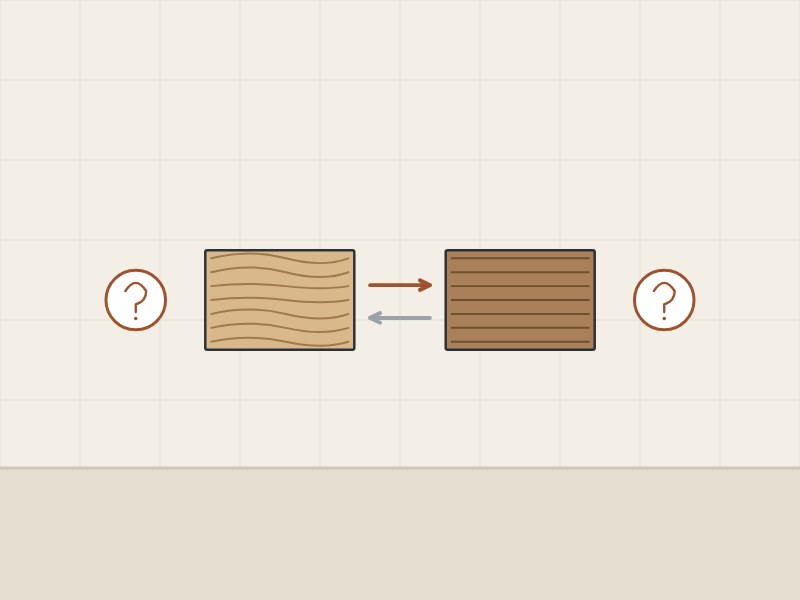
A material substitution is any change to a material, part or finish that the approved order names. This guide has in mind a request that arrives after cutting has started: the approved timber lot has run out, or a named drawer runner is on back order.
ASQ defines change management as the process of planning, validating and implementing a change and verifying its effectiveness. AIAG, an automotive industry body, says on the catalogue page for its Production Part Approval Process manual that its guidelines set the minimum a supplier must document and submit to a customer for approval to ship production quantities.
| Term | What it means |
|---|---|
| Change management | ASQ: planning, validating and implementing a change, then verifying it. |
| “Equal” item | FAR 52.236-5: equal in the judgment of the Contracting Officer. |
How should a buyer handle a substitution request?
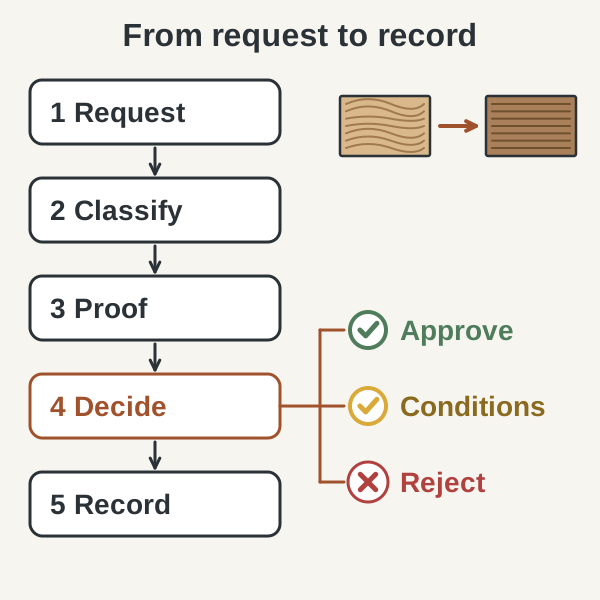
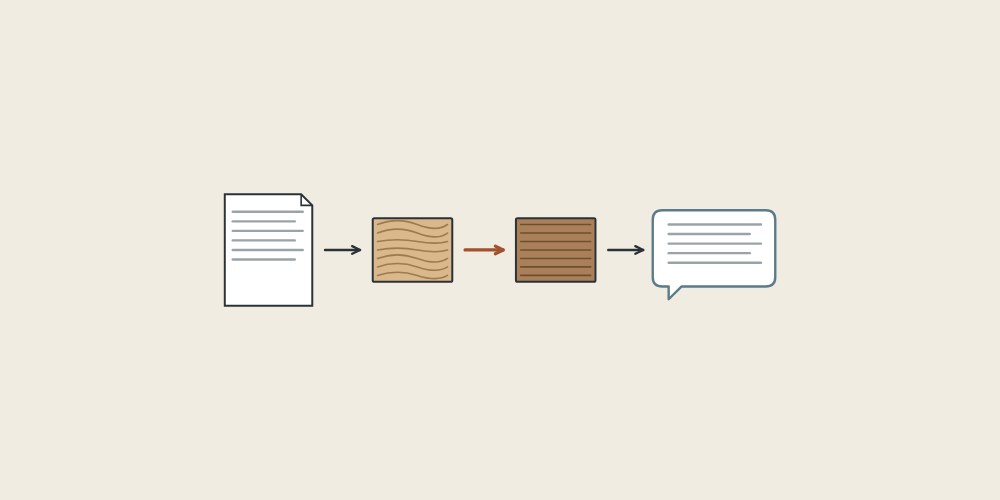
Work through the request in a fixed order and classify the change before answering. The six steps are this guide’s procedure; the diagram groups them into five stages.
- Name the class of change. If classes mix, answer to the strictest one.
- Ask the reason, the first affected unit and the quantity. Hold the decision until the unit is named.
- Ask for proof that matches the class. If documents your market expects cannot be produced, the answer is no.
- Decide where changed units go. Keep old and new apart by room type unless the part is hidden and works the same.
- Confirm price and schedule effects in writing.
- Update the drawing, parts list and approved sample together.
A US federal construction clause, FAR 52.236-5, shows how one contract handles the question. The contractor may use an item other than the one named only if, in the judgment of the Contracting Officer, it is equal, and items that lack a required approval are installed or used “at the risk of subsequent rejection”. A private order needs its own wording.
Which class of change is it?
Sort the request into one of five classes; the class sets how much proof to ask for. The classes are this guide’s own scheme.
| Class | Example | What is at stake |
|---|---|---|
| Appearance only | A new stain batch | Color and sheen |
| Fit and function | A different runner or hinge model | Mounting, travel and adjustment |
| Durability-relevant | A different panel core or coating system | How the part holds up in use |
| Regulated in your market | A different composite panel or timber species | Emission and import paperwork |
| Paperwork only | A new supplier code for the same item | Whether records still match |
CARB’s composite wood regulation requires hardwood plywood, particleboard and MDF, and new finished goods containing them, to meet emission standards and be labeled in California; it names cabinets as an example. A panel change there is a regulated change too.
How do panel, veneer and coating types differ?
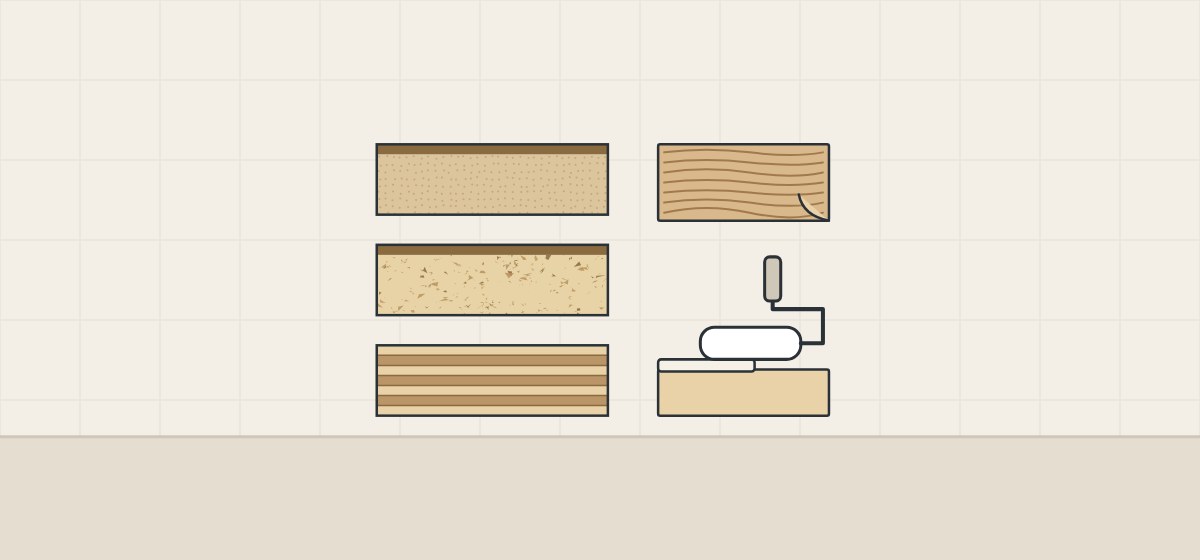
They differ in what they are made of. The descriptions below summarize the trade associations’ own.
| Material | Source | Description |
|---|---|---|
| MDF | Composite Panel Association | Typically cellulosic fibers with a synthetic resin or other bonding system, joined under heat and pressure. |
| Particleboard | CPA | Cellulosic particles of various sizes bonded with a resin or binder. |
| Hardwood plywood | Decorative Hardwoods Association | Three or more veneer layers, each ply’s grain perpendicular to the next. |
| Veneer | DHA | Typically a very thin hardwood sheet, usually under 1/8 in, applied to another surface. |
| Coatings | CPA | Water-based acrylic latex, solvent-based, UV and powder types. |
CPA says particleboard’s resin level and density may be modified for the end use, and that additives can add moisture resistance. DHA says MDF, particleboard, combi-core and lumber can also be used as hardwood plywood cores. So ask for the core and thickness, not only the panel name.
What changes when a composite panel is swapped?
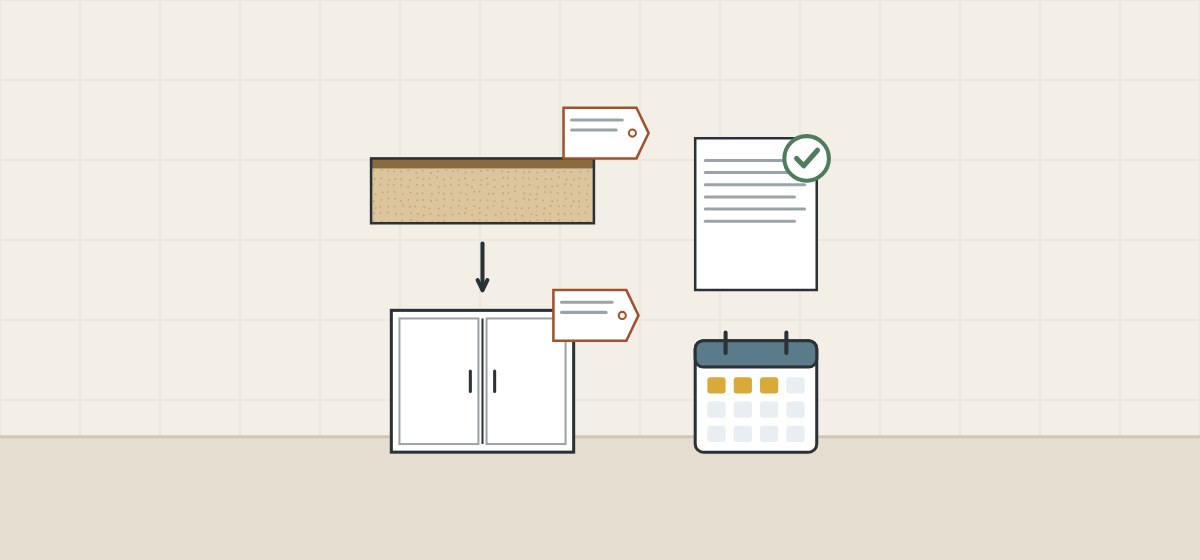
In the United States, the EPA’s TSCA Title VI rule covers hardwood plywood, MDF and particleboard, and finished goods containing them. Confirm other markets with the local authority.
Veneered parts
The EPA’s stakeholder questions define a laminated product as a wood or woody grass veneer affixed to a particleboard, MDF or veneer core. Producers of laminated products that are not exempt must test and certify them as hardwood plywood producers.
Emission limits
The EPA gives its formaldehyde emission limits as 0.05 ppm for hardwood plywood, 0.09 ppm for particleboard, 0.11 ppm for MDF and 0.13 ppm for thin MDF.
Labels and records
The EPA says finished-goods labels show the fabricator’s name, the production date and a compliance statement, and that fabricators and importers keep supplier compliance statements for three years.
- Type, core and thickness of the new panel
- A photo of the new panel’s label
- The supplier’s written compliance statement
What changes when the timber species is swapped?

A species swap can change what the importer declares, as well as how the cabinet looks.
US declaration
APHIS says a Lacey Act declaration must give the scientific name, genus and species, of any plant in the shipment, the value of the product, the quantity of the plant and the country where the plant was taken. One condition for needing a declaration is an APHIS-listed tariff code.
Who files
APHIS’s requirements page says only the importer of record or its agent, such as a customs broker, may file. Its questions page says Phase VII includes plant products such as furniture.
European Union
The European Commission says its Timber Regulation prohibits placing illegally harvested timber on the EU market and requires operators to exercise due diligence; the same page says it will be repealed by the Regulation on deforestation-free products. Confirm which applies to your shipment.
Ask for the scientific name and country of harvest, and confirm filing duties with your customs broker.
What proof matches each kind of change?
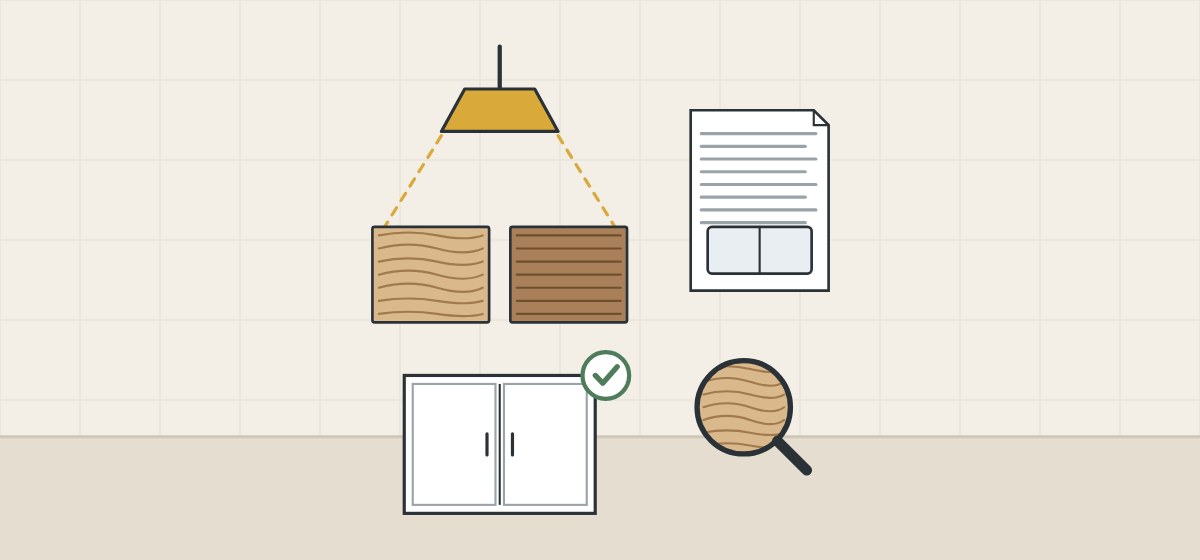
Ask only for what the class requires, but ask before units are built. For equipment approval, FAR 52.236-5 asks for the maker’s name, the model number and performance information, and for samples of materials when directed.
| Evidence | What it can show | What it cannot show |
|---|---|---|
| Written change request | What changes, why, and from which unit | How the new material performs |
| Old and new samples in one light | Visible color, grain or sheen difference | Stability, emissions or wear |
| Maker’s data sheet for the exact model | Stated dimensions and features | Fit in this cabinet |
| Test fit on a production cabinet | That the part fits and works on that unit | Service life |
| Revised drawing and parts list | What was agreed from the effective unit | That production follows it |
| New labeled sample | The reference for the run and reorders | That later units will match |
How do substitutions slip past buyers?
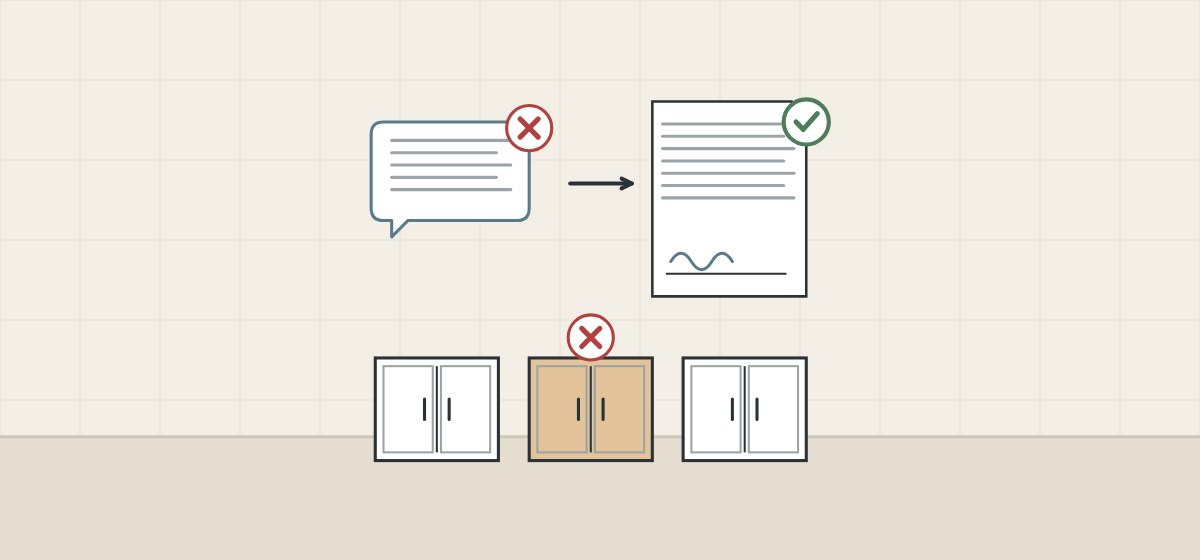
They slip past when approval is informal or records are not updated.
- Approval by a thumbs-up in a chat. Reply in writing, naming the first affected unit and the documents that change.
- The silent swap found at receiving. Put a no-substitution clause in the order and check a first unit against the parts list.
- Old and new material in one room type. Allocate changed units by room type or floor before approving.
- The approved sample never updated. Replace or annotate the sample on the day of approval.
- “Equivalent” meaning only “looks similar”. Ask what it means for this item: dimensions, function, finish, documents.
The one-page approval note
List the item changed, old and new descriptions, the reason, the first affected unit and quantity, the room types receiving changed units, the documents revised, the new approved sample and any price or schedule change. Both sides sign and date it.
What should you send and ask before a quotation?
Substitution control starts in the order, before any request arrives.
| Question | Why it matters |
|---|---|
| Which species, panels, finish and hardware does the order name? | An item the order does not name cannot be controlled. |
| Is substitution allowed only with written approval? | Otherwise the supplier decides what is equal. |
| Who supplies the panels, and what do their labels state? | US and California rules attach to panel type. |
| Which species and country of harvest will be used? | A Lacey Act declaration, where required, names both. |
| Who holds the approved sample? | Reorders are judged against it. |
Include with your request
- Destination market and project type
- Drawing and component parts list
- Named species, panel, finish and hardware
- Room types and quantities
WNS Global confirms any offered product, its materials and commercial terms separately in writing. This guide does not state that WNS Global products use any material named above or hold any certification, listing, label or test result under the rules cited.