From the line to the reorder
What is a component BOM and where do downgrades hide?
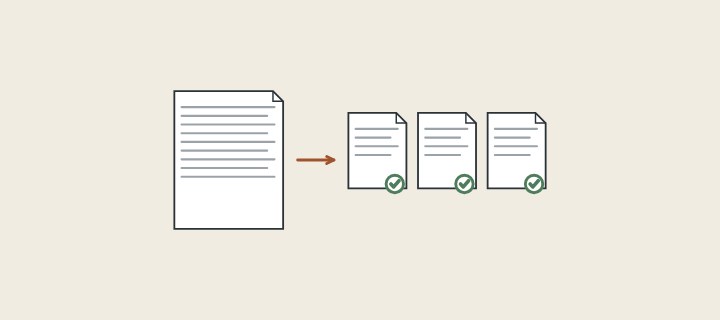
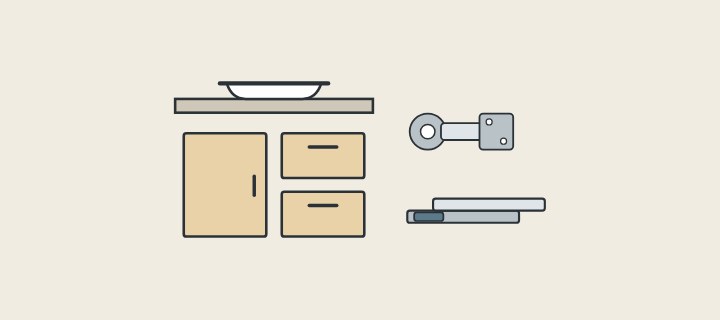
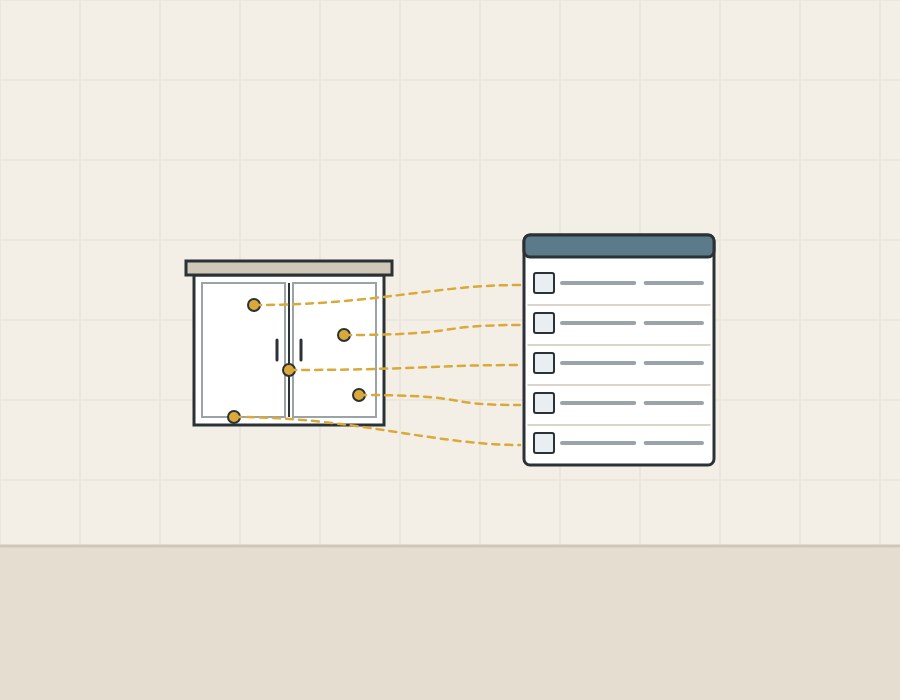
A component BOM lists each part of the vanity on its own line and states what that part is made of. It works as a specification, which ASQ’s quality glossary defines as a document stating the requirements a product must conform to.
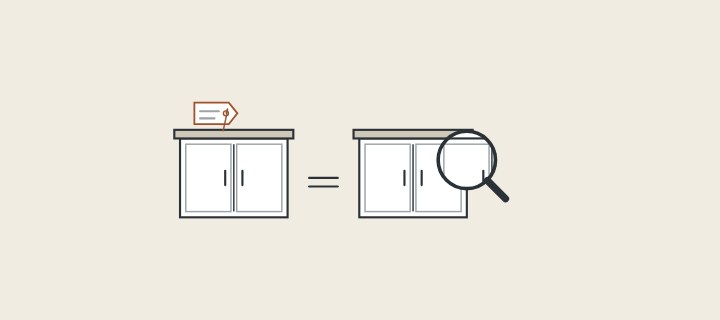
A downgrade is an unreported change to one of those lines: a drawer bottom moves from plywood to hardboard, a runner with integrated soft-close becomes a lookalike with an add-on damper, or the finish loses a coat.
NASA’s Systems Engineering Handbook (section 6.5, configuration management) calls the agreed description of an item at a point in time a baseline, to which changes are addressed. An approved, dated BOM is that baseline for materials.
| Term | What it means |
|---|---|
| Component BOM | This guide: one line per part. |
| Specification | ASQ: a document stating requirements. |
| Baseline | NASA: an agreed description of an item at a point in time. |
| Redline | This guide: a copy of the BOM with each changed line marked. |
What columns does each BOM line need?
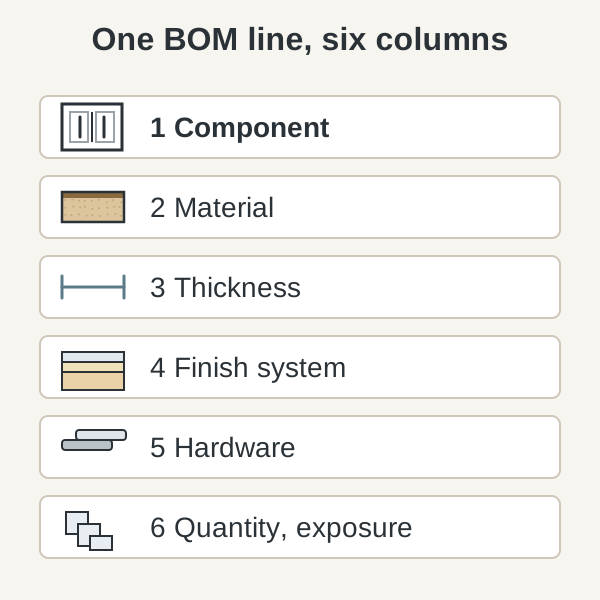
Six columns. The list is this guide’s own template; no standard read here sets BOM columns.
- Component: door frame, drawer bottom, carcass back. Not “door” or “cabinet”.
- Material: your purchase-order wording for solid wood, or the panel product and grade. Not “wood” or “board”.
- Thickness: “as drawn”, pointing to the drawing section. Not blank.
- Finish system: stain, sealer and topcoat by product name, sheen, faces coated. Not “paint” alone.
- Hardware: maker, series, part number, finish, function. Not “soft-close” or “or equivalent”.
- Quantity and exposure: per unit; visible or hidden.
Prices, margins and cutting sizes stay out.
How should panel materials be named on a BOM line?
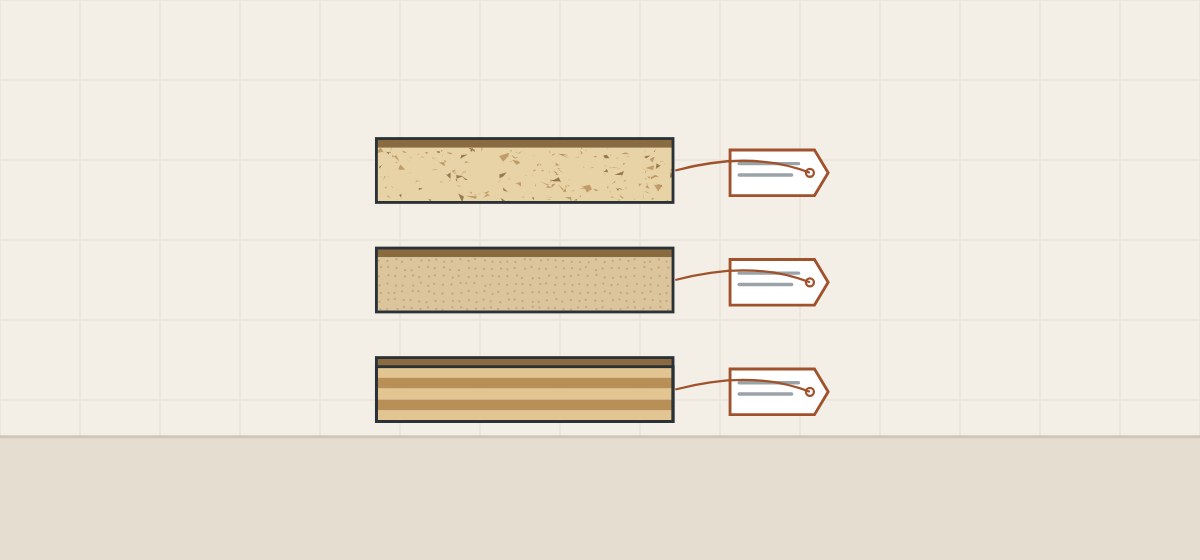
Name the panel product, then the grade or designation its standard uses.
| Panel product | What the source says is identified |
|---|---|
| Particleboard | CPA: ANSI A208.1 classifies it by physical, mechanical and dimensional characteristics and formaldehyde levels. |
| MDF | CPA: ANSI A208.2 classifies MDF by physical and mechanical properties and identifies product grades. |
| Hardwood plywood grades | ANSI/HPVA HP-1-2024: face grades AA to E plus Rustic and Specialty, back grades 1 to 4, inner ply grades J to M. |
| Hardwood plywood type and core | HP-1-2024: Technical, Type I or Type II; cores include veneer, lumber, particleboard, MDF and hardboard. |
CPA says MDF is made with various physical properties and particleboard with a wide range of them, so either word alone leaves the grade open. HP-1-2024 says panels “shall be identified by the veneer species and grade of the face”.
What do formaldehyde labels and records identify?
They name a responsible company, normally the panel producer or the fabricator, and carry a compliance statement. Under TSCA Title VI the EPA regulates hardwood plywood, MDF and particleboard. The EPA says finished goods produced in or imported into the United States after March 22, 2019 must carry a label with the finished-good contents listed below. CARB says a distributor or importer may relabel with its own company name if the other required information is kept.
| Item | Source | What it must show |
|---|---|---|
| Panel label | EPA | Panel producer’s name, lot number, third-party certifier number, compliance statement. |
| Finished-good label | EPA | Fabricator’s name, production date (month/year), compliance statement. |
| Importer records | EPA stakeholder FAQ | Bills of lading, invoices or like documents with a compliance statement, kept three years. |
| California label | CARB | Fabricator’s name, production date, statement of compliance with its rule. |
Panel grade and species are not among those listed contents, so the BOM has to carry them. The EPA’s stakeholder FAQ lists hardboard as not covered, so a line that changes from hardwood plywood to hardboard changes more than cost. Confirm with the authority which goods a rule covers.
How do hardware makers identify a runner or hinge?
By series and part number. Two makers’ documents show why “soft-close runner” does not identify a part:
Blum MOVENTO runners
Blum’s catalogue page lists the 760H and 766H series with a separate part number for each nominal length, and says BLUMOTION S soft closing is integrated in them.
Hettich Sensys hinges
Hettich’s Sensys brochure lists Sensys 8645i with integrated Silent System, Sensys 8645 without Silent System but with self closing, and Sensys 8675 with neither. For the 8645i, Hettich gives separate order numbers by door mounting, cup assembly and pack size.
Accessories
Blum lists the MOVENTO locking device under its own part number. Hettich lists Sensys mounting plates in a separate section with their own ordering information.
- Maker and series
- Part or order number
- Nominal length or opening angle
- Function and finish
- Each accessory on its own line
How should a finish be named on the BOM?
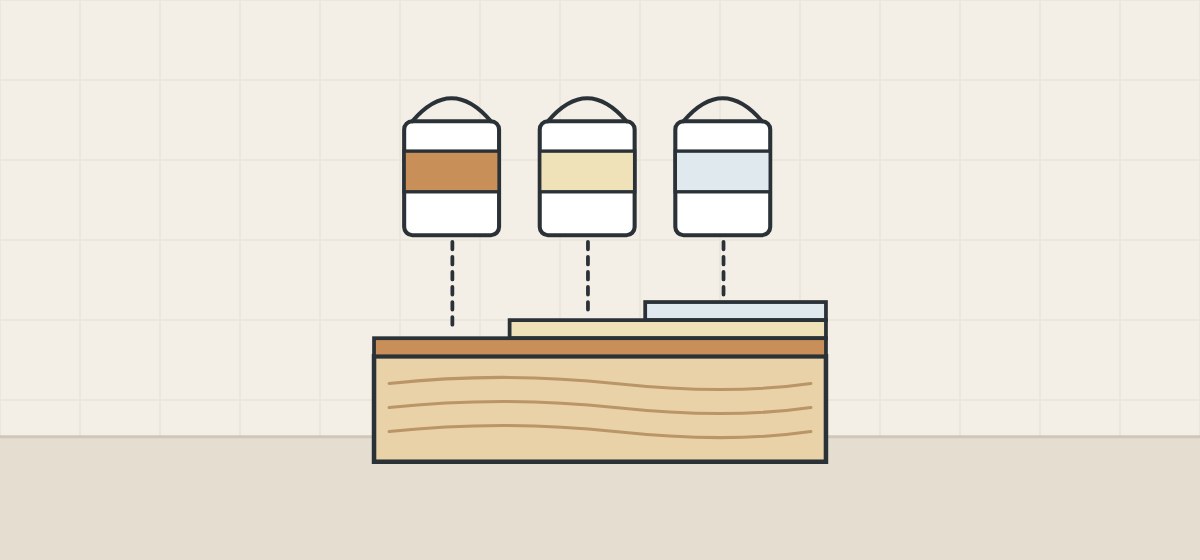
As a system: each product by its maker’s name, plus sheen and the faces coated. Two sources show why:
A claim can depend on the layer beneath
Sherwin-Williams describes its Sher-Wood Kemvar Plus Conversion Varnish as a catalyzed, high-solids opaque finishing system for wood, and says it meets KCMA test requirements when used over two surfacers it names. So name the surfacer as well as the topcoat.
Cabinet finish tests exist
KCMA’s article on ANSI/KCMA A161.1 describes four finish tests: a hot box, a hot-then-cold test, exposure to substances such as vinegar and coffee, and detergent on a door edge. Ask which test, if any, a finish claim refers to.
These are examples, not recommendations; no test result is implied for any vanity.
What can a signed BOM settle, and what can it not?
A signed BOM settles what the supplier declares, not what was delivered. NASA’s handbook describes verification as inspecting documents, products and records. Hidden lines need a physical check, such as an agreed cut sample taken at the first article inspection.
| Evidence | Can establish | Cannot establish |
|---|---|---|
| Dated, price-free BOM | What the supplier declares | That delivered units follow it |
| Maker’s data sheet for the part number | The maker’s stated features | Anything about a different part |
| Redline, or written “unchanged” | Which lines the supplier says changed | Changes nobody reported |
| First-unit check | Visible parts and hardware codes | Cores, species, coatings; other units |
| BOM version on the packing list | Which version the supplier says it shipped | What is inside each carton |
| Close photo of a code or panel edge | What that photo shows | What lies under veneer or paint |
How is the BOM used from quotation to reorder?
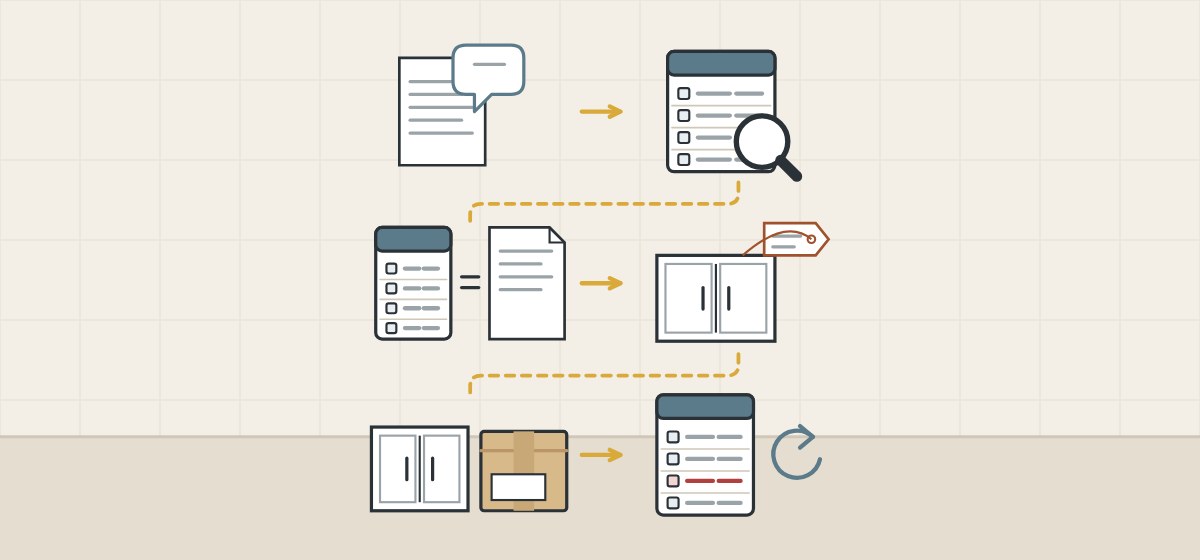
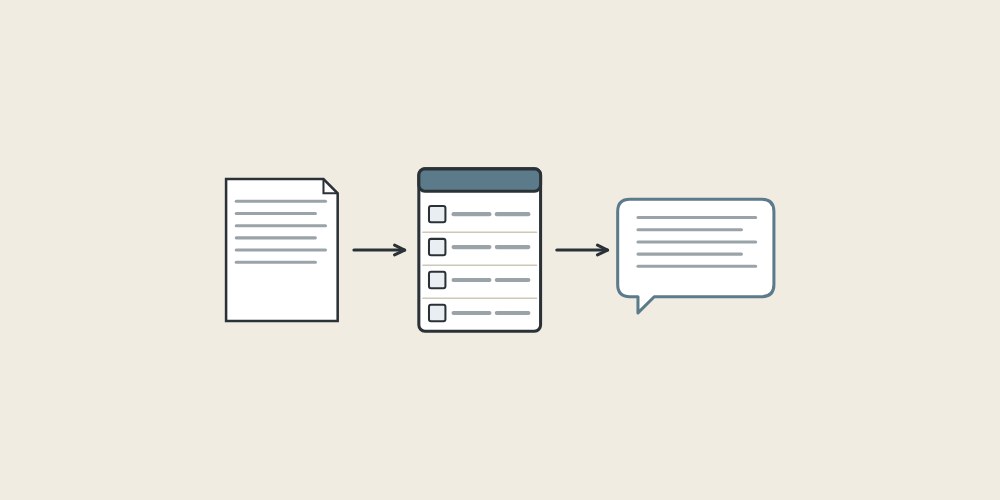
The BOM is used at six points. These steps are procurement guidance.
- Request it with the quotation. No prices. If refused, ask for a component schedule on the drawing and a signed material declaration.
- Test the depth of every line. Drawer bottoms, backs, shelves, trims and packaging each get a line. Return category-only lines.
- Reconcile it with the drawing. Drawing governs dimensions, BOM governs materials, finishes and hardware, sample governs appearance. Add a version and date.
- Lock it to the approved sample. Cite the BOM version on the sample label and in the order. If the sample differs from a line, correct one of them.
- Compare at first unit and shipment. Check visible lines and hardware carton codes; ask for the BOM version on the packing list. Treat a difference as a material substitution.
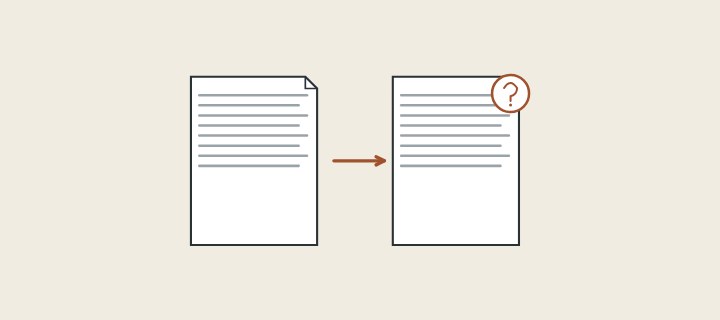
- Re-confirm before every reorder. Require written “unchanged”, or a redline with the reason and first affected unit for each changed line.
Habits that let cheaper parts slip through
Asking for a “cost breakdown” instead of a material list. Accepting “solid wood”, “MDF” or “PU paint” as a line. Leaving the BOM version out of the order. Listing visible parts only. Comparing quotes whose BOMs differ in depth.
What should you send and ask before a quotation?
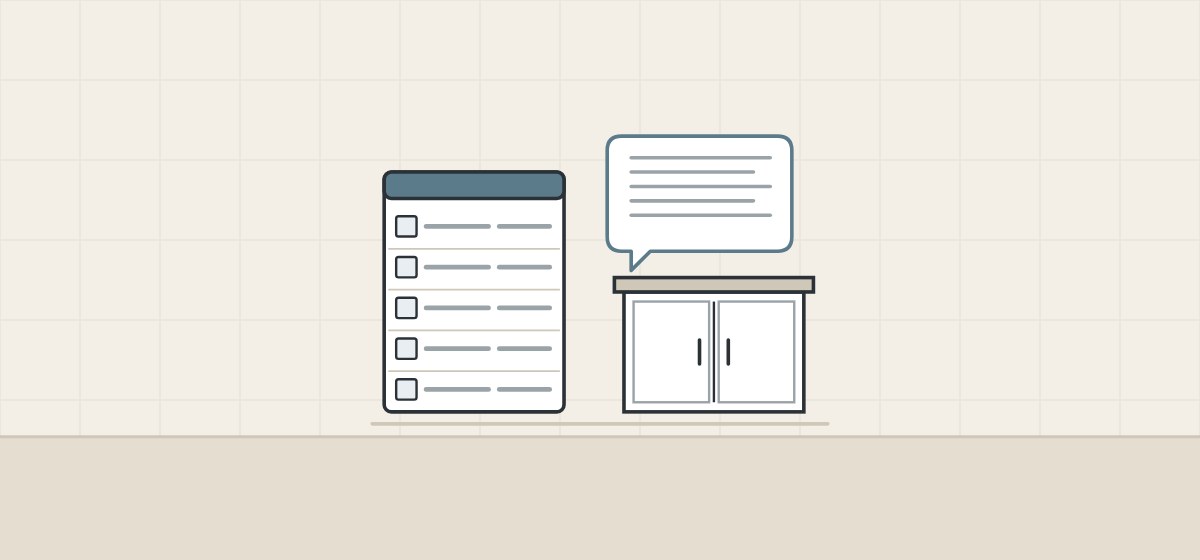
Before a quotation, ask:
| Question | Why it matters |
|---|---|
| Will you supply a price-free component BOM? | It is the baseline for every later check. |
| Which panel product and grade is each part? | “MDF” alone leaves the grade open. |
| Which maker and part number is each hardware item? | Blum and Hettich number each variant. |
| Which products make up the finish system? | A claim can depend on the layer beneath. |
| How will changes be reported before a reorder? | A redline shows them. |
Include with your request
- Drawing with section references
- Your BOM template with the six columns
- Destination market and labelling rules to confirm
WNS Global confirms any offered vanity, its materials, hardware, finish and terms separately in writing. This guide does not state that WNS Global products use the named panels, hardware or coatings, or carry any grade, label, certification or listing named above.