From runner to first unit
What is a vanity drawer box made of?
A drawer box is its sides, sub front, back and bottom; the visible front is a separate part. The Section 10 guide of the 2014 Architectural Woodwork Standards, 2nd Edition, lists those four as semi-exposed surfaces, seen only when a door or drawer is opened. Its publishers have since issued ANSI/AWI 0641 and NAAWS.
Plywood is one route: Columbia Forest Products sells drawer sides in five-ply veneer-core maple plywood with a clear UV finish. Metal is another: Hettich’s AvanTech YOU catalogue shows a 13 mm powder-coated steel side profile with bottom and rear panels cut to size.
ANSI/AWI 0641-2019 names grades, not species. Its material section asks for Custom Grade solid wood under AWI 300, or veneer of at least ANSI/HPVA HP-1 Grade C, when those are used for drawer boxes.
| Term | What it means |
|---|---|
| Bottom recess | Height of the bottom above the lower edge of the sides. |
| Side space | Accuride’s term for the gap beside the box. |
| Locking device | Blum’s part that engages the runner. |
How does the runner decide the box?
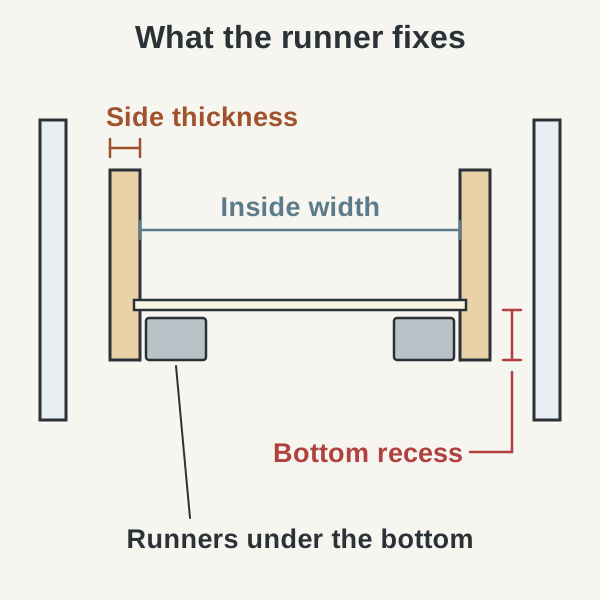
The runner’s document gives the box its side thickness, width, bottom position and rear machining; Blum’s 563H instructions show how. Every figure below is Blum’s, for that runner only.
- Pick the runner length; a table pairs each with a drawer length.
- Keep the drawer side at or under 16 mm (5/8 in).
- Make the inside drawer width the opening width minus 42 mm.
- Recess the bottom 13 mm (1/2 in).
- Cut a rear notch of at least 35 mm and bore Ø6 x 10 for the hook, as drawn.
- Limit drawer height to the opening minus 20 mm.
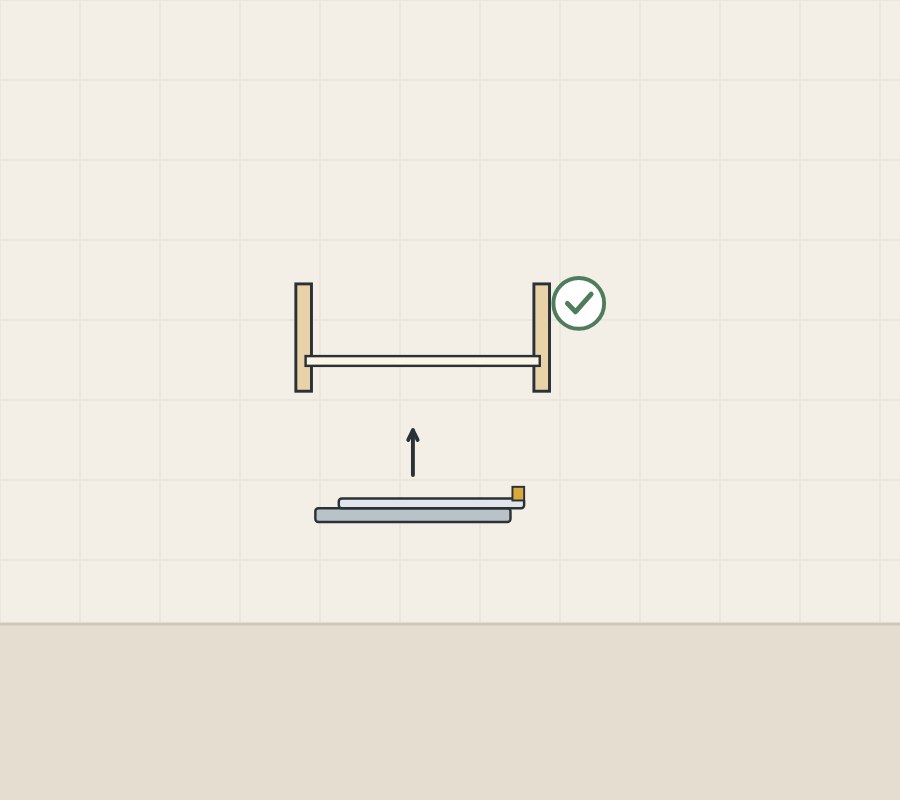
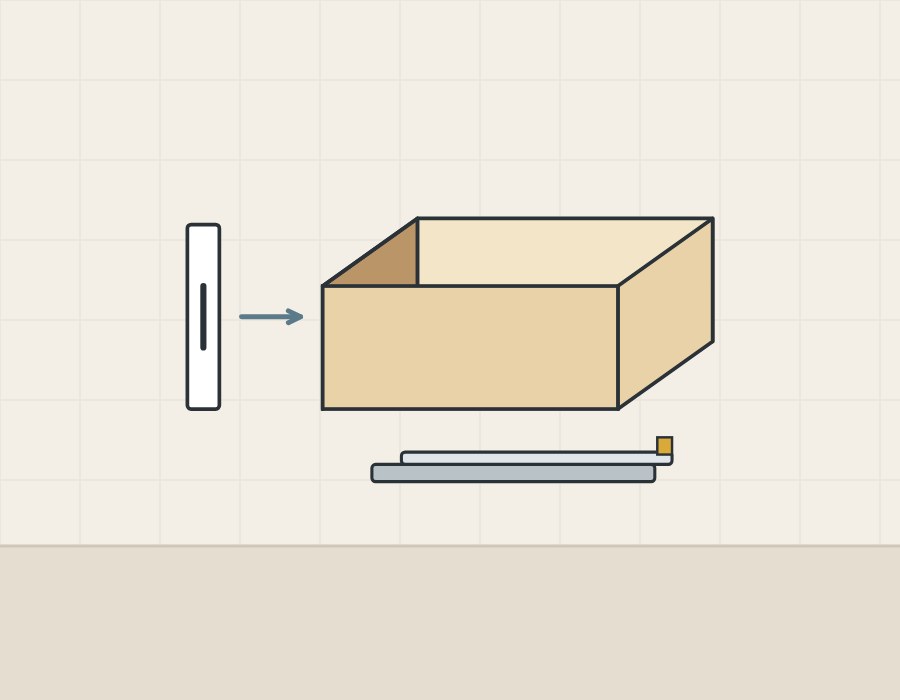
To fit the drawer, Blum says to extend the runners, place the drawer on them and close it; the locking devices then engage automatically.
What box dimensions do concealed-runner documents give?
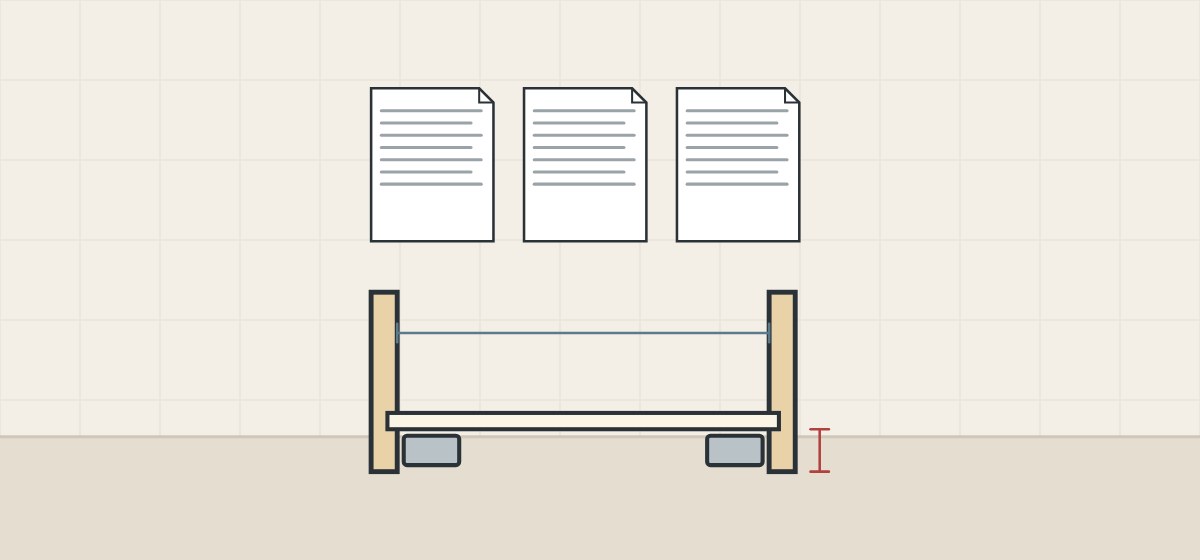
Each document prints its own figures. Three examples, each from the maker’s document for the named runner:
| Document | Bottom recess | Inside drawer width |
|---|---|---|
| Blum 563H/563 instructions | 13 mm (1/2 in) | Opening width minus 42 mm |
| Knape & Vogt MUVAB instructions | At most 12.7 mm (1/2 in) | Cabinet opening width minus 42 mm |
| Salice Futura catalogue | Not stated in text; see its drawing | 42 mm less than the cabinet’s internal width |
Side material differs too: Blum gives a 16 mm maximum, and Knape & Vogt lists 1/2, 9/16 and 5/8 in. Copy the figures from the document for the runner actually ordered.
How much side space do side-mounted slides need?
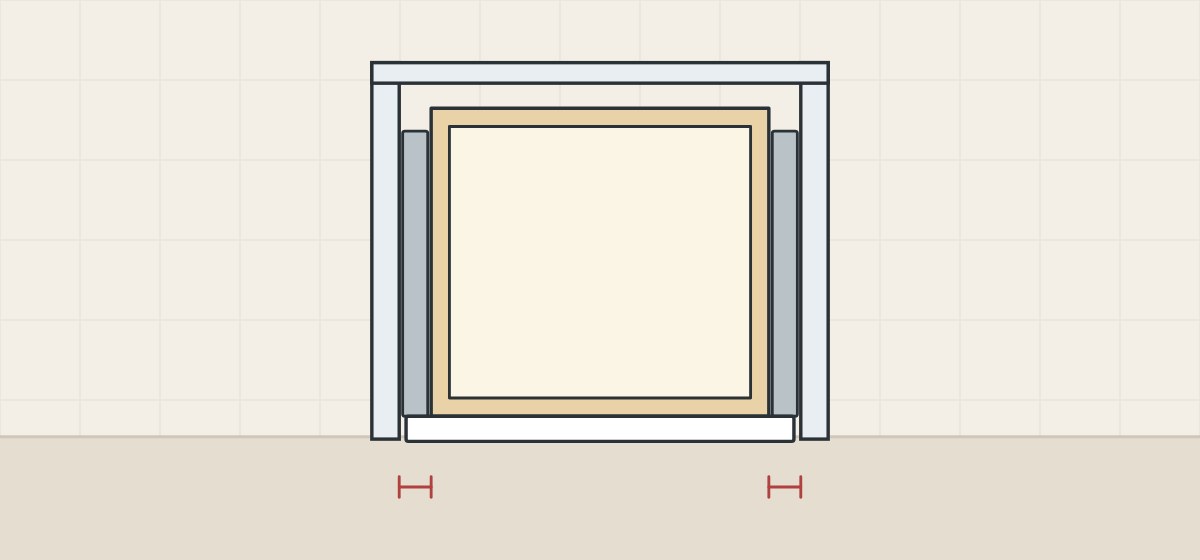
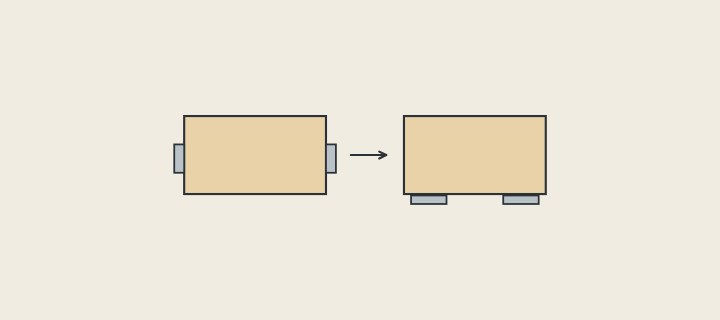
A side-mounted slide needs a gap between box and cabinet side, so the box is narrower than the opening. Two makers’ figures:
| Document | Space per side | Other figure |
|---|---|---|
| Accuride 3832EC quick reference | 0.50 in, plus up to 0.031 in | Build the drawer 1-1/16 in less than the opening |
| Hettich KA brochure: KA 5632, KA 4932 | 12.7 mm (1/2 in) installation width | Drawing also carries an unlabelled ≥ 12.7 mm (1/2 in) |
| Hettich KA brochure: KA 4620 | 19 mm (3/4 in) installation width | Drawing carries an unlabelled ≥ 16 mm (5/8 in) |
Accuride warns that the 3832EC will not function properly with less than 0.50 in of side space, and says drawer box width should not exceed slide length.
Which joints and bottom fixings are used?
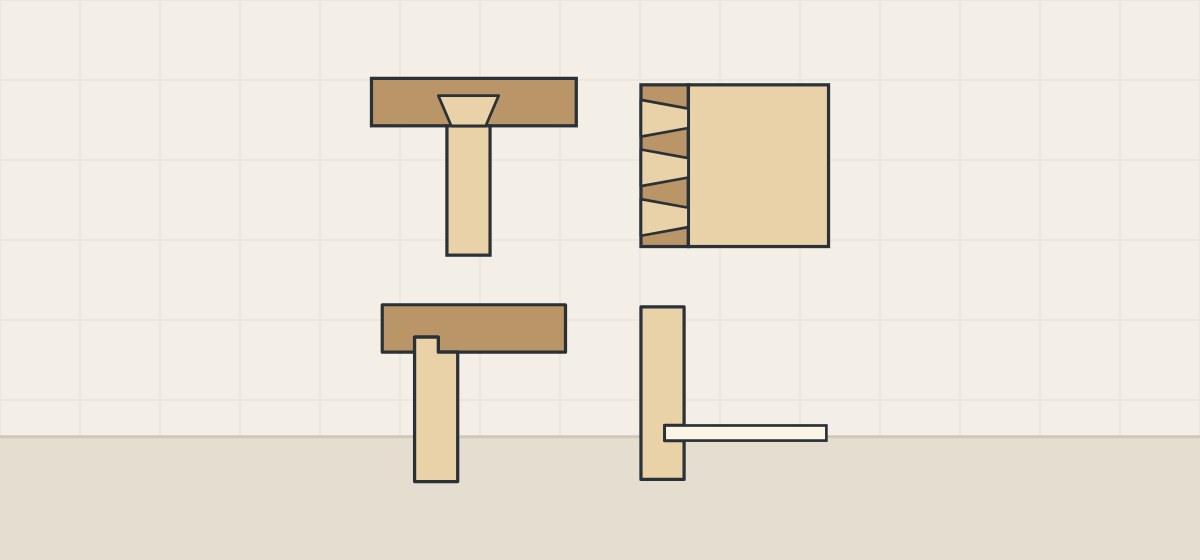
The 2014 Section 10 guide describes three drawer joints, paraphrased here, and two makers’ documents show how a bottom is held:
French dovetail
For side-to-front joints where the front hides metal extension slides or overlays the case.
Conventional dovetail
Described as the traditional joint between sides and fronts or backs; usually kept to flush or lipped drawers.
Drawer lock joint
A further side-to-front joint, mostly for flush drawers, adaptable to lipped or overlay ones.
Bottom in a groove
Columbia Forest Products sells drawer sides with a 1/4 in groove on one side to accept the bottom. Hettich says its KA runners suit drawers with a grooved, rebated or flush bottom panel.
- Joint at front and back
- Bottom material and thickness
- How the bottom is held: grooved, rebated or flush
What do trade standards test on a drawer?
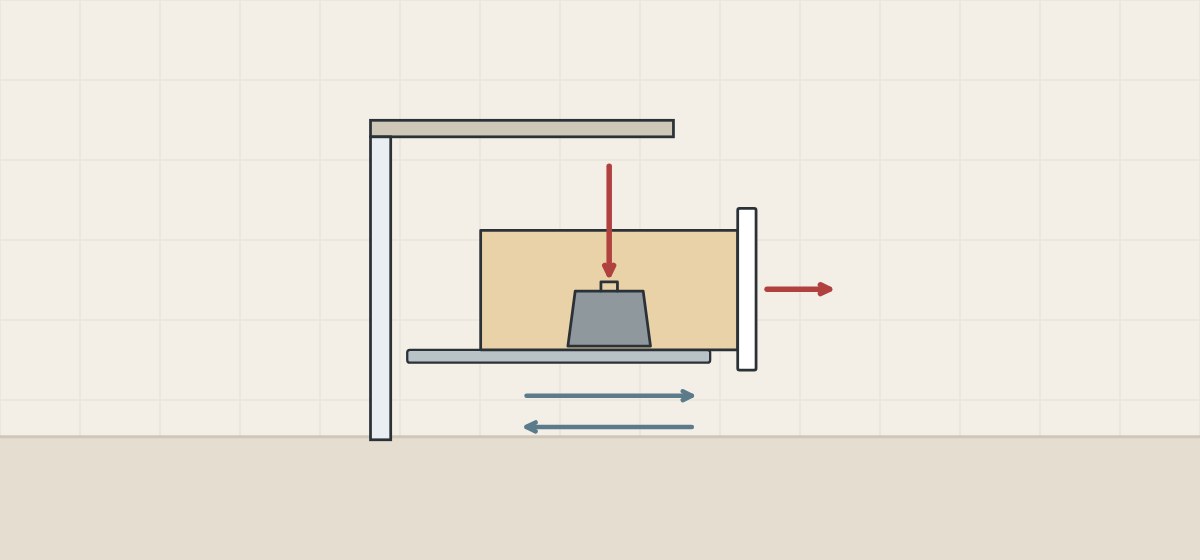
ANSI/AWI 0641-2019, KCMA A161.1 and NAAWS each include drawer tests. They apply to a vanity order only if the contract names them:
ANSI/AWI 0641-2019
Its structural section sets minimum forces for a drawer bottom compression test (AWI DB-1) and a drawer front tension test (AWI DF-1): 300 lbf for DF-1 at Duty Level 3.
What the loads mean
AWI states that these values belong to laboratory tests and do not suggest service loads or normal usage loads.
KCMA A161.1
An article on KCMA’s site says drawers are loaded at 15 lb per square foot and operated through 25,000 cycles; bottoms must not deflect enough to interfere with operation.
NAAWS 5.0
Its integrity testing page lists Test 10.03, Drawer Box Joinery: a functional and proof load evaluation of bottom and front joinery.
ANSI/AWI 0641-2019 also requires solid wood or veneer drawer boxes to be finished.
How are the trap cut-out and the front handled?
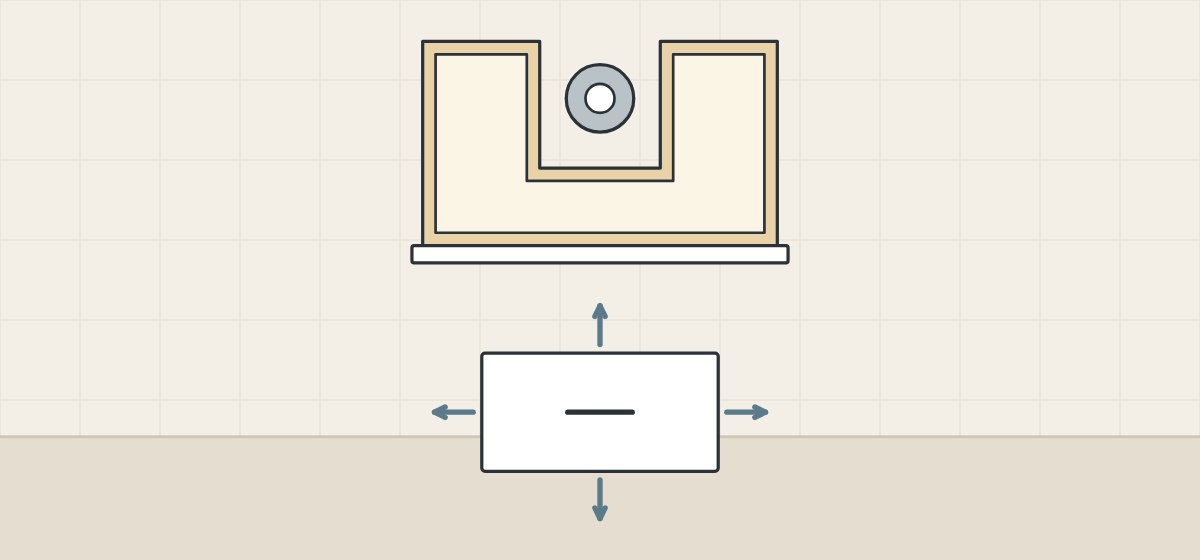
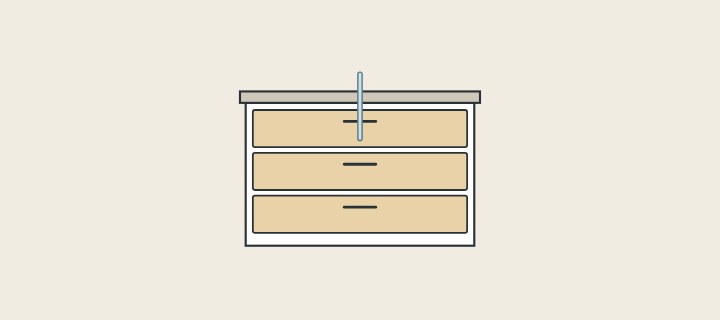
A drawer under a basin wraps round the drain, stops short of it or gives way to a door. What makers publish on that and on aligning the front:
| Source | What it says |
|---|---|
| Blum sink cabinet page | A U-shaped sink drawer uses the space left and right of the sink. Written for kitchen sink cabinets; no dimensions. |
| Blum 563H/563 instructions | Tool-free: front rise up to 3 mm, 1.5 mm left or right, back rise up to 5 mm. |
| Hettich Actro 5D (AvanTech YOU) | Vertical up to +3 mm, lateral ±1.5 mm, tilt +4 mm. |
| Knape & Vogt MUVAB instructions | Three release-lever versions: height only; height and side; height, side and in/out. |
| Salice Futura catalogue | Three-way clip aligns drawers with each other and the cabinet. |
How should a buyer write the drawer schedule?
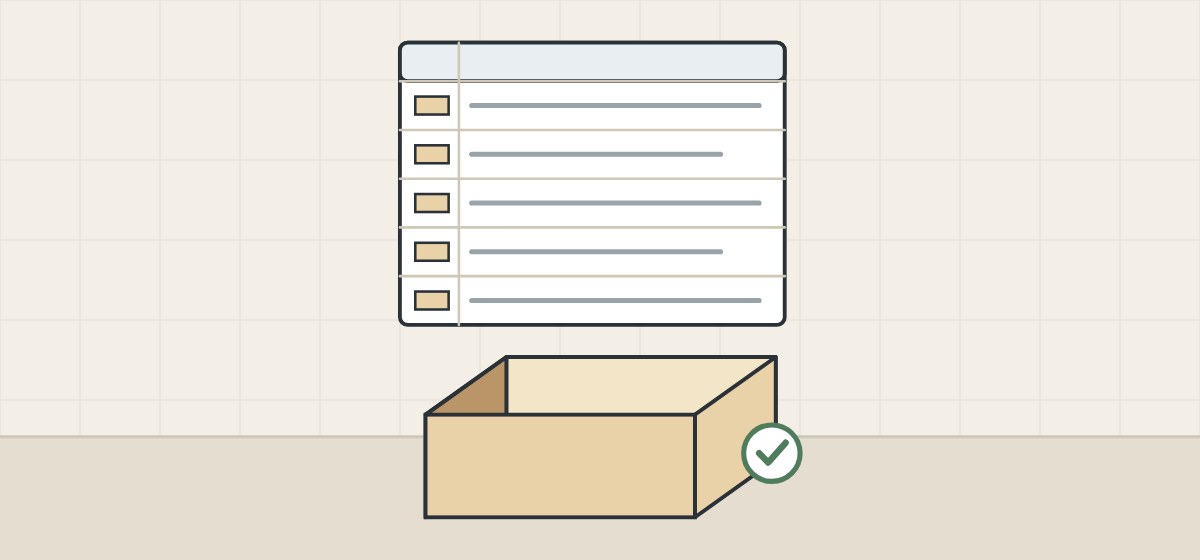
Write one line per drawer. These steps are procurement guidance.
- Name the runner first. Maker, model and length; one model per drawer size.
- Choose the box type. Solid timber, plywood or metal-sided; disclose a panel bottom.
- Take sizes from the runner document. Side thickness, width, recess, rear machining or side space.
- Record joints and bottom. Front joint, back joint, bottom material and how it is held.
- Draw the trap. Mark the drain position; show a U-shaped, shallow or omitted drawer.
- State front fixing and adjustment. Which directions remain adjustable after installation.
- Finish and spares. Interior finish, and spare runners of the same model.
Checking the first unit
Ask for a video of every drawer opened fully and closed, the gaps round each front, and one drawer removed and turned over. This shows fit on a new cabinet, not service life; cycle and load figures belong to the runner maker’s data.
What should you send and ask before a quotation?
Each question maps to a point earlier in this guide.
| Question | Why it matters |
|---|---|
| Which runner maker, model and length? | “Soft-close” alone does not fix the box. |
| Does the box follow that runner’s document? | Recess and width are printed per runner. |
| What are the sides, back and bottom made of? | ANSI/AWI 0641-2019 leaves it to the maker, within limits. |
| Which joints, and how is the bottom held? | Grooved, rebated and flush bottoms exist. |
| How does the drawer clear the trap? | Settle it on the drawing, not on site. |
| Which front adjustments remain? | They differ by runner. |
Include with your request
- Cabinet drawing with drawer openings
- Waste and supply positions
- Runner type or model
- Any standard the contract names
- Quantity and spares
WNS Global confirms any offered vanity, drawer construction, runner and commercial terms separately in writing. This guide does not state that WNS Global products use the named runners or materials, have the quoted dimensions, or are tested or listed to any standard named above.