
Procurement guidance

FCL vs LCL vs Air Freight for Bathroom Fixture Imports

Full Container Load, Less than Container Load and air freight move cargo under three different pricing and handling logics, and the right choice depends on order volume, urgency and how fragile the cargo is, not on which option sounds fastest or cheapest in isolation. Choosing the wrong mode for a given order size is one of the more avoidable ways a bathroom fixture shipment ends up costing more, arriving later, or arriving damaged than it needed to.

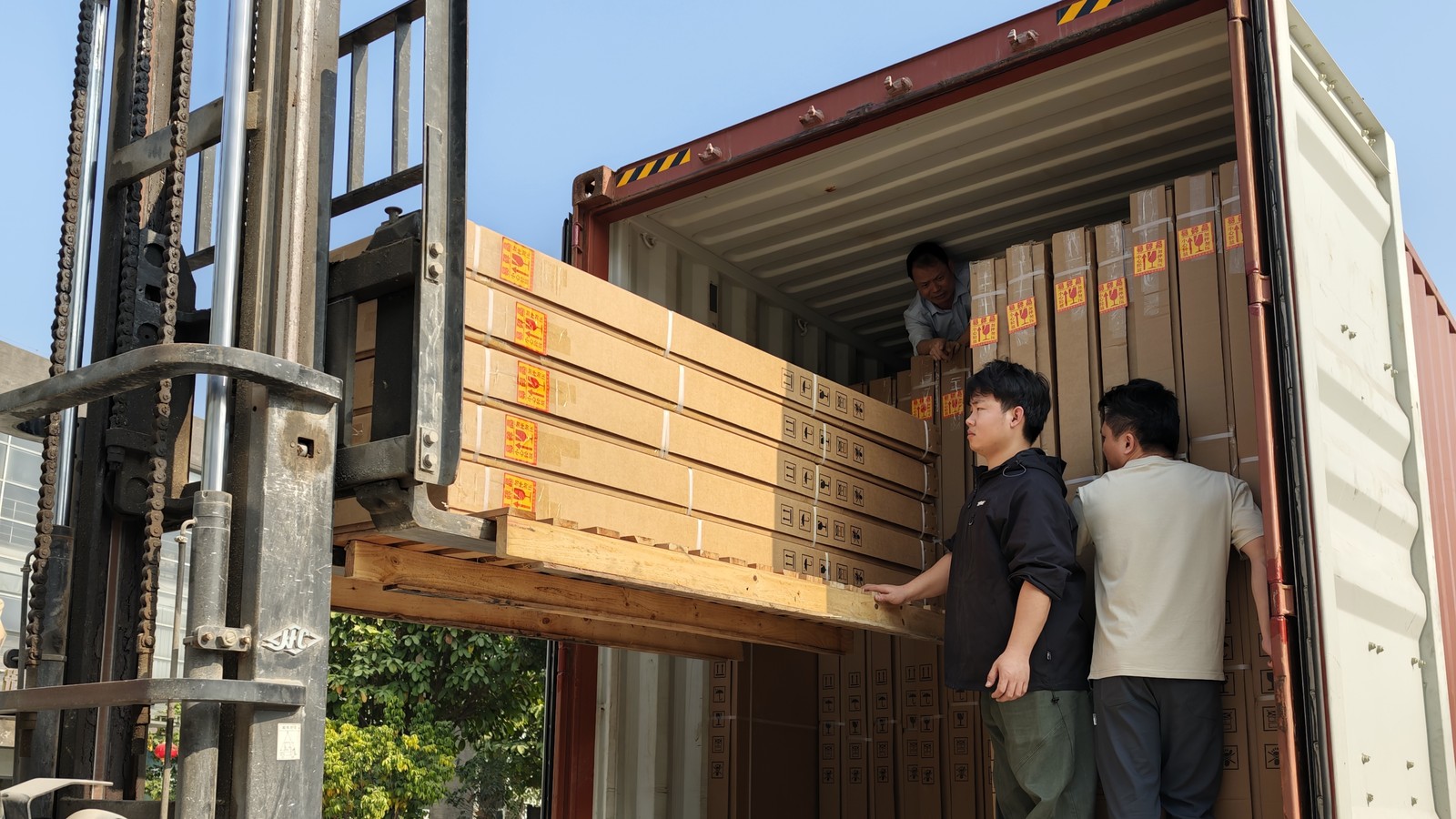
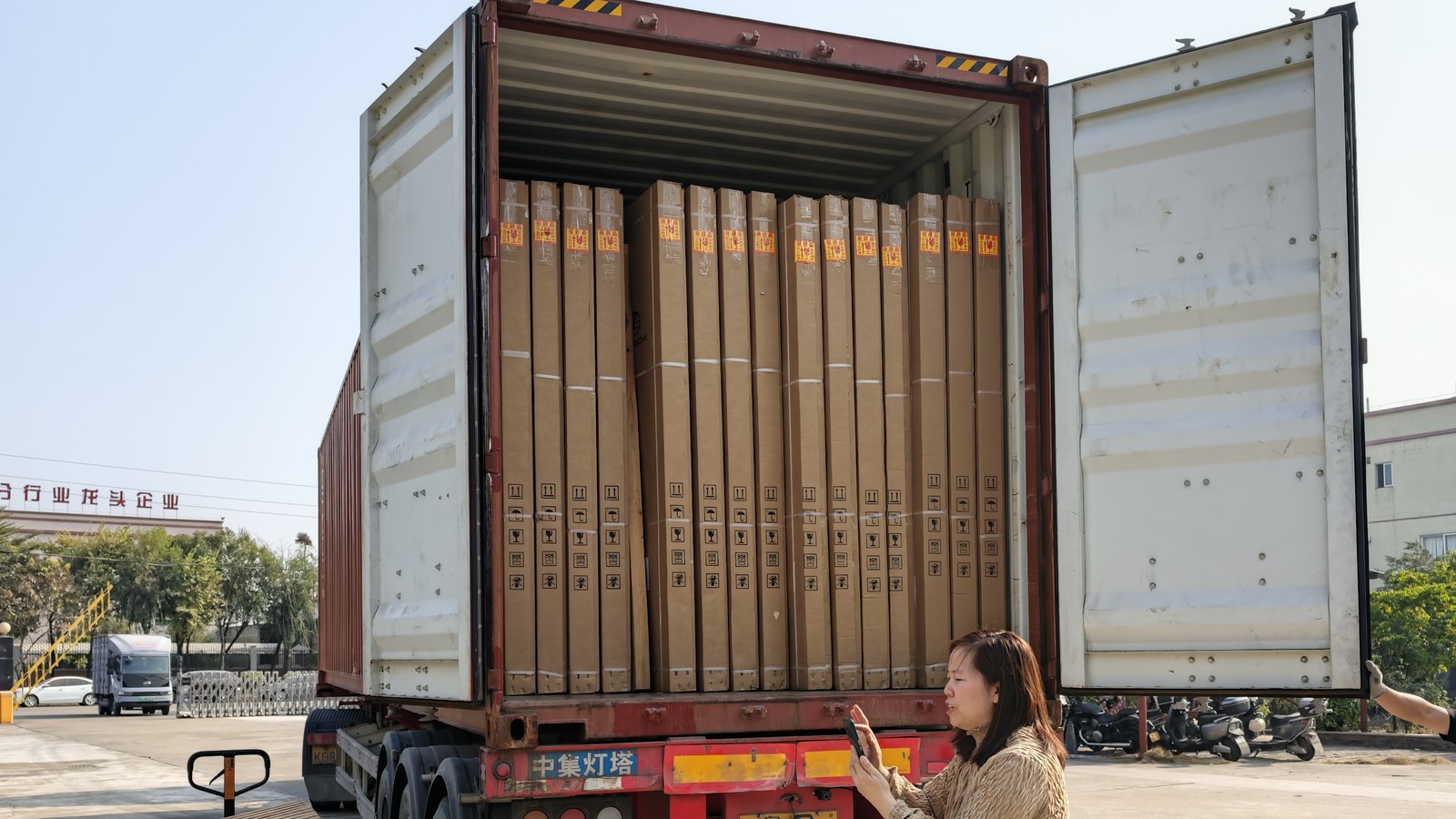
Export cartons packed into a shipping container at the WNS Global factory

The short answer

Quick Reference

Point 01
FCL: one shipper books an entire container, exclusively, at a flat rate.
Point 02
LCL: multiple shippers' cargo is consolidated into one container by volume or weight.
Point 03
Air freight is billed on chargeable weight — the greater of actual or volumetric weight.
Point 04
LCL's extra handling adds real damage risk for fragile fixtures if packaging is not built for it.
Point 05
Air freight rarely suits full bathroom fixture orders; it usually fits samples or urgent shortfalls.
Workers loading long bathtub cartons into a shipping container for export

Start here

Three Different Pricing Logics, Not Three Speeds of the Same Thing

FCL and LCL are both sea freight, and both are billed and handled differently from air freight, which uses its own weight-based pricing model entirely. Comparing them by "which is cheapest" or "which is fastest" without accounting for order volume and cargo fragility tends to produce a comparison that does not hold up once an actual order is booked.

  • Volume: how much cargo, measured in cubic meters (CBM) and weight, needs to move
  • Handling: how many times cargo is touched between factory and destination
  • Urgency: whether the shipment is a full order on a normal timeline or something time-sensitive
  • Fragility: how much extra handling a given product can tolerate before damage risk rises

FCL: Full Container Load
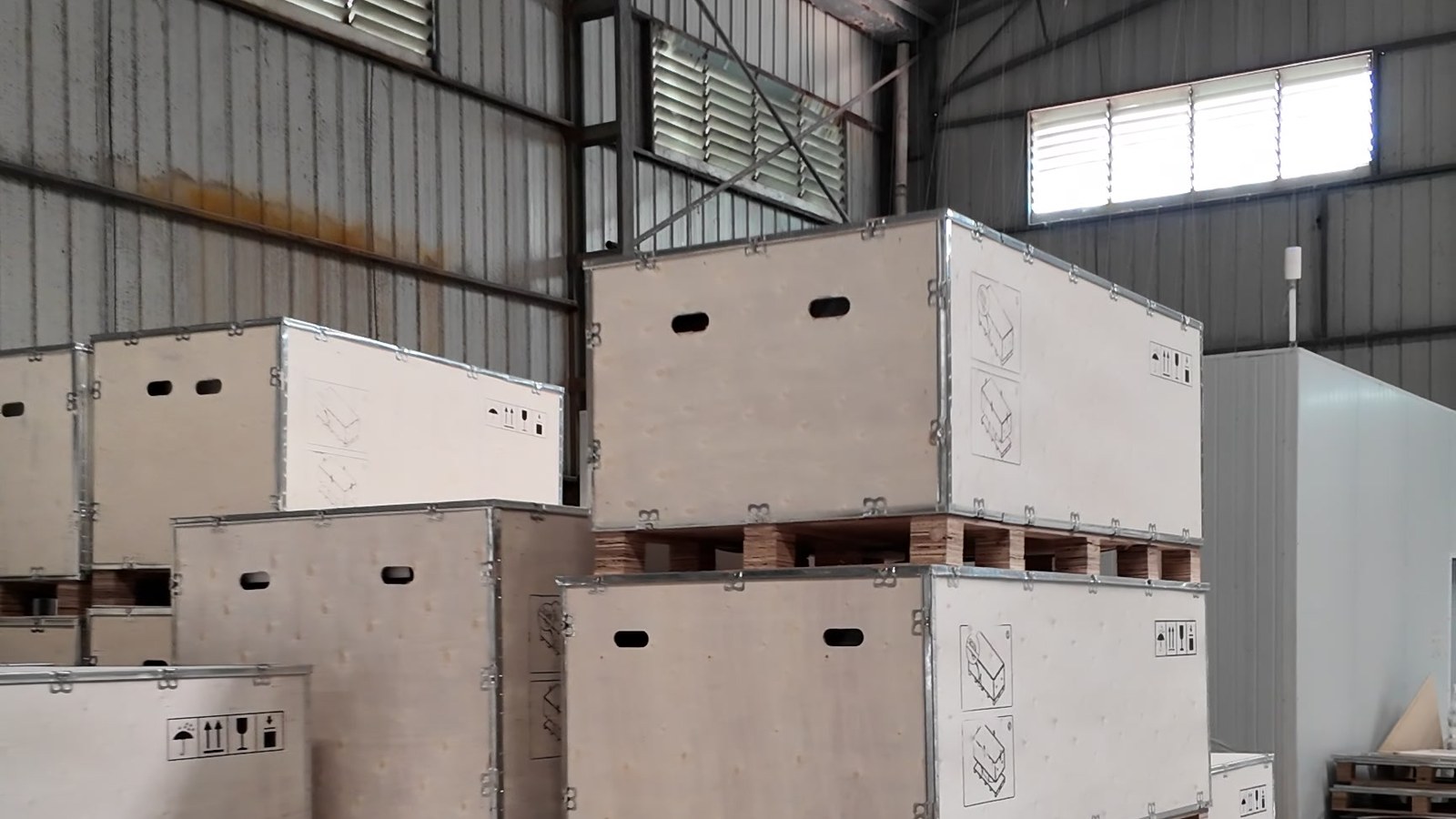
Timber crates stacked in the warehouse ready for loading

Under FCL, a single shipper books an entire container, most commonly a 20-foot, 40-foot or 40-foot high-cube unit, for exclusive use. The container is loaded at or near the exporter's own facility, sealed, and moved directly to the destination port without being opened or combined with other shippers' cargo along the way.

Because the container is exclusive to one shipper, FCL cargo is generally handled less between origin and destination than LCL cargo, which reduces the number of points where damage can occur. Pricing is a flat rate per container regardless of how full it is, so the per-unit cost falls as the container is loaded closer to its practical capacity.

  • Exclusive use of the container; no other shipper's cargo mixed in
  • Sealed at origin, opened at destination, minimal intermediate handling
  • Flat rate per container; per-unit cost improves as loading approaches capacity
  • Best suited to orders large enough to fill, or nearly fill, a container
  • Standard container sizes: 20ft, 40ft and 40ft high-cube

LCL: Less than Container Load
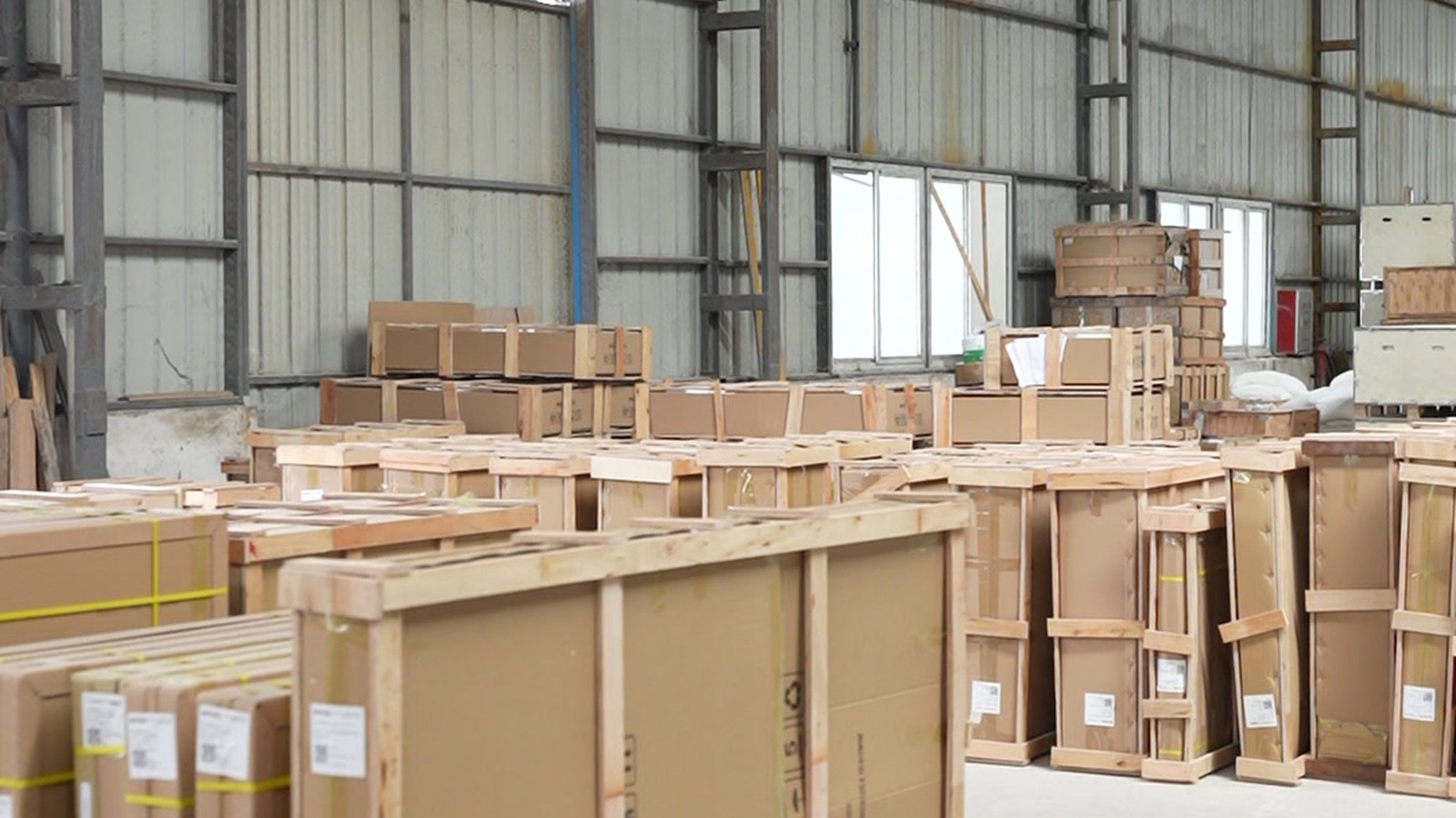
Wooden crates and export cartons prepared in the WNS Global packing warehouse

LCL is built for shipments too small to justify booking a full container. A freight forwarder consolidates cargo from multiple shippers into one container at a container freight station (CFS), and each shipper pays for the volume or weight they actually use rather than for the whole container.

The trade-off is handling. LCL cargo is loaded into the consolidation container at the CFS, then unloaded and sorted again at a CFS on arrival before final delivery, adding at least two handling steps that an FCL shipment does not go through. For bathroom fixtures such as solid surface bathtubs, mirrors or glass shower panels, each additional handling step is an additional opportunity for damage, which makes export-grade packaging specifically built for LCL handling more important than it might be for an FCL shipment of the same product.

  • Multiple shippers' cargo consolidated into one container by a forwarder
  • Pays for volume or weight used, not the full container
  • Consolidated and deconsolidated at container freight stations on both ends
  • More handling steps than FCL, raising damage risk for fragile cargo
  • Suits smaller orders or mixed-SKU shipments not large enough for FCL

Air Freight and Chargeable Weight
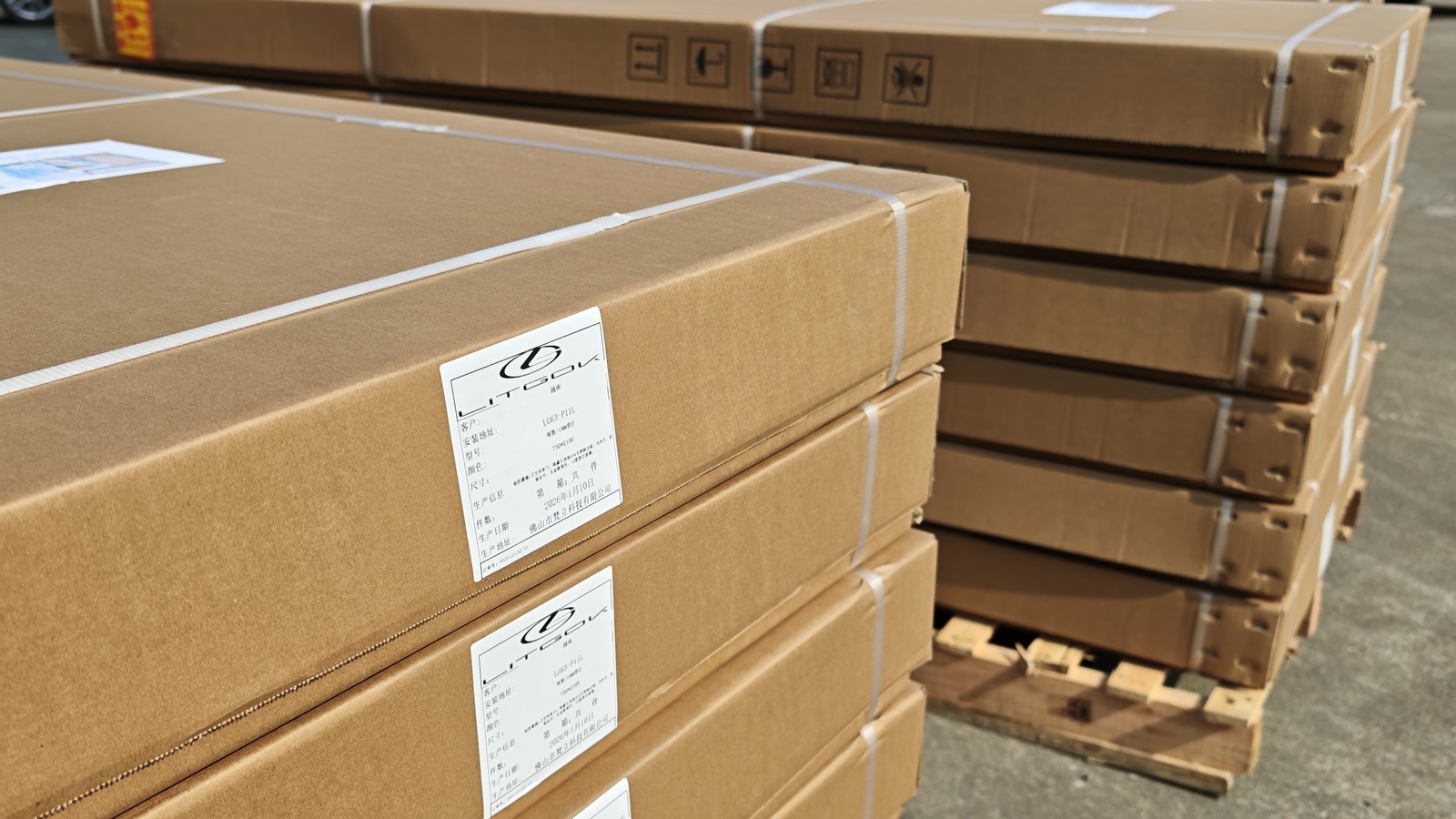
Close view of export cartons with a shipping label on each package

Air freight is priced on chargeable weight, which is the greater of a shipment's actual weight and its volumetric weight. Volumetric weight is calculated under the IATA standard metric formula as length × width × height in centimeters, divided by 6,000. A shipment that is bulky but light is billed on its volumetric weight rather than its actual weight, and a shipment that is dense and heavy is billed on its actual weight.

This pricing model works against bulky, heavy bathroom fixtures. Solid wood vanities, solid surface bathtubs and packaged shower enclosures are comparatively heavy and bulky relative to their per-unit value, so their chargeable weight under the volumetric formula tends to be high, which usually makes air freight cost-prohibitive for a full order. Air freight is far more commonly used for samples, spare parts, or a small, time-sensitive replacement shipment, moved separately from the bulk of an order traveling by sea.

  • Billed on chargeable weight: the greater of actual weight and volumetric weight
  • Volumetric weight (kg) = length × width × height in cm ÷ 6,000 (IATA metric standard)
  • Bulky, heavy fixtures usually make air freight cost-prohibitive at full-order scale
  • Commonly used for samples, spare parts, or urgent partial shipments
  • Fastest transit time of the three options, at the highest per-kilogram cost

Choosing Between Them

None of the three modes is universally correct; the right choice follows from the shipment's own volume, urgency and fragility rather than a fixed rule.

Comparison of FCL, LCL and air freight for bathroom fixture imports
ComparisonFCLLCLAir freight
Best suited toFull or near-full container ordersSmaller or mixed-SKU ordersSamples, spare parts, urgent shortfalls
Pricing basisFlat rate per containerVolume or weight usedChargeable weight (actual vs. volumetric)
Handling stepsMinimal; sealed at originConsolidated and deconsolidated at CFSAirport handling, generally fewer touches than LCL
Relative transit timeStandard sea transitStandard sea transit, plus CFS schedulingFastest of the three
Damage risk for fragile cargoLower, due to fewer handling stepsHigher without LCL-appropriate packagingLower for small, well-packed items

Buyers whose order fills or nearly fills a container, and who are not under time pressure, are usually best served by FCL. Buyers with a smaller or mixed-SKU order that does not justify a full container typically use LCL, and should confirm with their supplier that packaging is specified for LCL-level handling rather than assuming FCL-grade packaging is unnecessary. Air freight is worth requesting specifically for samples, urgent spare parts, or a small replacement shipment, rather than as a way to move a full bathroom fixture order.


Timber crates stacked in the warehouse ready for loading

Common questions

FCL, LCL and Air Freight Questions

Answers to the checks buyers most often make before using this guide for a project or sourcing decision.

What size shipment justifies FCL over LCL?

There is no single universal threshold, since it depends on the trade lane and current freight rates. As a shipment's volume grows, the per-unit cost advantage of booking a full container typically improves relative to paying for LCL space by volume or weight; a freight forwarder can model the specific comparison once your cargo volume is known.

Is LCL riskier for fragile bathroom fixtures than FCL?

LCL involves extra handling, since cargo from multiple shippers is consolidated and later deconsolidated at container freight stations, and each additional handling step is an additional opportunity for damage to fragile items such as solid surface bathtubs or mirrors. Packaging built for the mode in use matters more for LCL shipments as a result.

How is air freight priced differently from sea freight?

Air freight is billed on chargeable weight, the greater of a shipment's actual weight or its volumetric weight, calculated as length times width times height in centimeters divided by 6,000 under the IATA standard formula. Sea freight, by contrast, is typically priced by container (FCL) or by the greater of volume and weight for LCL, without the same volumetric divisor.

Why is air freight rarely used for full bathroom fixture orders?

Bathroom fixtures such as solid wood vanities, solid surface bathtubs and glass shower enclosures are comparatively heavy and bulky relative to their value, so their chargeable weight under air freight pricing is high. For a full order, this usually makes air freight cost-prohibitive compared to sea freight, and it is typically reserved for samples, spare parts, or urgent small replacement shipments.

Can a single order be split across FCL and air freight?

Yes. A common approach is to move the bulk of an order by FCL or LCL sea freight on the standard timeline, while air-freighting a small, urgent portion, such as a sample set, a missing component, or a replacement for a damaged unit, separately.

Does LCL take longer than FCL?

Often yes, though the difference varies by trade lane. LCL cargo waits for a container freight station to consolidate multiple shippers' goods before departure and again for deconsolidation on arrival, which typically adds time compared with an FCL container that moves directly from the exporter's facility to the destination port.

A worker holding a tape measure across a packed carton

In short

Match the Mode to the Shipment, Not the Other Way Around

FCL, LCL and air freight are not interchangeable options ranked by speed or price; each fits a different combination of order volume, urgency and fragility. FCL suits full or near-full container orders with lower handling risk. LCL fits smaller or mixed-SKU orders but calls for packaging built for its extra handling steps. Air freight is priced on chargeable weight in a way that usually makes it cost-prohibitive for a full bathroom fixture order, and fits samples, spare parts and urgent shortfalls instead.

  • FCL: exclusive container, minimal handling, best for full or near-full loads
  • LCL: shared container, more handling, best for smaller or mixed-SKU orders
  • Air freight: priced by chargeable weight, best for samples and urgent shortfalls
  • Confirm packaging is specified for the mode actually being used
  • A forwarder can model the FCL/LCL breakeven once your cargo volume is known

Verification sources

Official Sources and Further Reading

Carrier schedules, port conditions, customs processing and factory loading change continuously. Treat any transit range as a planning reference only; use the carrier booking, forwarder quotation and signed order confirmation for the actual date.

Planning a shipment?

Talk to WNS Global

Tell us your order volume and timeline, and we can discuss which freight mode fits, and confirm packaging appropriate to the handling involved before production starts.

A worker stretch-wrapping a large white panel on a pallet

A worker holding a tape measure across a packed carton

Published: Last updated:

  • This guide is a sourcing and planning reference. Confirm the applicable product, contract, authority and project requirements before making a final decision.

START WITH THE PRODUCT DETAILS

Tell Us What You Need

Share the bathroom products, project requirements, target market, dimensions, materials, finishes, quantities, or customization details currently available. WNS Global will review the request and identify the information needed for the next step.