Procurement guidance

FOB vs CIF vs EXW for Bathroom Fixture Imports

Ex Works, Free On Board and Cost, Insurance and Freight each describe a different split of cost and responsibility between a bathroom fixture buyer and supplier, and none of them describe a price. Before comparing quotations, confirm which one is being offered, because switching between them can move a meaningful share of cost and risk without changing the product at all.

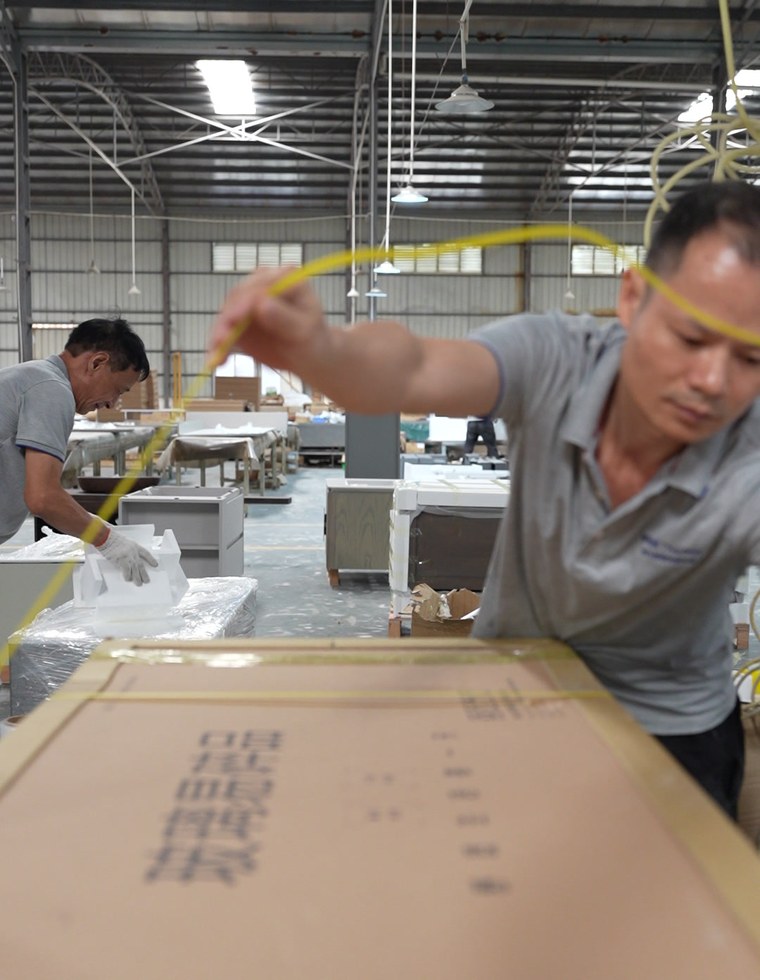
A worker measuring a packed carton with a tape measure in the warehouse

The short answer

Quick Reference

Point 01
Cost and risk do not always transfer at the same point — CIF is the clearest example.
Point 02
EXW gives the buyer full control but full responsibility, including export clearance in China.
Point 03
FOB is a sea and inland waterway rule only; it does not apply to air freight.
Point 04
CIF includes freight and insurance, but the default cover may be less than buyers assume.
Point 05
Always request the Incoterm together with the named place or port, and the 2020 edition.
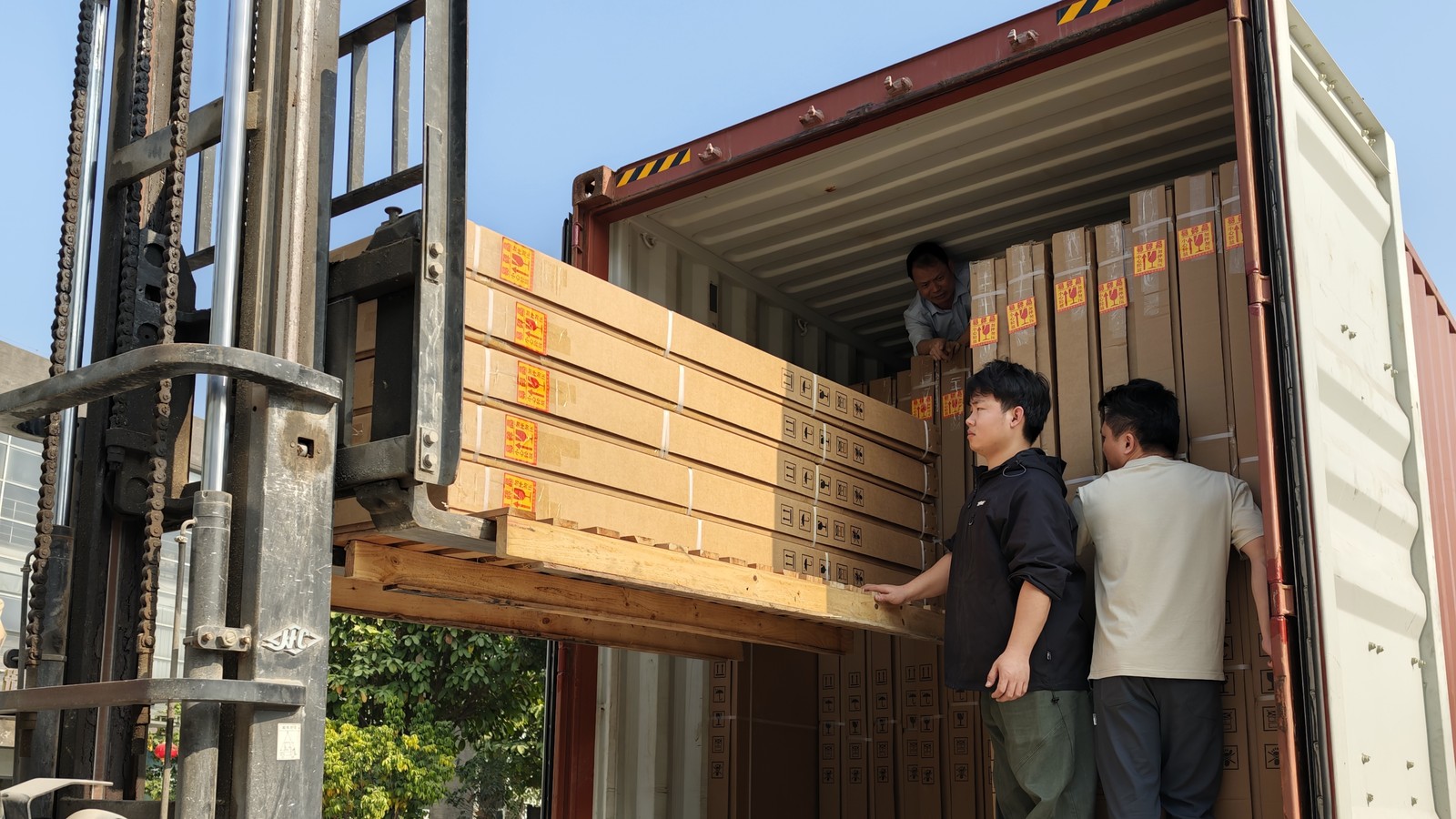
A forklift lifting a long export carton into a container while workers guide it into place

Start here

Two Separate Questions, Not One

Every Incoterms rule answers two questions that buyers often collapse into one: who pays for a given stage of the journey, and at what point does risk of loss or damage pass from seller to buyer. For many rules the two answers land in the same place. Under CIF they do not, and that single gap is behind most of the confusion importers report when comparing bathroom fixture quotations.

The current rulebook is Incoterms® 2020, published by the International Chamber of Commerce. It groups rules into two families: those that work for any mode of transport, including EXW, and those written specifically for sea and inland waterway shipment, which is where FOB and CIF belong. A quotation should always name the specific rule, the specific place or port, and the edition, rather than the three letters alone.

  • Cost: which stage of the journey each side pays for
  • Risk: the exact point loss or damage becomes the buyer's problem
  • Mode: whether the rule applies to any transport or sea and inland waterway only
  • Place: the named factory, port or destination the rule refers to
  • Edition: Incoterms 2020, stated explicitly rather than assumed

Ex Works: Maximum Control, Maximum Responsibility
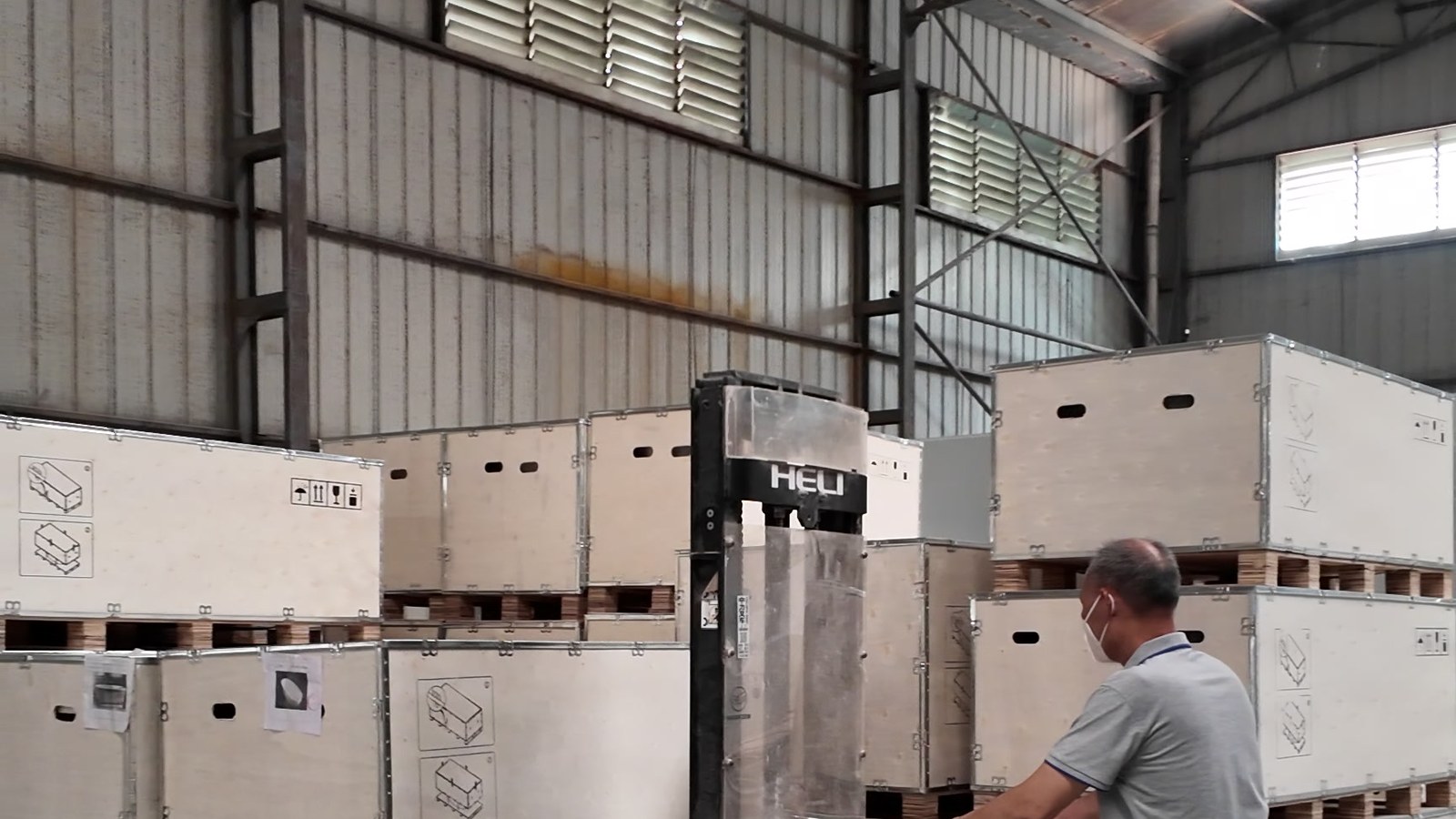
A worker moving crate-packed goods with a pallet truck in the warehouse

Under EXW, the seller's obligation is complete once the goods are made available at a named place, typically the factory or a warehouse, and not necessarily loaded onto a collecting vehicle unless the parties have agreed otherwise. Everything after that point, including loading, inland transport to the port, export customs clearance, main carriage, insurance, import clearance and final delivery, is the buyer's responsibility.

EXW is the only Incoterms 2020 rule where export clearance formalities in the seller's country sit with the buyer rather than the seller. For an overseas buyer without a customs agent or freight forwarder already operating in China, that single requirement can turn a straightforward purchase into a logistics project, which is why EXW usually suits importers who already run their own China-side pickup arrangements rather than first-time buyers.

  • Seller's obligation ends at the named place
  • Loading onto a collecting vehicle is negotiated separately
  • Export clearance in China is the buyer's task, not the seller's
  • Buyer arranges and pays main carriage and, if wanted, insurance
  • Best suited to buyers with an established China-side agent

Free On Board: The Common Middle Ground
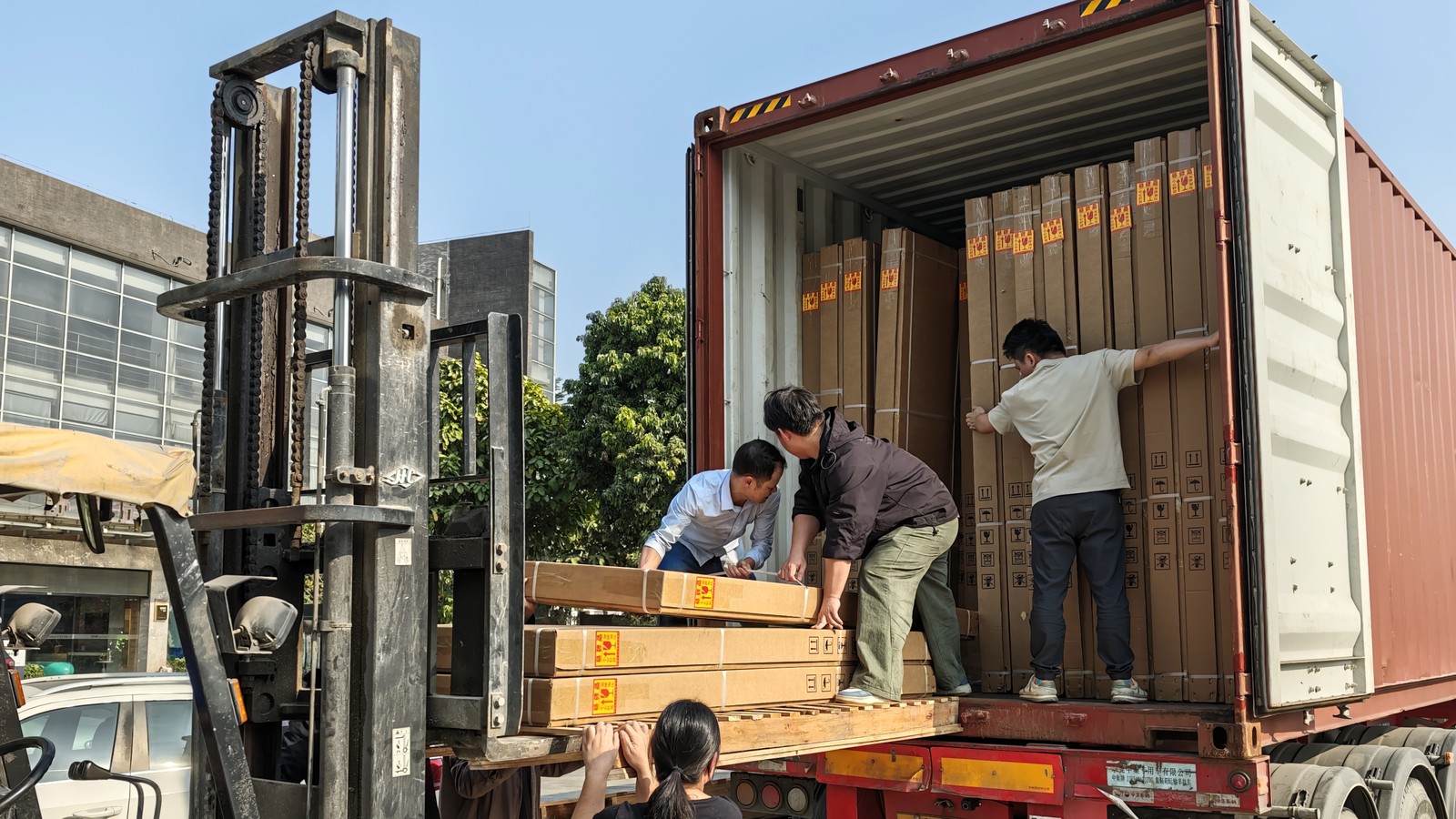
Cartons being loaded into a container, stacked to use the space efficiently

FOB is one of the Incoterms 2020 rules written specifically for sea and inland waterway transport, so it should not be used for air freight, courier or multimodal shipments; FCA, CPT or CIP are the rules built for those. Under FOB, the seller delivers the goods once they are on board the vessel nominated by the buyer at the named port of shipment, and the seller is responsible for export customs clearance up to that point.

Risk transfers to the buyer the moment the goods are on board. From there, the buyer arranges and pays for the main ocean carriage and, if wanted, cargo insurance. In practice, FOB is often the most workable arrangement for importers who already have a freight forwarding relationship: the seller manages everything up to vessel loading at a Chinese port, and the buyer's forwarder takes over the booking, freight and insurance from that point.

  • Applies to sea and inland waterway shipment only
  • Seller handles export customs clearance
  • Risk transfers once the goods are on board the vessel
  • Buyer books and pays the main ocean freight
  • Buyer arranges cargo insurance if it is wanted

Cost, Insurance and Freight: Where Cost and Risk Split
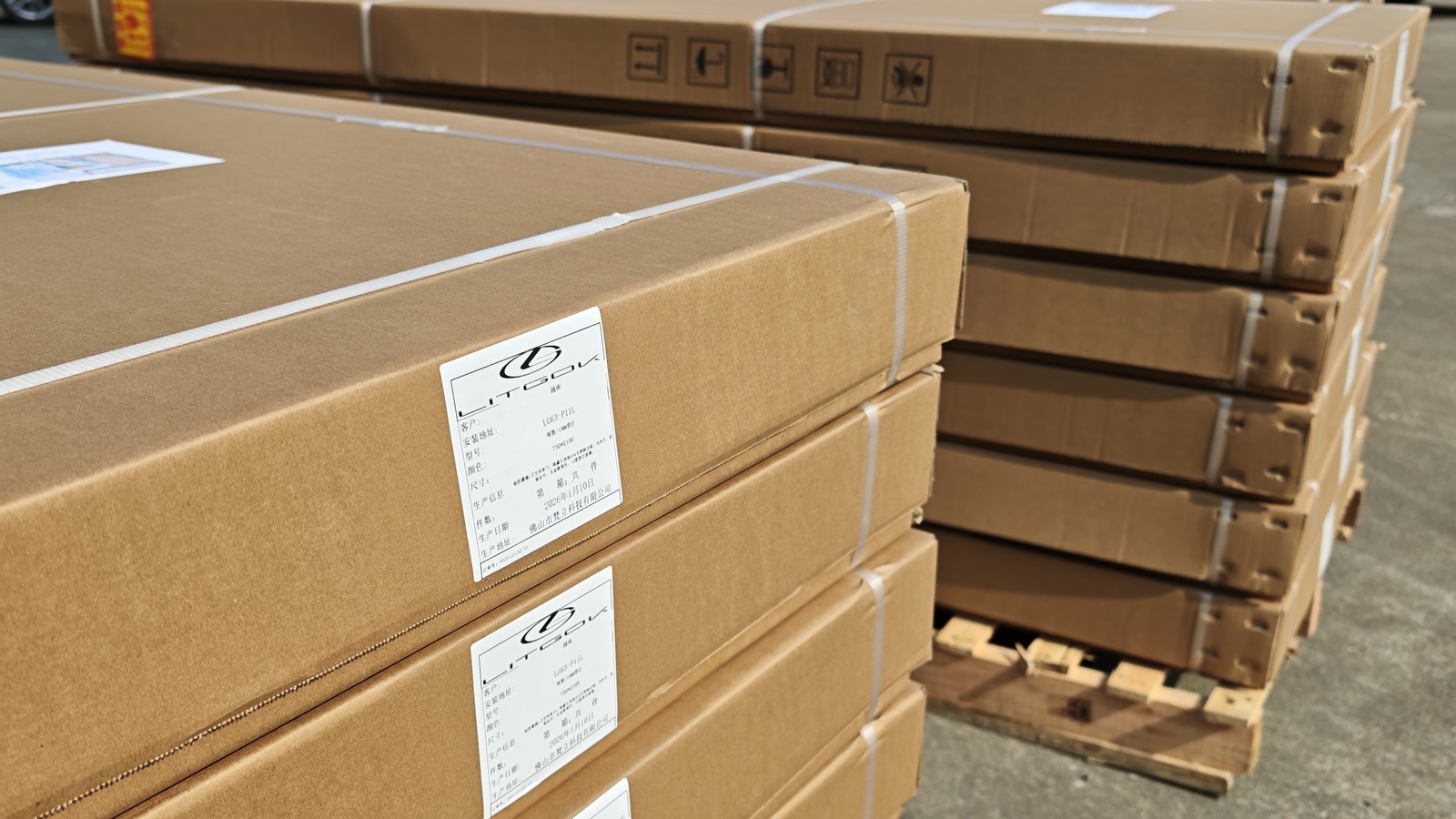
Close view of export cartons with a shipping label on each package

CIF asks the seller to pay the costs and freight needed to bring the goods to a named port of destination, and to procure insurance covering the buyer's risk during that carriage. It is easy to read that and assume the seller is responsible for the shipment the whole way there. It is not.

The risk transfer point under CIF is identical to FOB: the moment the goods are on board at the port of shipment. Everything the seller pays for after that point, freight and insurance, is a cost obligation, not a risk one. If the cargo is damaged mid-voyage, the loss is legally the buyer's, and the buyer is the one who claims against the insurance the seller purchased on their behalf.

A second detail is worth confirming directly. Incoterms 2020 only obliges the CIF seller to buy minimum cover, Institute Cargo Clauses (C), unless the contract states otherwise. That minimum cover excludes a number of common causes of loss. A buyer who wants broader all-risks protection, Institute Cargo Clauses (A), needs to ask for it explicitly or arrange supplementary cover independently.

  • Same risk transfer point as FOB, on board at the port of shipment
  • Seller pays freight to destination as a cost, not a risk transfer
  • Default insurance is minimum cover, Clauses (C), unless agreed otherwise
  • Buyer files any transit claim, using the seller-arranged policy
  • Ask for the exact insurance clause before assuming the level of cover

Choosing Between Them

None of the three rules is universally better; each shifts a different combination of cost, paperwork and risk. The table below summarizes the practical difference for a bathroom fixture shipment.

Comparison of EXW, FOB and CIF for bathroom fixture imports
ComparisonEXWFOBCIF
Export customs clearanceBuyerSellerSeller
Main carriage (freight)Buyer arranges and paysBuyer arranges and paysSeller pays, to destination port
Cargo insuranceBuyer arranges if wantedBuyer arranges if wantedSeller arranges, minimum cover by default
Risk transfer pointNamed place (factory or warehouse)On board the vessel, port of shipmentOn board the vessel, port of shipment
Typically suitsBuyers with an established China-side agentBuyers with their own forwarderBuyers wanting one insured, landed quote

Buyers who already run their own consolidated shipments and want the clearest cost breakdown tend to prefer FOB, or EXW if they also have someone managing pickup and export paperwork in China. Buyers who would rather receive one figure that already includes freight and insurance to their port, and who do not have a China-side agent, often prefer CIF, with the insurance clause confirmed rather than assumed. Whichever rule is used, confirm the exact named place or port, who is responsible for loading, and, for CIF, which insurance clause applies, before production starts.
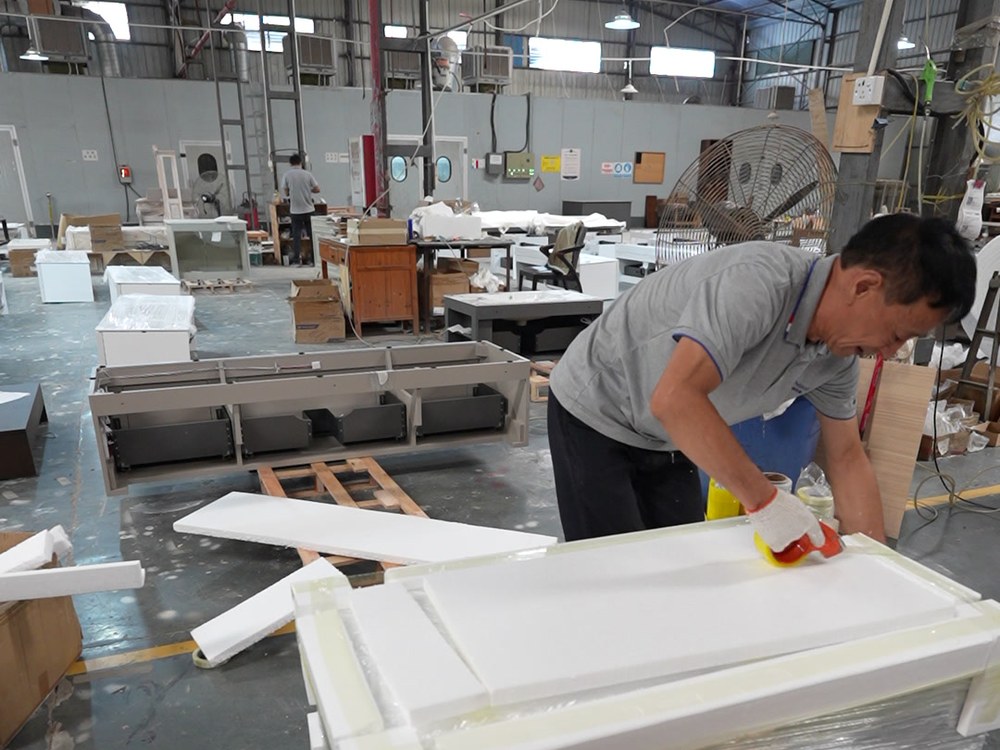
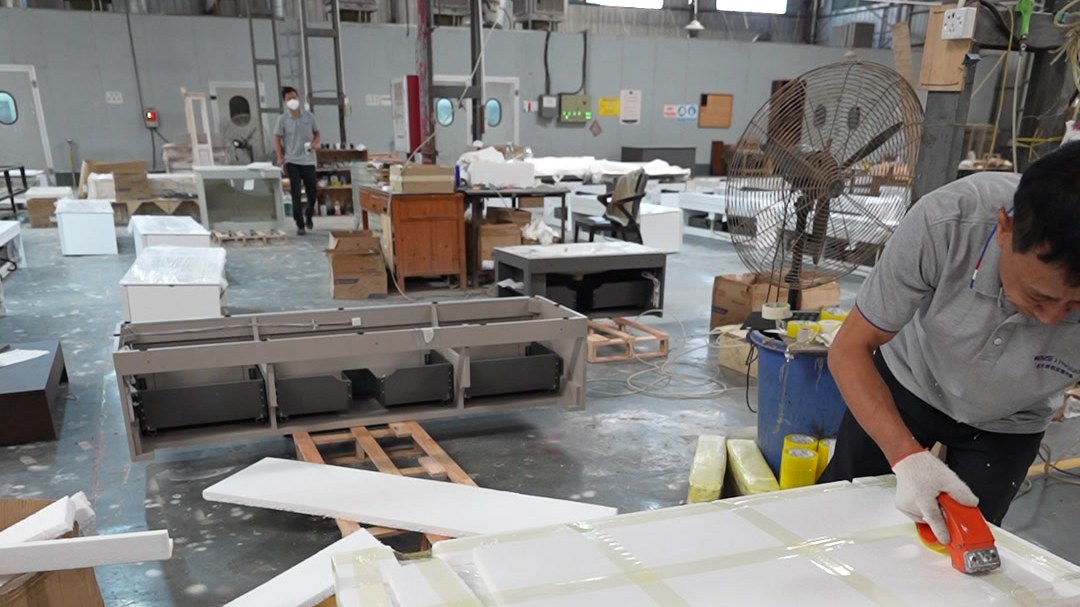
A worker moving crate-packed goods with a pallet truck in the warehouse

Common questions

FOB, CIF and EXW Questions

Answers to the checks buyers most often make before using this guide for a project or sourcing decision.

What is the main difference between FOB, CIF and EXW?

They shift the cost and risk boundary to a different point. EXW hands the buyer responsibility from the seller's own premises onward, including export clearance. FOB hands responsibility to the buyer once goods are on board the vessel at the port of shipment. CIF has the same risk transfer point as FOB, but the seller pays freight and arranges minimum insurance all the way to the destination port.

Does risk transfer at the same point as cost under CIF?

No, and this is the most common misunderstanding. Under CIF the seller pays for freight and insurance to the destination port, but risk of loss or damage passes to the buyer earlier, once the goods are on board at the port of shipment.

Can FOB be used for air freight?

No. FOB is one of the Incoterms 2020 rules written specifically for sea and inland waterway transport. Air, courier and multimodal shipments use rules built for any mode of transport, such as FCA, CPT or CIP.

Who arranges cargo insurance under CIF?

The seller arranges it, but only to the minimum level required by Incoterms 2020, Institute Cargo Clauses (C), unless the sale contract specifies broader cover. The buyer holds the right to claim under that policy if the cargo is damaged in transit.

Is EXW a good choice for a first-time importer?

Usually not without a customs agent or freight forwarder already operating in China, since EXW is the only Incoterms 2020 rule that places export clearance formalities on the buyer rather than the seller.

Which Incoterm should I request in a quotation?

The right choice depends on the buyer's own logistics setup rather than a fixed rule. Regardless of which term is used, confirm the exact named place or port, who is responsible for loading, and, for CIF, the specific insurance clause, and always reference the Incoterms 2020 edition explicitly.

A worker stretch-wrapping a large white panel on a pallet

In short

Two Questions Decide the Terms

FOB, CIF and EXW each answer the same two questions differently: who pays for a given stage of the shipment, and when does risk pass from seller to buyer. CIF is the rule most likely to be misread, because its cost coverage and its risk transfer point are not the same place.

Before comparing bathroom fixture quotations on price alone, confirm the exact Incoterms 2020 rule, the named place or port, and, for CIF, the insurance clause in use. WNS Global can quote under EXW, FOB or CIF depending on a buyer's logistics setup, and will confirm the exact terms in writing before production starts.

  • EXW: risk and responsibility from the factory gate
  • FOB: seller to the vessel, buyer from there
  • CIF: seller pays to destination, buyer bears risk from the port of shipment
  • Always confirm the named place, port and the Incoterms 2020 edition
  • Ask which insurance clause applies before assuming cover under CIF

Verification sources

Official Sources and Further Reading

Incoterms® rules allocate delivery, risk and cost differently. The sales contract should name the exact rule, named place or port, and the published Incoterms® edition.

Comparing quotations?

Talk to WNS Global

Tell us which Incoterm you would like quoted, or ask us to explain the cost and risk difference between options for your specific shipment. We will confirm the named place or port and, for CIF, the insurance clause in writing before production starts.

A worker wrapping a packed unit on a timber pallet in the workshop

A worker stretch-wrapping a large white panel on a pallet

Published: Last updated:

  • This guide is a sourcing and planning reference. Confirm the applicable product, contract, authority and project requirements before making a final decision.

START WITH THE PRODUCT DETAILS

Tell Us What You Need

Share the bathroom products, project requirements, target market, dimensions, materials, finishes, quantities, or customization details currently available. WNS Global will review the request and identify the information needed for the next step.