
From traffic to a rated grate
What is a floor-drain grate load class?
A load class rates, under a named standard, the load a drain cover can carry. Kessel says the class indicates the weight with which a cover can be loaded.
Two systems appear in the sources used here. Kessel and Schlüter cite EN 1253 classes such as K 3. J.R. Smith’s technical data sheet lists five duty classes, Light Duty to Special Duty, “Per ASME A112.6.3 (Formerly ANSI A112.21.1M)”.
| Term | What it means |
|---|---|
| Load class | Kessel: the weight with which a cover can be loaded. |
| Safe live load | Zurn: the load at failure divided by two. |
| Static rating | J.R. Smith: no impact or dynamic loading considered. |
| Grate free area | J.R. Smith: total area of the grate’s drainage openings. |
| Covers and upper sections | Kessel: the parts named in the heading of its EN 1253-1 table. |
How does a buyer get from traffic to a load class?
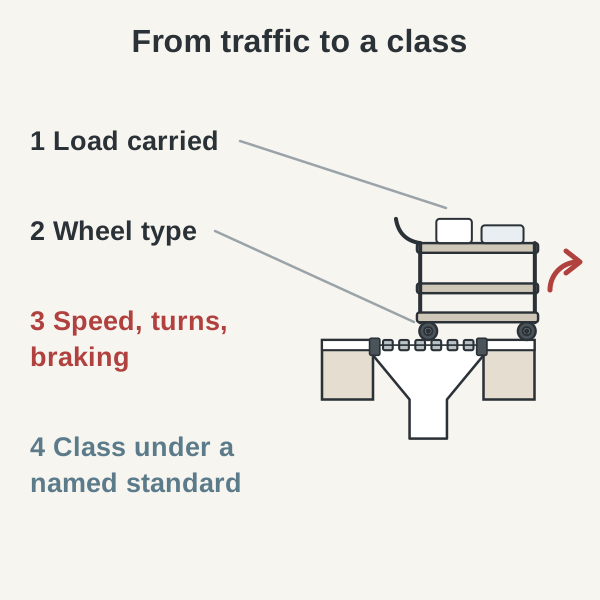
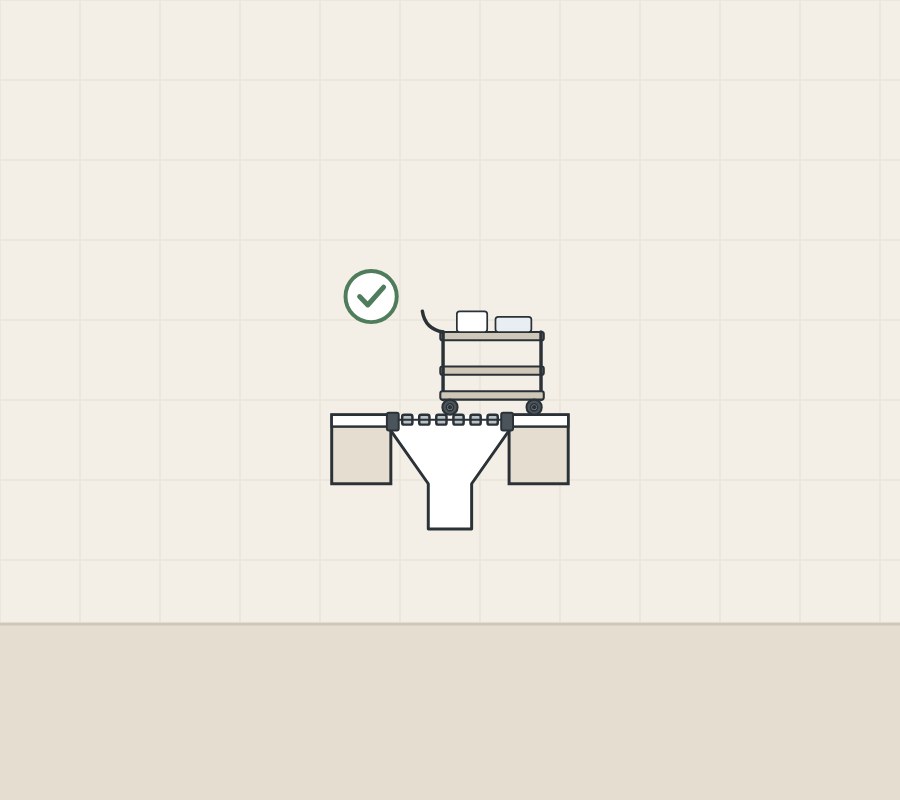
Start with what crosses the drain, then pick the class. Steps 1 to 4 follow ACO Wexel’s selection guidance; step 6 is Kessel’s.
- List the loads carried. ACO Wexel’s examples are forklifts, trolleys and trucks.
- Note the wheels. ACO Wexel says solid tires load a smaller contact area than pneumatic tires, so a heavier duty grate may be required.
- Note how often and how fast traffic passes; ACO Wexel says both can intensify the load.
- Mark where traffic turns or brakes, and any drain at the bottom of a ramp.
- Choose the class under the standard the supplier names.
- If in doubt, Kessel says to choose the next higher class.
Tell the designer where wheels may cross; do not translate a class into a body weight.
What do the EN 1253 classes mean?
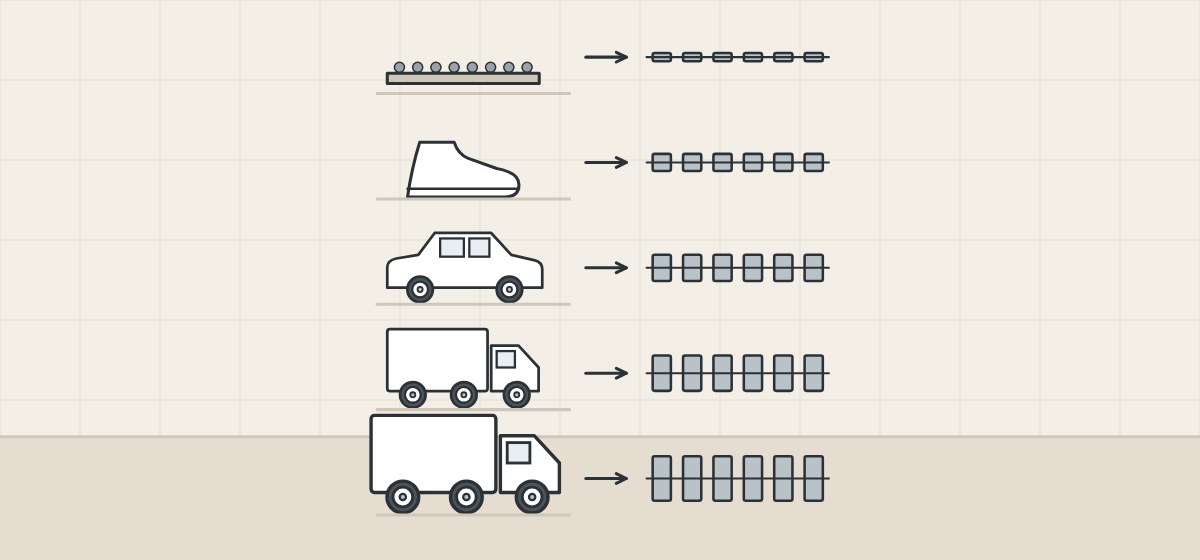
Each class pairs a figure with a kind of place. The table follows Kessel’s list for covers and upper sections to EN 1253-1; the figures are Kessel’s wording. They are not working-load limits read from the standard.
| Class | Kessel’s stated figure | Kessel’s use area |
|---|---|---|
| H 1.5 | Up to max. 150 kg | Flat roofs without use areas. |
| K 3 | Up to max. 300 kg | Areas without traffic, such as bathrooms in apartments and hotels. |
| L 15 | Up to max. 1.5 t | Roofs with light vehicle traffic, not fork-lift trucks, on commercially used premises. |
| R 50 | Up to max. 5.0 t | Areas with vehicle traffic, such as commercially used premises and factories. |
| M 125 | Up to max. 12.5 t | Areas with vehicle traffic, such as multi-storey car parks and workshops. |
Schlüter describes K3, for its KERDI-LINE-G3 linear drain, as a class for areas without vehicle traffic, and says that drain’s channel bodies, frames and grates suit wheelchair traffic. BSI shows BS EN 1253-1:2015 as current and under review; its overview says the standard classifies floor gullies used inside buildings.
What do Light Duty and Heavy Duty mean?
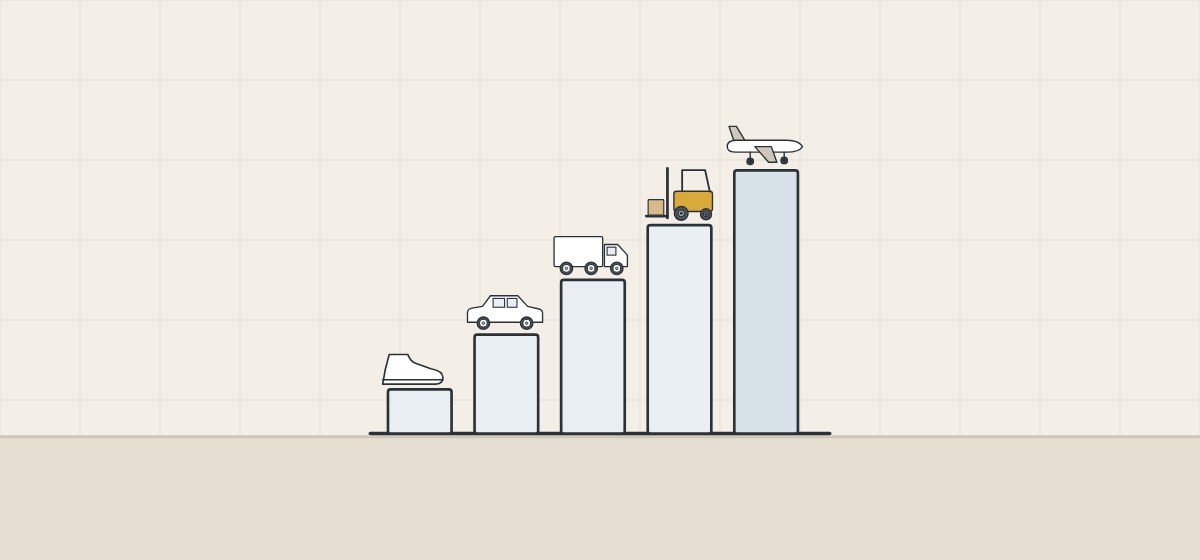
They are bands of safe live load. The loads are from J.R. Smith’s sheet; the traffic wording is from MIFAB’s load class definitions, which print the same bands under ANSI A112.21.1M.
| Class | Safe live load (J.R. Smith) | Traffic (MIFAB) |
|---|---|---|
| Light Duty | Under 2,000 lb | Pedestrian foot traffic only. |
| Medium Duty | 2,000 to 4,999 lb | Light pneumatic tire traffic only. |
| Heavy Duty | 5,000 to 7,499 lb | Commercial pneumatic tire traffic and tractor trailers. |
| Extra Heavy Duty | 7,500 to 10,000 lb | Forklift traffic; roads and highways. |
| Special Duty | Over 10,000 lb | Airport traffic. |
Zurn’s definitions sheet says the maximum safe live load is the load at failure divided by two. MIFAB says grates and top rims are designed to the classes in a static condition. ASME lists the standard as A112.6.3/CSA B79.3-2022; its public page gives the scope, not the bands.
Does the class belong to the grate or to the whole drain?
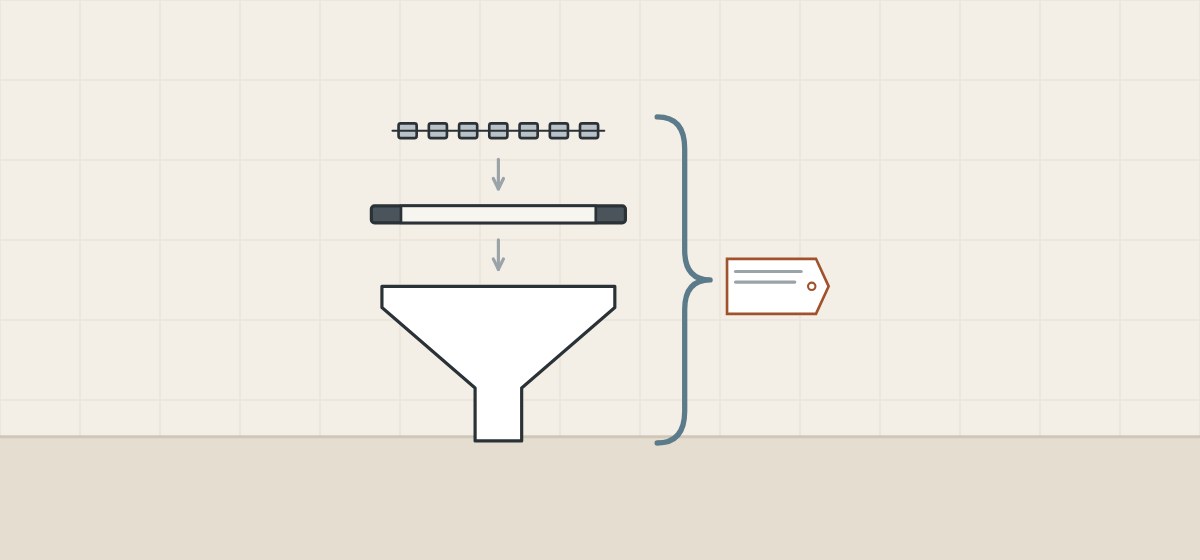
The makers read here state a class for a named product version, and Schlüter states it for body, frame and grate together. Four examples:
Body, frame and grate
Schlüter says the channel bodies, frames and grates of KERDI-LINE-G3 are classified as K3 according to DIN EN 1253.
One family, two classes
ACO Wexel’s floor drain range lists a vertical deep drain with a 100 mm outlet as L15 with a 150 mm round grate and as K3 with a 200 mm round grate.
Material
MIFAB’s EG strainer is light duty in nickel bronze, rated up to 2,000 lb, and heavy duty in cast iron or Type 304 stainless steel.
Grate and frame
Dallmer lists its PRONTO K floor drain at K 3, with a stainless steel grate in a polypropylene frame.
- Grate part number and material
- Frame and drain body
- Class and named standard
- Document stating the class
Why is drainage capacity a separate check?
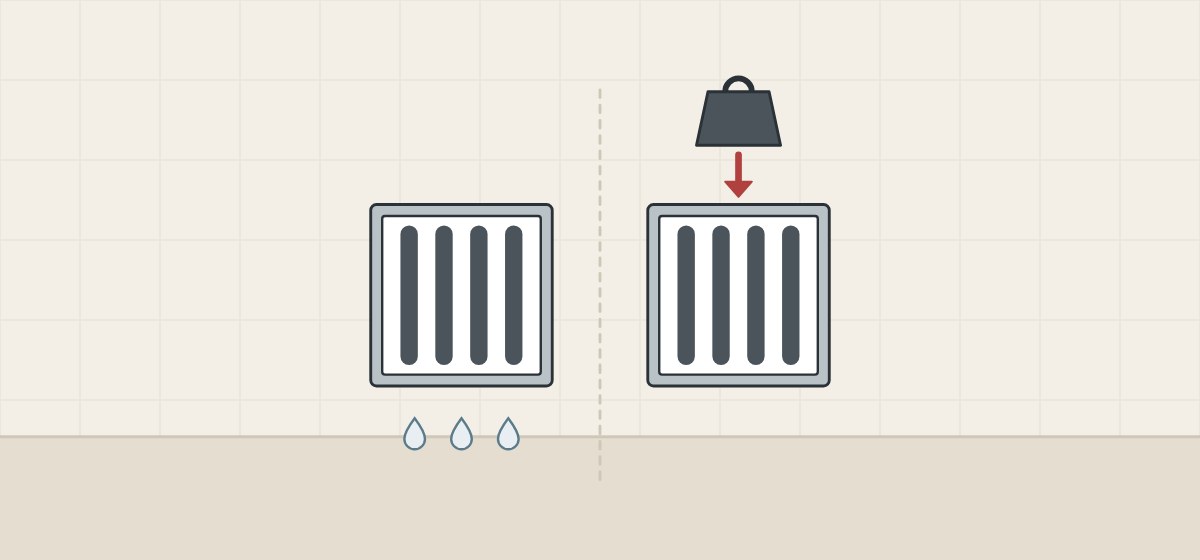
Because the sources state flow and load as separate entries. Four points:
Separate requirements
BSI’s overview of BS EN 1253-1:2015 names mechanical strength, flow rates and a loading test.
The grate limits flow
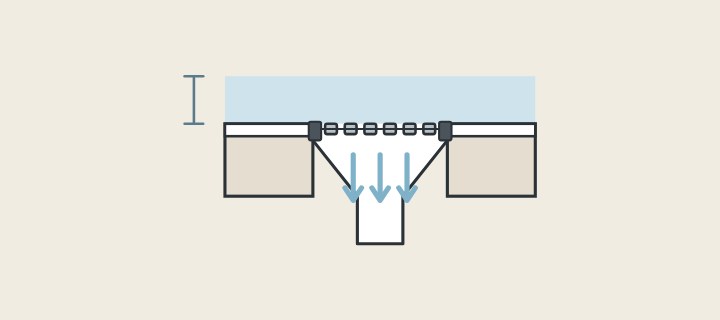
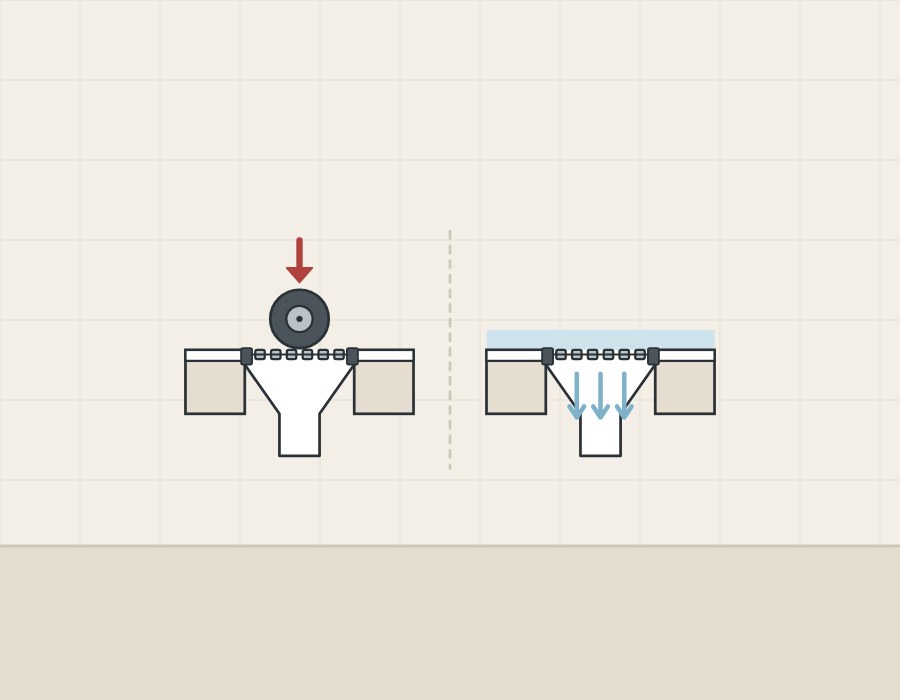
ACO Wexel says the grate’s open area restricts water flow and that, for its own range, the bodies beneath reduce it no further.
Free area
J.R. Smith defines grate free area as the total area of the drainage openings and says that indoors it should be 1 1/2 times the transverse area of the connecting pipe.
Two entries on one sheet
MIFAB’s F1540 sheet gives one grate a free area of 33 square inches and, separately, a Special Duty load class.
The grate appears in both checks. Ask for both figures for the grate actually offered.
What do load ratings leave out?
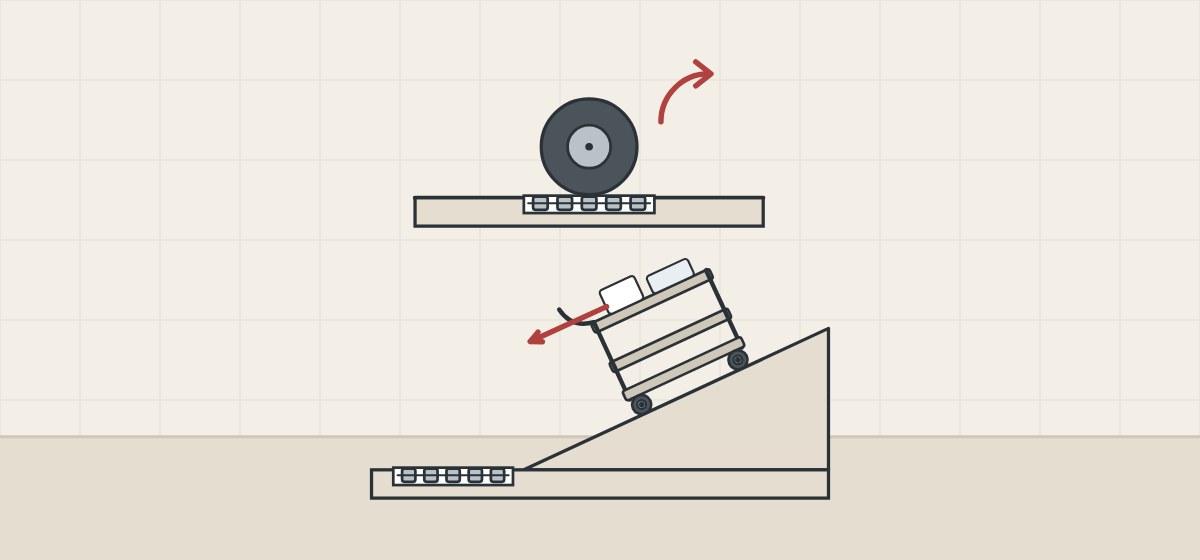
J.R. Smith and MIFAB describe their duty ratings as static, and Zurn prints different figures for a pedestrian class under two standards. Opening size is a separate rule. Four statements:
| Source | What it says |
|---|---|
| J.R. Smith | Its ratings are static, without impact or dynamic loading; the design professional obtains ratings for each drain from the factory. |
| ACO Wexel | A gully where traffic turns or brakes, or at the bottom of a ramp, is subjected to extreme forces. |
| Zurn | Prints a pedestrian class as a safe live load under 2,000 lb in ANSI A112.21.1M and as a design load up to or exceeding 3,372 lbf in DIN 19580 Classification A. |
| U.S. Access Board | Under the ADA Standards, openings in accessible floor surfaces, such as grates, must not pass a 1/2 in sphere; long openings run perpendicular to the dominant travel direction. |
How should a buyer specify a floor-drain grate?
Specify the traffic and let the supplier answer with a rated combination. This is procurement guidance, not a structural or code review.
- Describe the location. Room type, floor finish and what crosses the drain.
- Describe the wheels. Trolleys, wheelchairs or vehicles; tire type; turning or braking.
- Name the standard. The one the project requires.
- Ask for the class of the combination. Grate, frame and body by part number.
- Ask for flow separately. For the same grate, with its test conditions.
- Check the openings. Confirm accessibility rules with the local authority.
- Recheck any change. A decorative cover or another frame is a new combination.
When a grate is swapped
ACO Wexel lists two classes within one drain family, and MIFAB rates one strainer differently by material.
What should you send and ask before a quotation?

Send the traffic and ask for the class, the standard and the flow as separate answers.
| Question | Why it matters |
|---|---|
| Which load class, under which standard? | Zurn prints different figures for a pedestrian class under two standards. |
| Which grate, frame and body does it cover? | Schlüter states one class for body, frame and grate together. |
| Is the rating static? | J.R. Smith’s ratings exclude impact and dynamic loading. |
| What is the flow with this grate? | ACO Wexel says the grate’s open area restricts flow. |
| What changes if the grate changes? | It is a new combination to check. |
Include with your request
- Room type and floor finish
- What crosses the drain, how often
- Wheel and tire type
- Standard the project requires
- Drainage requirement, outlet size
WNS Global confirms any offered drain, grate and commercial terms separately in writing. This guide does not state that WNS Global products have any load class, duty rating, flow figure or listing named above.