From pressure response to part record
What is the difference between a flow restrictor and a pressure-compensating regulator?
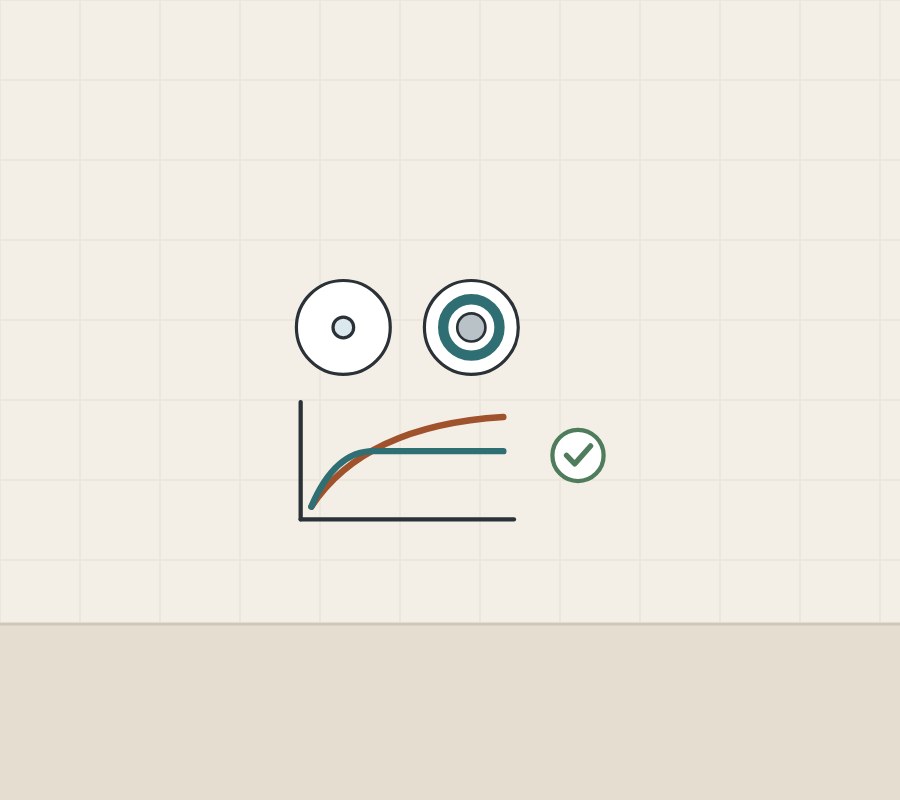
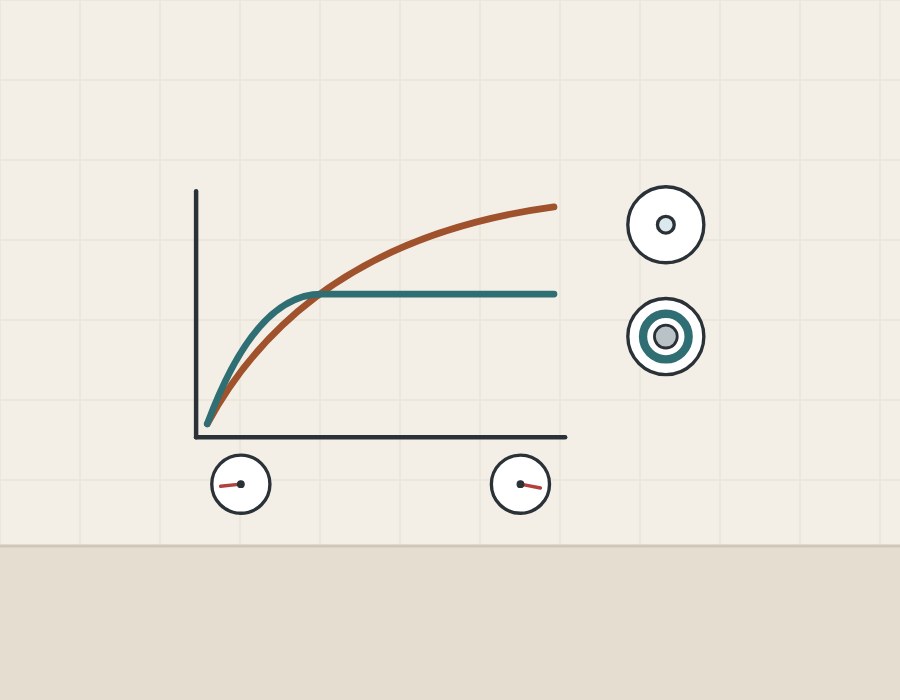
A flow restrictor lets flow change with pressure; a pressure-compensating regulator holds it nearly constant. Neoperl says a restrictor’s flow depends on the size of the flow bore and the applied water pressure, so it rises at higher pressures and falls at lower ones.
Neoperl says its PCA regulator technology keeps the flow rate nearly constant across a wide pressure range.
Neoperl suggests a restrictor where pressure conditions in the target market are largely constant, and PCA aerators for markets with varying pressure.
| Term | What the source says |
|---|---|
| Flow restrictor | Neoperl: flow set by bore size and applied pressure. |
| Flow regulator | Neoperl: nearly constant flow across a wide pressure range. |
| Fixed orifice device | EPA, 2007: the option it names beside pressure compensating devices. |
| Faucet accessory | EPA: restrictors, regulators, aerators and laminar devices. |
| Rated flow | WaterSense: the maximum flow value the maker specifies for a showerhead. |
How does a pressure-compensating regulator hold flow steady?
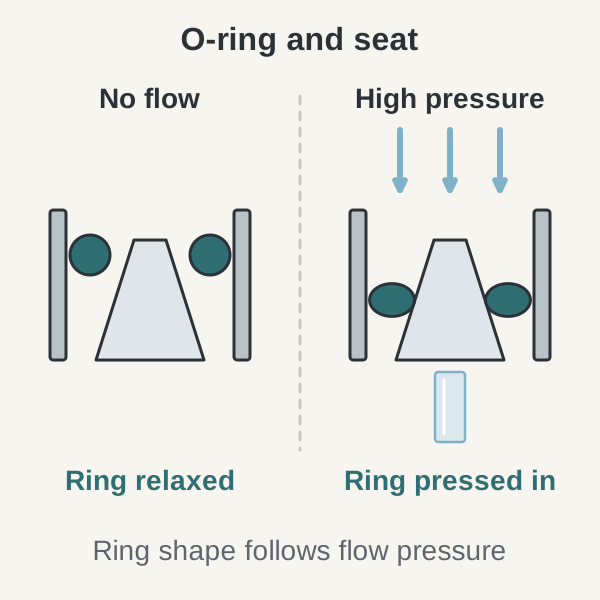
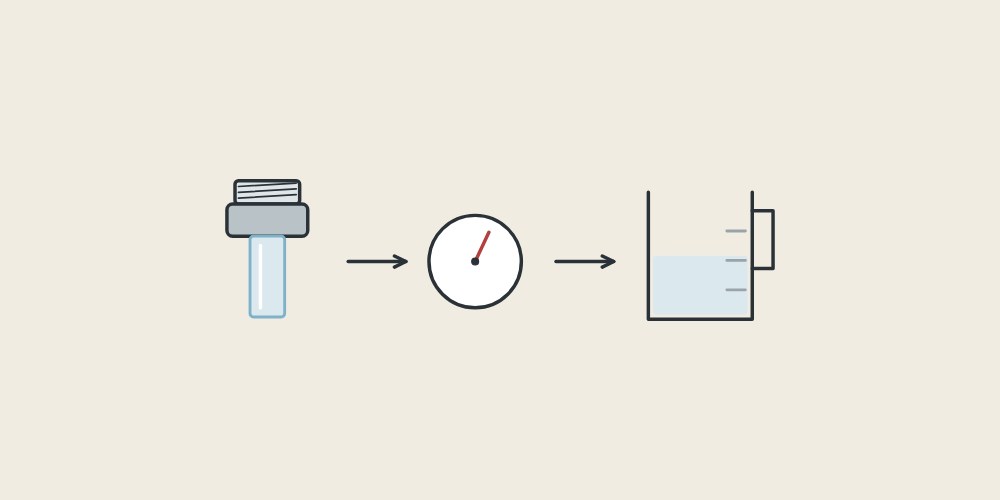
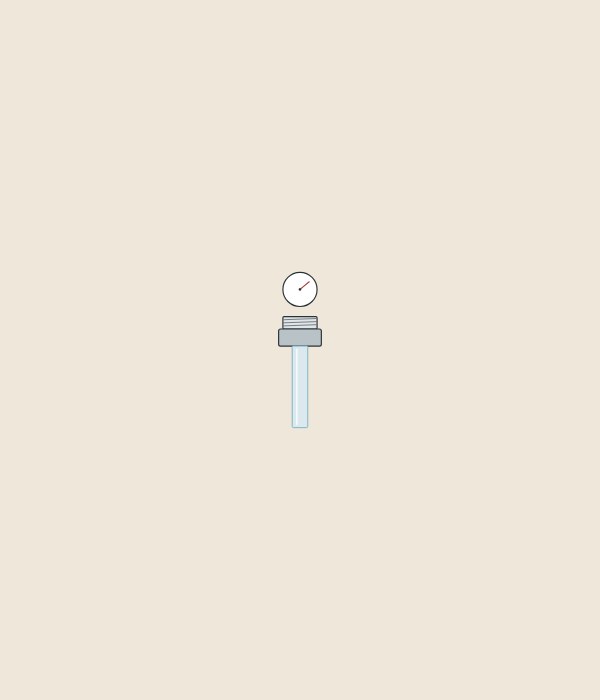
In the design Neoperl describes, an o-ring changes shape with flow pressure. Neoperl’s flow regulator overview describes a typical regulator as three parts: a housing, a seating area and a precision o-ring. The sequence below follows that description.
- With no flow, the o-ring is relaxed.
- Water flows through the regulator.
- The o-ring changes shape and is pushed into the seating area.
- Higher flow pressure changes its shape further.
- As pressure falls, the o-ring gradually returns to its original shape.
Neoperl says the result is a constant flow rate within the specified tolerance. Ask the maker for that tolerance. hansgrohe describes a precision O-ring that reacts to the water pressure and adjusts the water quantity.
What pressure does a stated flow rate refer to?
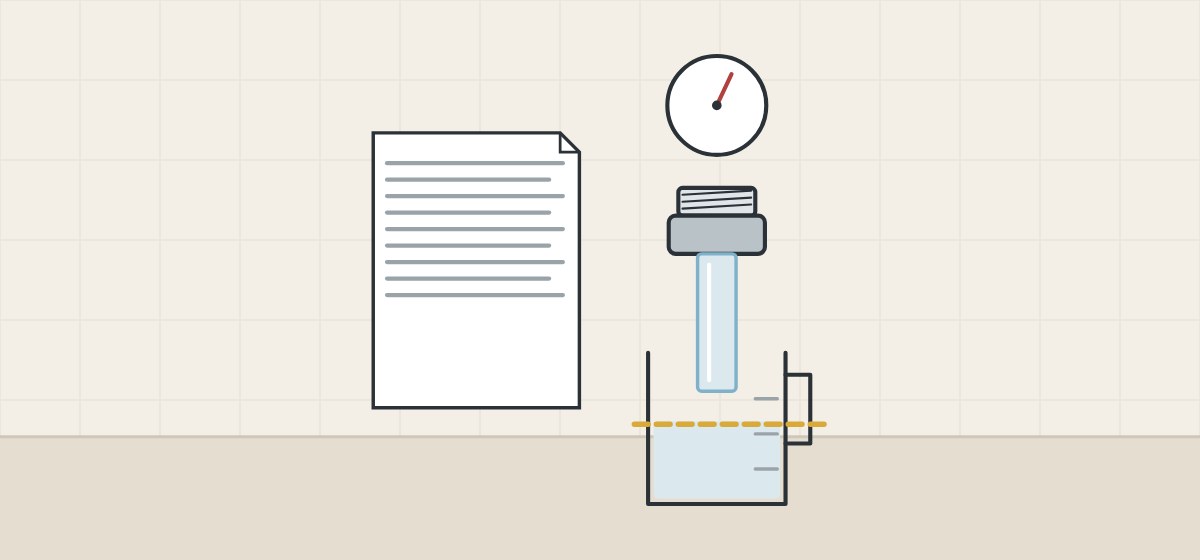
It refers to the pressure named beside it, and that pressure differs by document.
| Source | Flow figure | Pressure stated |
|---|---|---|
| WaterSense faucet specification, v1.0 | Maximum 1.5 gpm | 60 psi |
| Same specification | Minimum 0.8 gpm | 20 psi, flowing |
| WaterSense showerhead specification, v1.1 | Rated flow 2.0 gpm or less | Tested at 20, 45 and 80 psi |
| Same specification | Minimum 60% of rated flow | 20 psi |
| Same specification | Minimum 75% of rated flow | 45 and 80 psi |
| Kohler K-26290-G showerhead | Maximum 1.75 gpm | 80 psi |
| Chicago Faucets 620-LCP showerhead | Maximum 1.5 gpm | 80 psi |
| hansgrohe EcoSmart+ faucets | 4 l/min | 3 bar |
The EPA’s 2007 supporting statement says 60 psi was chosen for faucets to match ASME A112.18.1, and reports that the DOE adopted 2.2 gpm at 60 psi for faucets in 1998.
Over what pressure range does a regulator work?
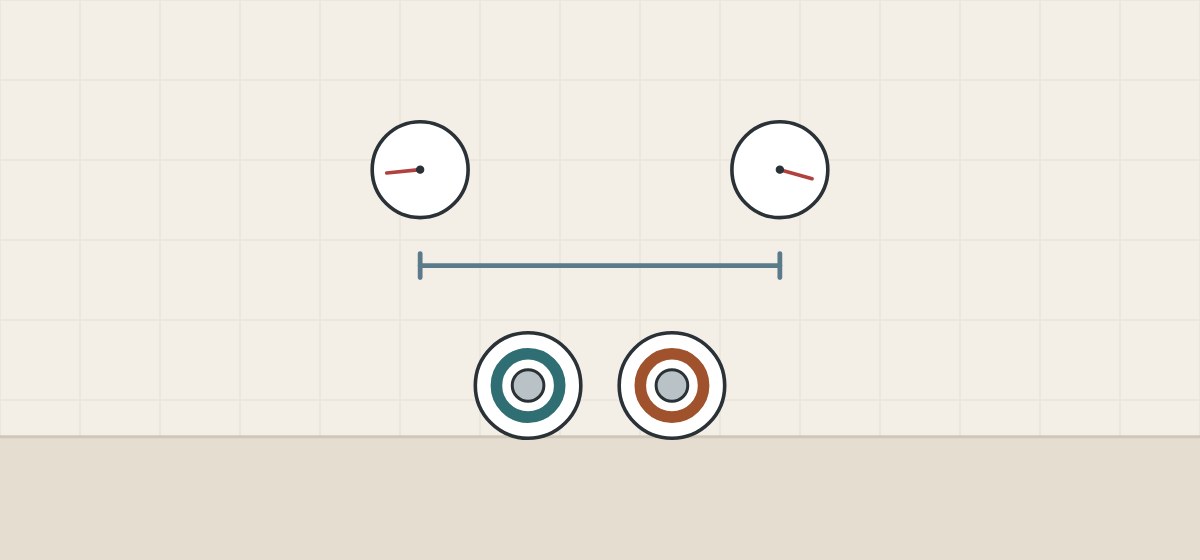
Only over the range its maker states. Neoperl publishes separate standard and low-pressure versions of its PCW regulators, so the range is part of the part’s identity.
| Part or document | Stated range | Note |
|---|---|---|
| Neoperl PCW regulators, standard | 1 to 10 bar (14.5 to 145 psi) | Color-coded flow rates |
| Neoperl PCW regulators, low pressure | 0.25 to 4 bar (3.6 to 58 psi) | Separate version |
| Neoperl PCA Dual Core aerators | Nominal flow from 0.7 bar | For low system pressure |
| EPA, WaterSense at Work | 20 to 80 psi | Facility check for faucets, not a part’s range |
Neoperl’s PCW page also gives a temperature limit of 65 °C (149 °F). Where a product page names no range, ask the maker.
What happens at low and at high supply pressure?
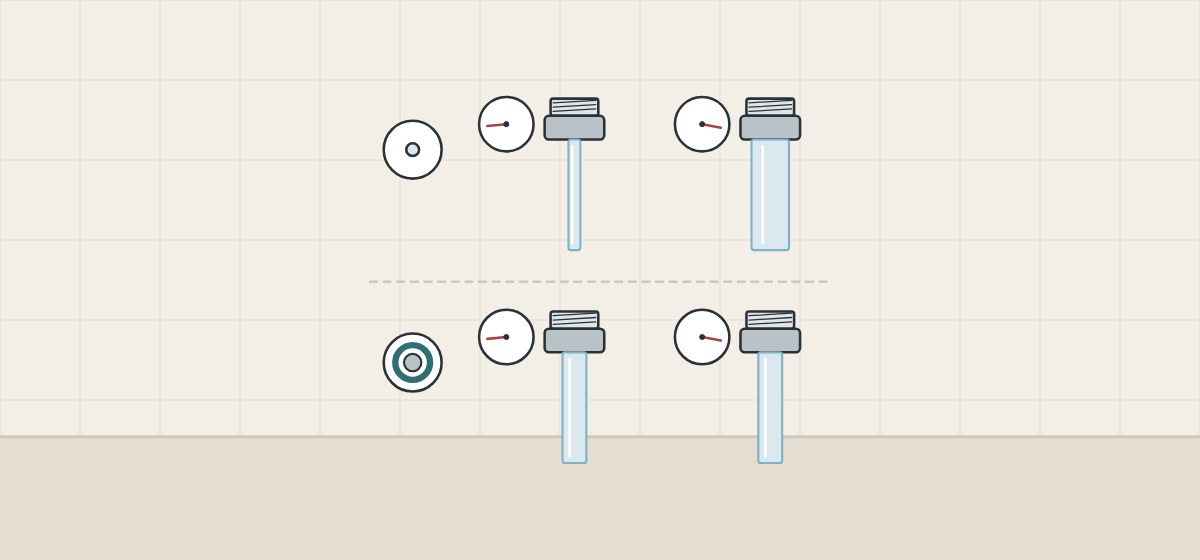
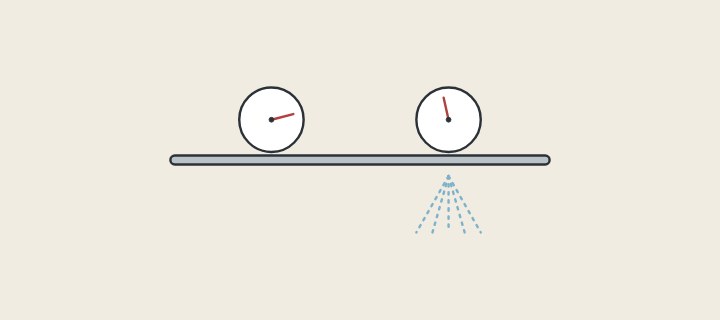
Per Neoperl, a restrictor’s flow falls at low pressure and rises at high pressure, while a regulator keeps flow nearly constant across its pressure range. Four points from the sources:
Low pressure, restrictor
Neoperl says a restrictor’s flow decreases at lower pressures.
Low pressure, regulator
Neoperl says its PCA Dual Core aerators reach nominal flow from as little as 0.7 bar. No source used here describes a regulator adding pressure.
High pressure
The EPA’s 2007 statement says faucets designed to its specification will have maximum flow rates of approximately 1.75 gpm in systems with high water pressure (up to 80 psi).
Compensating showerheads
The EPA’s 2010 showerhead statement notes that some pressure-compensating showerheads produce their maximum flow at 45 psi, not at 80 psi.
- Record the lowest flowing pressure expected at the outlet
- Record the highest pressure expected at the outlet
- State the flow the user needs at the low end
- State the flow limit that applies at the high end
Can reducing flow affect water temperature?
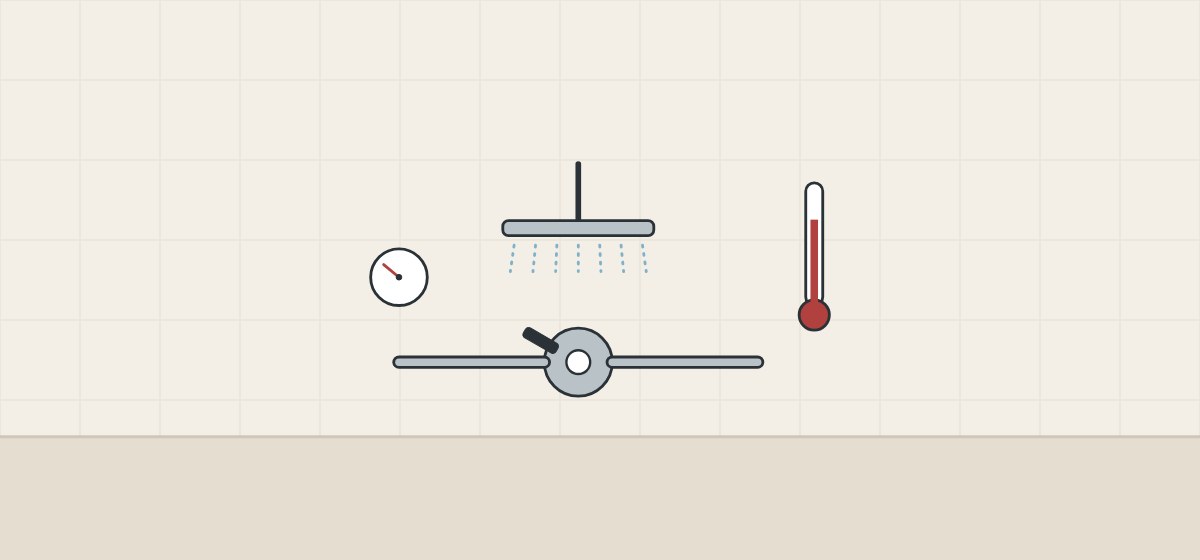
Yes, according to the three sources below.
Neoperl
With severe water reduction, temperature fluctuations may occur as a result of pressure fluctuations, depending on the type of mixer faucet and sanitary system. In that case Neoperl advises selecting a higher flow rate category.
ASSE International
Its 2012 white paper says a showerhead’s maximum flow should be matched with an automatic compensating valve whose minimum flow rate is equal to or lower, and that low-flow showerheads should never be used with non-automatic compensating valves.
EPA, 2010
Its supporting statement says automatic-compensating mixing valves were then only required to be tested and certified at 2.5 gpm at 45 psi, and that the specification requires packaging to show the showerhead’s minimum flow at 45 psi.
ASSE describes one scenario with a two-handle non-automatic compensating valve: a toilet flush drops cold water pressure, which can cause an immediate rise in shower temperature. It adds that a reduction in flow through such a valve can also influence the outlet temperature. Ask the valve maker for the valve’s minimum rated flow.
What do specifications and standards say about these parts?
The WaterSense specifications set flow limits at stated pressures. For faucets, the EPA says fixed orifice devices remain an option. What each document says:
| Document | What it says |
|---|---|
| WaterSense faucet specification, v1.0 | An accessory can include, among others, flow restrictors, flow regulators, aerator devices and laminar devices. |
| EPA supporting statement, 2007 | Fixed orifice devices are left open as an option beside pressure compensating devices. |
| WaterSense showerhead specification, v1.1 | ASME A112.18.1/CSA B125.1 definitions apply by reference. |
| ASME A112.18.1-2024/CSA B125.1:24 | Published scope: supply fittings and accessories between the supply stop and the terminal fitting. |
How should a buyer specify the flow control part?

These steps apply the facts above to an order of faucets or showers. They are procurement guidance, not an engineering review.
- Name the technology. Fixed restrictor or pressure-compensating regulator.
- Record the part. Insert maker, part code and color code where the maker uses one.
- State flow with pressure. The flow figure and the pressure it was measured at.
- Ask for the response. Flow at several pressures for that part in that outlet.
- State the site pressure. The lowest and highest flowing pressure expected at the outlet.
- Check the mixing valve. Its minimum rated flow against the outlet’s flow.
- Control replacements. Compare a substitute’s response and range, not only its number.
On a multi-floor project
The engineer’s supply assessment and the maker’s part data answer different questions. Bring them together before assuming every outlet will behave the same.
What should you send and ask before a quotation?

A complete request names the flow control part, not only the faucet or shower.
| Question | Why it matters |
|---|---|
| Restrictor or compensating regulator? | The two respond differently to pressure. |
| Which insert, by maker and code? | A similar outlet can hold a different part. |
| At what pressure is the flow stated? | Documents here use 20, 45, 60 or 80 psi, or 3 bar. |
| What is the stated pressure range? | Neoperl, for one, publishes a separate low-pressure version. |
| Is flow data at several pressures available? | One nominal value does not show the response. |
| Which mixing valve is it paired with? | ASSE says to match valve and showerhead flow. |
Include with your request
- Project location and any flow limit that applies
- Lowest and highest pressure at the outlets
- Outlet type: basin faucet, shower or hand shower
- Mixing valve model, where already chosen
- Quantity, and spare inserts wanted
This guide does not state that WNS Global products have the features, ratings or listings named above.