

Procurement guidance

Third-Party Inspection and AQL Sampling Explained

A pre-shipment inspection does not check every unit in an order; it checks a statistically defined sample and uses the result to accept or reject the whole batch. Understanding how that sample size and pass/fail threshold, the Acceptable Quality Limit, is actually set turns an inspection report from a pass/fail stamp into something a buyer can read and question.

A colored cast bathtub with an even surface finish

The short answer

Quick Reference

Point 01
AQL (Acceptable Quality Limit) sets how many defects in a sample are tolerable before a lot is rejected.
Point 02
Common defaults: 0 for critical defects, 2.5 for major, 4.0 for minor, under ANSI/ASQ Z1.4.
Point 03
Sample size is drawn from standardized tables based on lot size and inspection level, not a fixed percentage.
Point 04
Common inspection types: pre-production, during-production, pre-shipment, and container loading checks.
Point 05
An inspection report is only useful if the AQL levels and sample size used are stated, not just "passed" or "failed".
A worker handling a large sheet panel at a cutting machine

Start here

A Sample, Not a Full Inspection

Inspecting every unit in a large order is rarely practical, and for many defect types is not necessary to draw a reliable conclusion about the whole lot. AQL sampling, standardized under ANSI/ASQ Z1.4, internationally equivalent to ISO 2859-1, provides a statistically grounded way to inspect a defined sample and use its result to represent the batch it was drawn from.

  • Lot size: the total quantity in the production run being inspected
  • Sample size: drawn from standard tables based on lot size and inspection level
  • AQL: the maximum percentage of defects still considered an acceptable quality level
  • Defect classification: critical, major and minor, each with a different threshold

What AQL Actually Measures

A worker handling a large sheet panel at a cutting machine

The Acceptable Quality Limit is not a claim that a product will have zero defects. It is the maximum defect rate in a sample that is still treated as an acceptable outcome for the lot as a whole. A tighter AQL means fewer defects are tolerated before the lot is rejected; a looser AQL tolerates more.

Sample size itself is drawn from standardized tables in ANSI/ASQ Z1.4, based on the lot size and the chosen inspection level, most commonly General Inspection Level II as the default. A larger lot draws a proportionally larger sample, but not a fixed percentage of the total, which is a common misconception among first-time importers reading an inspection report.

  • AQL sets a defect-rate threshold, not a promise of zero defects
  • Sample size comes from standardized tables, not a fixed percentage of the lot
  • General Inspection Level II is commonly used as the default level
  • ANSI/ASQ Z1.4 is internationally equivalent to ISO 2859-1

Critical, Major and Minor Defects

A translucent red cast bathtub, colored through the body

Not every defect carries the same weight, so AQL sampling classifies defects into three tiers, each with its own threshold. A commonly used default sets critical defects at an AQL of 0, meaning none are tolerated, major defects at 2.5, and minor defects at 4.0, though buyers can request different levels to match their own risk tolerance.

A critical defect is one that could cause harm or make a product unsafe or unusable, such as a structural fault in a vanity cabinet. A major defect would likely be noticed by an end user and affect usability or salability, such as a visible finish flaw. A minor defect is a small imperfection unlikely to affect function or a typical buyer's decision to accept the product.

  • Critical: commonly AQL 0, no tolerance, safety or basic function affected
  • Major: commonly AQL 2.5, likely to affect usability or salability
  • Minor: commonly AQL 4.0, small imperfections unlikely to affect function
  • These are common defaults; buyers can request tighter or looser levels

When Inspections Happen

Inspection is not a single event tied only to the finished, packed order. A pre-production inspection (PPI) checks raw materials and components before manufacturing begins. A during-production inspection (DPI), sometimes called DUPRO, checks a partially completed run, catching issues while they can still be corrected economically. A pre-shipment inspection (PSI) is the most common, checking a completed, packed order against the AQL standard agreed before shipment. A container loading check (CLC) confirms the correct, undamaged goods are actually loaded into the container being shipped.

Requesting the inspection type that matches the actual risk in an order, rather than defaulting to a pre-shipment inspection alone, catches different classes of problems at the point they are still cheapest to fix.

A worker handling a large sheet panel at a cutting machine

Common questions

Inspection and AQL Questions

Answers to the checks buyers most often make before using this guide for a project or sourcing decision.

Does AQL sampling guarantee zero defects in an order?

No. AQL sets a maximum tolerable defect rate in a sample, not a promise of zero defects across the entire order. A lot can pass inspection and still contain some minor defects within the agreed threshold.

Is the inspection sample a fixed percentage of the order?

No. Sample size is drawn from standardized tables in ANSI/ASQ Z1.4 based on lot size and inspection level, not a flat percentage, so the proportion inspected changes with lot size rather than staying constant.

What are the common default AQL levels?

A commonly used default sets critical defects at AQL 0, major defects at AQL 2.5, and minor defects at AQL 4.0, though buyers can request different levels depending on their own risk tolerance for a specific product.

What is the difference between a pre-shipment inspection and a container loading check?

A pre-shipment inspection checks a completed, packed order against agreed AQL standards before it is loaded. A container loading check specifically confirms that the correct, undamaged goods are actually being loaded into the container, catching loading-stage errors a pre-shipment inspection would not.

Is ANSI/ASQ Z1.4 the same as ISO 2859-1?

They are internationally equivalent sampling standards, both providing the tables used to determine sample size and acceptance criteria for a given lot size and inspection level.

Should every order use the same inspection type?

Not necessarily. The type of inspection that best matches an order depends on the risk involved; a during-production inspection can catch issues earlier in the process for orders where correcting a problem after full production would be costly.

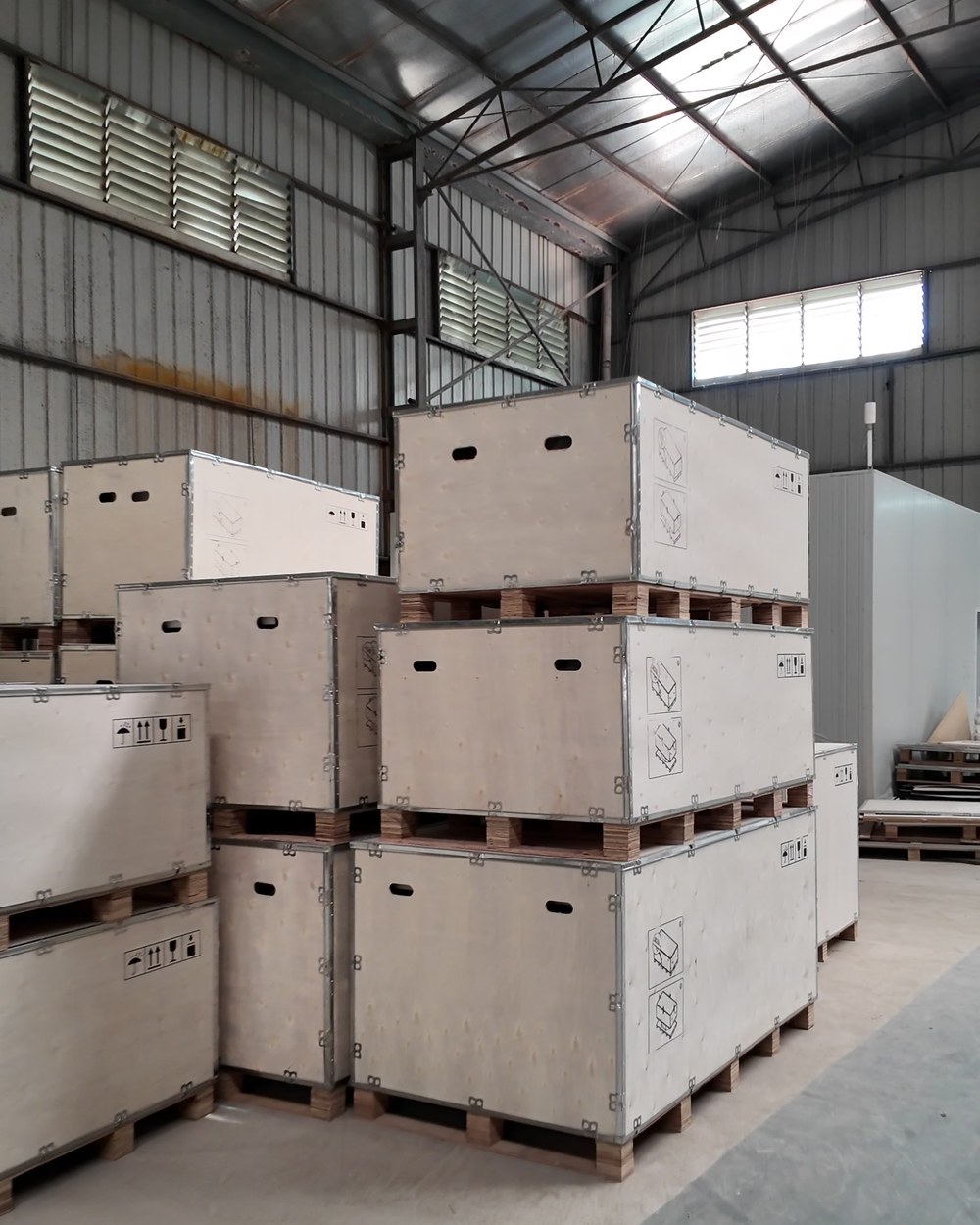
Timber crates stacked in the warehouse ready for loading

In short

Read the AQL Levels, Not Just the Verdict

AQL sampling turns inspection into a statistically defined process rather than a subjective check, but only if the AQL levels and sample size actually used are visible in the report. Common defaults of 0 for critical, 2.5 for major and 4.0 for minor defects are a reasonable starting point, and different inspection types catch different classes of problems at different stages of production.

  • AQL sets a defect-rate threshold, not a zero-defect guarantee
  • Ask for the specific AQL levels and sample size used, not just pass or fail
  • Match inspection type to the actual risk: PPI, DPI, PSI or CLC
  • Critical, major and minor defects carry different thresholds by design
  • Standards are internationally shared: ANSI/ASQ Z1.4 and ISO 2859-1

Verification sources

Official Sources and Further Reading

Sampling plans must identify the agreed inspection level, AQL, lot definition and acceptance criteria. ISO 2859-1 is the primary standard family reference; use the edition named in the inspection plan.

Planning an inspection?

Talk to WNS Global

Tell us which inspection type and AQL levels you would like applied to your order, and we can confirm how that fits into the production schedule.

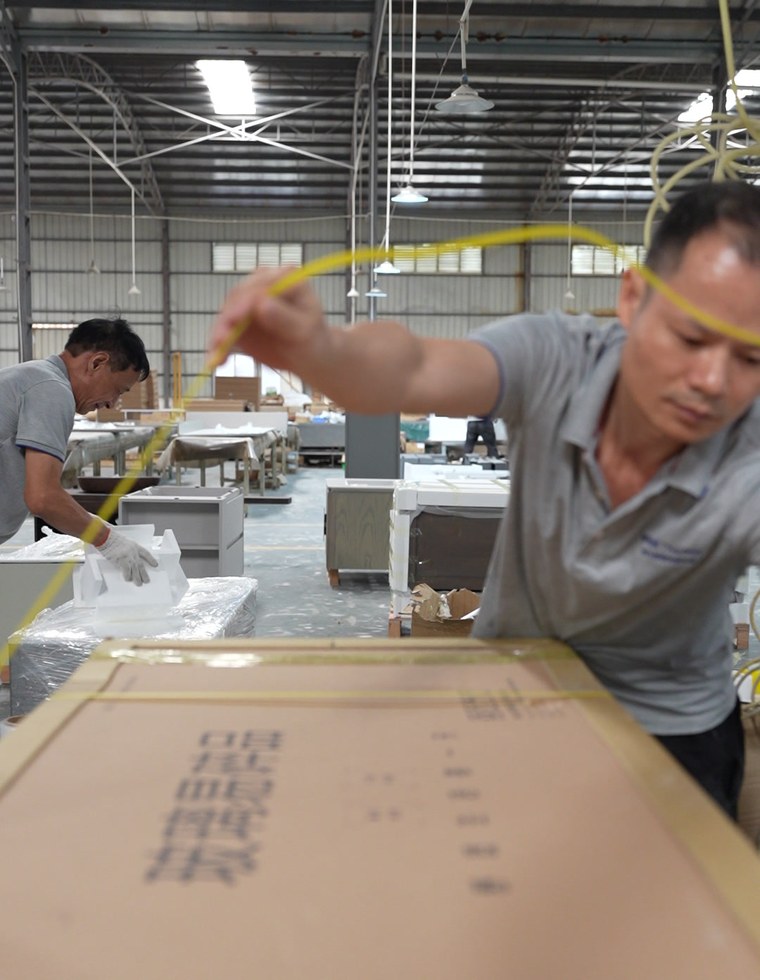
Workers assembling painted vanity cabinets on the factory production floor

Timber crates stacked in the warehouse ready for loading

Published: Last updated:

  • This guide is a sourcing and planning reference. Confirm the applicable product, contract, authority and project requirements before making a final decision.

START WITH THE PRODUCT DETAILS

Tell Us What You Need

Share the bathroom products, project requirements, target market, dimensions, materials, finishes, quantities, or customization details currently available. WNS Global will review the request and identify the information needed for the next step.