Routine Cleaning
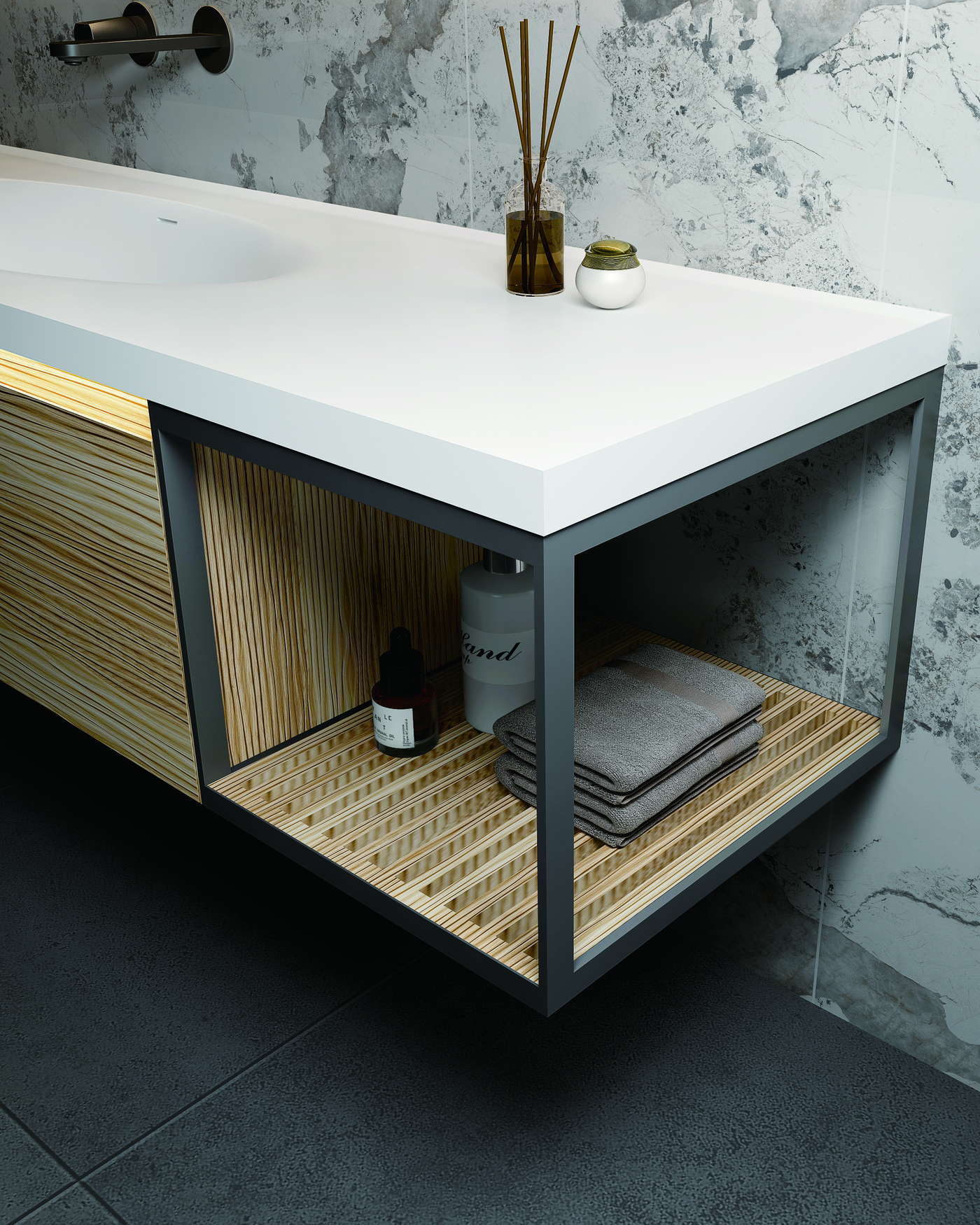
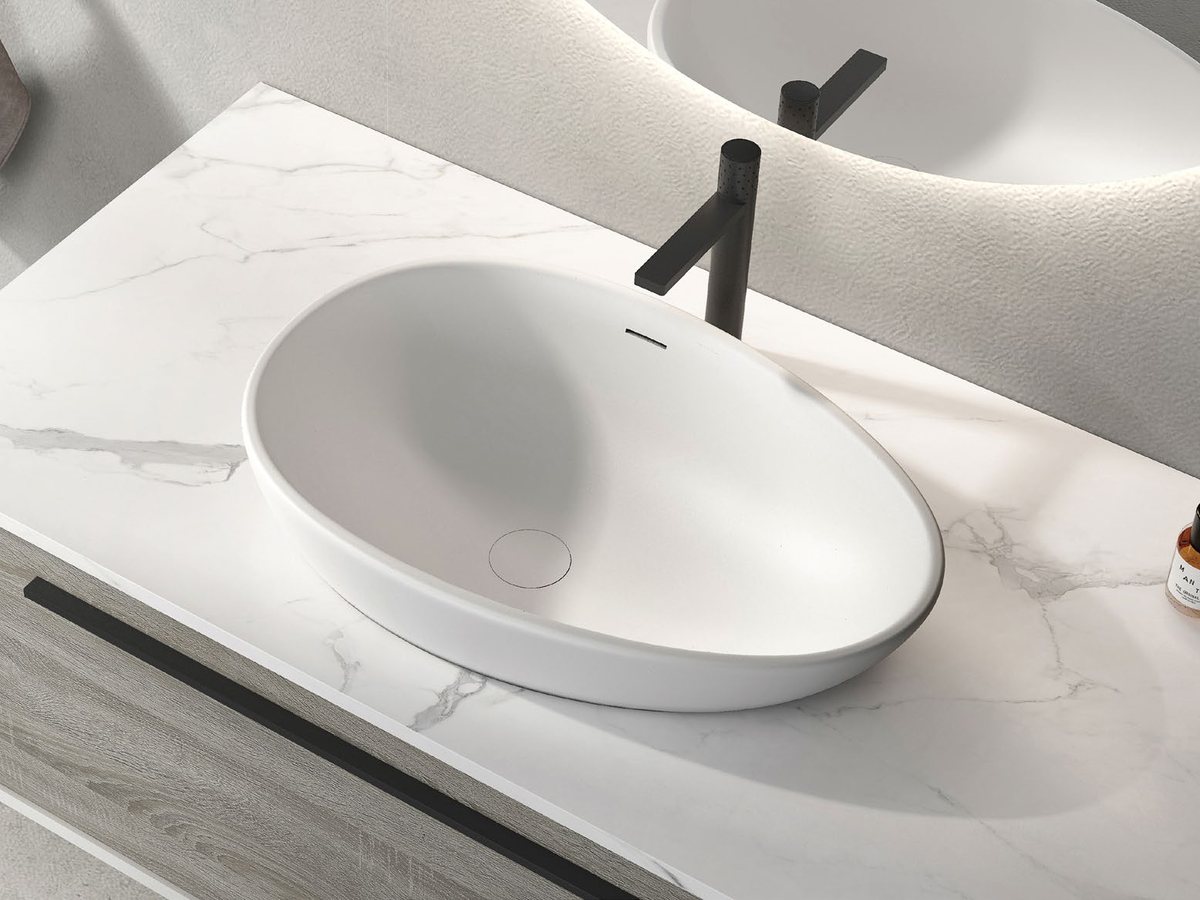
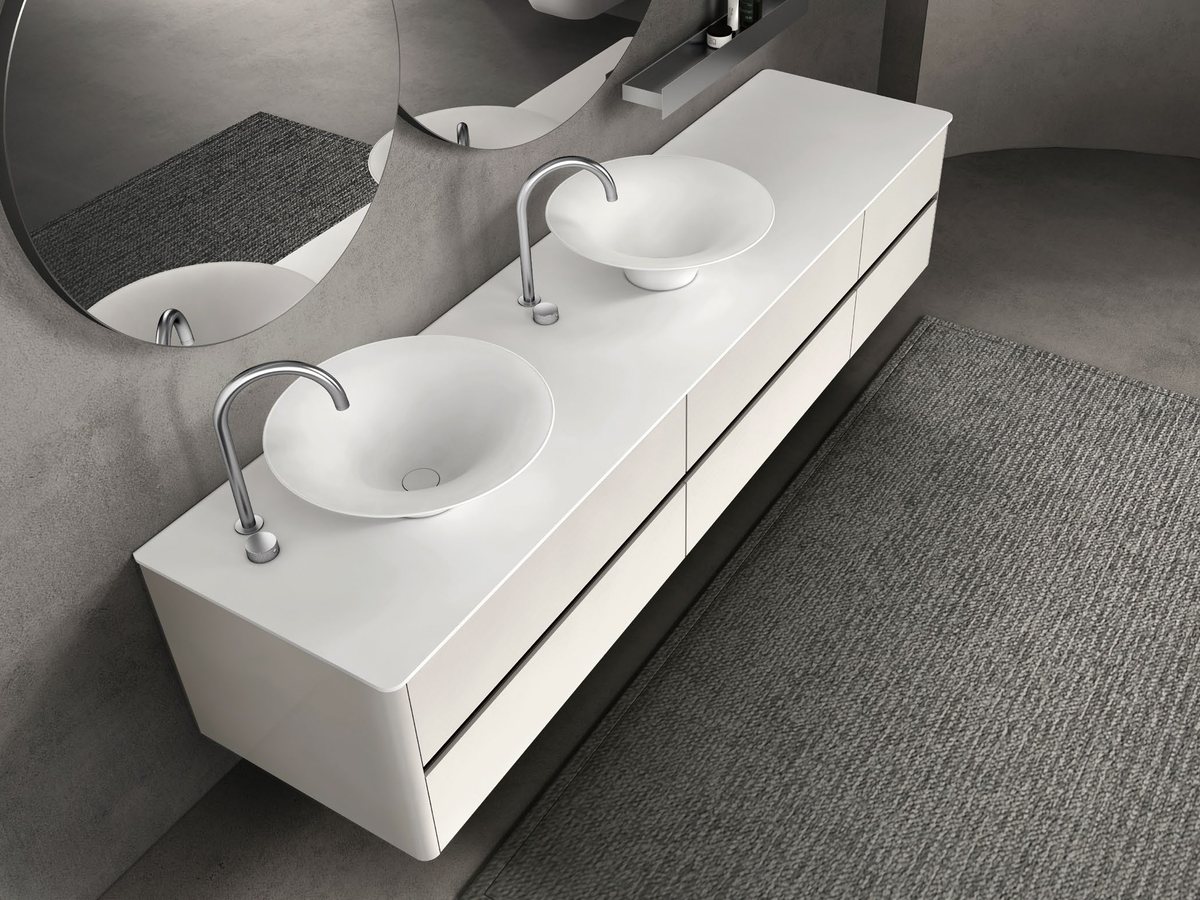
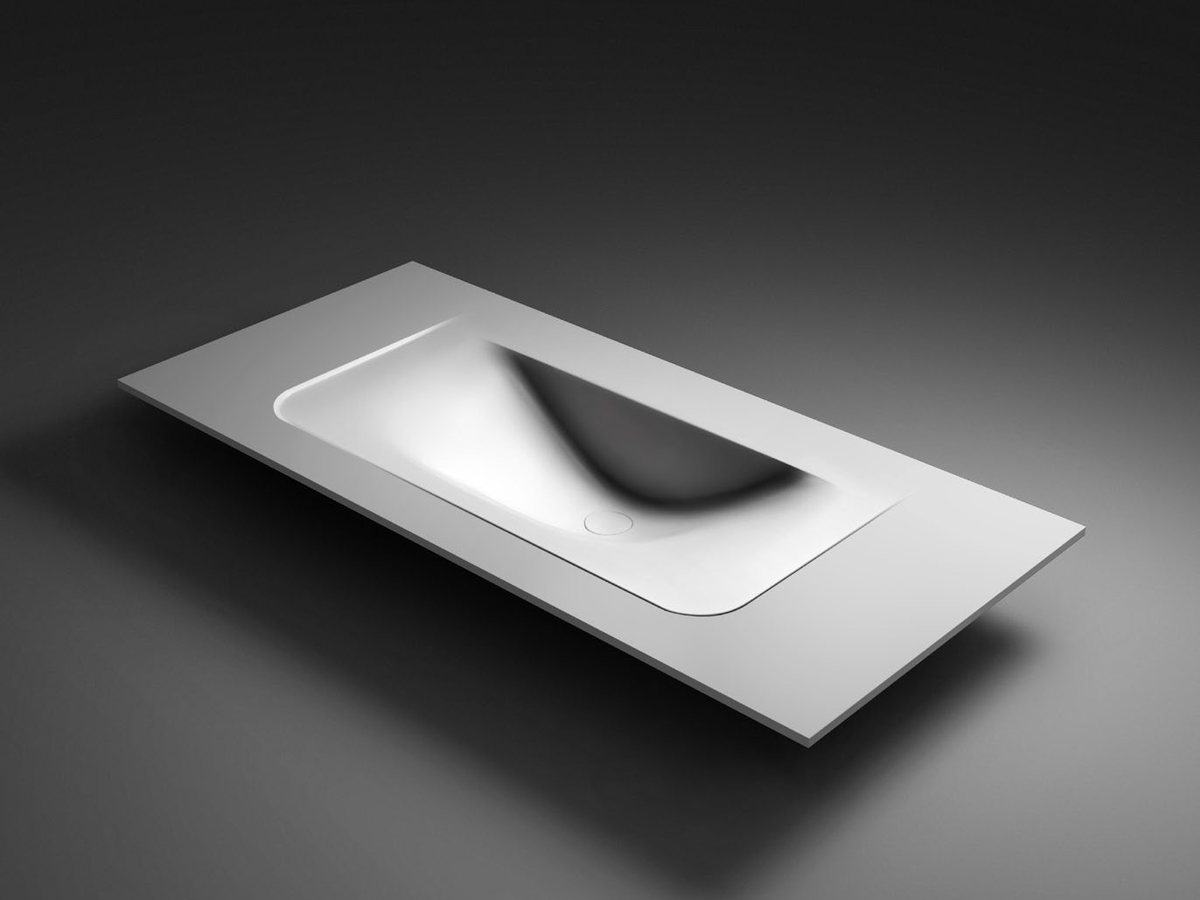
The daily routine is a mild, non-abrasive cleaner, a soft cloth or sponge, a rinse and a wipe dry. Wiping dry matters more than the cleaner: most dulling in a hard-water area is mineral residue left by evaporated water. Where limescale has built up, use a mild descaler diluted as its label directs, allow it the short working time the label gives, and rinse thoroughly. Do not let any descaler dry on the surface or sit in the bowl overnight. An integrated basin, where bowl and top are cast as one piece, has no joint between them, so there is no sealant line to collect grime and the whole top is wiped in one pass. For a hotel, name one approved cleaner and one descaler on the housekeeping card, so that no one improvises.
- Mild non-abrasive cleaner, soft cloth, rinse, wipe dry
- Descaler diluted per its label, short working time, thorough rinse
- No seam on an integrated basin, so nothing collects at the joint
- Name the approved cleaner and descaler on the housekeeping card
Stains and Scratches
A mark that survives the daily routine is treated according to the finish. On a matte finish, a gentle abrasive cream worked in small circles lifts most stains, because a matte surface is already a uniformly fine-sanded surface and a mild abrasive simply refreshes it; rinse, wipe dry, and the treated area blends in. On a gloss finish, abrasive creams dull the polish, so stains are lifted with the daily cleaner or a diluted descaler and patience. Fine scratches are removed by light sanding with a fine abrasive followed by re-polishing to the original sheen. Sanding does not break through a surface layer, because there is none, and a basin that has been in service for years can be brought back to an even finish. Refinish an area large enough to blend, and on a gloss top consider the whole visible surface so the sheen stays uniform. A chip at an edge or a burn is a filling and refinishing job rather than a polishing one; confirm the finish grade with WNS Global first so the repair matches the factory finish.
- Matte: gentle abrasive cream in small circles, then rinse
- Gloss: no abrasives; cleaner or diluted descaler and time
- Fine scratches: light sanding, then re-polish to the original sheen
- Blend the treated area; keep the sheen uniform on gloss tops
What to Avoid
The list of things that damage solid surface is short. Very hot objects placed directly on the surface, a pan from a kitchenette stove or a hair styling tool left face down on the top, can scorch or distort it; use a mat or a rest. Harsh solvents and aggressive chemical cleaners, including paint strippers and strong drain-clearing products, attack the surface; keep them away from it and flush any spill with water at once. Abrasive pads and scouring powders dull a gloss finish quickly and unevenly, and are the most common cause of a top that looks tired long before it should. Heavy objects dropped on an edge can chip it, because edges take impact less well than the flat of the top. Strong dyes left to sit will mark; wipe them up promptly.
- Very hot objects: use a mat or a rest
- Harsh solvents and aggressive cleaners: keep away, flush spills at once
- Abrasive pads on a gloss finish: they dull it unevenly
- Heavy objects dropped on an edge can chip it