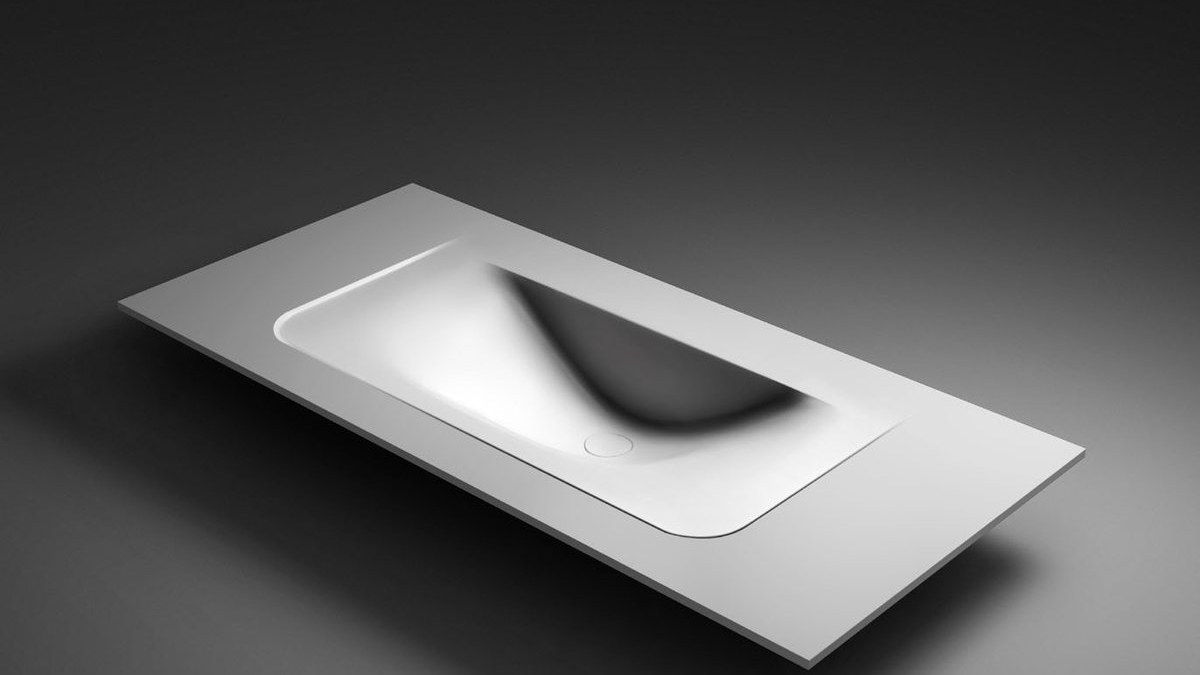
Solid Surface: Non-Porous and Repairable
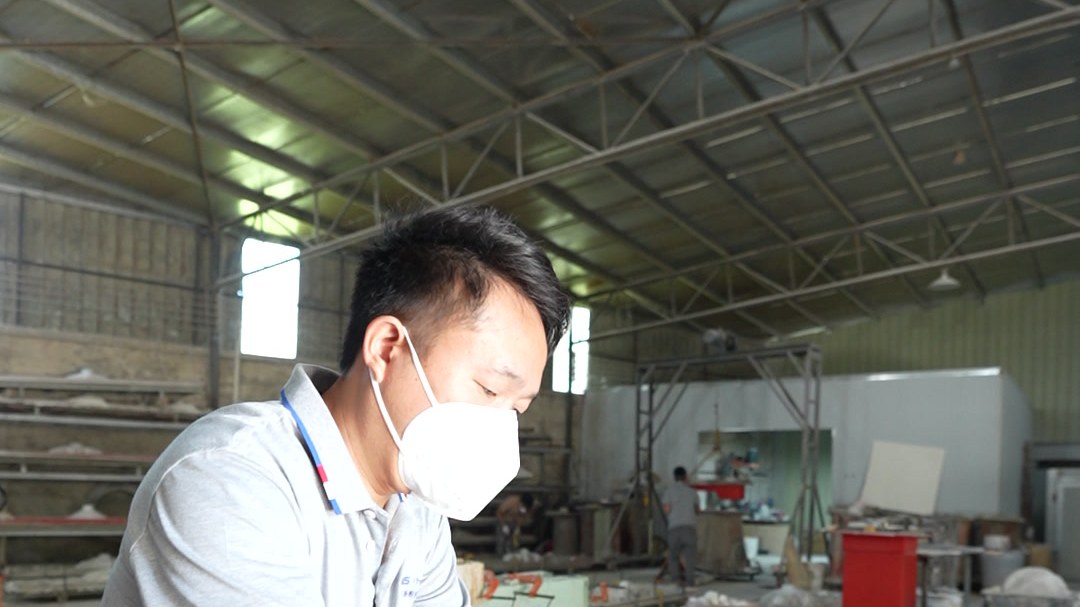
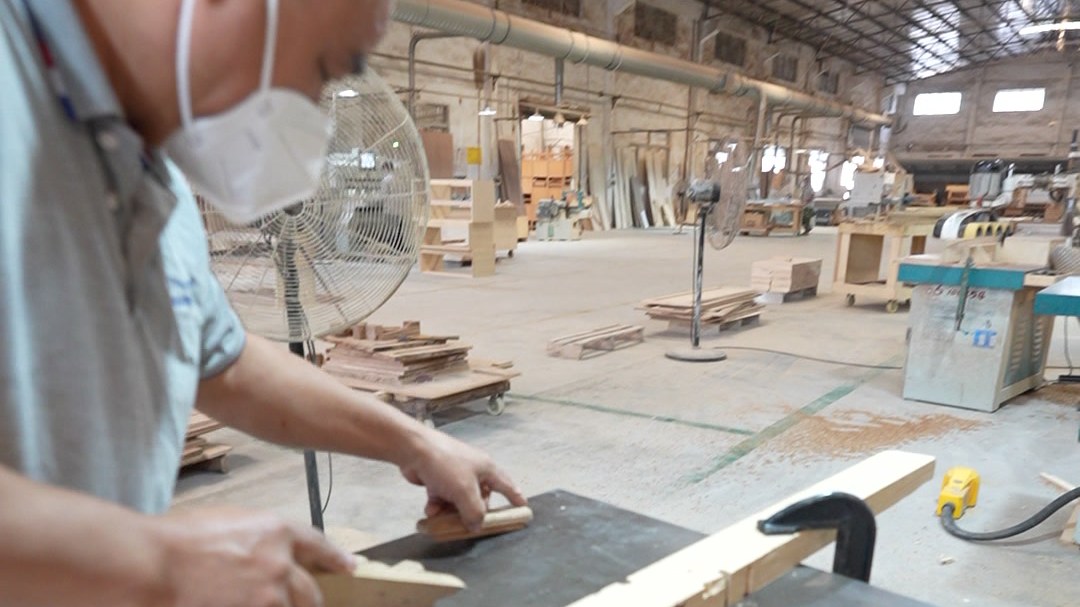
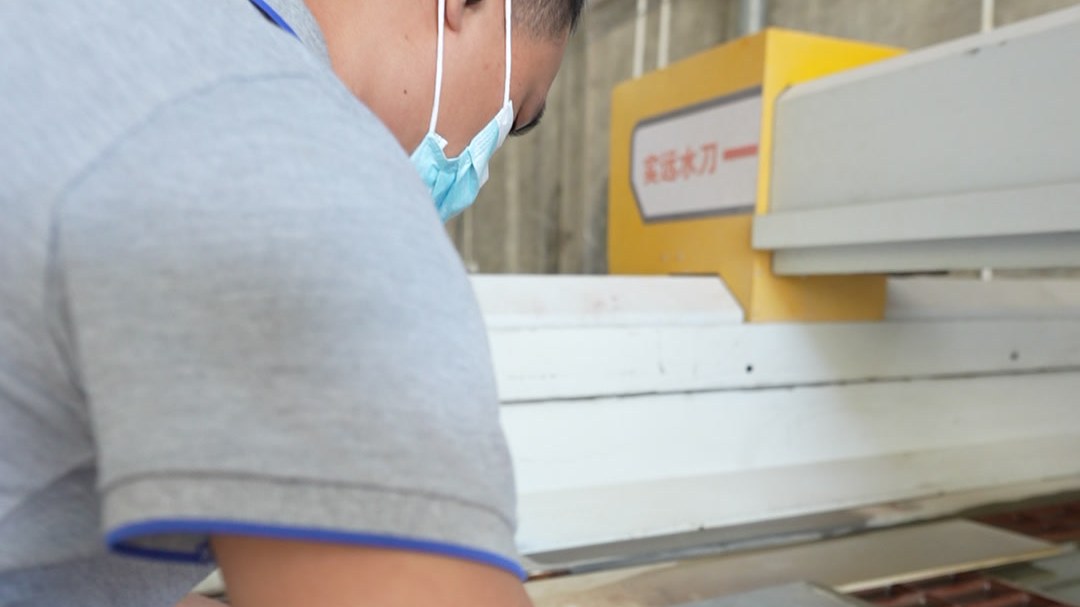
Solid surface material is non-porous by composition, not by a surface coating, so it resists staining and bacterial growth throughout its full thickness rather than only at a glazed layer. Because the color and material run consistently through the piece, light scratches and marks can be sanded and buffed away, restoring the surface without replacing the basin.
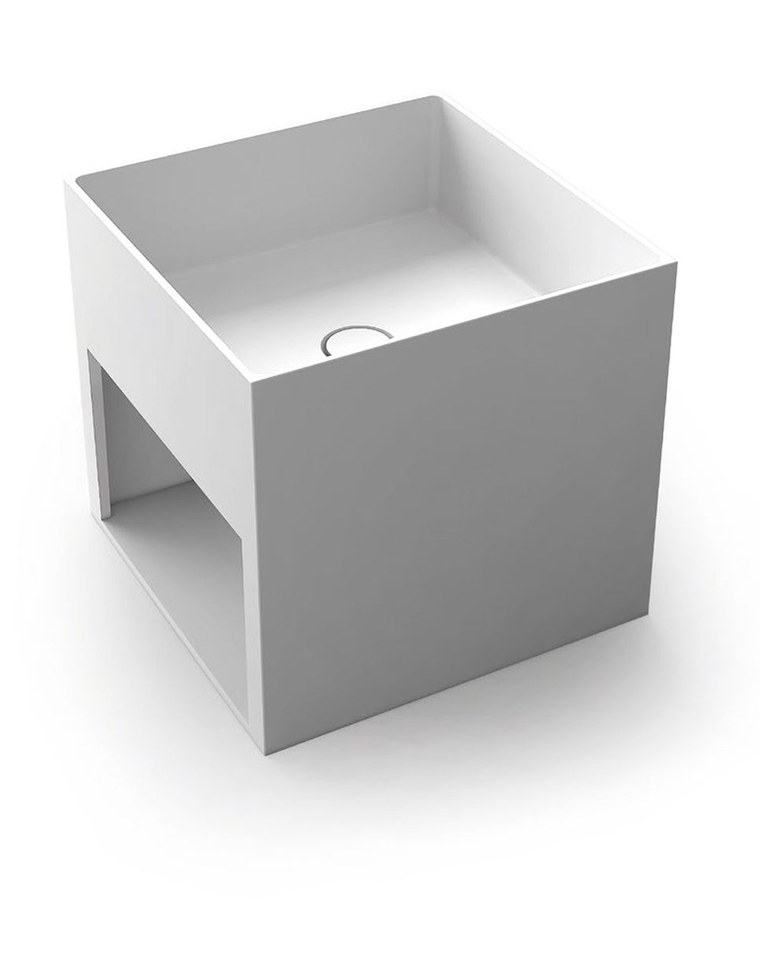
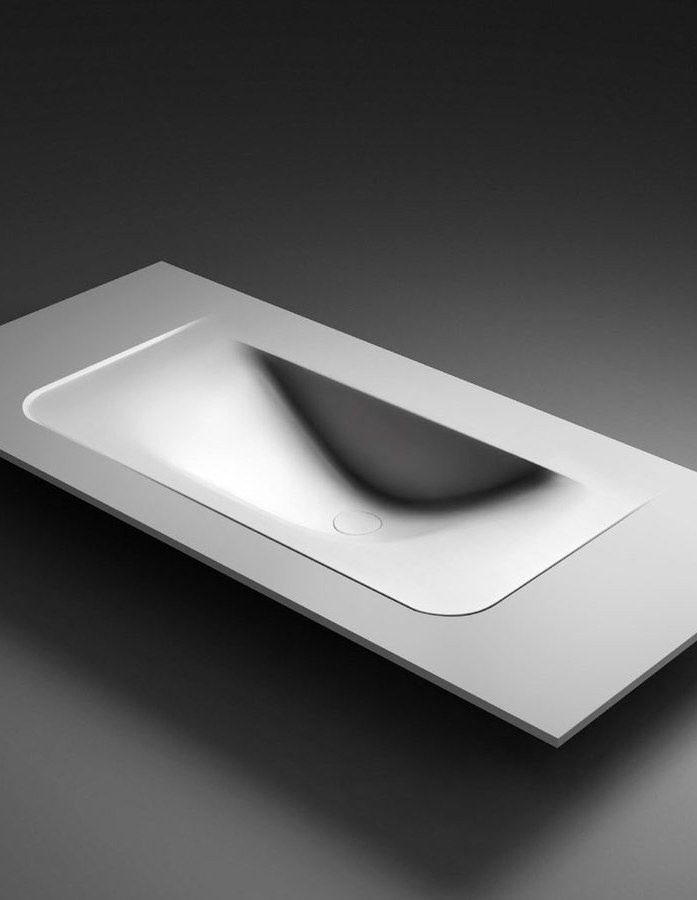
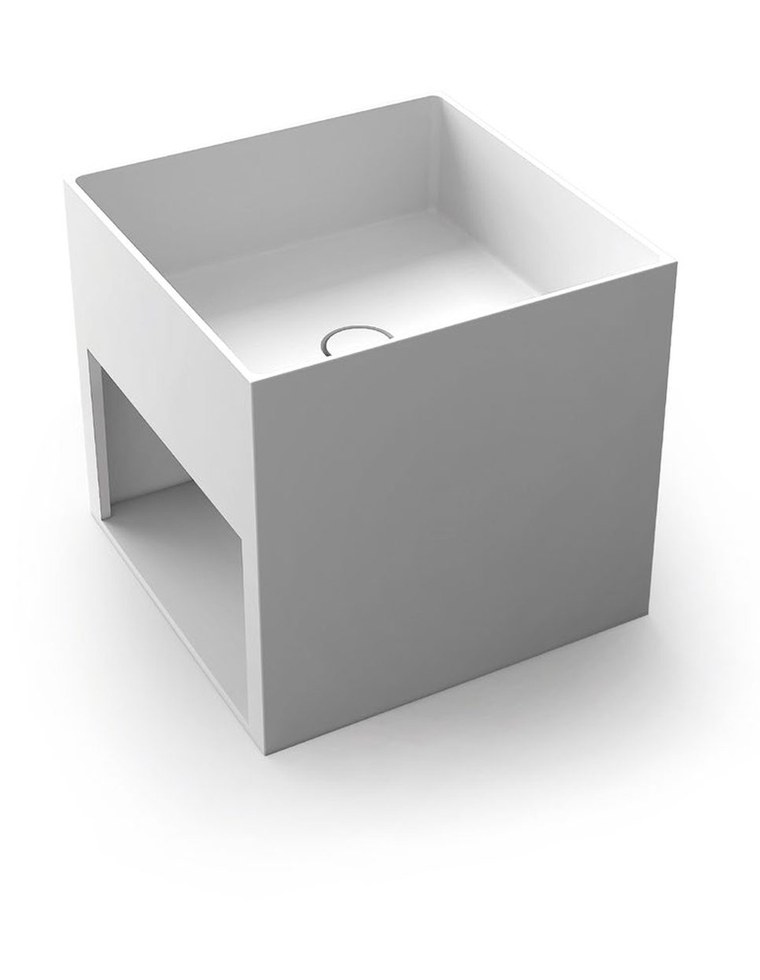
The casting process also allows custom shapes, sizes and colors, and supports a fully seamless join between the basin and the surrounding countertop, since both are formed from the same continuous material in one mold rather than joined as separate manufactured pieces.
- Non-porous through the full material thickness, not just a surface layer
- Light scratches and marks can be buffed away rather than requiring replacement
- Cast as one piece, supporting a fully seamless basin-to-top join
- Lighter material composition than fired ceramic
Ceramic: Familiar, but Glaze-Dependent
Vitreous china is fired at high temperature and finished with a glaze that provides its smooth, glossy surface and most of its stain resistance. That glaze is doing real protective work: once it is chipped or worn through, typically from an impact or abrasive cleaning over time, the material beneath begins to absorb liquids and stains in a way the intact glaze had prevented.
Ceramic's kiln-fired production also limits design flexibility for a fully integrated basin-and-top form compared with a cast material, and the fired body is considerably heavier, which affects both shipping weight and the structural support the vanity cabinet needs to provide. When ceramic is damaged, whether a chip, crack or significant glaze failure, the typical outcome is full replacement rather than repair.
Choosing Between Them
Neither material is universally correct; the right choice depends on how much weight the finish placed on long-term durability and repairability versus upfront unit cost, and how much design flexibility a specific integrated form requires.
| Comparison | Solid surface | Ceramic |
|---|---|---|
| Porosity | Non-porous throughout | Porous once glaze is damaged |
| Repairability | Sandable and buffable | Generally requires replacement |
| Seamlessness | Cast as one continuous piece | More constrained by kiln firing |
| Weight | Lighter | Significantly heavier |
| Upfront cost | Typically higher | Typically lower |
Projects prioritizing long-term durability, custom integrated forms, or lower lifetime maintenance often favor solid surface. Projects where upfront unit cost is the dominant constraint, or where a familiar ceramic look and feel is specifically wanted, more often favor ceramic despite its repair limitations.