

The Core Sections of a Report

A report typically opens with business legitimacy: confirmation that the factory's business license, registration documents and export permits are valid and current. This section establishes that the entity being audited is who it claims to be, which matters more than it might sound given how common it is for a trading company to arrange a factory audit under its own name.
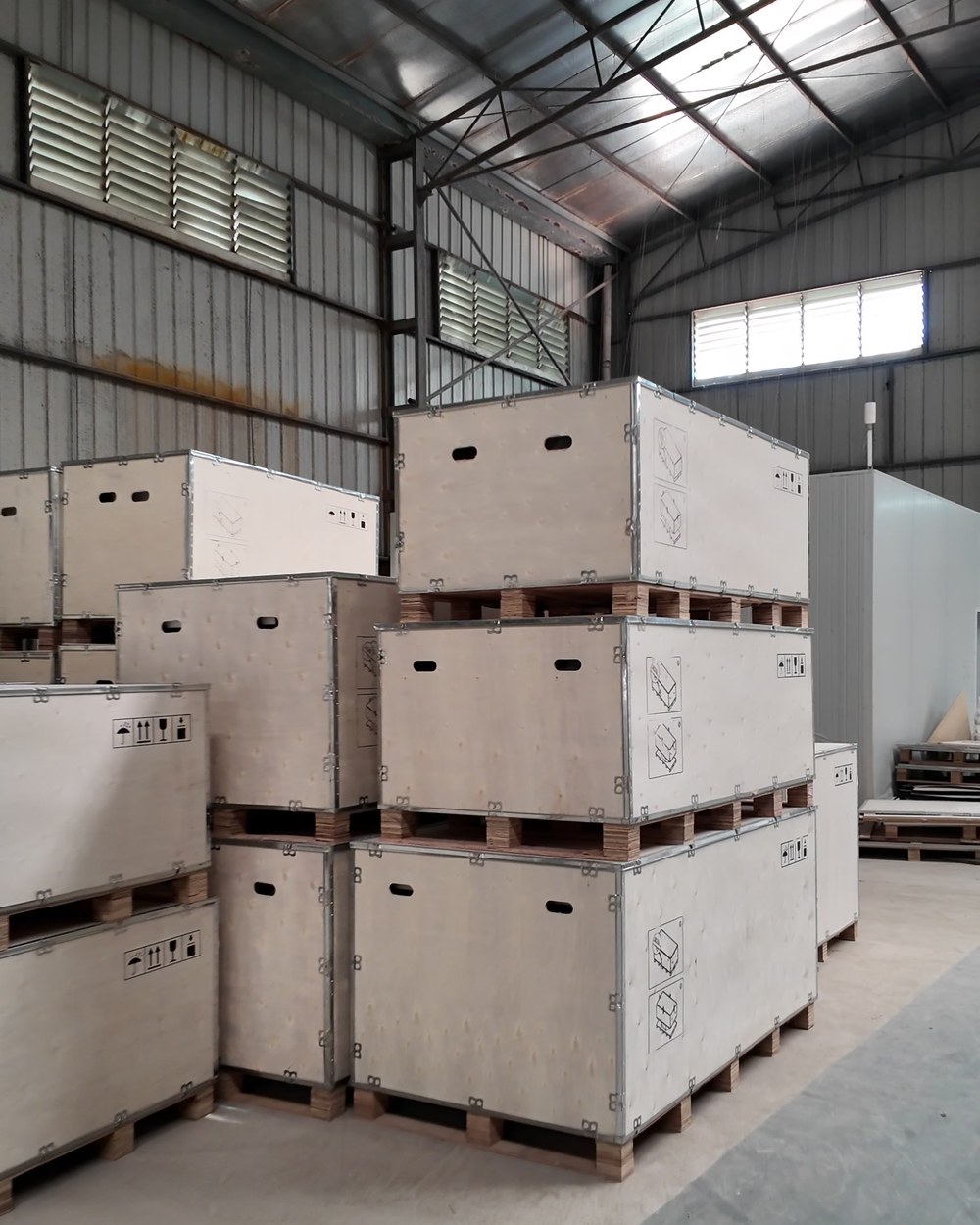
From there, the quality management system section documents whether quality procedures, internal audits and corrective action processes exist and are followed, not just whether an ISO 9001 certificate is on file. The production capacity section covers machinery condition, maintenance schedules, staffing levels and stated output, ideally checked against physical evidence rather than a verbal claim. A process controls section should show incoming material inspection, in-process checks, and a quarantine area for materials on hold, evidence of control at multiple stages rather than sorting only at the very end.
- Business legitimacy: license, registration and export permit validity
- Quality management system: documented procedures and corrective actions, not just a certificate
- Production capacity: machinery, staffing and stated output, ideally with physical evidence
- Process controls: incoming, in-process and quarantine-stage inspection records
Labor, Safety and Environmental Sections

Labor and safety compliance covers worker age verification, wage records, working hours and safety conditions, and is treated as a critical checkpoint by most sourcing organizations: evidence of child or forced labor is generally an automatic disqualifier regardless of how strong the rest of the report reads. Environmental compliance covers waste management, pollution controls and regulatory permits relevant to the factory's actual processes.
Supply chain traceability documents whether the factory can actually trace materials through production batches, which matters for both quality accountability and, increasingly, for import documentation. A management commitment section, less concrete than the others, looks for evidence of continuous improvement and training programs rather than a one-time compliance exercise.
Red Flags Worth Reading Twice For

A handful of patterns are worth specifically looking for rather than assuming a clean overall rating rules them out. Missing documentation, such as absent calibration records or batch manufacturing records, is a gap even when the rest of the report reads well. Management evasiveness on a specific compliance topic during the audit is itself a data point, separate from whatever gets written in the final report.
Inconsistencies between a factory's claimed capabilities and what was actually observed, the complete absence of lab reports or inspection records anywhere in the file, a cluttered facility suggesting weak process control, and an inability to trace materials through production batches are the patterns experienced buyers specifically scan for, rather than treating the report's summary score as the only thing that matters.