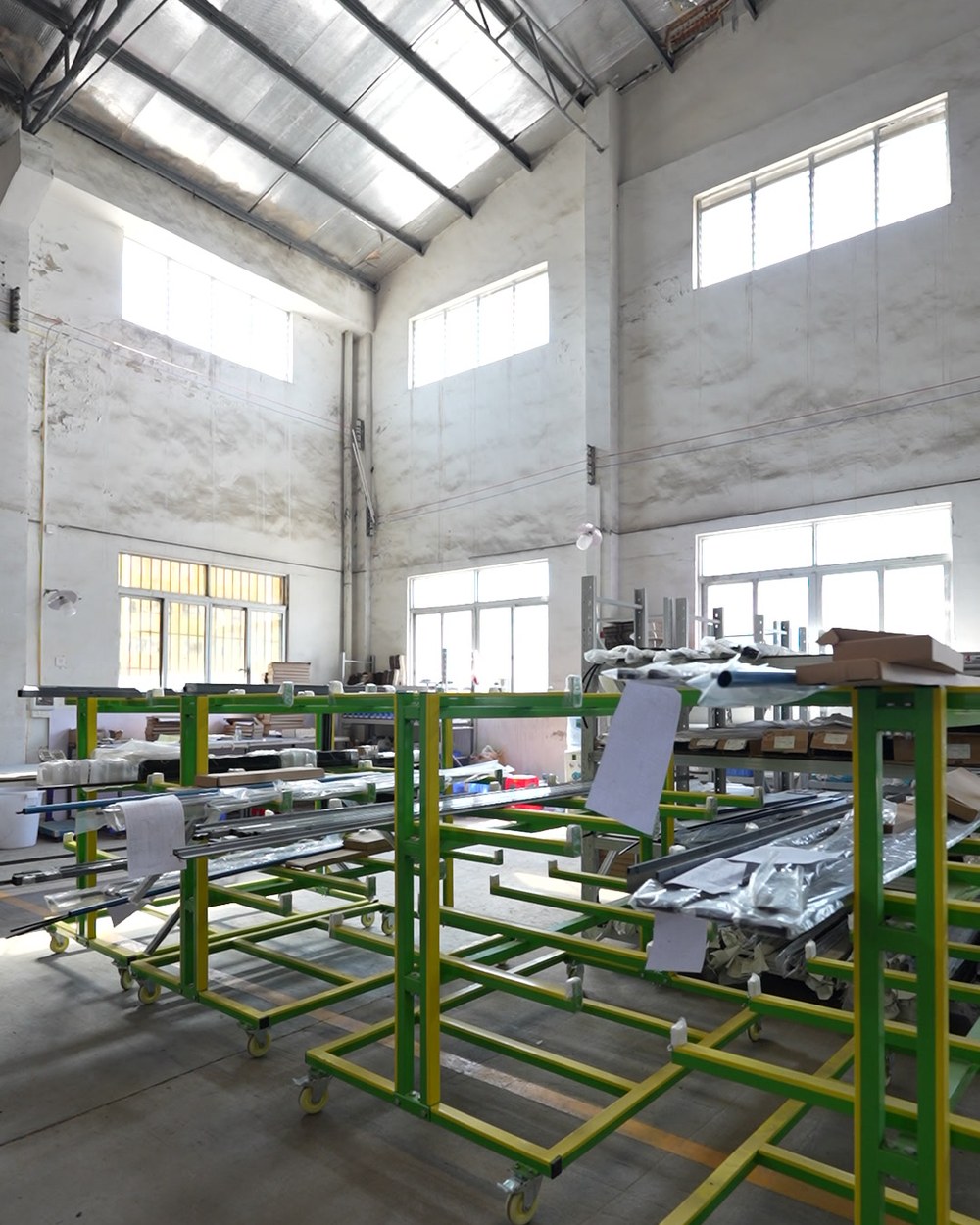
Signs You Are Talking to a Trading Company

None of these signs are proof on their own, and none of them make a trading company a bad choice. They are simply worth noticing, because together they change how you should read every other claim in the conversation.
- Catalog photos vary noticeably in production style, lighting or facility, suggesting multiple factories' work combined into one catalog
- Specific process questions, such as a curing time or a finishing step, get a paused or vague answer rather than an immediate one
- The company name on early communication does not match the manufacturer eventually named on export documents
- The registered business scope lists trading or import-export activity rather than manufacturing
- The catalog spans product categories that would normally require very different production equipment and skill sets
Signs You Are Talking to an Actual Factory
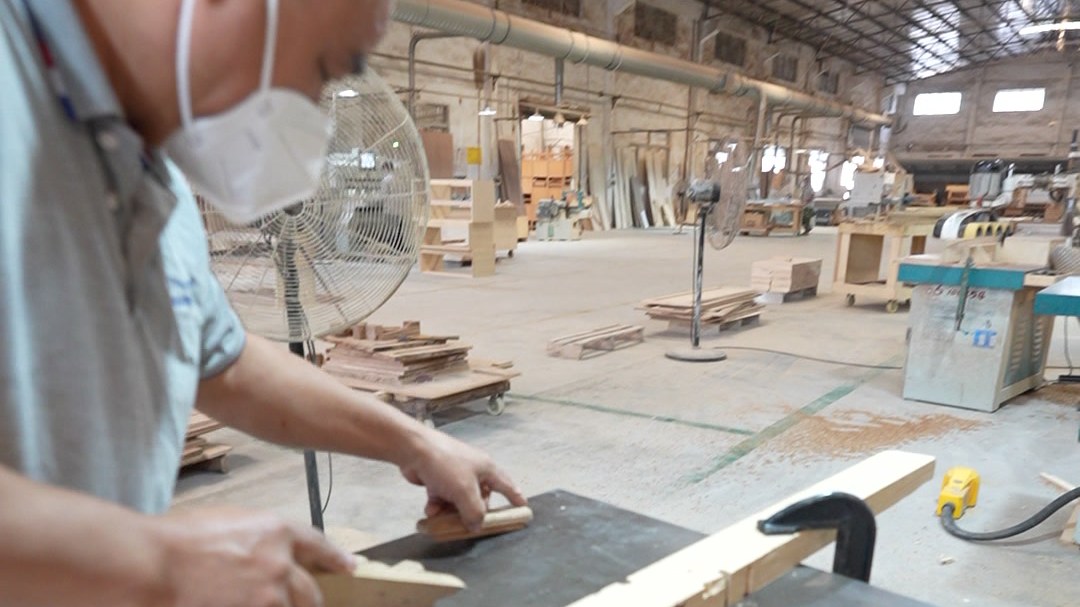
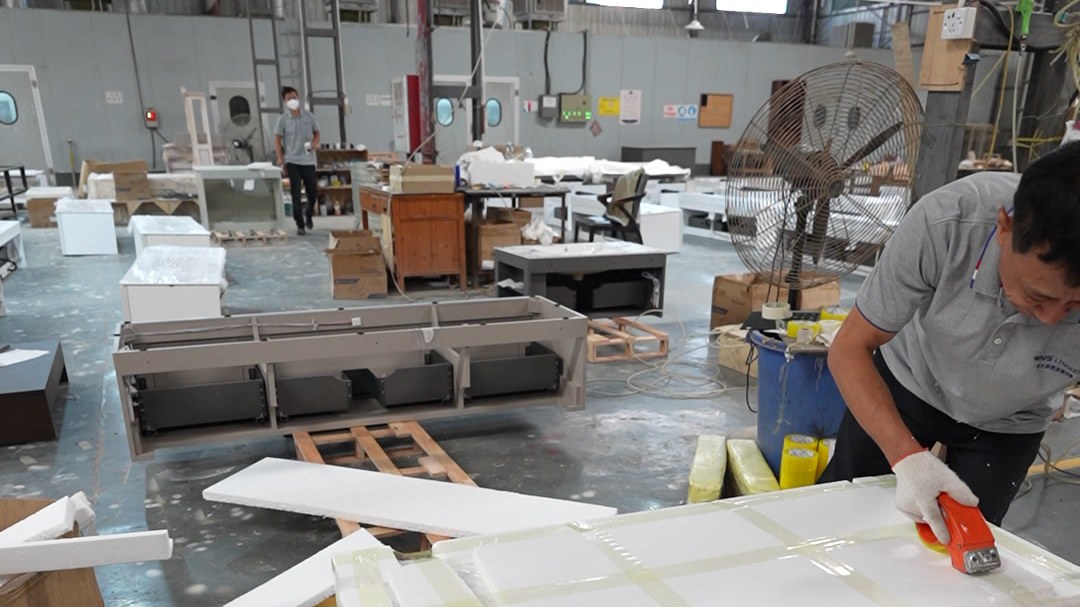
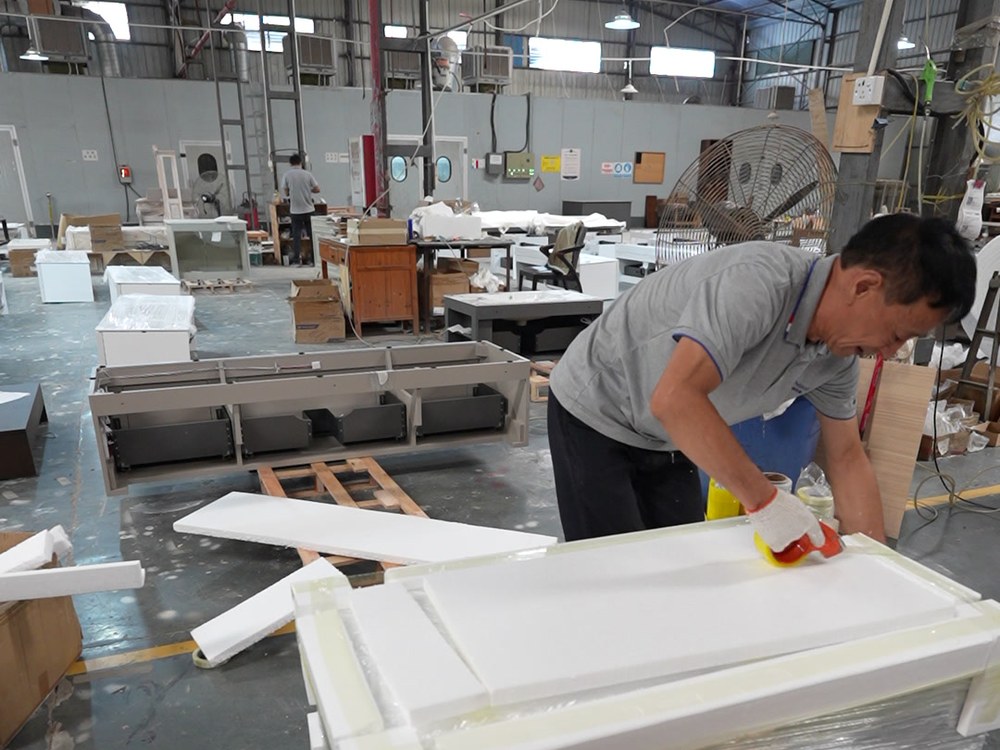
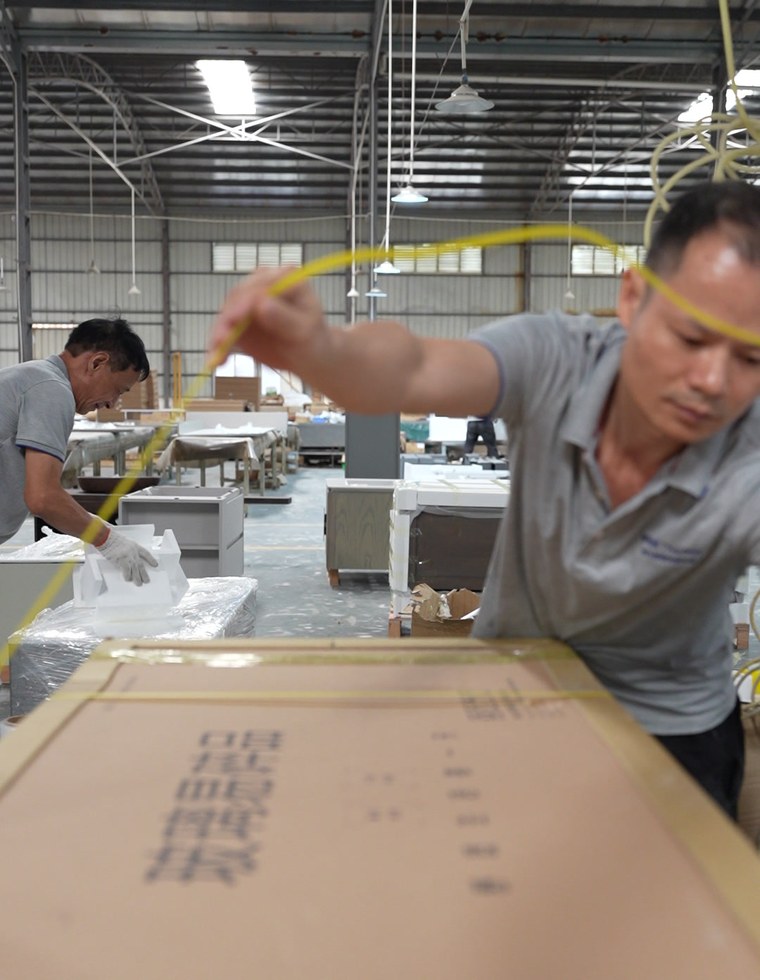
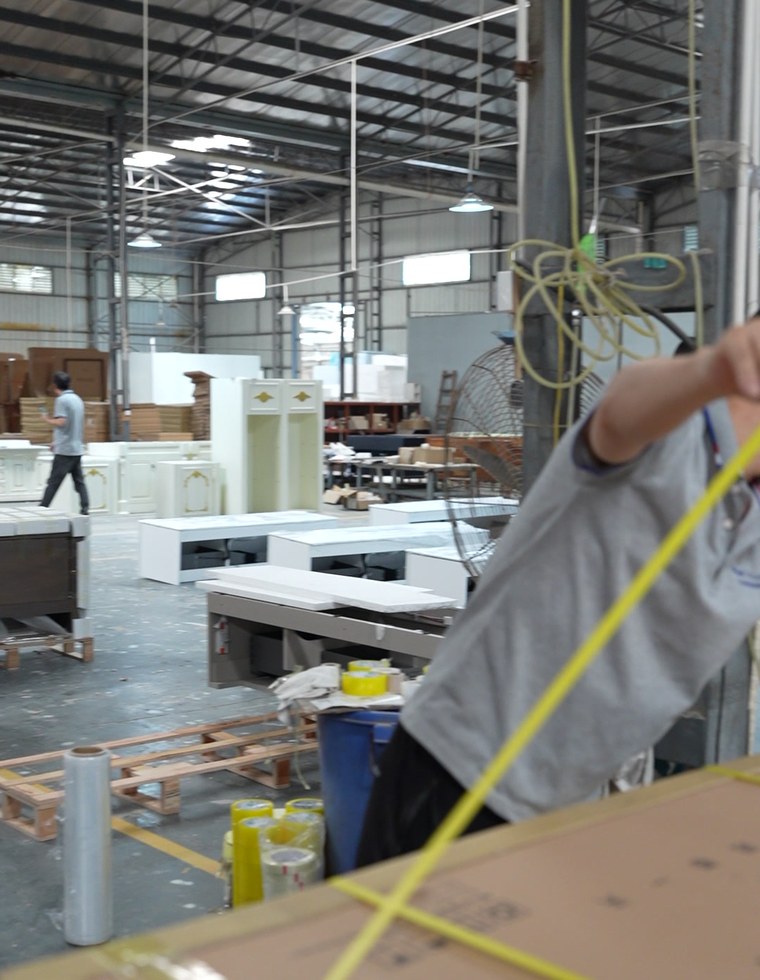
A real factory tends to show its constraints as readily as its capabilities, because the person you are speaking with sees the production floor every day rather than describing it secondhand.
- A live video walkthrough of the specific production floor can usually be arranged on reasonably short notice
- Specific process questions about materials, tooling or finishing get answered directly, because the answer is observed daily rather than relayed
- The registered business scope includes manufacturing or production for the relevant product category
- The company name on the quotation matches the manufacturer named on the packing list, invoice and any certificate
- They mention real constraints, such as a finish they do not offer or a genuine capacity limit, rather than agreeing to everything
How to Verify Rather Than Guess
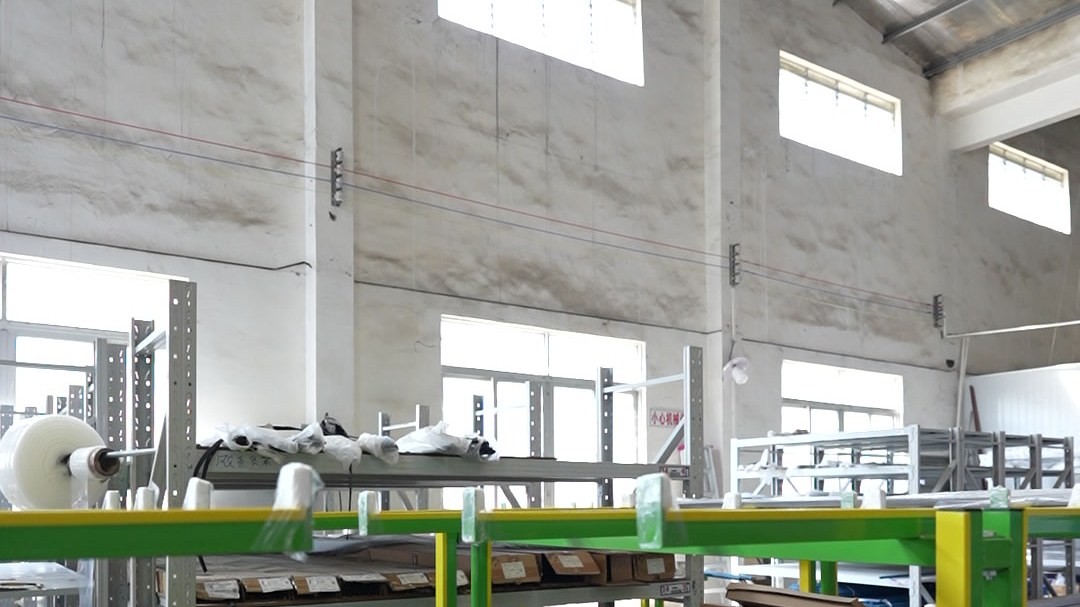
Verification does not have to mean an in-person audit for every order. A few direct checks resolve most of the uncertainty.
- Ask for the business license and check the registered scope of business; it is a public record, not a confidential document
- Request a live video walkthrough of the process specific to your product, not a general facility tour
- Cross-check the company name across every document you receive, since inconsistency is the single biggest tell
- Ask directly who handles a quality issue after shipment and how; a factory answer describes its own QC process, a trading company answer usually points to a third party
- A site visit, in person or through a trusted local agent, settles any remaining doubt, though it is not always practical for smaller orders
Why the Distinction Actually Matters
Neither structure disqualifies a supplier. Some companies manufacture certain product lines in-house and coordinate other, adjacent categories through vetted partner factories, and that is a normal and workable structure as long as it is disclosed rather than presented as one integrated factory for everything.
What changes with the distinction is what you can rely on. A cost quoted by a trading company includes a coordination margin on top of the factory-gate price, which can be a reasonable thing to pay for real value, but only if you know it is there when comparing quotations. A lead time or minimum order quantity is only as reliable as the entity stating it having direct control over the production line in question. And accountability for a defect is direct with a manufacturer, while a trading company's accountability depends on a relationship with the factory that you cannot see or verify yourself.