

Procurement guidance

Industry-Standard Payment Terms for China Sourcing Explained

T/T, L/C and D/P describe different ways money and risk move between an importer and a factory, and each shifts a different amount of that risk to each side. None of them is a fixed rule; every supplier sets its own terms for a given order, but understanding the common conventions makes a specific quotation easier to read and negotiate.

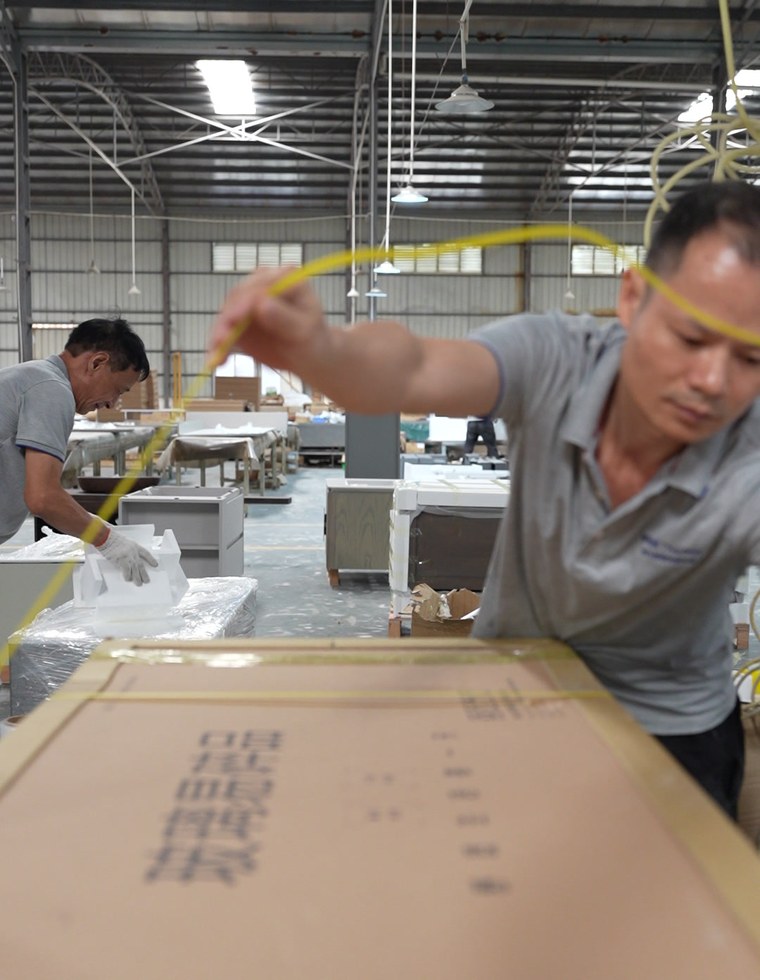
A worker running a long solid wood rail through a bench machine in the workshop

The short answer

Quick Reference

Point 01
T/T (wire transfer): the most common method; a deposit-plus-balance split is a widely cited convention.
Point 02
L/C (Letter of Credit): a bank-backed instrument, more common for larger or first-time orders.
Point 03
D/P (Documents against Payment): payment tied to shipping document release through banks.
Point 04
Trade assurance or escrow platforms are increasingly used for smaller online-sourced orders.
Point 05
Actual terms are set per supplier and per order; confirm them directly rather than assuming a default.
The glass-fronted exterior of the WNS production base

Start here

Different Instruments, Different Risk Allocation

Every payment method used in international sourcing answers the same underlying question differently: at what point does each side commit funds or goods before the other side has fully performed. A method that favors the buyer's cash flow generally shifts more risk to the factory, and one that favors the factory's certainty generally shifts more risk to the buyer.

  • T/T: simple and fast, but relies on trust between the two parties
  • L/C: bank-backed, reduces trust dependency, but adds cost and paperwork
  • D/P: document-mediated, sits between the two in terms of risk allocation
  • Terms are negotiated per supplier and per order, not fixed industry-wide

T/T: Telegraphic Transfer

A worker in apron, mask and gloves mixing finish in a bucket

T/T, a bank wire transfer, is the most commonly used payment method in China sourcing because it is simple, relatively fast, and does not require the paperwork a Letter of Credit involves. A widely cited convention splits payment into a deposit paid before production begins and a balance paid before or against shipment, though the specific split, and whether it is used at all, is set by each supplier for each order rather than being a fixed industry rule.

Because T/T relies on trust rather than a bank guarantee, it works best once a buyer has some basis for that trust, whether through a completed sample order, a factory visit, or a smaller first order used to establish the relationship before committing to full production volume.

  • Most commonly used method in China sourcing generally
  • A deposit-plus-balance split is a widely cited convention, not a fixed rule
  • Relies on trust between the two parties rather than a bank guarantee
  • Confirm the actual split and timing directly with the specific supplier

L/C: Letter of Credit
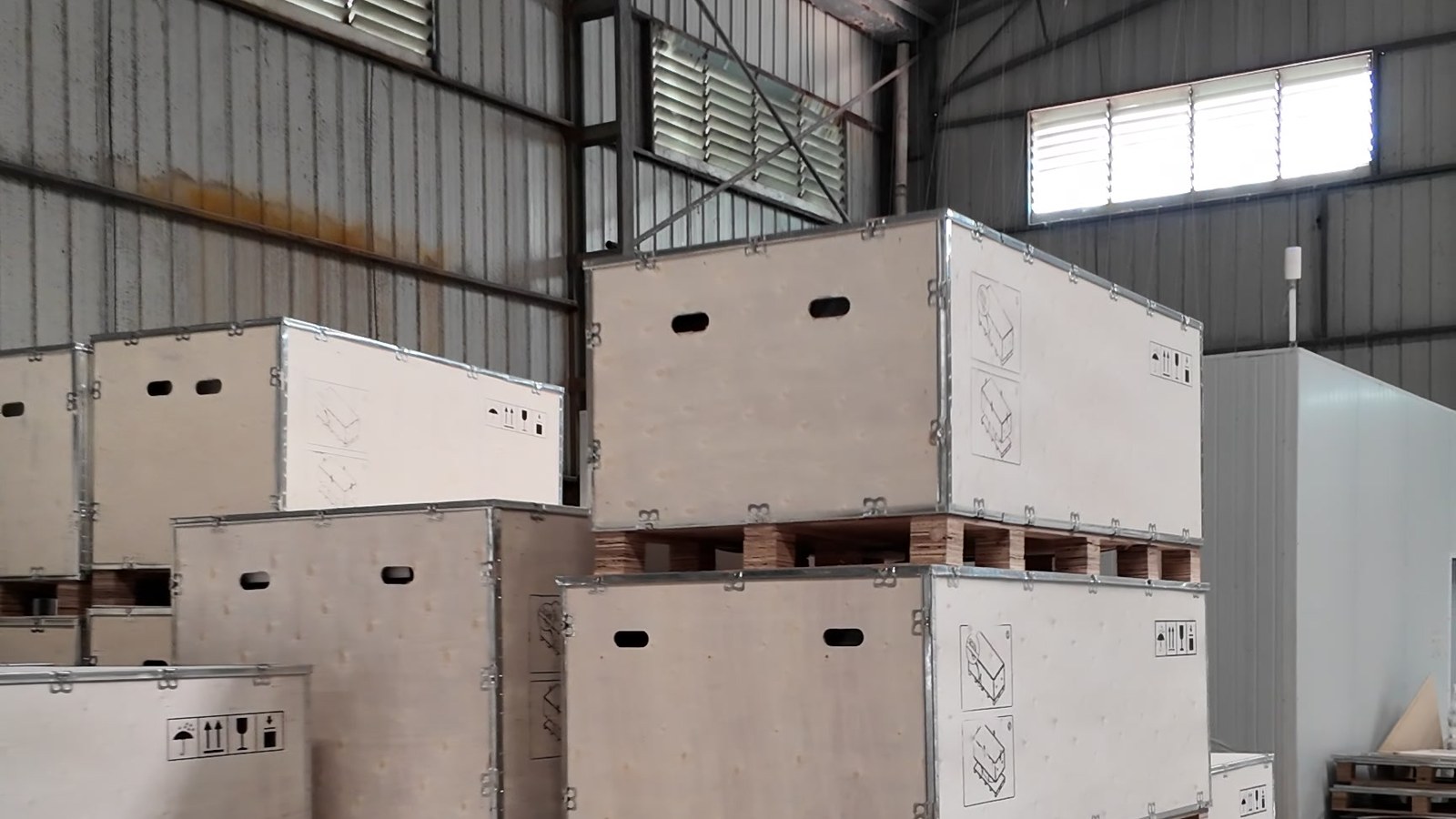
Timber crates stacked in the warehouse ready for loading

A Letter of Credit is a commitment issued by the buyer's bank, guaranteeing payment to the seller once specified documents, such as a bill of lading and inspection certificate, are presented and match the terms of the credit exactly. Because a bank stands behind the payment rather than the buyer directly, an L/C reduces the trust dependency of the transaction for the seller.

The trade-off is cost and complexity: banks charge fees to issue and confirm a Letter of Credit, and the documents presented must match the credit's terms precisely, or the bank can refuse payment over a discrepancy that has nothing to do with the actual quality of the goods. L/C is more commonly used for larger orders, first-time supplier relationships, or when a buyer's own bank or financing arrangement requires it.

  • A bank-backed guarantee of payment against specified documents
  • Reduces trust dependency compared with a direct wire transfer
  • Adds bank fees and strict documentary compliance requirements
  • More common for larger orders or new supplier relationships

D/P and Other Arrangements

Documents against Payment (D/P) is a method where shipping documents, including the bill of lading needed to claim the goods, are released to the buyer through banks only once payment is made. It sits between T/T and L/C in terms of risk allocation: it does not require a bank guarantee of payment the way an L/C does, but it ties document release to payment more formally than a simple wire transfer arrangement.

For smaller orders, particularly those originating through online sourcing platforms, trade assurance or escrow-style arrangements have become increasingly common, holding a buyer's payment until agreed conditions, such as shipment or inspection, are met. Whichever method is used, the specific terms, amounts, and timing are set between the buyer and the individual supplier for that order, not by a single industry-wide standard.
A worker in apron, mask and gloves mixing finish in a bucket

Common questions

Payment Terms Questions

Answers to the checks buyers most often make before using this guide for a project or sourcing decision.

Is a deposit-plus-balance T/T split a fixed industry rule?

No. It is a widely cited convention, but the actual split, and whether T/T is used at all, is set by each supplier for each order. Always confirm the specific terms directly rather than assuming a standard applies.

Why would a buyer choose L/C over T/T if it costs more?

An L/C shifts payment risk from a direct reliance on trust to a bank guarantee, which matters more for larger orders or a new supplier relationship where the buyer wants formal assurance the payment is conditioned on the correct documents being presented.

What is the main risk of a Letter of Credit?

A bank can refuse payment over a documentary discrepancy, a mismatch between the documents presented and the credit's exact terms, even if the underlying goods are not actually defective. Careful preparation of shipping documents matters as much as the goods themselves.

Is D/P safer for the buyer than T/T?

D/P ties document release to payment through banks, which adds a layer of formality T/T does not have, but it does not eliminate risk entirely, since the buyer typically still pays before physically inspecting the goods on arrival.

Are escrow or trade assurance payments common for large orders?

They are more commonly associated with smaller orders placed through online sourcing platforms. Larger project orders more typically use T/T or L/C, negotiated directly between the buyer and supplier.

Can payment terms differ between a sample order and a bulk order?

Yes, and this is common. A supplier's terms for a small first or sample order often differ from the terms offered once a working relationship and trust are established over a larger, recurring volume.

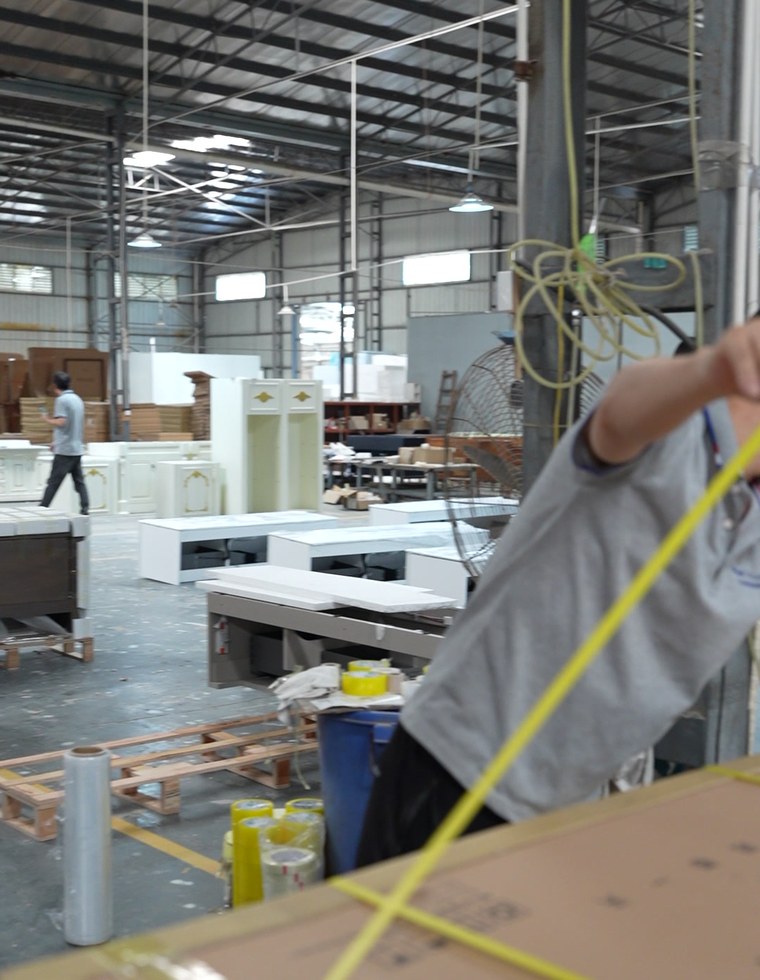
A worker holding a tape measure across a packed carton

In short

Confirm Terms Per Order, Not by Assumption

T/T, L/C and D/P each allocate payment risk differently between buyer and seller, and each carries its own trade-off in speed, cost and trust dependency. None of them is a universal industry rule; every supplier sets its own terms for a given order, so confirming the specific split, timing and method directly is what actually protects both sides.

  • T/T is the most commonly used method, with a deposit-plus-balance convention
  • L/C shifts risk to a bank guarantee, at the cost of fees and strict paperwork
  • D/P sits between the two, tying document release to payment
  • Escrow-style arrangements suit smaller, platform-based orders
  • Always confirm the actual terms directly for a specific order

Verification sources

Official Sources and Further Reading

Delivery, risk, insurance, payment and timing must be written into the signed sales contract and confirmed for the named place, product scope and order date. Incoterms® rules do not set a universal freight price, production lead time or payment policy.

Discussing an order?

Talk to WNS Global

Tell us your order size and timeline, and we can walk through the payment arrangement that fits, whether this is a first sample order or a recurring volume.

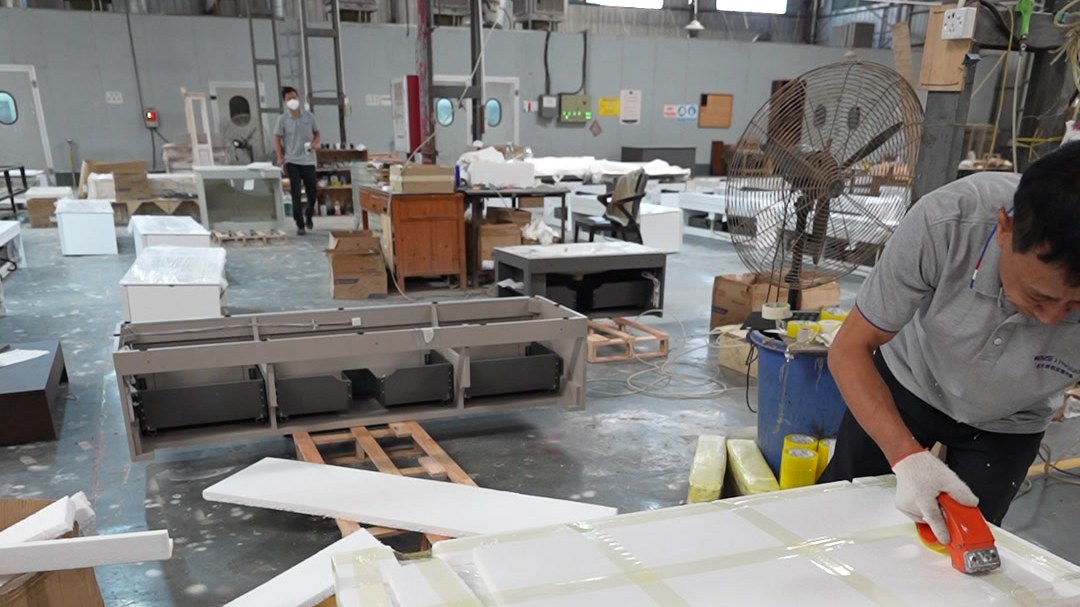
A worker wrapping a packed unit on a timber pallet in the workshop

A worker holding a tape measure across a packed carton

Published: Last updated:

  • This guide is a sourcing and planning reference. Confirm the applicable product, contract, authority and project requirements before making a final decision.

START WITH THE PRODUCT DETAILS

Tell Us What You Need

Share the bathroom products, project requirements, target market, dimensions, materials, finishes, quantities, or customization details currently available. WNS Global will review the request and identify the information needed for the next step.