OEM: Original Equipment Manufacturer
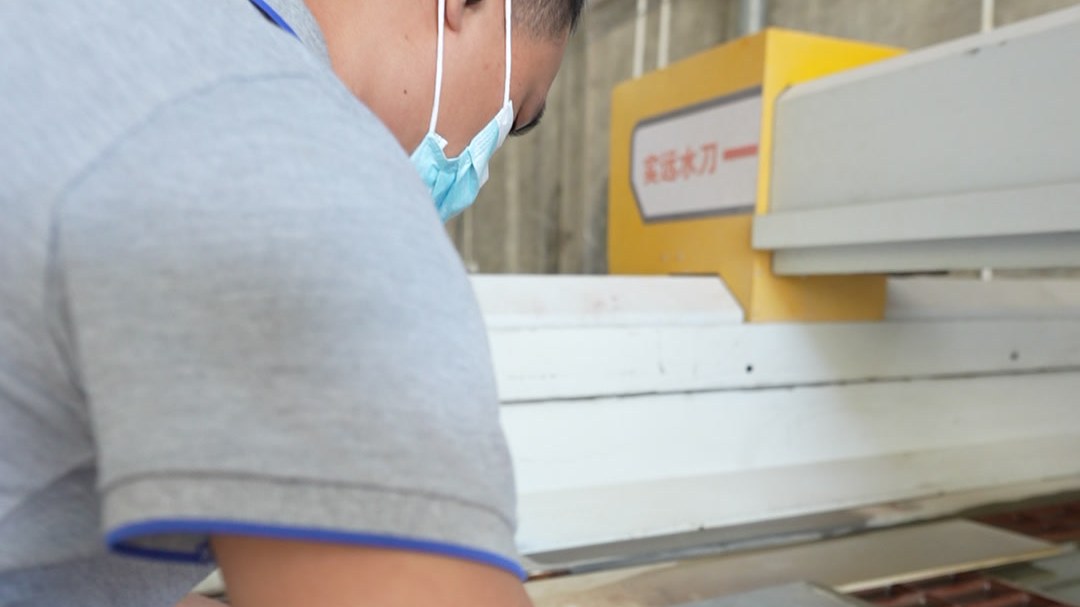
In an OEM arrangement, the buyer brings its own design, drawings or specification, and the factory manufactures to that specification. The buyer typically owns the resulting design, and if new tooling, molds or fixtures are required to produce it, that investment is usually part of the negotiation, either as a separate tooling charge or amortized into unit pricing over an agreed volume.
OEM suits buyers with a specific design they want built exactly as specified, including a proprietary product they intend to differentiate on, but it generally takes longer to reach a finished, verified product than working from something the factory already makes, since new tooling and a full sampling and approval cycle are usually involved.
- Buyer supplies the design; factory manufactures to that specification
- New tooling or molds are common, and usually a separate cost line
- Buyer typically owns the resulting design
- Longer path to a finished, verified product than an existing design
ODM: Original Design Manufacturer
In an ODM arrangement, the factory already has an existing design or product, developed on its own account, and the buyer selects from it and customizes elements such as finish, hardware, color, packaging or branding, rather than starting from a blank design.
Because the base design and tooling already exist, ODM generally reaches a sellable, verified product faster than a ground-up OEM project, and often with a lower minimum order quantity since no new tooling investment needs to be recovered. The trade-off is that the underlying design is not unique to the buyer; the same base design may be available to other buyers under their own branding.
- Factory supplies an existing design; buyer customizes and rebrands it
- Existing tooling usually means a faster path to a finished product
- Often a lower minimum order quantity than a new OEM tooling project
- The underlying design is not exclusive unless separately negotiated
Choosing Between Them
Neither model is universally better; the right choice depends on whether a buyer already has a proprietary design worth protecting, how quickly a product needs to reach market, and how much tooling investment and lead time an order can absorb.
| Comparison | OEM | ODM |
|---|---|---|
| Design origin | Buyer's own design | Factory's existing design |
| Tooling | Often new; a separate cost | Usually existing already |
| Design ownership | Typically the buyer | Typically the factory, unless negotiated |
| Speed to finished product | Slower; full sampling cycle | Faster; base design already exists |
| Exclusivity | Generally exclusive to the buyer | Not exclusive unless separately agreed |
Buyers with a proprietary design and a longer runway to launch often choose OEM. Buyers wanting a faster, lower-commitment path to a differentiated but not fully proprietary product often choose ODM, and negotiate customization and, where it matters, some form of exclusivity on top of an existing base design.