

Release Strategy
There are two ways to phase. Release production once for the whole project and stage the delivery: the factory makes everything in one run from one set of material batches, holds the later phases, and ships them to the program. Batches match, the unit price reflects the full quantity, and the supplier's storage carries the later phases — at the cost of paying for production earlier and depending on the supplier to hold stock. Or release each phase separately: cash and storage stay light and the later phases can absorb changes, at the cost of separate production runs, separate material batches and the consistency risk that comes with them. Many projects combine the two — one release for the finished components where consistency matters most (fronts, tops, finishes) and phased release for the rest. Whichever is chosen, production lead time for each release remains subject to the current production schedule, typically 45–60 days, and is confirmed per release.
- One release, staged delivery: consistent batches, earlier payment, supplier storage
- Phased release: lighter cash and storage, separate batches, consistency risk
- Hybrid: one release for finish-critical components, phased for the rest
- Lead time confirmed per release, subject to the current production schedule
Keeping Phases Consistent
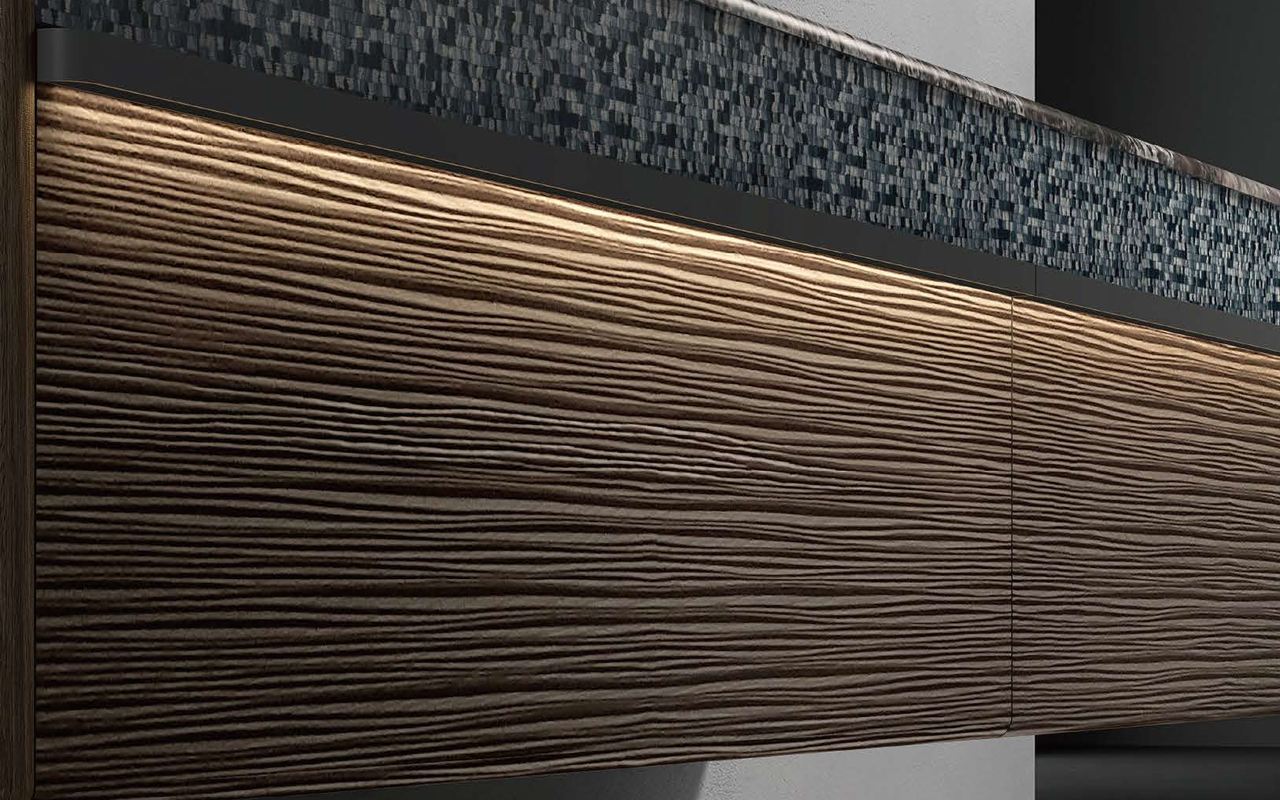
Consistency is controlled by three documents and one discipline. One specification, one approved drawing set and one golden sample apply to every phase, and any change goes through a formal revision that is applied to all remaining phases, not just the one that asked for it. The discipline is finish control: timber tone, lacquer color, solid surface color and hardware finish all drift between production batches unless they are matched against the retained sample at the start of each run. Ask for a finish sample from each phase's batch to be compared with the golden sample before that phase is produced, and keep a piece of each phase's finish with the project record so that later phases — and later spares — can be matched to the rooms already installed.
- One specification, one drawing set, one golden sample for all phases
- Changes through formal revision applied to all remaining phases
- Finish batch matched to the golden sample before each phase's run
- Retain a finish piece from every phase with the project record
Labeling, Storage and Slippage

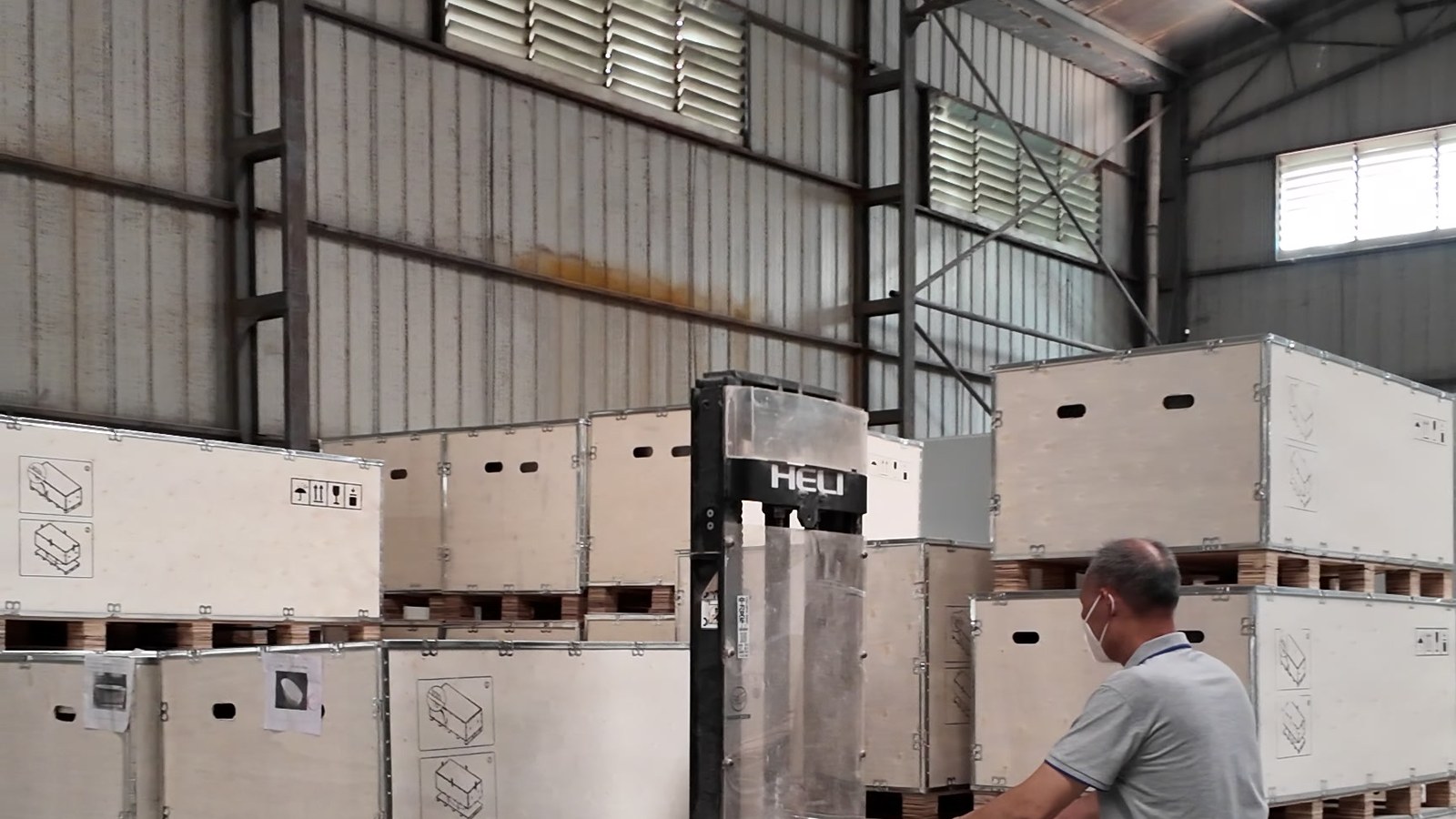
Label by building, floor and room, on every carton, applied at the factory, and organize the packing list the same way so each phase is received against its own program rather than against a project-wide SKU list. Decide where later phases are stored — at the factory, at a forwarder's warehouse at destination, or on site — and who carries the cost and the risk in each location. Then plan for slippage, because one building will slip: agree in advance whether a delayed phase is held at the factory, re-sequenced with a later phase, or delivered to storage, and what notice each option needs. A phased schedule that has no answer for a late building is not a schedule.
- Building, floor and room on every carton, applied at the factory
- Packing list organized per phase
- Storage location, cost and risk agreed per phase
- A pre-agreed response to a slipped building