Project planning

Import Project Timeline: From Production to Installation

The question a project manager actually needs answered is not "how long is production" but "when can the installer start." Those are separated by inspection, booking, transit, clearance and delivery, and each of those stages has its own clock. This guide breaks the timeline into its real stages so the installation date can be planned backwards from, rather than guessed.

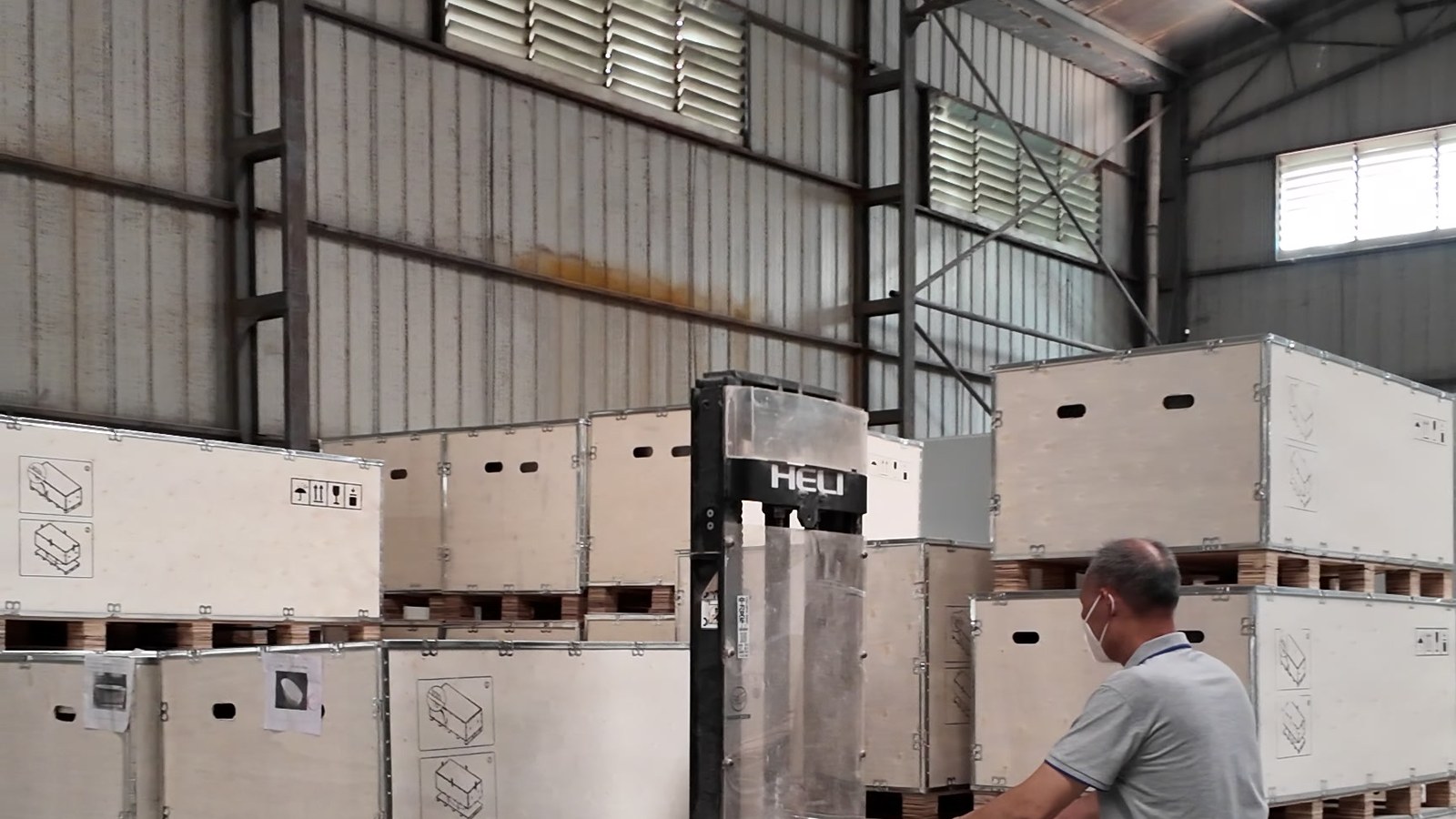
A worker moving crate-packed goods with a pallet truck in the warehouse

The short answer

Quick Reference

Point 01
Production starts only after the specification is frozen and the sample or drawing is approved — the approval step is part of the timeline, not before it.
Point 02
Production lead time is subject to the current production schedule, typically 45–60 days, and should be confirmed per order rather than assumed.
Point 03
Ocean transit from South China is commonly quoted around 12–14 days port-to-port to the US West Coast and 27–31 days to the East Coast, before customs and inland delivery are added.
Point 04
Door-to-door adds roughly a week or more beyond port arrival for clearance, drayage and trucking, and forwarders commonly recommend a further buffer of about a week for delays.
Point 05
Plan backwards from the installation date, and treat Chinese New Year and peak-season port congestion as fixed constraints, not surprises.
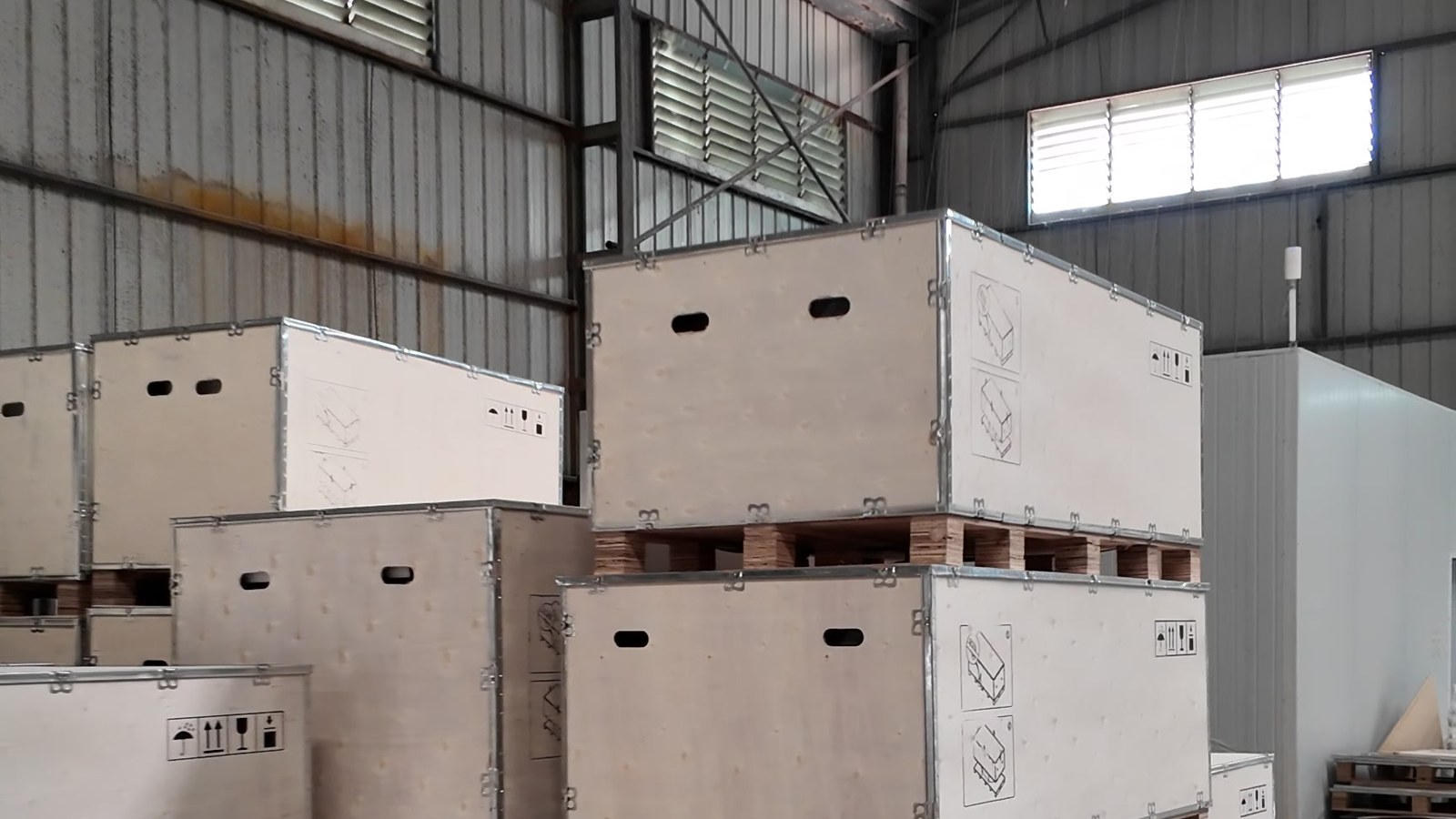
Timber crates stacked in the warehouse ready for loading

Start here

Seven Clocks, Not One

An imported bathroom fixture order passes through seven distinct stages between the first enquiry and the installer's first day on site: specification and approval, production, pre-shipment inspection, booking and loading, ocean transit, customs clearance and inland delivery, and site installation. Each stage has a different owner and a different source of delay. A timeline that quotes only the production figure is quoting one clock out of seven.

  • Approval time before production is real time and belongs on the schedule
  • Production, transit and clearance are owned by different parties
  • The installation date has to be planned backwards through all seven stages

Before Production Starts
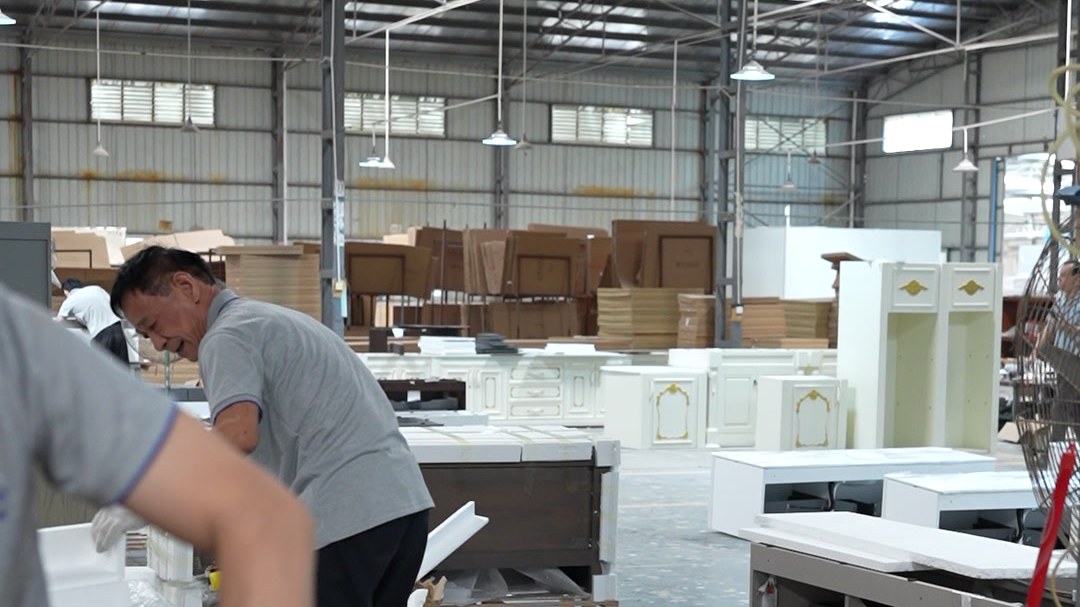
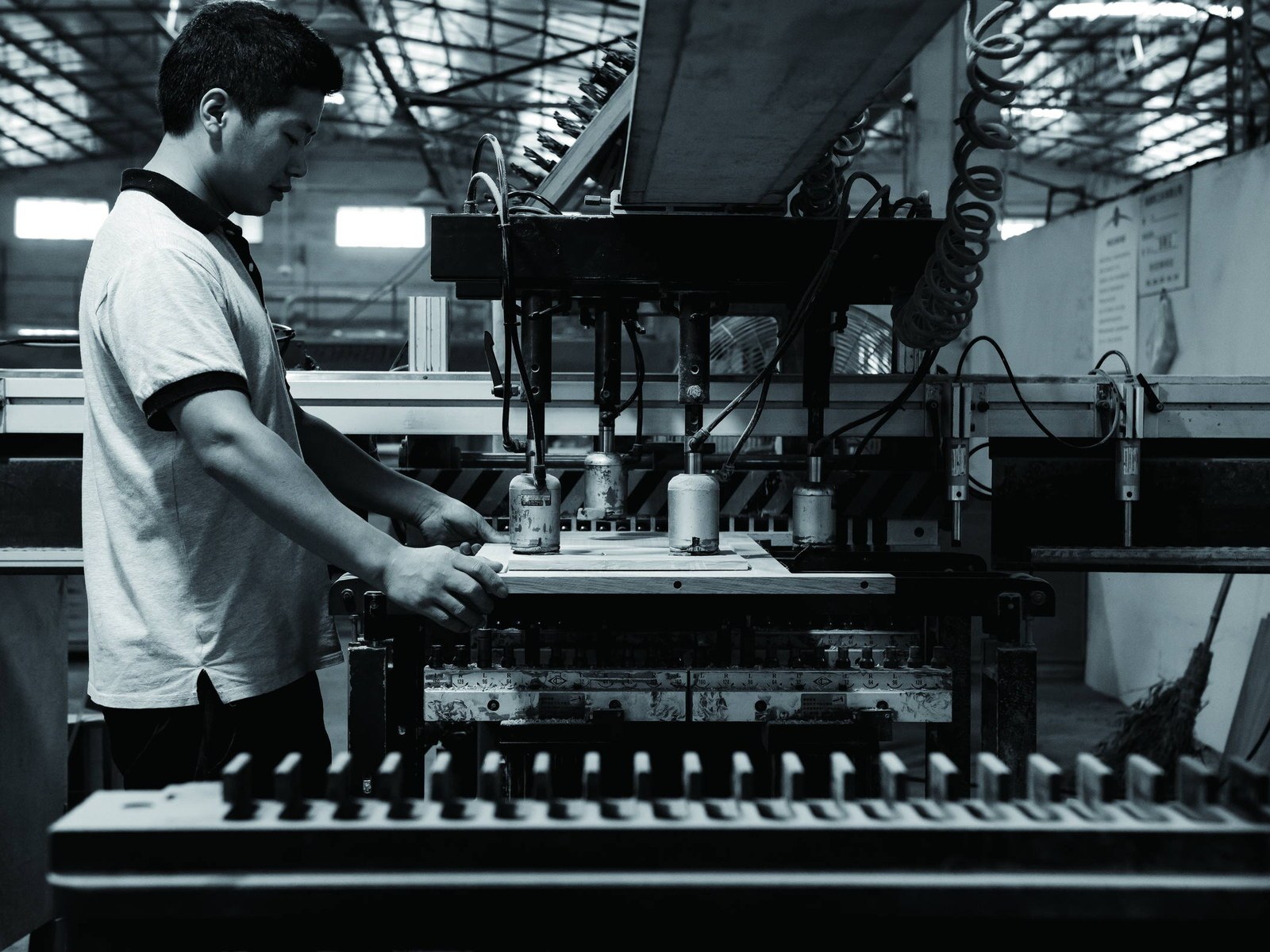
Workers assembling painted vanity cabinets on the factory production floor

Production does not start when the order is placed. It starts when the specification is frozen, the drawings are approved, and — for anything custom or color-critical — a sample has been signed off. On a project with several bathroom types this approval loop can take weeks on its own, particularly if drawings go back and forth. It is the stage most often left off the schedule, and the one most often responsible for a late start that then gets blamed on the factory.

The practical fix is to put the approval milestones on the project program with owners and dates: drawings issued, drawings approved, sample dispatched, sample approved, production released. Only the last of those starts the production clock.

  • Specification freeze and drawing approval are scheduled milestones
  • Sample approval precedes production release for custom or color-critical items
  • The production clock starts at release, not at order placement

Production to Departure

Production lead time is subject to the current production schedule — typically 45–60 days — and should be confirmed for the specific order rather than carried over from a previous one, because the factory's loading at the time of release is what actually sets it. After production, a pre-shipment inspection (whether a third-party AQL inspection or the buyer's own) needs its own slot, and any rework it triggers extends the date. Booking the container, packing and loading, and moving the goods to port follow; sailing dates are fixed by the carrier, so a missed cut-off can cost a full week even when production finished on time.

  • Confirm lead time per order: subject to current production schedule, typically 45–60 days
  • Schedule inspection as its own step, with time for rework
  • Booking and cut-off dates are carrier-fixed; a missed cut-off is a lost week

Transit to Installation

Project bathroom vanity fitted against a finished wall

Port-to-port ocean transit from South China is commonly quoted in the region of 12–14 days to the US West Coast and 27–31 days to the East Coast via the Panama Canal; other destinations have their own ranges, and any figure should be confirmed with the forwarder at booking rather than taken from a guide. Port arrival is not delivery: customs clearance, port drayage and inland trucking commonly add around 5–10 days, and forwarders typically advise holding a further buffer of roughly 7–10 days for congestion, customs holds or drayage shortages.

On site, the goods still need to be received, checked against the packing list, stored under protection, and distributed to rooms in installation order. Per-room labeling agreed before production is what makes that last step fast. Planning backwards from the installer's start date through each of these stages — and adding the seasonal constraints of Chinese New Year and peak shipping season — gives a realistic order date. Planning forwards from the order date tends to give an optimistic one.

  • Confirm transit ranges with the forwarder; treat published figures as planning references
  • Add clearance, drayage and inland delivery time after port arrival, plus a delay buffer
  • Receive, check, protect and distribute per room before installation begins
  • Plan backwards from the installation date, including holiday and peak-season constraints

Workers assembling painted vanity cabinets on the factory production floor

Common questions

Timeline Questions

Answers to the checks buyers most often make before using this guide for a project or sourcing decision.

What is the production lead time for a project order?

It is subject to the current production schedule, typically 45–60 days, and confirmed at order release rather than assumed. Factory loading at the time of release, and the size and complexity of the order, are what set the actual figure.

Does the clock start when I place the order?

No. It starts when production is released, which follows specification freeze, drawing approval and sample sign-off. Those approval steps belong on the program as milestones with dates.

How long does ocean freight take from China?

As a planning reference, port-to-port transit from South China is commonly quoted around 12–14 days to the US West Coast and 27–31 days to the East Coast. Confirm the figure for your route with the forwarder at booking, and remember that port arrival is not delivery.

What happens between port arrival and delivery?

Customs clearance, port drayage and inland trucking, which commonly add around 5–10 days, plus whatever buffer the forwarder recommends for congestion or holds. Then receiving, checking and storage on site before installation.

Why plan backwards from the installation date?

Because planning forwards from the order date tends to skip the approval loop, inspection and clearance stages, and produces an optimistic installation date. Working backwards forces each stage onto the schedule.

How does Chinese New Year affect the timeline?

Factories in China typically close for a period around the holiday and production slows before and after it. Orders released close to that window should be planned with the closure treated as a fixed constraint, confirmed with the supplier for the specific year.

A worker measuring a packed carton with a tape measure in the warehouse

In short

Seven Stages, Planned Backwards

Approval, production, inspection, booking, transit, clearance and installation each have their own clock and owner. Production is subject to the current production schedule, typically 45–60 days; transit and clearance add their own weeks; approval before production is real time too. Plan backwards from the installer's start date, confirm each figure with the party that owns it, and treat holidays and peak season as fixed constraints.

  • Approval milestones belong on the schedule
  • Lead time confirmed per order, never assumed
  • Port arrival is not delivery
  • Plan backwards, with seasonal constraints built in

Verification sources

Official Sources and Further Reading

Carrier schedules, port conditions, customs processing and factory loading change continuously. Treat any transit range as a planning reference only; use the carrier booking, forwarder quotation and signed order confirmation for the actual date.

Scheduling an import project?

Talk to WNS Global

Tell us the target installation date and destination, and we will confirm the current production schedule and the approval steps needed so the order date can be set realistically.

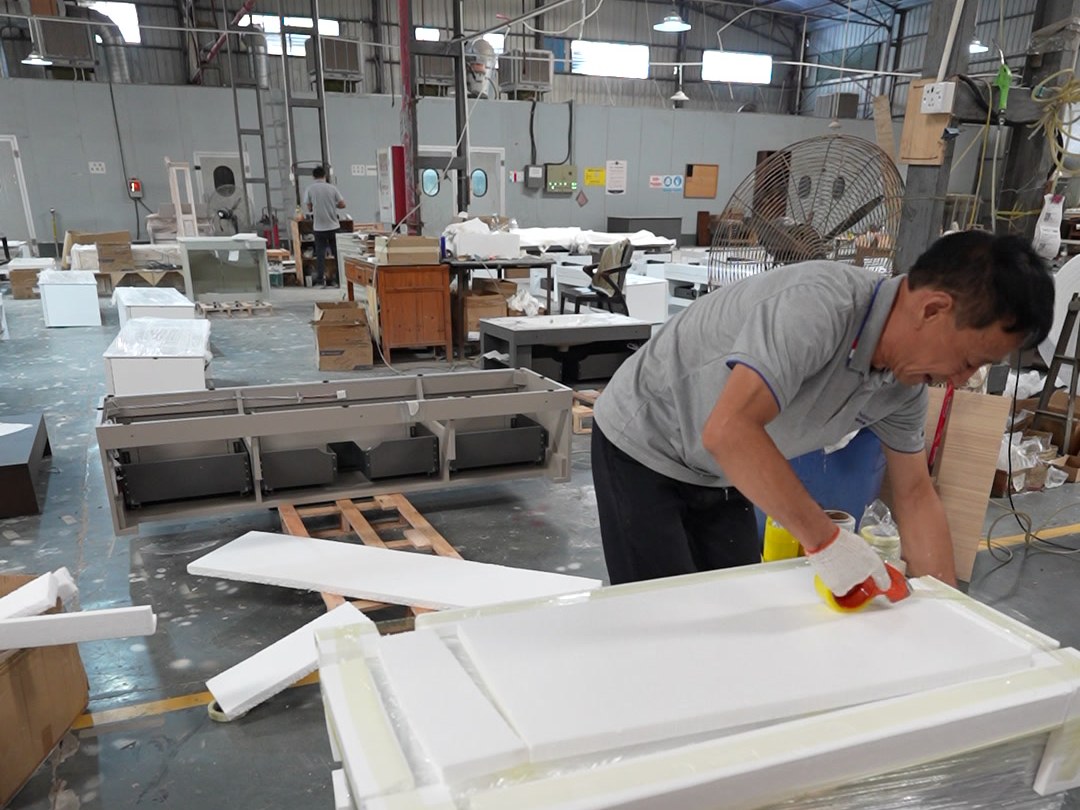
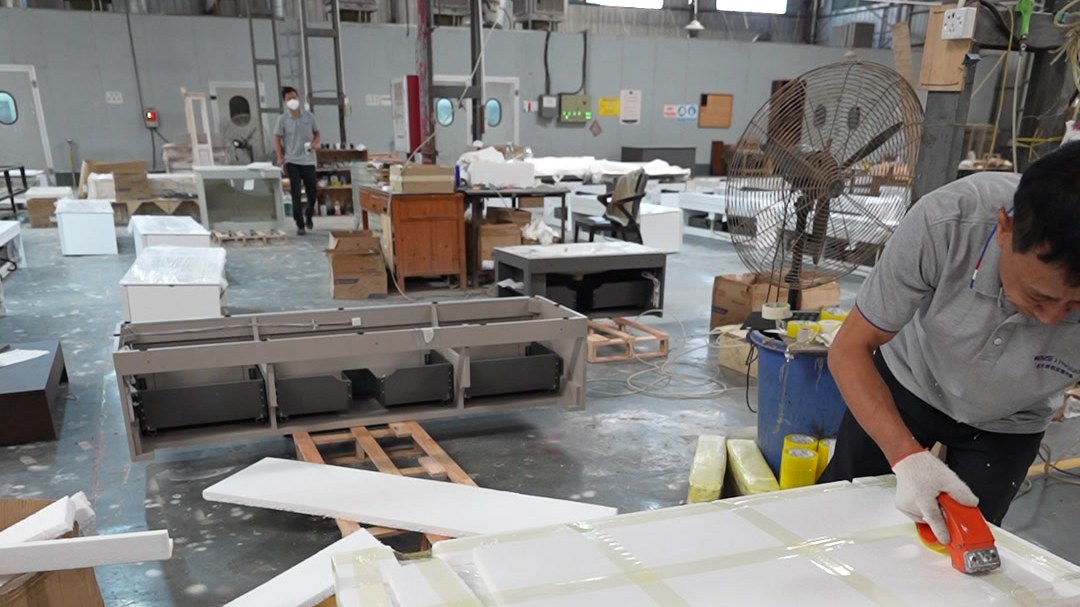
A worker stretch-wrapping a large white panel on a pallet

A worker measuring a packed carton with a tape measure in the warehouse

Published: Last updated:

  • This guide is a sourcing and planning reference. Confirm the applicable product, contract, authority and project requirements before making a final decision.

START WITH THE PRODUCT DETAILS

Tell Us What You Need

Share the bathroom products, project requirements, target market, dimensions, materials, finishes, quantities, or customization details currently available. WNS Global will review the request and identify the information needed for the next step.