
From energy source to quotation
What is the difference between a pressure-assisted and a gravity toilet?
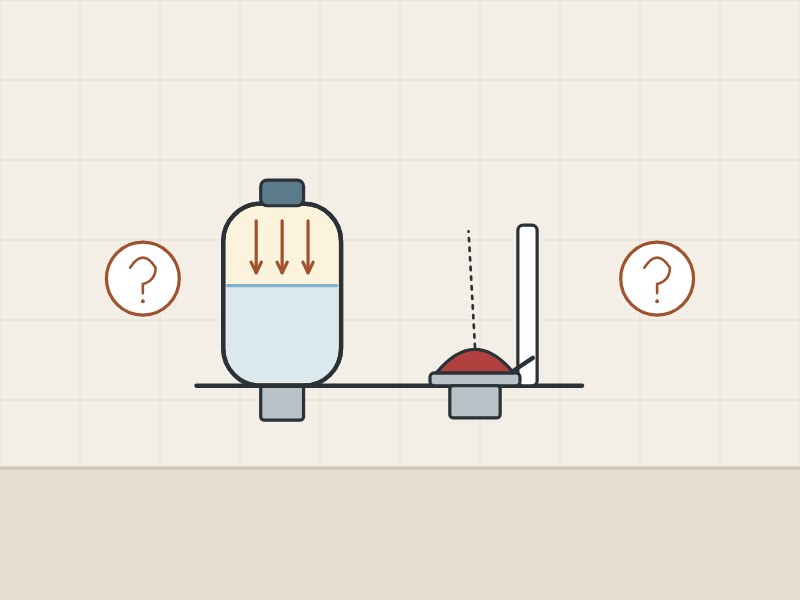
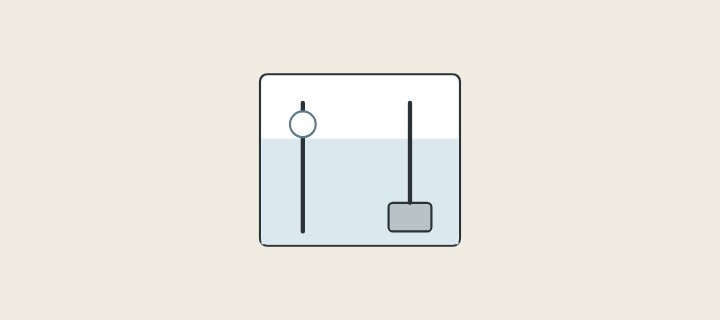
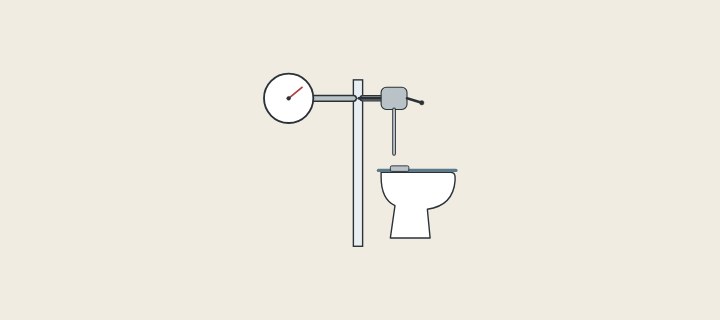
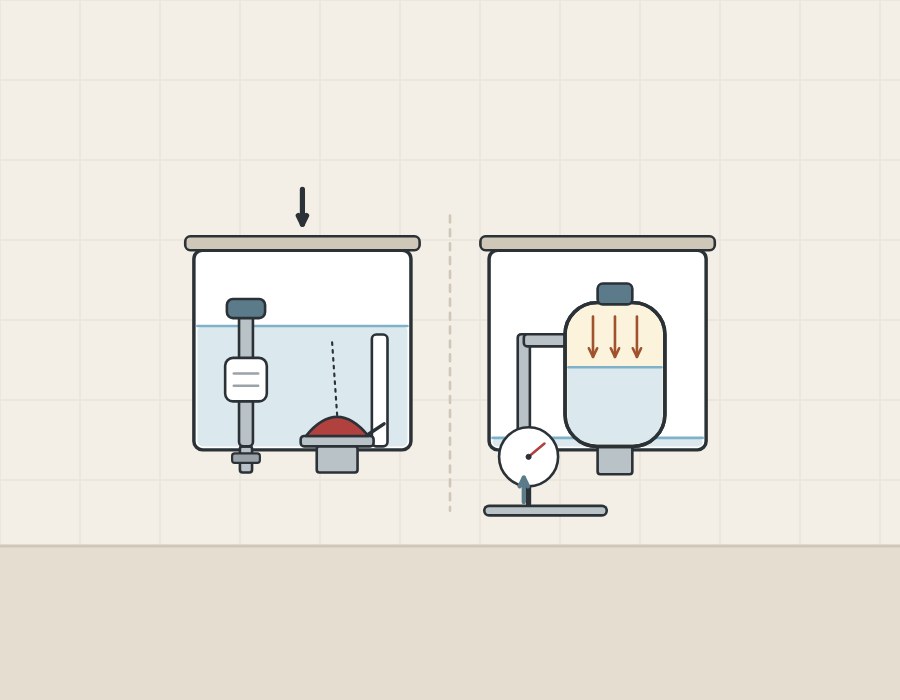
The difference is where the flushing energy comes from. MaP Testing’s consumer guide describes gravity-fed fixtures as using only the weight of the water in the tank, and pressure-assist fixtures as using the building’s water-line pressure to compress air in a vessel inside the tank.
The WaterSense specification defines a pressure-assist toilet as a water closet that uses a flushometer tank as its flushing device, as defined in ASME A112.19.2/CSA B45.1.
| Term | What the source says |
|---|---|
| Gravity fed | MaP: only the weight of the tank water supplies the energy. |
| Pressure assist | MaP: line pressure compresses air in a vessel inside the tank. |
| Flushometer tank | EPA: the flushing device of a pressure-assist toilet. |
| Tank-type toilet | EPA: gravity, pressure-assist and electromechanical hydraulic varieties. |
| Flushometer-valve toilet | EPA: a tankless fixture. |
How does a pressure-assisted flush work?
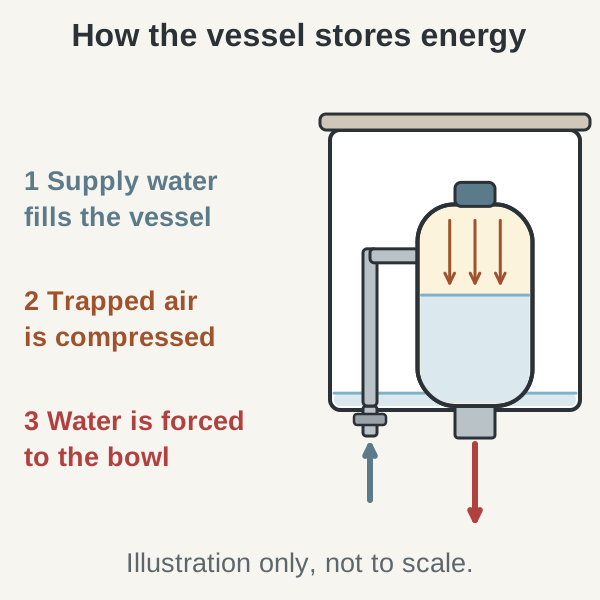
Supply water compresses air trapped in a sealed vessel, and that air drives the water into the bowl. The steps follow Flushmate’s FAQ and systems page and describe Flushmate’s units only.
- The empty vessel holds air at atmospheric pressure.
- Water from the supply line fills the vessel.
- The air is trapped and compressed.
- On the flush, the vessel forces its water into the bowl.
- The bowl uses that energy to push the waste out.
Flushmate says the water is contained in its system and calls the result a non-sweating toilet.
Can a pressure vessel be fitted to a gravity toilet?
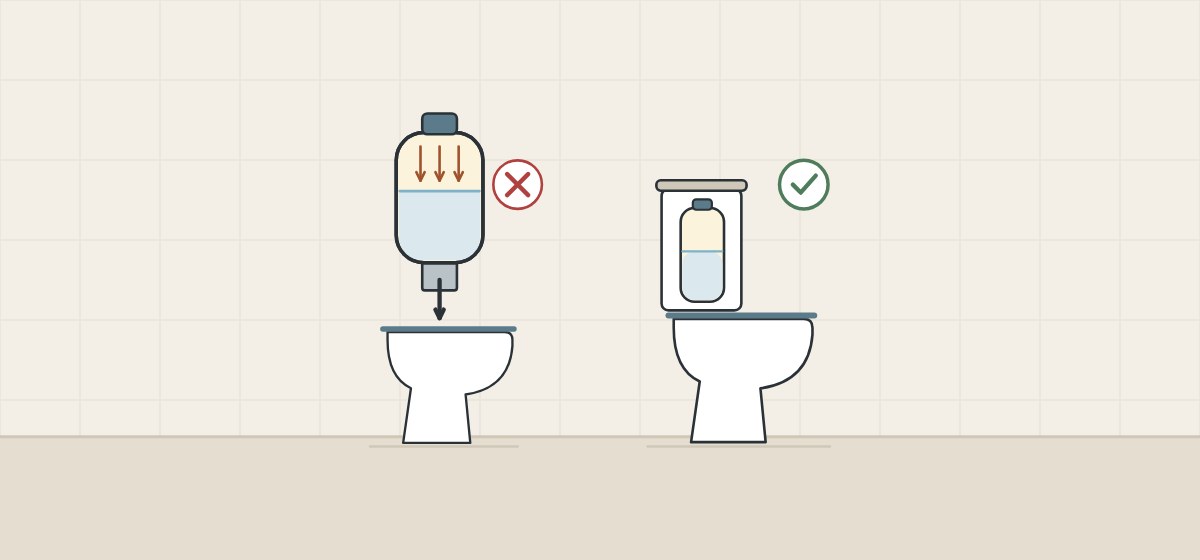
No, according to Flushmate. Its FAQ says the unit cannot be retrofitted to an existing gravity bowl, that a gravity bowl would splash excessively, and that the toilet must be designed for it. Named toilets list bowl, tank and unit together:
| Toilet | Flushing unit named | Listed parts |
|---|---|---|
| Kohler K-3493, 1.6 gpf | Sloan Flushmate | Bowl K-4304, tank K-4645 |
| Kohler K-3519, 1.0 gpf | Sloan Flushmate | Bowl K-4304, tank K-4484 |
| Mansfield Quantum 148-123, 1.6 gpf | Flushmate | Bowl 148030000, tank 123010000 |
The two Kohler toilets pair one bowl number with different tanks. For replacements, Flushmate’s replacement systems page lists each option against tanks, flush volume and minimum operating pressure.
What supply pressure does a pressure-assisted toilet need?
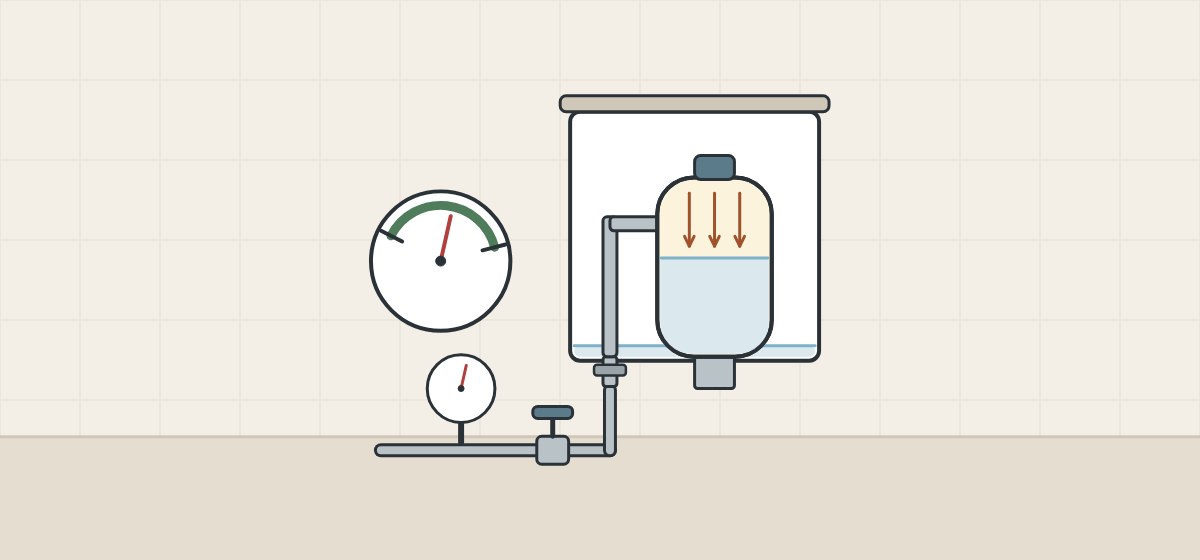
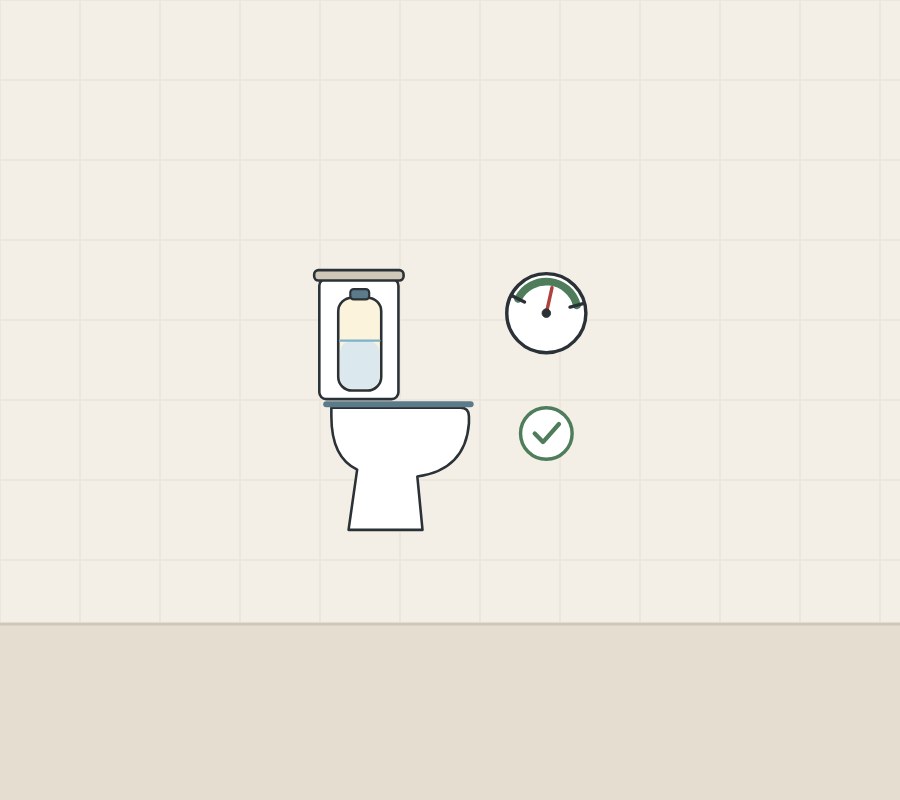
It depends on the model; each figure below belongs to the named document. Flushmate’s owner’s guide says all pressure-assist toilets get their energy from the supply line.
| Unit or toilet | Minimum | Maximum |
|---|---|---|
| Flushmate 503 and 503-H units | 20 psi operating | 80 psi |
| Flushmate 504 unit | 25 psi operating | 80 psi |
| Flushmate 1.0 gpf unit (FAQ) | 35 psi line pressure | No maximum in this answer |
| Kohler K-3493, 1.6 gpf | 20 psi static | 80 psi static |
| Kohler K-3519, 1.0 gpf | 35 psi static | 80 psi static |
The owner’s guide marks its minimums as applying to the Flushmate unit only and refers to the toilet maker’s specifications for the fixture. For 1.0 gpf, Flushmate’s FAQ and Kohler’s K-3519 sheet both give 35 psi. The 503 manual adds a minimum flow of 1 gallon in 30 seconds.
What do the standards, labels and scores cover?
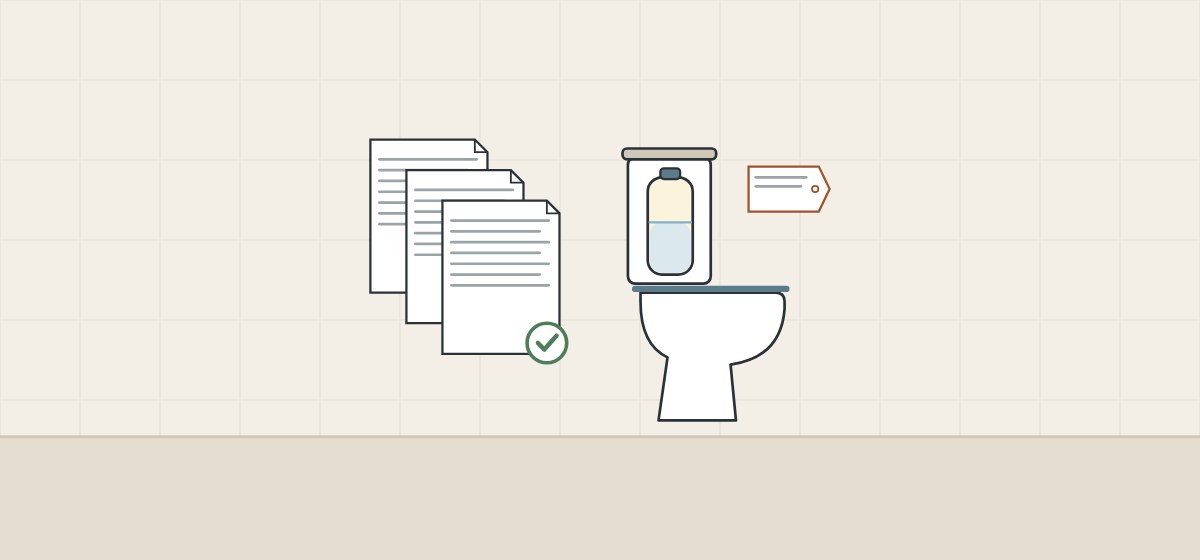
A test result, label or score is reported for a toilet model, not for a flushing type. Four references appear in the documents used here:
ASME A112.19.2/CSA B45.1
CSA Group lists the 2024 edition as covering china fixtures, with performance requirements for all types of water closets that discharge into gravity drainage systems.
WaterSense specification
Version 2.0 (May 2024) covers gravity, flushometer tank (pressure-assist) and electrohydraulic toilets. Rated flush volume may not exceed 1.28 gpf, and a model passes by clearing the test media in at least four of five flushes.
MaP score
MaP calls its program independent and voluntary. A score is the grams of solid test waste a model removes in one flush.
Maker statements
Kohler lists ASME A112.19.2/CSA B45.1 on both sheets and EPA WaterSense on the K-3519. Mansfield states 1000 g MaP for its Quantum 148-123.
- Standard and edition
- Rated flush volume
- Label and certifier
- MaP score by model
What service and safety points apply to the pressure vessel?
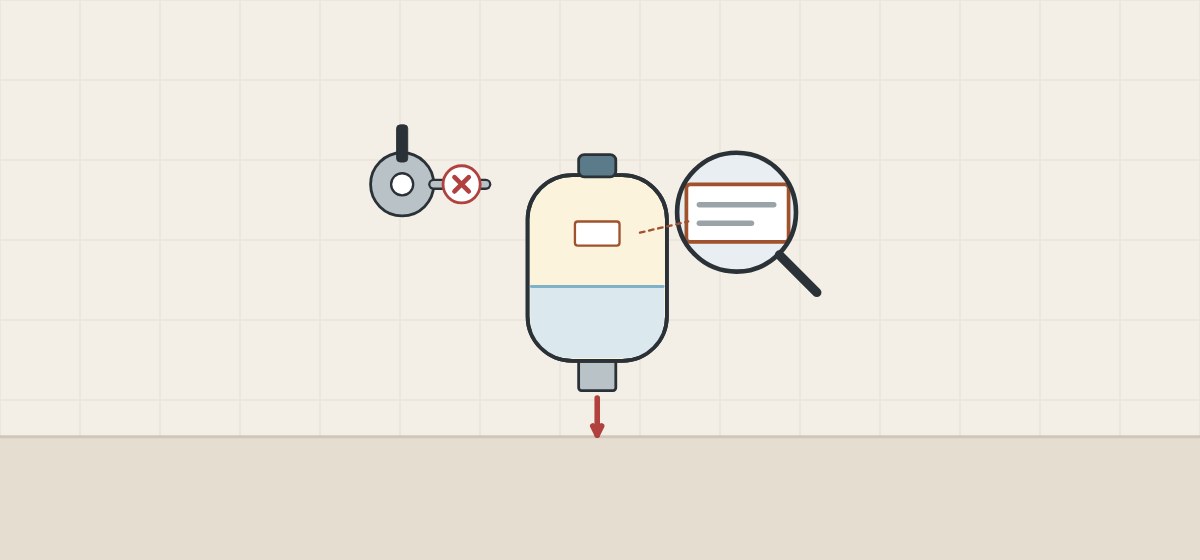
The vessel stores pressure, so the maker’s warnings and the recall record both matter. Four points:
Release the pressure first
Flushmate’s 503 manual says to close the supply stop completely and flush the toilet to release pressure before servicing, and warns that failing to do so can cause injury or damage.
Recall notices
A CPSC notice of October 2018 covers about 1.4 million Flushmate II 501-B units in the U.S. made from September 1996 to December 2013. A 2016 notice expands the Flushmate III Series 503 recall so that it covers units made from October 1997 through April 2011. Both say the vessel can burst at or near its weld seam.
Date code
The 503 manual says the first six numbers of the serial number give the manufacture date in MMDDYY format.
Cleaners and water
The owner’s guide says chlorine cleaners, drop-in tablets and petroleum-based lubricants in the tank void the Flushmate warranty, as does any supply other than cold potable water.
The owner’s guide also lists checks for a run-on condition. This page is not a service instruction.
How do pressure-assisted and gravity toilets compare?
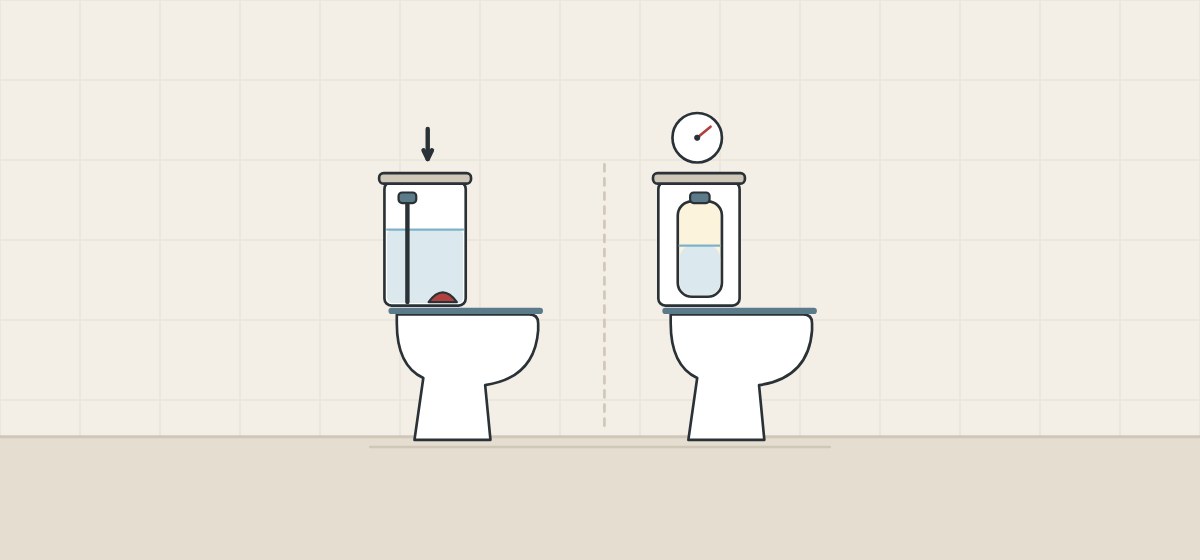
They compare on a few sourced points; some common claims have no neutral source here.
| Point | What the sources say |
|---|---|
| Flushing action | MaP: compressed air gives a more vigorous action than gravity fed. |
| Tank condensation | Flushmate: water stays in its system; it calls the toilet non-sweating. |
| Drain carry | Flushmate’s own claim: up to 50% further than ASME recommendations. |
| Noise | Flushmate’s brochure claims the quietest pressure-assisted flush in the industry for its 503UH series, based on its internal testing; no source here compares it with gravity. |
How should a buyer specify a pressure-assisted toilet?
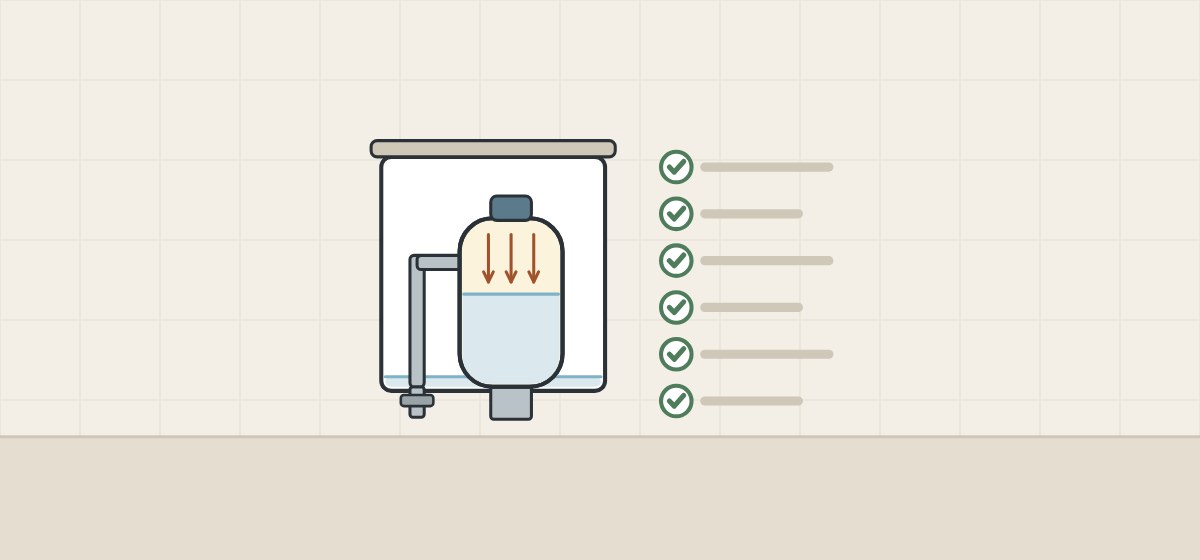
Specify the toilet, its flushing unit and the site supply as one item. These steps are procurement guidance.
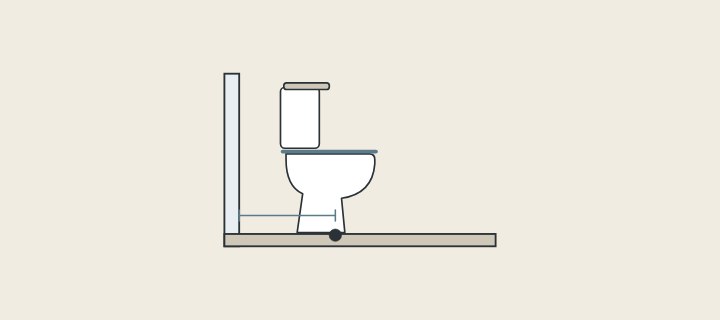
- Identify the system by model. Do not judge it from the tank shape; ask for toilet, bowl, tank and vessel references.
- Measure the supply. Compare site supply pressure with the model’s limits, in the maker’s terms (static or operating), and check any stated minimum flow.
- Keep bowl and unit together. Do not order a vessel for a gravity bowl.
- Check the recall record. For existing vessels, read the date code and check the CPSC notices.
- Record service references. Part numbers, the maker’s manual and its pressure-release warning.
When a page says “pressure-assisted”
The term names a flushing type, not a result. MaP scores and the WaterSense test are reported for a toilet model, so ask for the offered model’s evidence.
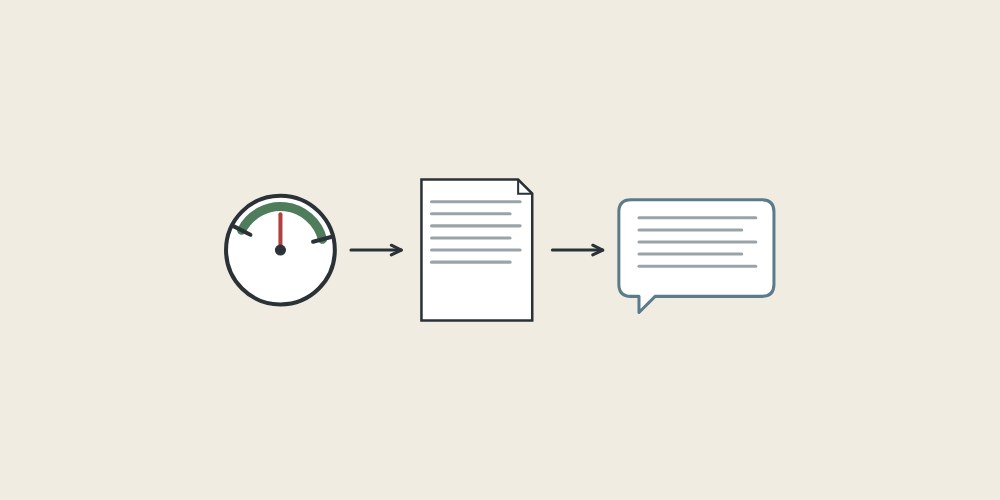
What should you send and ask before a quotation?
A complete request names the whole flushing system and the site supply.
| Question | Why it matters |
|---|---|
| Is the toilet gravity or pressure-assisted? | The tank hardware differs. |
| Which flushing unit and series is fitted? | Parts belong to the unit; pressure limits are set for the unit and the toilet. |
| What are the bowl and tank numbers? | Bowl and unit are a matched set. |
| What supply pressure range applies? | Minimums differ by model. |
| Which standard, label or score applies? | Each is reported for a model. |
| Which service documents come with it? | Warnings and parts are the maker’s. |
Include with your request
- Project location and building type
- Site supply pressure, static and under flow
- Required flush volume or label
- Existing toilet and vessel, if replacing
- Quantity per room type
WNS Global confirms any offered toilet, flushing system and commercial terms separately in writing. This guide does not state that WNS Global products have any flushing unit, pressure rating, score, label or listing named above.