

Installation

Site Storage and Protection of Bathroom Fixtures Before Installation

Fixtures that arrive in good condition can still be damaged before installation, and again afterward while other trades finish the room. The weeks between delivery and handover are where a project loses vanities to humidity, glass to a lean against a wall and tops to a dropped tool. This guide sets out how to store each product line on site, how to protect installed units, and how to organize storage by room.

Protected wall-mounted bathroom vanities prepared for export coordination

The short answer

Quick Reference

Point 01
Store everything dry, off the floor and out of direct sun.
Point 02
Wood cabinets stay sealed in their packaging until installation, in a space without large humidity swings.
Point 03
Glass stays upright in its crate and is never leant unbraced against a wall.
Point 04
Tops lie flat and fully supported, or stand on edge with edge protection; hardware kits stay with their units.
Point 05
Installed units are covered against paint, adhesive, grinding dust and dropped tools, and storage is labeled by room.
Solid surface bathtubs prepared and protected for project delivery

Start here

The Site Is a Harder Environment Than the Container

A container is sealed, dark and still. A construction site is wet when it rains, hot behind glass, dusty during grinding, and full of people carrying things. Wood, glass, solid surface and plated metal each have a specific vulnerability to that environment, and the storage plan has to address each one. It also has to allow for installation in several passes: units installed early sit in the room while tiling, painting and finishing carry on around them.

  • Each material has a specific site vulnerability: humidity, leaning, point loads, chemicals
  • Storage is a plan, not a corner of the site
  • Installed units need protection for as long as other trades are in the room

Storage by Material

A worker stretch-wrapping a large white panel on a pallet

Wood cabinets are the most sensitive to the site environment. They stay sealed in their factory packaging until the day of installation, on pallets off the floor, in a space that is dry and does not swing between damp and hot. A cabinet unpacked early and left with wet plaster or a heater will move, and doors that fitted at the factory will not fit on site. Solid surface bathtubs and basins are vulnerable to point loads and to being used as a shelf or a step; they stay in their crates, flat, with nothing stacked on them.

Glass stays in its crate, upright, on the packing supports it arrived on. A panel leant unbraced against a wall can slide, and a panel that slides is written off. Tops lie flat and fully supported, or stand on edge in an A-frame with edge protection; a top supported at its ends only is waiting to crack at the cut-out. Hardware kits stay taped to their units, and plated and PVD hardware stays wrapped against plaster dust and cementitious splashes.

  • Wood cabinets: sealed, on pallets, dry, opened on the day of installation
  • Solid surface: crated, flat, nothing stacked on top
  • Glass: upright in the crate, never leant unbraced
  • Tops: flat and fully supported, or on edge with protection; hardware kits with their units

Protecting Installed Units

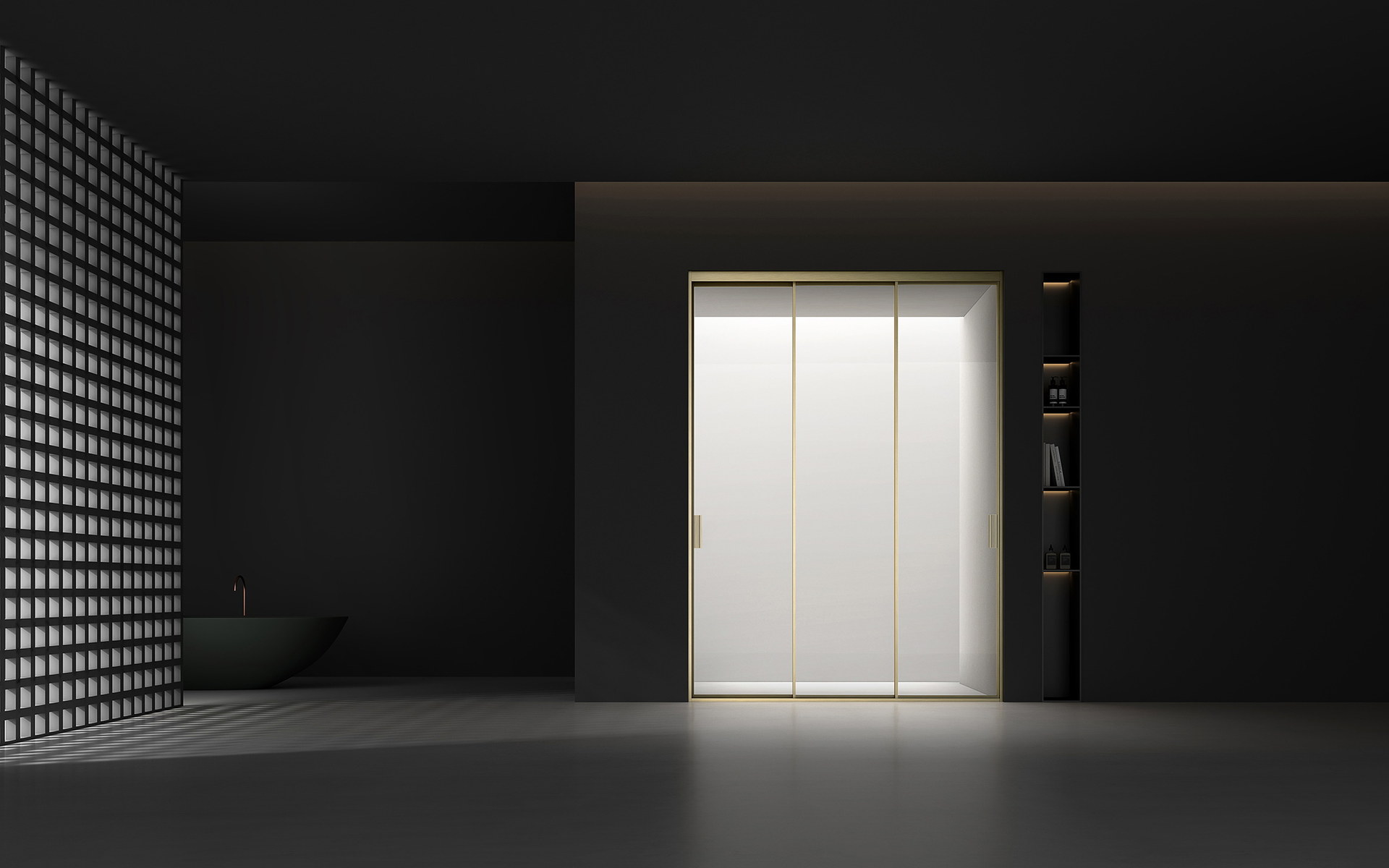
A frameless shower enclosure fitted against a tiled wall

Once installed, a fixture is in the way of every trade that follows. Protection is applied on the day of installation, not when damage is first noticed. Cover vanities with rigid protection over the top and a breathable sheet over the cabinet; a plastic sheet taped tightly to a wood cabinet traps moisture. Cover bathtubs with a rigid board on the rim and soft protection in the bowl. Film or sheet enclosure glass, and tape the door closed with a tape that will not mark the hardware.

The materials to keep away are the ones that do not clean off: paint, tile adhesive, grout, silicone smears and grinding dust on plated finishes. A site rule that no wet trade works in a room with an uncovered fixture is easier to enforce than a cleaning claim later. Tools set down on a top and drills used above an open basin are the other common causes.

  • Protect on the day of installation, not after the first damage
  • Rigid protection on tops and bathtub rims; breathable covers on wood cabinets
  • Glass filmed or sheeted; doors taped closed with a non-marking tape
  • No wet trade or grinding in a room with an uncovered fixture

Labeling and Handover

Storage is organized by room, using the labels the factory applied from the fixture schedule. A unit stored by room type and moved once, to its room, is handled the minimum number of times; a unit stored by model number is handled several times, usually by someone in a hurry. A storage log records where each unit is, when it was inspected and when it left storage, so that a missing unit can be traced rather than reordered.

At the end of the fit-out, walk each room with the installer and the operator's representative before the protection comes off, then remove it and inspect: finish, hardware operation, door and drawer alignment, glass and seals, drain and overflow. Record what is found on a handover sheet by room, and route any damage to the responsible trade while they are still on site.

  • Store by room using the factory's schedule labels; move each unit once
  • Keep a storage log: location, inspection date, date out
  • Walk each room with the installer and operator before protection is removed
  • Route damage to the responsible trade while they are on site

A worker stretch-wrapping a large white panel on a pallet

Common questions

Site Storage Questions

Answers to the checks buyers most often make before using this guide for a project or sourcing decision.

Can wood cabinets be stored in a container on site?

Only if it is ventilated and shaded. A closed steel container in the sun becomes hot and humid inside, the condition wood cabinets tolerate least.

How long can fixtures stay in storage?

There is no fixed limit if the conditions are right: dry, off the floor, packaging intact, nothing stacked. The risk grows with each move and each season.

Should glass be unpacked to check it and then repacked?

Yes, at receiving, on a padded surface, then returned to the crate upright on its supports. Never store glass out of its crate.

What protection should be used on an installed solid surface bathtub?

A rigid board across the rim so nothing rests on the edge, and a soft liner in the bowl. Do not tape an aggressive tape directly to the surface.

Who is responsible for damage after installation?

The trade that caused it, if it can be attributed, which is why protection and a handover inspection by room matter. Site damage is neither a transit claim nor a warranty matter.

Does WNS Global advise on storage for a project?

Yes. Packaging is planned for the storage conditions the project describes, and unpacking and re-wrapping guidance is provided with the drawings.

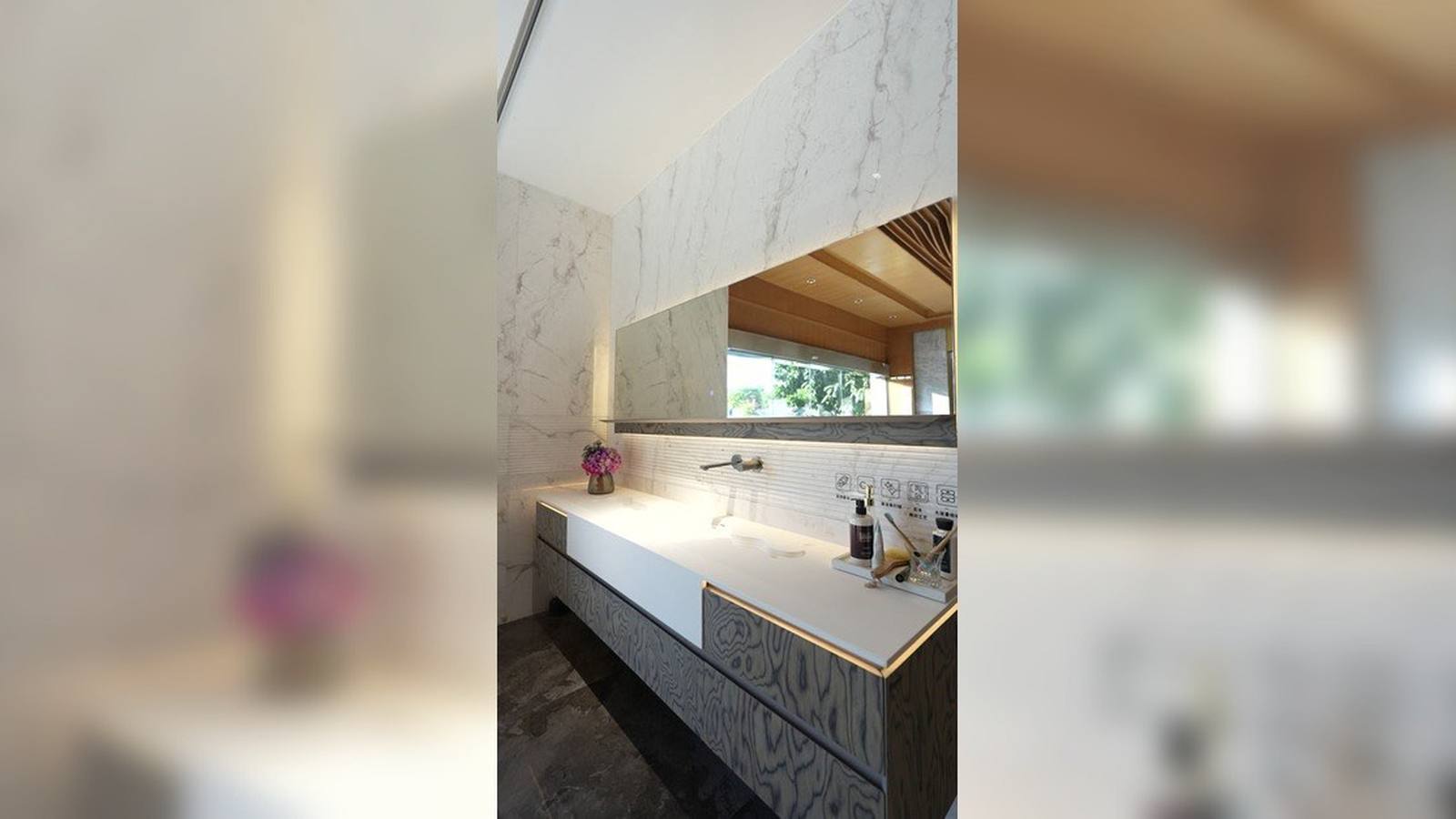
Bathroom vanity set fitted against a finished wall

In short

Dry, Off the Floor, Upright, Covered, Labeled

Site storage is a set of simple rules applied consistently: dry and off the floor for everything, sealed packaging for wood, upright crates for glass, full support for tops, hardware with its unit, protection on installed fixtures until handover, and storage organized by room. All of it is cheaper than a replacement shipped after the project has finished.

  • Wood sealed and dry; glass upright; tops supported; hardware kept with units
  • Installed units protected from wet trades, dust and tools
  • Storage by room with a log
  • Handover walk-through before protection is removed

Verification sources

Official Sources and Further Reading

Site storage must follow the applicable safety rules, product instructions and the project’s protection plan. OSHA provides general construction material-storage requirements; the approved packing and installation documents govern the particular fixture.

Planning storage for a project delivery?

Talk to WNS Global

Tell us the site conditions and the installation sequence, and we will confirm packaging, labeling and unpacking guidance to match how the fixtures will be stored.

Walk-in shower screen fitted against a finished wall and floor

Bathroom vanity set fitted against a finished wall

Published: Last updated:

  • This guide is a sourcing and planning reference. Confirm the applicable product, contract, authority and project requirements before making a final decision.

START WITH THE PRODUCT DETAILS

Tell Us What You Need

Share the bathroom products, project requirements, target market, dimensions, materials, finishes, quantities, or customization details currently available. WNS Global will review the request and identify the information needed for the next step.