
Where MOQ Comes From
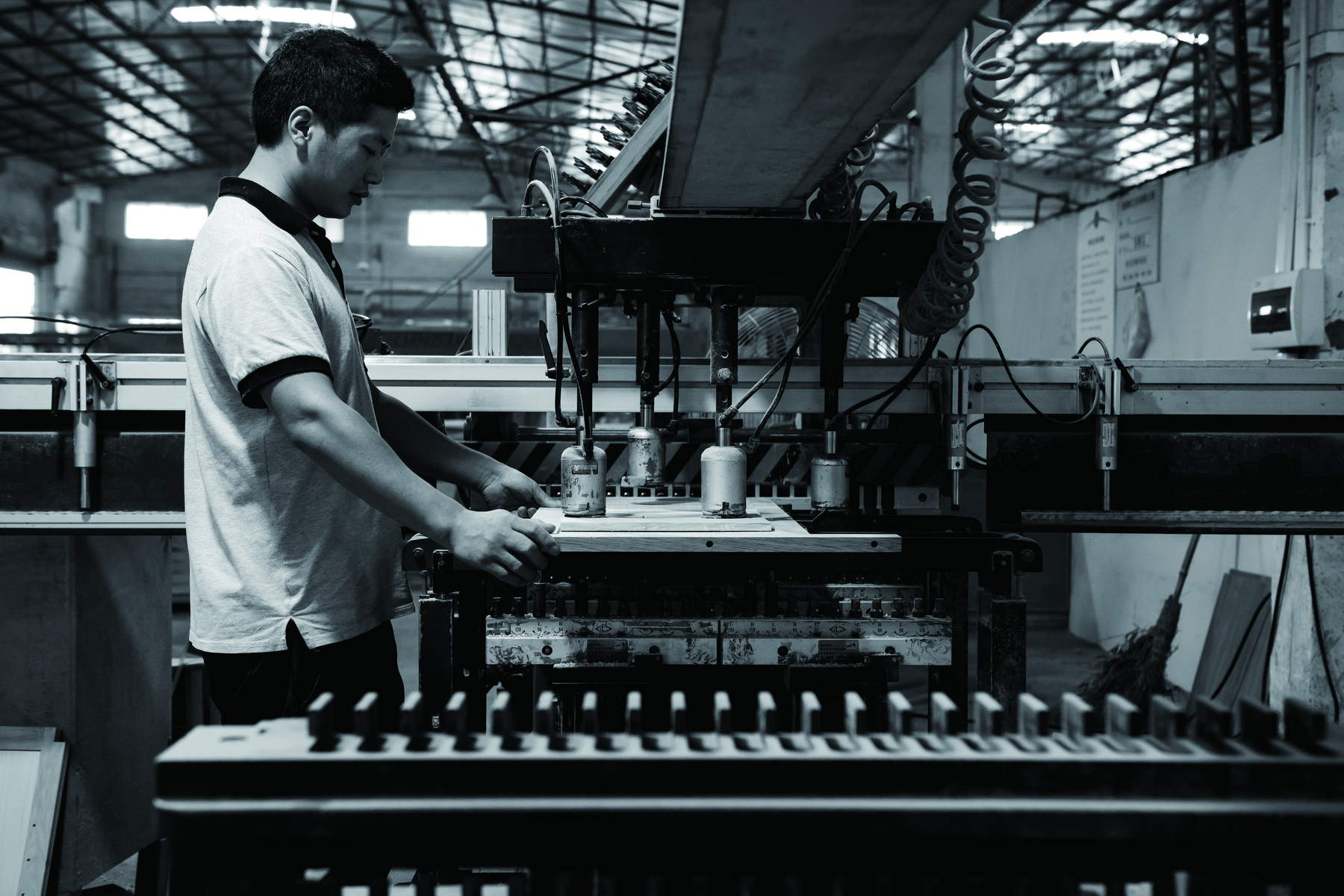
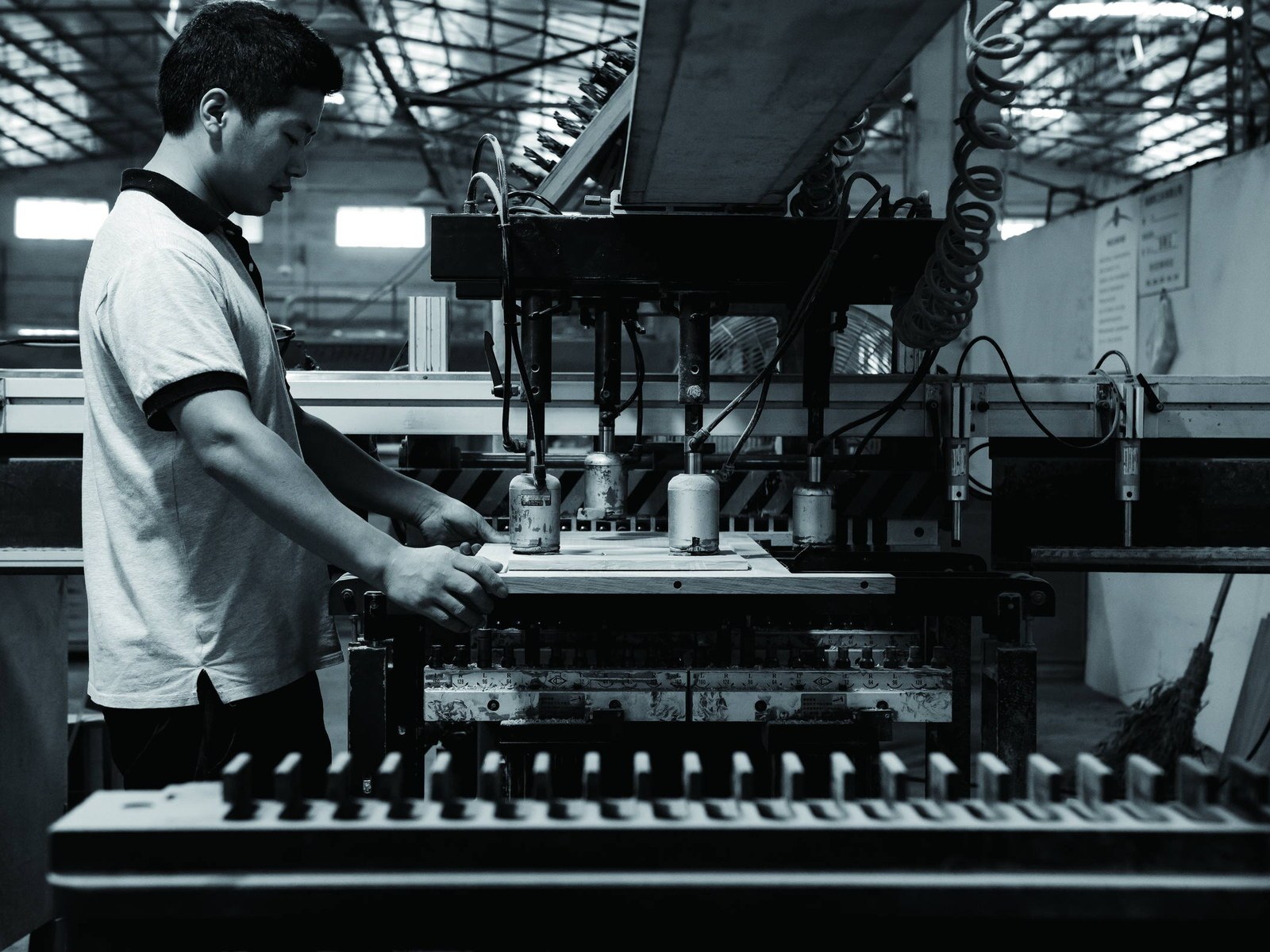
Four fixed costs account for most minimums. Tooling: a cast product needs a mould, and a new shape or size means a new mould whose cost has to be recovered over the units it makes. Setup: machines are set for one job at a time, and switching costs time whether the job is ten units or a hundred. Finish batches: a lacquer or a colored resin is mixed in a batch, and a custom color that cannot be reused on other orders has to be paid for by the order that asked for it. Packaging and freight: printed cartons have run minimums, and a shipment that does not fill a pallet or a container carries its freight less efficiently. Add the administrative cost of processing one order, and the minimum is simply the point at which all of that divides into a per-unit figure the factory can quote.
- Tooling and moulds for cast products
- Machine setup per job
- Finish batches, especially custom colors
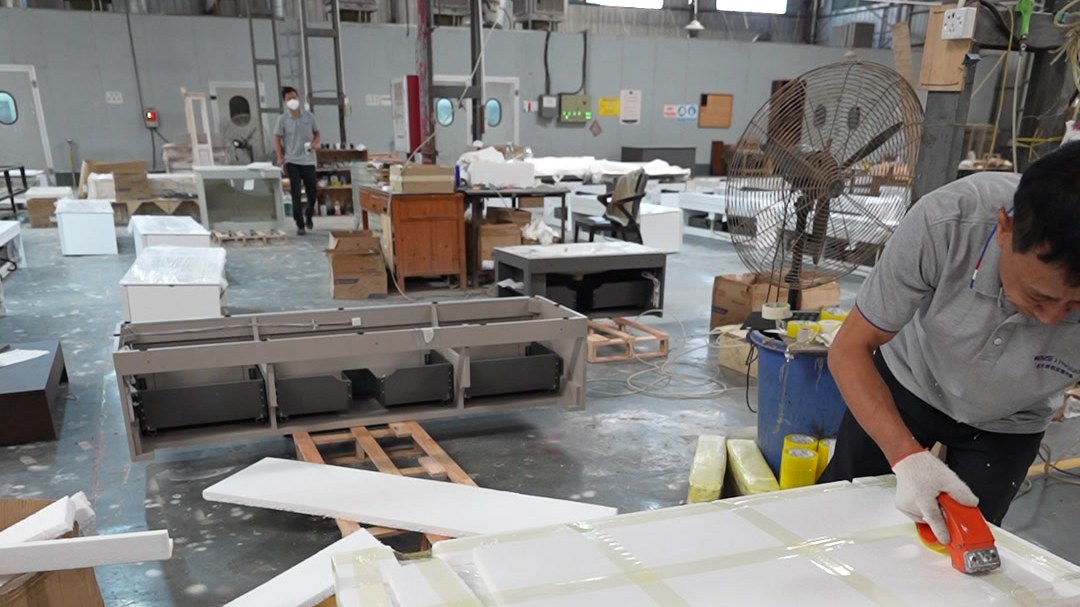
- Packaging runs and freight efficiency
How It Differs by Product Line
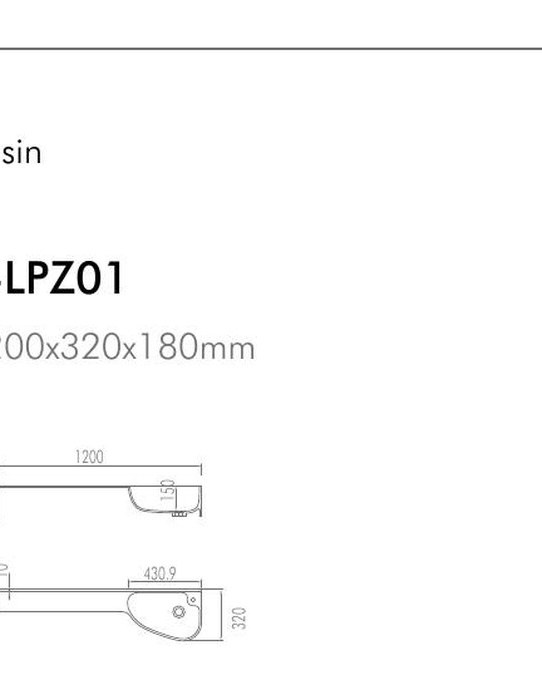
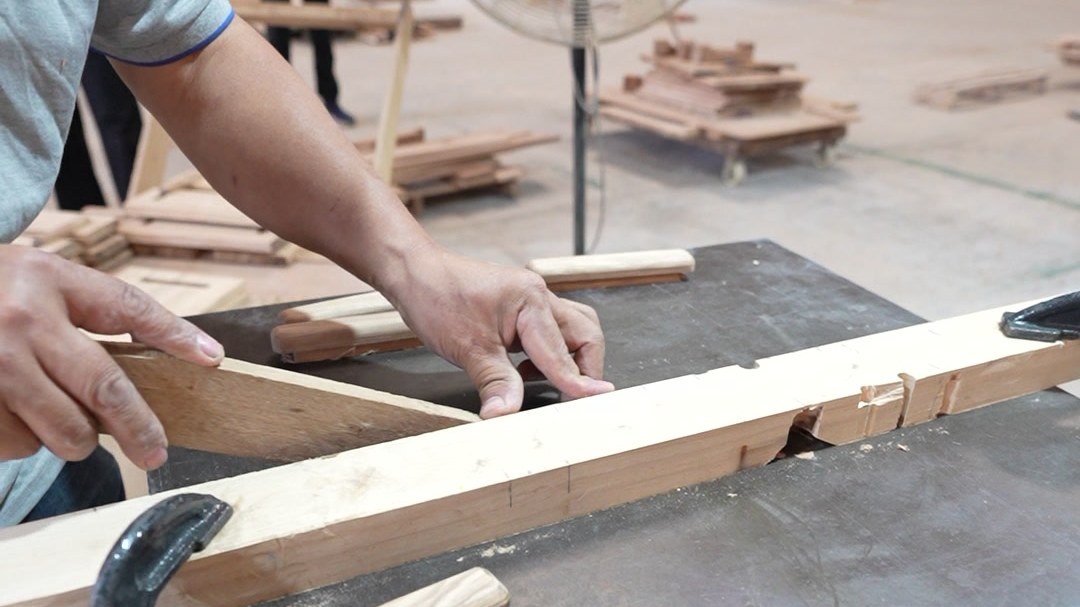
Because the fixed costs differ, the minimums do too. A solid surface bathtub or basin is cast, so a standard model in a standard color has its mould already amortized and can often be ordered in small numbers, while a new shape carries the full mould cost and a correspondingly higher minimum. A solid wood vanity is machined and finished in batches, so the setup and finish costs matter more than tooling; standard sizes in standard finishes run efficiently, and a custom finish is what raises the number. A frameless shower enclosure is fabricated to the opening — glass cut, holes drilled, hardware fitted per unit — so there is little tooling to amortize and the minimum is driven more by hardware ordering and freight than by the glass itself.
- Cast bathtubs and basins: mould cost decides it; standard models are easiest
- Wooden vanities: setup and finish batches decide it; custom finishes raise it
- Glass enclosures: made per opening; hardware and freight decide it
What Moves It
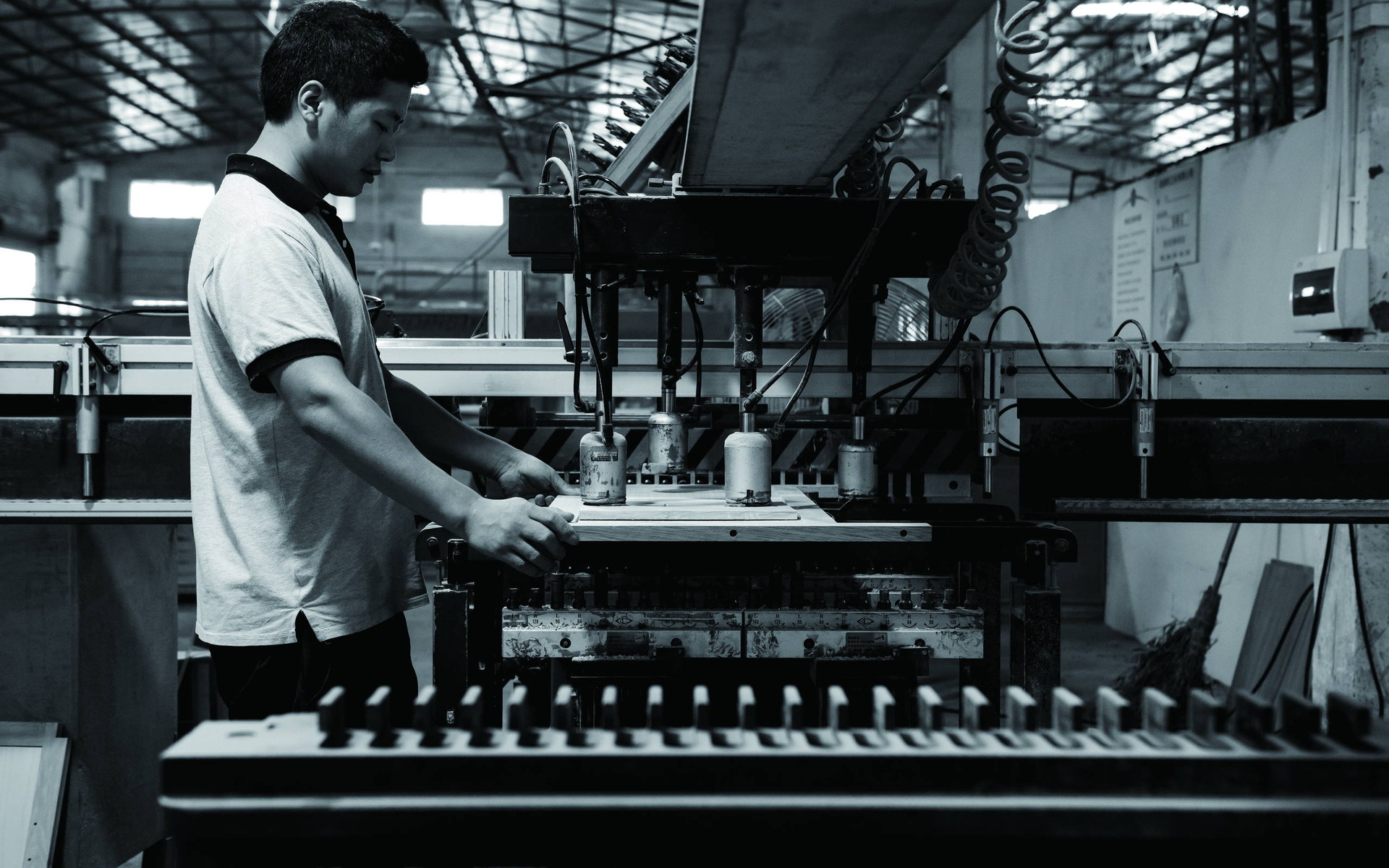
When a project sits below a minimum, the levers are the fixed costs themselves. Choosing a standard model and finish removes the tooling and batch costs that were setting the number. Mixing SKUs in one order lets several small quantities share a setup, a packaging run and a container. A trial order at a smaller quantity is often possible where the buyer accepts a higher unit price that covers the fixed cost, with the balance recovered on the follow-on order. And consolidating a project's phases into one production release, even with staged delivery, changes the arithmetic entirely. What does not move it is asking for the same custom item at a lower quantity for the same unit price; the fixed cost has to land somewhere.
- Standard models and finishes remove tooling and batch cost
- Mixed-SKU orders share setup, packaging and freight
- Trial orders trade a higher unit price for a lower quantity
- Consolidating phases into one release changes the arithmetic