
From bare brass to an approval record
What is an unlacquered brass living finish?
An unlacquered brass living finish is raw brass, polished (ROHL) or brushed (GRAFF), supplied with no lacquer. GRAFF says its living finishes are intended to change in appearance over time.
The Copper Development Association describes brasses as copper-zinc alloys that develop a superficial tarnish film in the atmosphere. Its page on clear finishes names handling as a second cause.
The Copper Development Association’s brasses article says polished brass can be repolished, lacquered or plated.
| Term | What it means here |
|---|---|
| Brass | An alloy of copper and zinc. |
| Unlacquered | Left without a clear protective coating. |
| Living finish | Makers’ term for a finish meant to change in use. |
| Tarnish | A surface film that discolors the metal. |
| Patina | The aged surface; makers use it for the changed look. |
| Clear coating | A thin transparent protective layer. |
| PVD | Physical vapor deposition, a coating process. |
How does unlacquered brass change after installation?
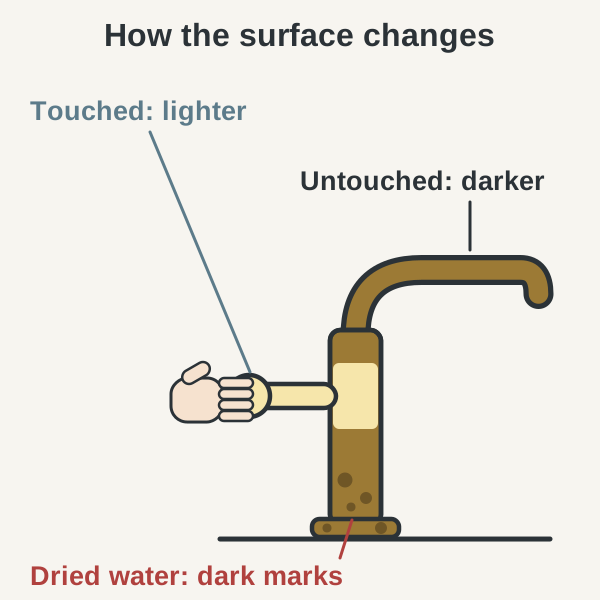
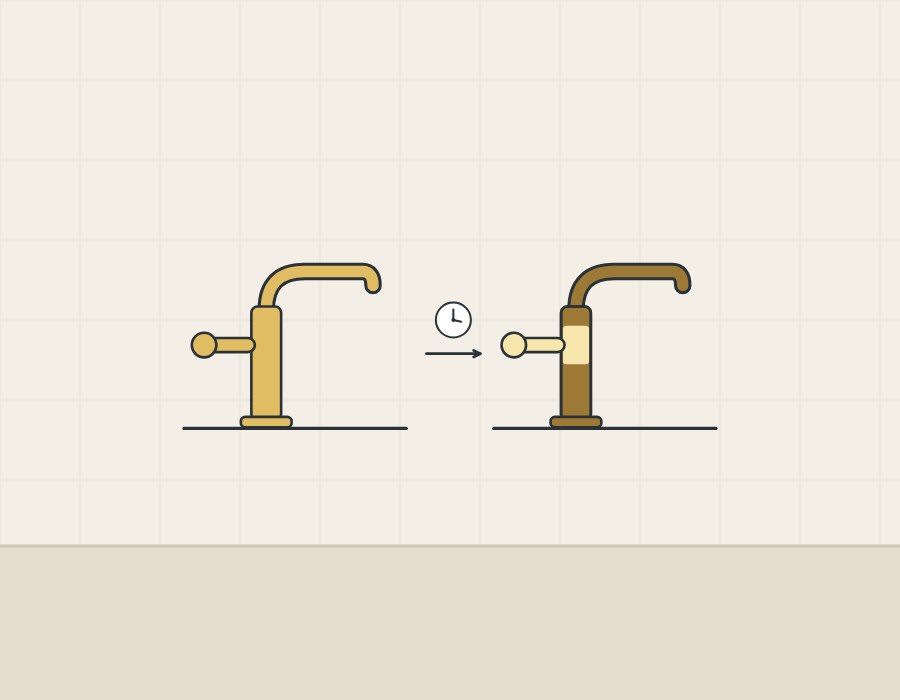
Makers say unlacquered brass changes unevenly, and that touch decides whether an area tends to lighten or darken. The sequence combines what GRAFF and Waterworks say about their own finishes. No source used here gives a time for any step.
- The fitting arrives as raw brass, plain or brushed, with no lacquer.
- In use, the surface oxidizes and its color starts to vary.
- Areas touched regularly tend to lighten.
- Parts used less often gradually darken.
- Water left to dry on the surface can leave dark marks.
- Polishing removes the patina; it then redevelops.
The last step is from Waterworks’ care document. GRAFF, by contrast, calls the change in its own finishes irreversible; the two makers are describing their own products.
Why do parts of one set change differently?
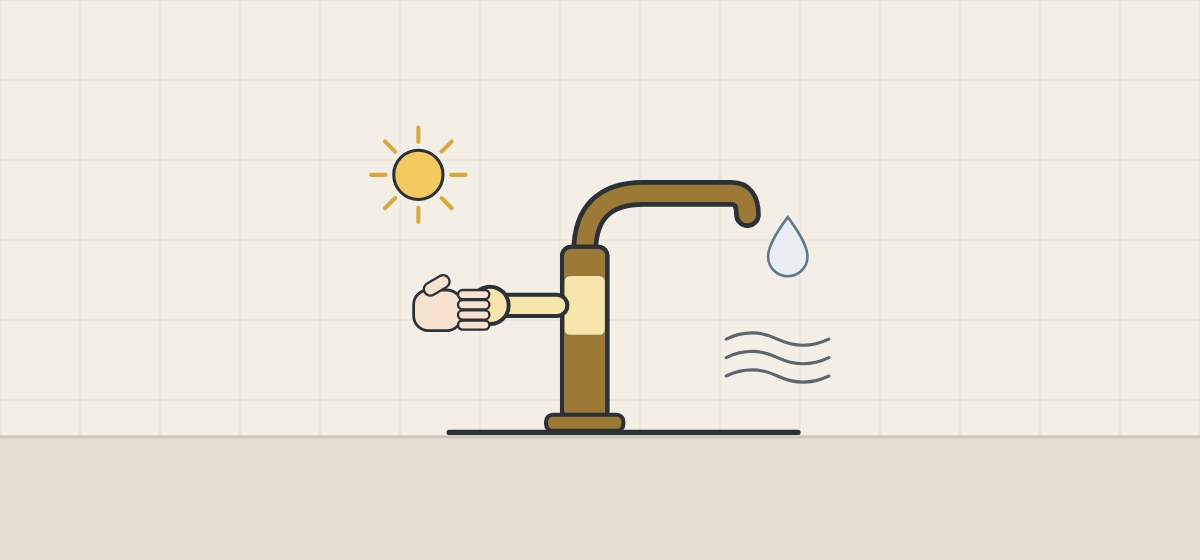
Parts change differently because touch, water and air differ from part to part. Each source names its own factors.
| Source | What changes the surface |
|---|---|
| GRAFF | Use and the surrounding environment; regular touch lightens. |
| California Faucets | Rarely touched areas tend to darken; touched areas may lighten. |
| ROHL | Sun, touch, oxygen and other airborne particles. |
| Waterworks | Exposure, climate and handling. |
| Newport Brass | Air, moisture and touch. |
| Canadian Conservation Institute | Salts, oils and moisture from hands; sulfur-containing gases. |
ROHL states that its Unlacquered Brass will age unevenly, and California Faucets says no two of its living-finish fittings look exactly alike. The conservation guideline is written for collection objects, not faucets.
Which named finishes do makers call living?
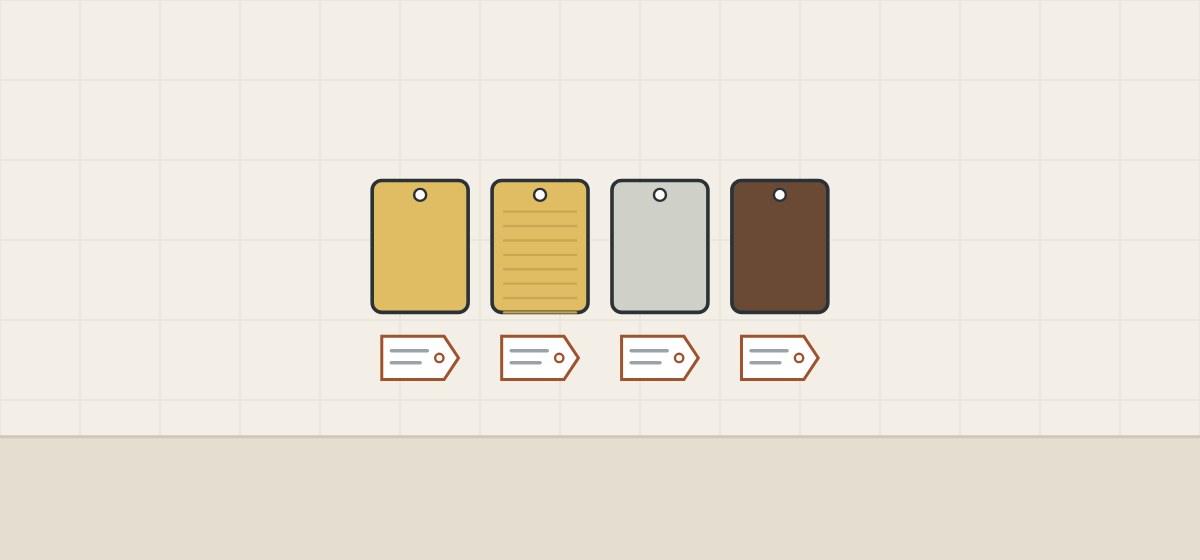
Makers describe specific finishes in their own ranges as living or as meant to age. Six examples:
| Maker | Finish | What the maker says |
|---|---|---|
| GRAFF | Unfinished Brass; Unfinished Brushed Brass | Raw brass, left unlacquered. |
| California Faucets | Polished Brass Uncoated; Burnished Brass; Burnished Nickel; Oil Rubbed Bronze | Age and patina over time. |
| Newport Brass | Unlacquered Brass - Living | Naturally weathers and changes color. |
| ROHL | Unlacquered Brass | Polished raw brass, left unlacquered. |
| Waterworks | Unlacquered Brass | Ages or patinas with exposure. |
| Kallista | Unlacquered Brass | A living finish that oxidizes over time. |
California Faucets’ list includes a nickel and a bronze, so a living finish is not always brass-colored. Ask for the finish code, not the color.
What can be specified when the color must stay stable?
When change is not wanted, ask for a finish that covers the brass. The sources describe three routes:
Clear coating
The Copper Development Association says thin clear coatings can preserve the appearance of copper alloys, and that handling, humidity, air pollution, sunlight and abrasion all reduce a coating’s life.
PVD
Delta says its Brilliance finishes use physical vapor deposition and are guaranteed not to corrode, tarnish or discolor. California Faucets’ finish-care page guarantees its PVD finishes for life against tarnishing.
Plating
The association’s brasses article lists plating with chromium, nickel and other metals. Waterworks says its nickel and silver finishes will not change if its cleaning and bi-annual wax routine are followed; its care document does not describe how they are applied.
- The finish build: bare, clear-coated, plated or PVD
- The maker’s finish name and code
- The care sheet for that finish
- The warranty line for that finish
How do makers say to care for unlacquered brass?
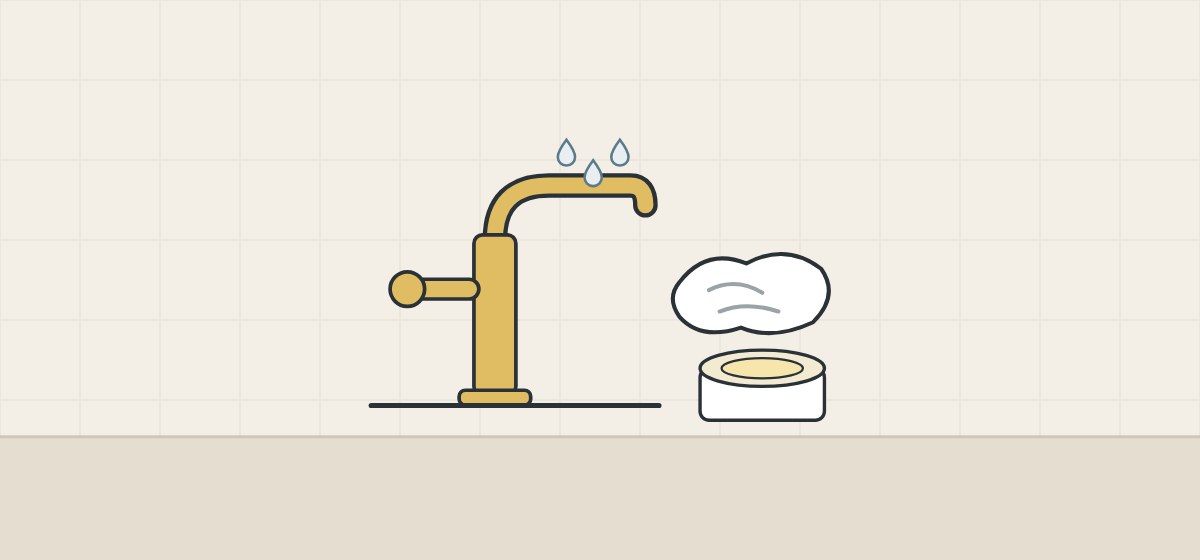
GRAFF, California Faucets, ROHL and Newport Brass each say to keep water from drying on the surface and to wax it. They differ on cleaners. Four points:
Keep it dry
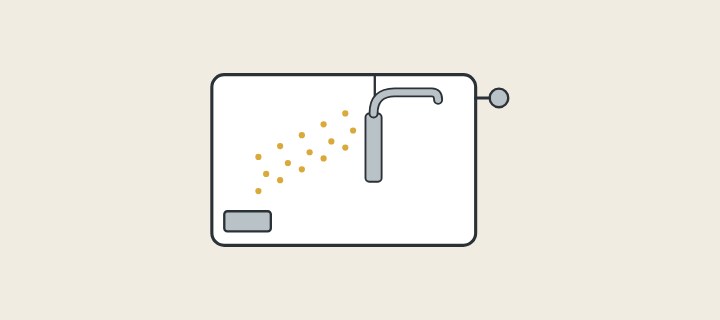
GRAFF says not to let water dry on the faucet. California Faucets says to keep the surface dry after each use, and ROHL says to pat dry.
Wax
GRAFF recommends an occasional wax suited to brass. Newport Brass’ care guide names a micro-crystalline wax; ROHL says to pat wax on and off, not to rub or buff.
Cleaners differ
ROHL allows liquid soap and water or a 50/50 mix of water and white vinegar, without soaking. California Faucets says never to use vinegar, cleaners, bleach or solvents on its living finishes. Newport Brass says soaps, acidic fluids and astringent cleaners can damage its living finish.
Polishing and scratches
Kallista says buffing brings back the color of its Unlacquered Brass. Newport Brass warns that its living finish has no protective coating and scratches easily.
These instructions conflict, so use only the care sheet for the offered finish. GRAFF ties the durability and appearance of its living finishes to the user’s care.
Do finish warranties cover living finishes?
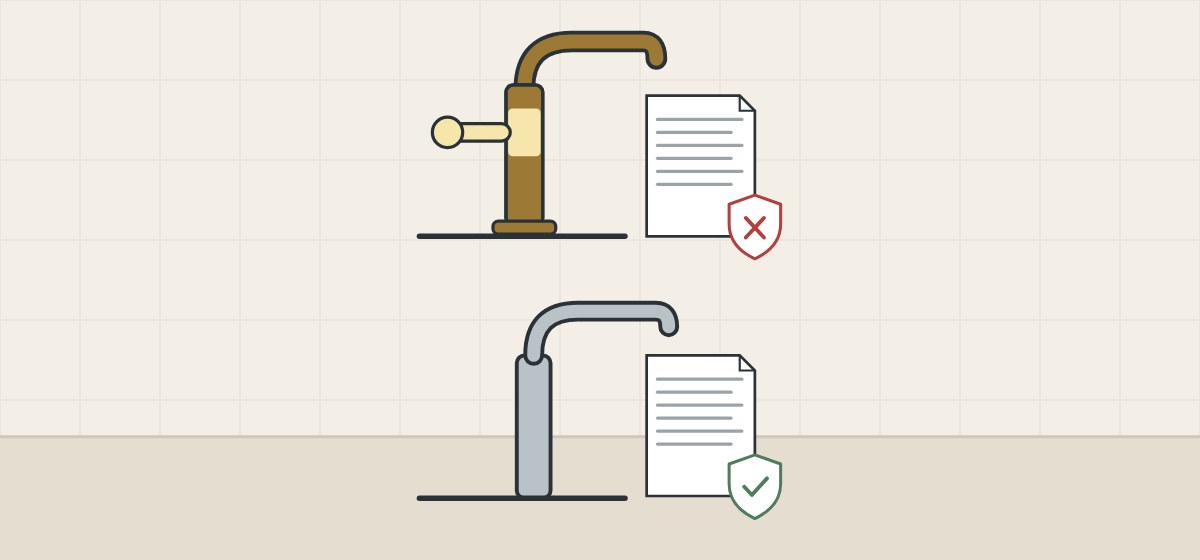
Newport Brass and two House of Rohl collections, ROHL and Perrin & Rowe, state that their unlacquered or living finishes carry no finish warranty.
| Maker | Living or unlacquered | Other finishes |
|---|---|---|
| Newport Brass | Living and uncoated finishes are not warranted. | PVD and Polished Chrome: while the original purchaser owns the home; not drains or shower rods. |
| ROHL | Unlacquered Brass: no warranty. | Antique Gold, a PVD finish: limited lifetime warranty. |
| Perrin & Rowe | Unlacquered brass: no warranty. | English Gold, 24-karat gold on brass: 5-year limited warranty. |
| California Faucets | For living finishes, its two pages give care advice and no warranty line. | PVD: guaranteed for life against tarnishing. |
| Waterworks | No line specific to unlacquered brass. Prolonged contact with vinegar, cologne, toothpaste and other listed items voids the warranty. | Same list for all surface finishes. |
How should a buyer approve an unlacquered brass finish?

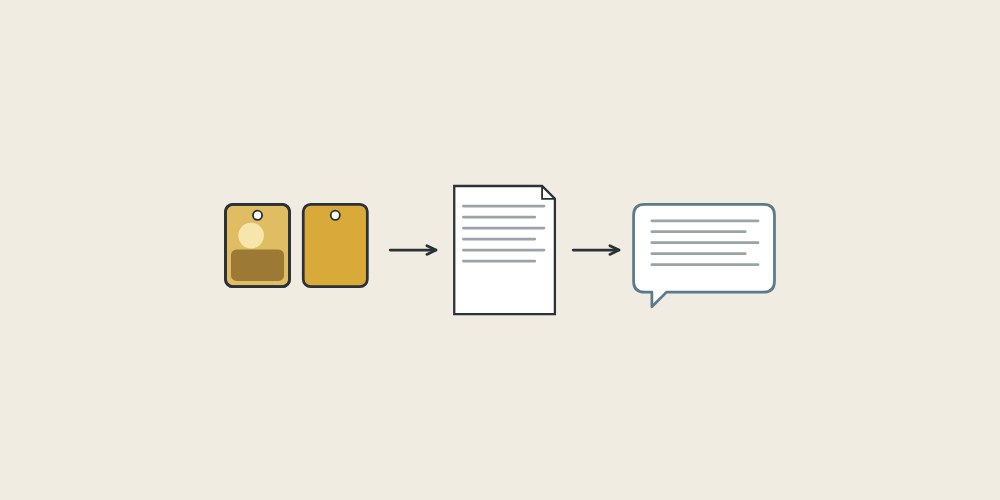
Approve the change as well as the sample. These steps are procurement guidance, not a maker’s procedure.
- Decide whether change is wanted. If change is not wanted, ask for a coated, plated or PVD finish and its warranty line.
- Identify the finish build. Bare, clear-coated, plated or PVD, with the finish name and code.
- List the parts in the set. Spout, handles, drain and accessories that share the finish.
- Record the starting sample. Photograph it as supplied; it shows the start, not the aged color.
- Agree what will not match. Touched and untouched parts, and rooms with different use.
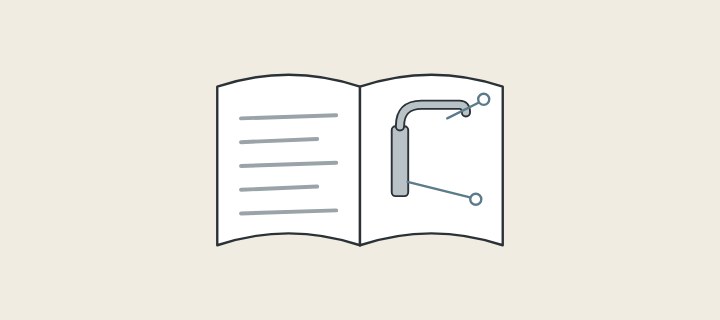
- Fix the care sheet. One instruction for the offered finish.
- Get the warranty line in writing. Whether the finish is covered and what voids cover.
Patina or defect?
Newport Brass calls natural tarnish a patina, not a flaw. A Canadian Conservation Institute note, written for collection objects, describes brass tarnish as black and more serious corrosion as green or blue-green. Compare a reported change with the approval record and ask the supplier to assess it.
What should you send and ask before a quotation?

A complete request states whether the finish should change or stay stable.
| Question | Why it matters |
|---|---|
| Is the surface bare, coated, plated or PVD? | The color name does not say. |
| Is the finish meant to change? | Separates intended patina from a fixed color. |
| Which parts share the finish? | Parts used differently change differently. |
| Which care sheet applies? | Makers’ cleaner rules conflict. |
| Is the finish warranted? | Named makers exclude living finishes. |
| How is a reported change assessed? | Sets the reference before installation. |
Include with your request
- Whether the color should change or stay stable
- Parts and accessories that must share the finish
- Room type and expected use
- Who will clean the fittings, and with what
- Quantity and reorder plans
WNS Global confirms any product and terms it offers separately in writing. This guide does not state that WNS Global products have the finishes, care terms or warranty terms named above.