How PVD Works

The part — usually already plated or polished, because PVD follows the surface beneath it exactly — is placed in a vacuum chamber with the coating material. That material is vaporized and, in the presence of a reactive gas, forms a compound such as titanium nitride or zirconium nitride that deposits onto the part atom by atom, bonding to the surface rather than sitting on top of it. The part is rotated so the coating is even. The result is very thin — typically a few microns, far thinner than a plated layer — but very hard, and because it is bonded rather than layered it does not flake or peel the way a poorly applied plating can.
- Vacuum chamber; coating material vaporized and deposited on the part
- Compounds such as titanium nitride and zirconium nitride
- Thin — a few microns — but hard and bonded to the surface
- Follows the surface beneath it, so substrate preparation matters
PVD Versus Electroplating
Electroplating immerses the part in a solution and passes a current through it, so that metal ions deposit onto the surface; chrome over nickel over copper is the classic sequence for bathroom hardware, and it produces the familiar bright finish reliably and at low cost. Its weaknesses are wear and chemistry: the plated layer can dull or wear through under abrasive cleaning, and a thin or poorly controlled layer can pit or peel in a humid room. PVD is harder and more resistant to scratching and corrosion, holds its color under cleaning products better, and supports finishes plating cannot easily reproduce. Its cost is higher, and it depends on the quality of the surface beneath it — a PVD coating over a poorly polished or poorly plated substrate shows every flaw. For a lightly used residential bathroom, good plating is often adequate; for a hotel or a high-traffic commercial room, PVD's wear resistance usually earns its price.
- Plating: bright chrome finish reliably and at low cost; wears and can pit if thin
- PVD: harder, more scratch- and corrosion-resistant, wider color range, higher cost
- PVD depends on substrate quality; it does not hide flaws
- Use environment decides which is worth specifying
What to Specify
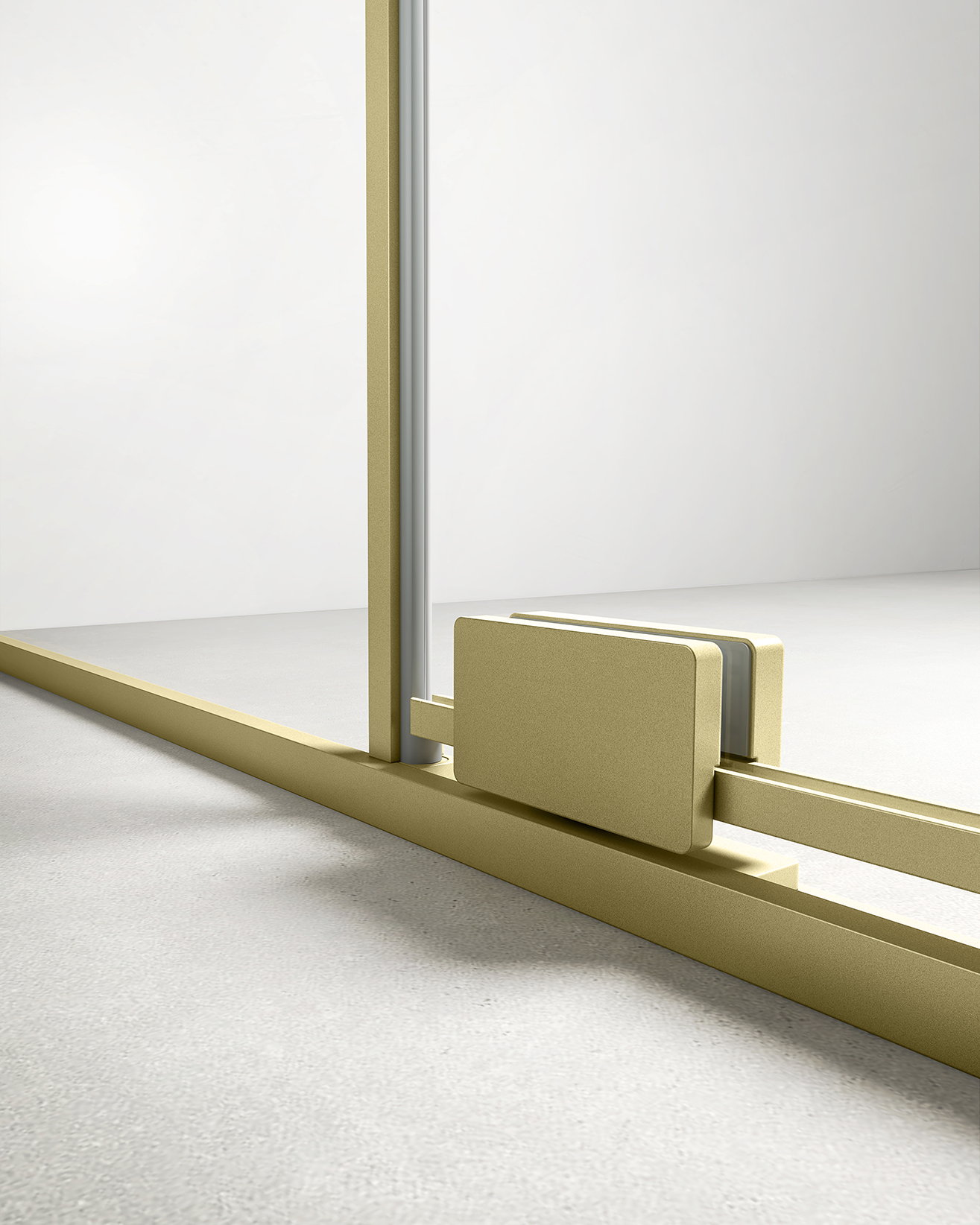
Specify the process by name — "PVD" or "electroplated" — not just the color, because "matte black" can be produced either way and the two will not wear alike. Specify the substrate: brass, stainless steel or zinc alloy underneath the finish decides corrosion behavior and cost independently of the coating. Ask for a finish sample and keep it with the golden sample, since color and sheen vary between coating runs. And confirm the same finish process across every item that has to match — faucet, shower hardware, cabinet handles, enclosure profiles — because a PVD gold beside a plated gold will read as two different colors in the same room.
- Name the process, not only the color
- Name the substrate beneath the finish
- Approve a finish sample and retain it
- Match the process across every item in the room