Cycle Ratings and Standards
The first thing to ask a supplier is what cycle test the hinge and runner have been through, because "heavy duty" on its own means nothing. Established hardware manufacturers publish their figures — Blum, for instance, states that its hinge tests comprise 200,000 opening and closing cycles, and notes that kitchen drawers and doors in ordinary use are opened more than 80 times a day. A hotel bathroom sits well above the residential average, so the published figure is the number to compare against, not the adjective on the catalog page.
Where a project specification needs a named test basis, ANSI/BHMA A156.9 is the North American standard for cabinet hardware; referencing it tells a supplier which test regime the hardware is expected to have been evaluated against. Confirm the specific grade or test result for the actual hinge and runner model, not the brand generally.
- Ask for the published cycle-test figure for the specific hinge and runner model
- Compare against hotel use, which exceeds residential frequency
- Reference ANSI/BHMA A156.9 where the specification needs a named standard
- Confirm the test basis per model, not per brand
Humidity and Corrosion
A bathroom is humid, and hotel housekeeping uses cleaning chemicals daily. Hardware that performs well in a dry kitchen can corrode at the fixings, the runner rails or the spring in a hinge, and that corrosion shows up first as stiffness and then as failure. Specify plated or stainless components appropriate to a wet room, check that screws and fixings match the hardware's corrosion resistance rather than undermining it, and confirm that the cabinet's own ventilation and finish protect the interior where the hardware sits. Soft-close mechanisms earn their place here too: the absence of a slam protects the fixings, the fronts and the cabinet joints over years of use.
- Specify plating or stainless construction appropriate to a humid room
- Match fixings and screws to the hardware's corrosion resistance
- Confirm cabinet ventilation and interior finish protect the hardware
- Treat soft-close as protection for fixings and fronts, not only comfort
Adjustability and Spares
Doors and drawers drift out of alignment with use. Hardware that can be adjusted in three dimensions without removing the front lets a maintenance team fix a sagging door in minutes; hardware that cannot turns the same fault into a replacement. Ask for tool-free or simple-tool adjustment, and for hinges and runners that can be swapped without disturbing the cabinet carcass.
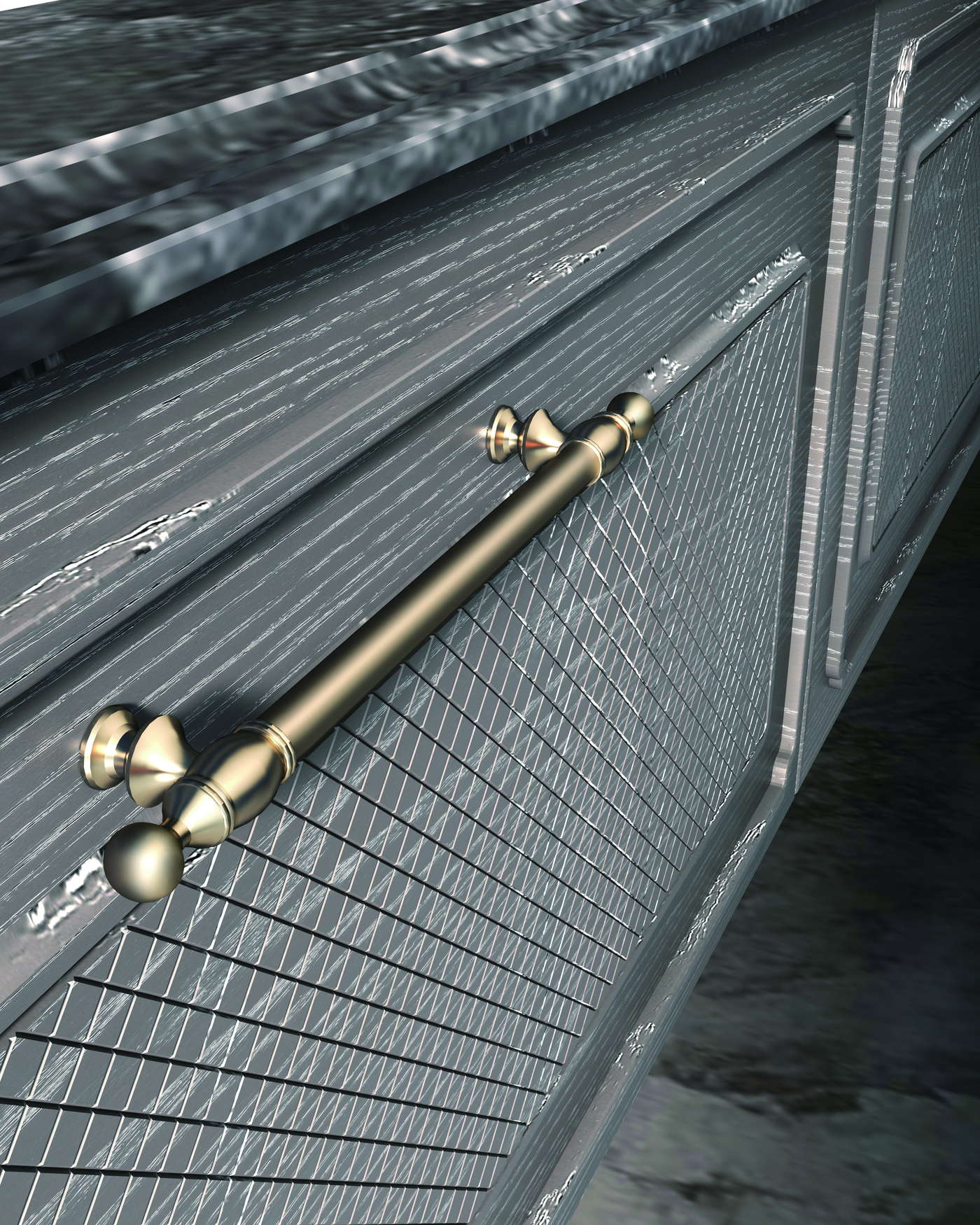
Then standardize. One hinge model and one runner model across every room means one spares stock, one training note for maintenance, and no hunting for a discontinued part in year six. Order a spares allowance with the main shipment — hinges, runners, handles and fixings in the exact finish — so the spare matches the room it goes into.
- Specify three-dimensional adjustment without removing the front
- Choose hardware that can be swapped without disturbing the carcass
- Standardize one hinge and one runner model across all rooms
- Order spares with the main shipment in the exact finish