From definitions to the order
What do CCT and CRI each measure?
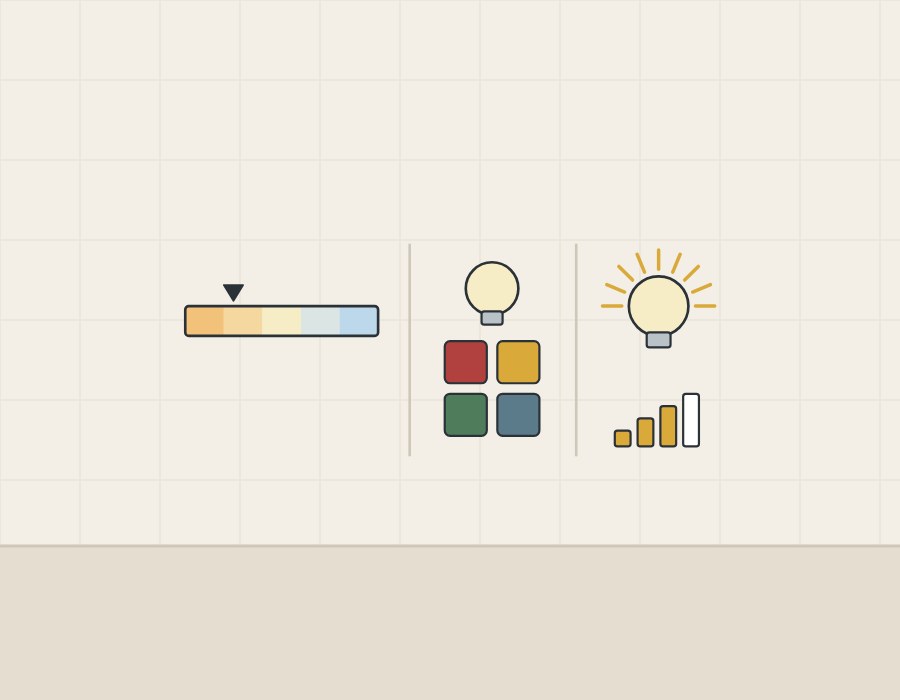
CCT describes the color of the light itself; CRI describes how object colors look under it. The DOE says color temperature characterizes how cool (bluish) or warm (yellowish) nominally white light appears. CCT, in kelvin, is the temperature at which a heated black body most closely matches the source.
The CIE vocabulary defines CCT as the temperature of the Planckian radiator nearest in chromaticity, expressed in kelvin.
The DOE calls CRI a measure of fidelity to a reference source; it does not address appeal or color discrimination.
| Term | What it describes |
|---|---|
| CCT (K) | Warm or cool appearance of the light. |
| Duv | Distance of the light’s color from a black body of equal CCT. |
| CRI (Ra) | Fidelity of object colors against a reference. |
| R9 | The score for one strong red sample. |
| Lumens (lm) | Light output. |
| Rf, Rg | TM-30 fidelity and gamut indexes. |
How is a CRI value worked out?
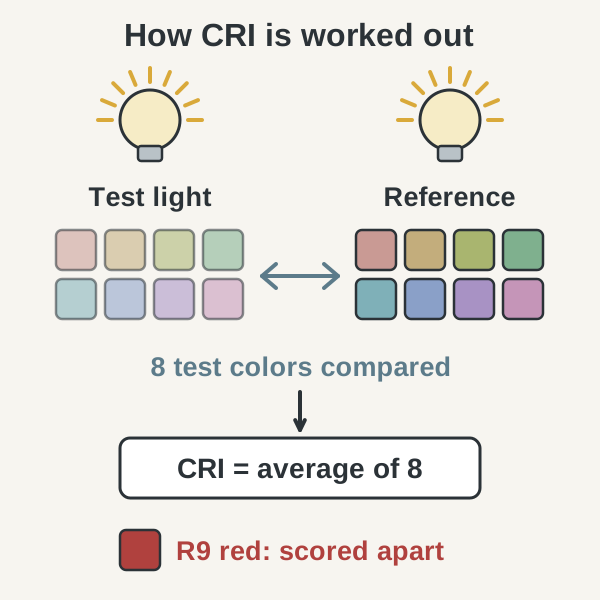
CRI is an average of eight color-sample scores against a reference light. The steps follow the DOE fact sheet; the CIE publishes the method as CIE 13.3-1995.
- A reference source of equal CCT is set: blackbody radiation for CCTs below 5000 K, a daylight model for higher CCTs.
- Eight standard test colors are compared under the test source and the reference.
- Each test color gets its own score, Ri.
- CRI is the average of those eight scores, typically from 0 to 100; negative scores are possible.
- R9 to R14 are scored one color each and stay outside the average.
Because CRI is a reference-based metric, the DOE says comparing the CRI of sources with different CCTs should be done only with great caution.
Can two mirrors with the same CCT look different?
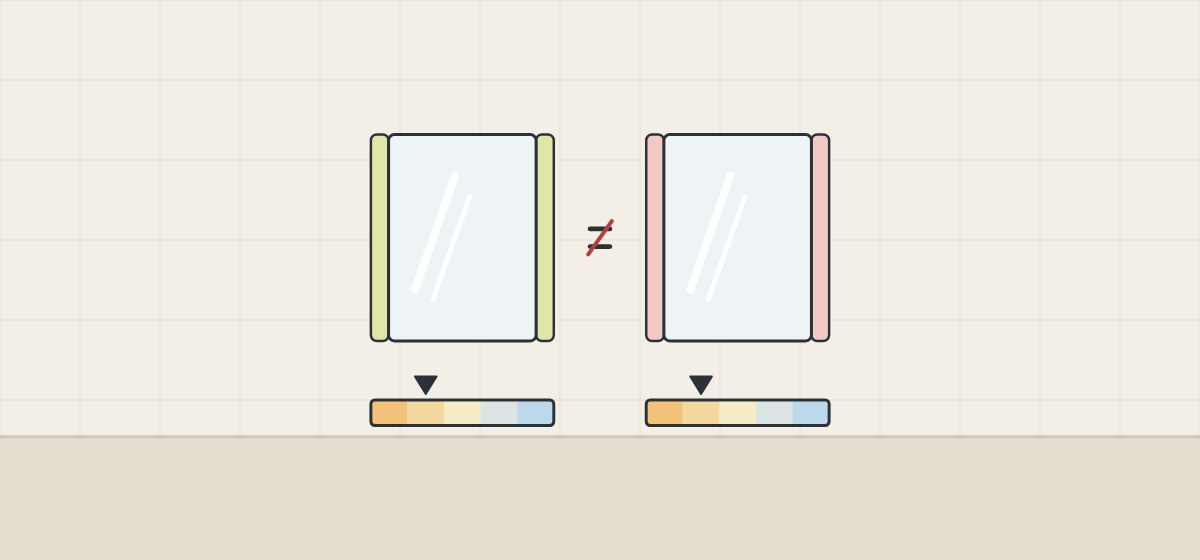
Yes. The DOE says two sources with the same CCT can look different, one greenish and one pinkish, and that CCT reduces a whole spectrum to one number.
| Case | What the DOE says |
|---|---|
| Same CCT, positive Duv | Appears slightly greenish. |
| Same CCT, negative Duv | Appears slightly pinkish. |
| Same CCT and same CRI | May still not render colors the same way. |
| An aging LED source | Color characteristics may change. |
The DOE adds that phosphor-converted LEDs are sorted after production by chromaticity, lumen output and sometimes forward voltage. NEMA lists ANSI NEMA C78.377-2024, which specifies chromaticity ranges recommended for general lighting with solid-state products.
How do two mirror makers print these values?
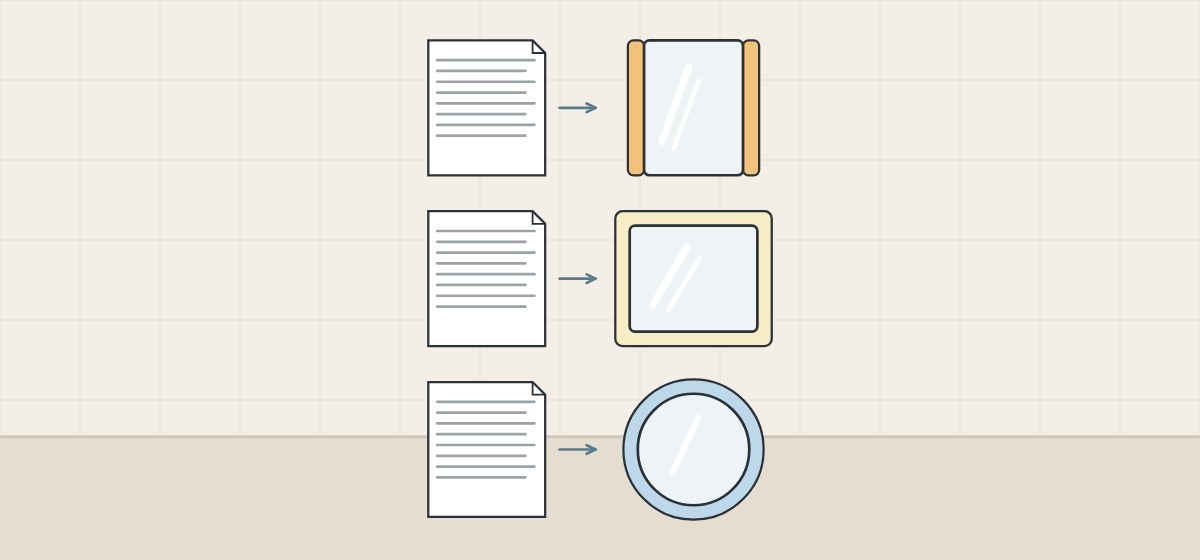
The sheets read for this guide print CCT and color rendering as separate lines; two also print light output and one prints efficacy only. Each figure is that maker’s own for that product:
| Product | CCT | Rendering; output or efficacy |
|---|---|---|
| Robern Sculpt YM3141RPSMD3K | 3000 Kelvin | CRI 90+, R9 50+; about 335 lumens. |
| Electric Mirror Integrity | 3,000K; 2,700K option | 90+ CRI; 853 initial lumens per foot. |
| Electric Mirror BE2020 | Five options, 2,700K to 5,000K | 90+ CRI; efficacy 90 to 140 lumens per watt (no lumen output printed). |
Electric Mirror’s Ava page lists white color modes from 2,700K to 5,000K and brightness from 10% to 100%, so one mirror can have many settings.
What does CRI leave out?
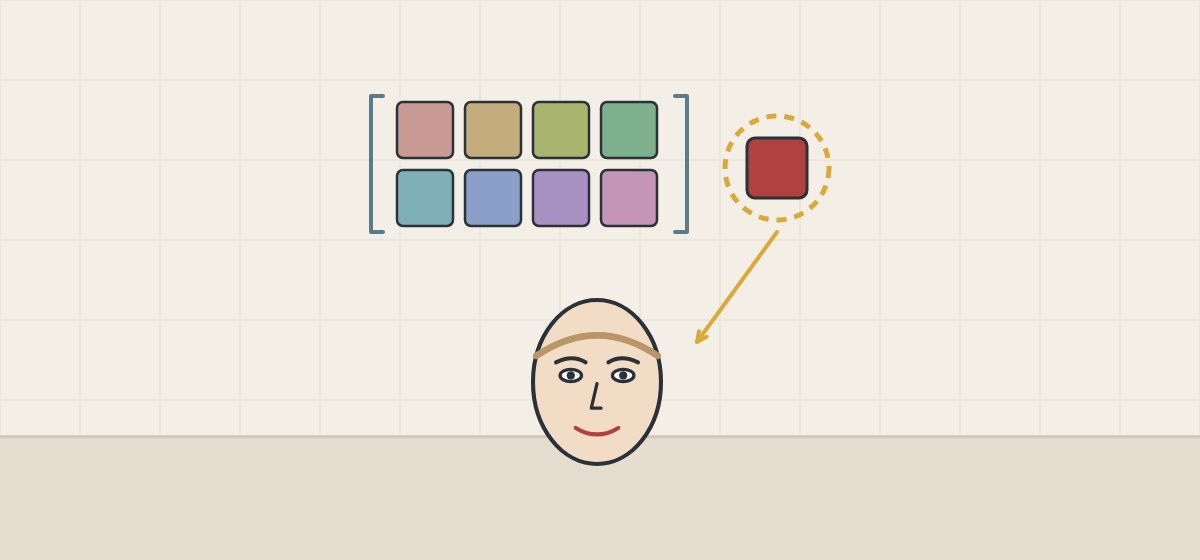
CRI leaves out saturated red and says nothing about preference. Four points from the DOE, the IES and the CIE, then what to request:
R9, strong red
The DOE says R9 is especially pertinent because rendering saturated red matters for skin tones. It is not used to calculate CRI.
Fidelity only
A 2016 DOE summary of TM-30 says CRI evaluates fidelity only, which is not always correlated with the rendering people prefer.
TM-30
The same summary, written about the 2015 edition, names a Fidelity Index (Rf), a Gamut Index (Rg) and a Color Vector Graphic, and says TM-30 uses 99 color samples. The edition shown on the IES webstore is ANSI/IES TM-30-24+E1.
The CIE’s position
The abstract of CIE 224:2017 says its fidelity index Rf is not a replacement for Ra for rating and specifying products or for regulatory minimums.
What to request
This guide suggests asking the supplier for:
- CRI (Ra) for the offered configuration
- R9 as its own value
- TM-30 Rf and Rg, if the maker reports them
- The edition of each method used
Does CCT tell you how bright the mirror is?
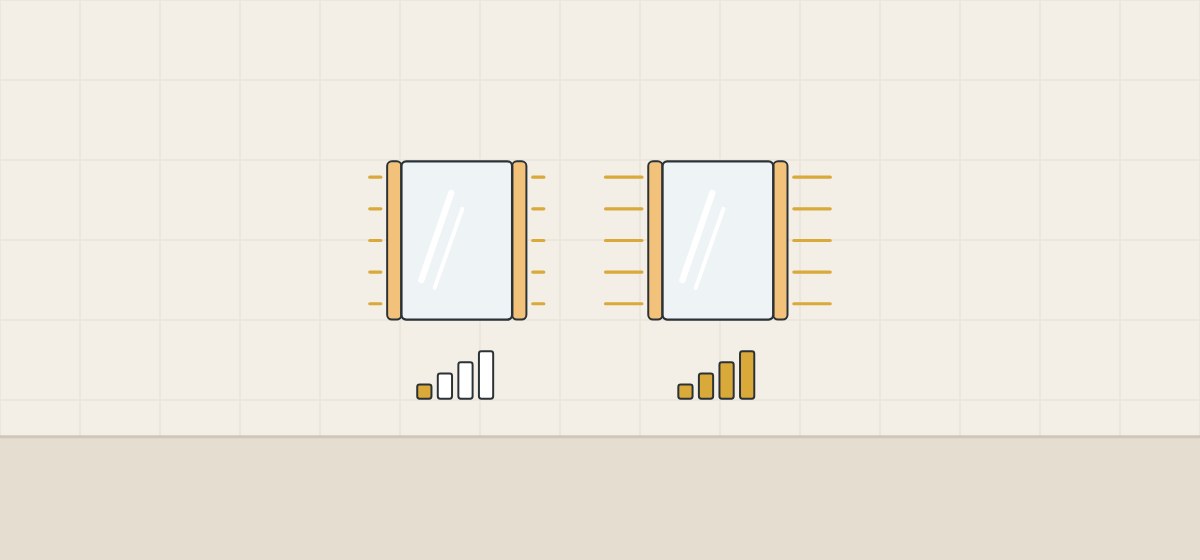
No. ENERGY STAR describes brightness as light output measured in lumens. CCT is a color quantity.
A separate label line
The FTC’s Lighting Facts label, which covers most general service lamps with medium screw bases, states “Brightness” in average initial lumens and “Light Appearance” as CCT. It is cited for the separation, not as a mirror rule.
Lumens and lux differ
Robern’s Sculpt sheet gives approximate lumens and approximate lux, the lux measured 18 in from the center of the mirror.
Per foot or per fixture
Electric Mirror’s Integrity sheet gives initial lumens per foot and, by size, per fixture.
Color against efficacy
The DOE notes that adding primaries such as amber can improve color, though efficacy is often sacrificed.
For a mirror with selectable color or dimming, ask which setting each value belongs to. The sheets read here do not say whether output or CRI changes between settings.
Which programs publish CRI or CCT thresholds?
The sources read here publish values for their own scope; none sets a general requirement for lighted mirrors. Confirm what applies with the local authority.
| Source | What it states |
|---|---|
| DOE fact sheet (2012) | CRI in the 70s acceptable for interiors, 80s good, 90s excellent; a rough guideline only. |
| California 2025 Single-Family Residential Compliance Manual, chapter 6, Residential Lighting | JA8 data: CRI at least 90 (82 for T20 lamps), R9 at least 50 (except T20 lamps), CCT 4000 K or less. |
| Same California chapter | Lists lighting integral to bath vanity mirrors among lighting not required to be JA8 certified and marked. |
How should a buyer specify LED mirror light?
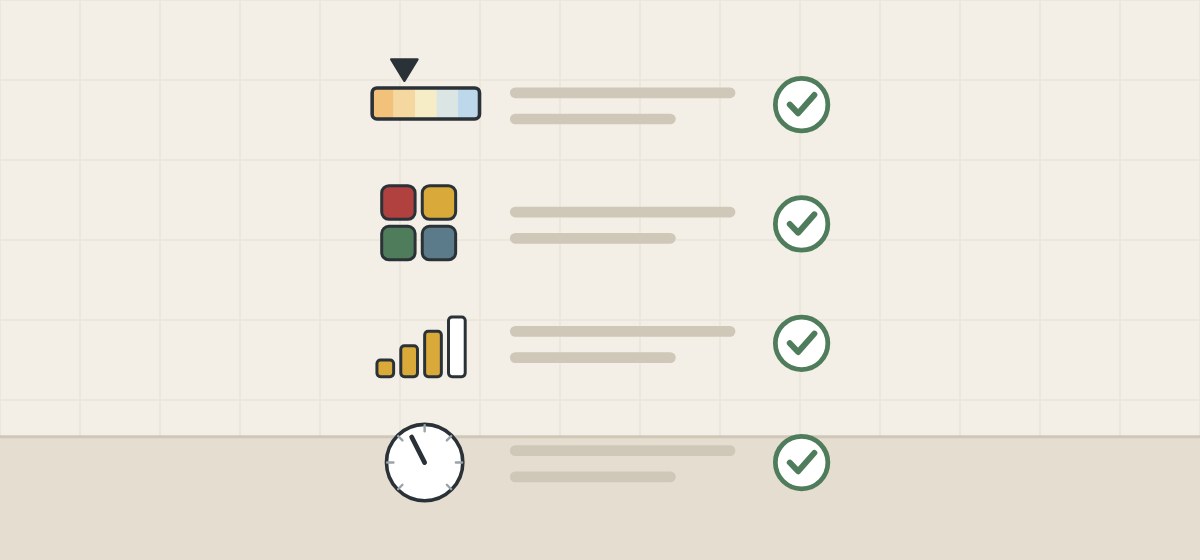
Write each attribute on its own line and tie it to one configuration. These steps are procurement guidance.
- Name the task. Grooming, makeup or general light; decide with the lighting designer.
- State CCT or the settings. Fixed value, or each selectable step.
- State color rendering. CRI and R9 as two values; TM-30 if needed.
- State light output. Lumens, and how the maker states them.
- Name the setting measured. Which color mode and dimming level.
- Review a sample in the room. Record the mirror, mode and other lights on.
- Carry it into the order. Keep module reference, settings and data with the schedule.
Why a screen photo is not evidence
Website and phone images pass through a camera and a screen. Treat a warm and cool comparison picture as an illustration, not a measurement. The DOE says that where color appearance is critical there is no substitute for visual evaluation.
What should you send and ask before a quotation?

Ask for each lighting field separately and for the document behind it.
| Question | Why it matters |
|---|---|
| Which CCT or CCT steps are supplied? | CCT is appearance only. |
| What are CRI and R9 for this configuration? | R9 is outside the CRI average. |
| What light output is documented? | CCT does not state brightness. |
| Which setting was measured? | A tunable mirror has many settings. |
| Is Duv or a chromaticity standard stated? | Equal CCT can still look different. |
| Does the data cover this size and finish? | A variant may use different lighting. |
Include with your request
- Project location and any code named
- The task the mirror light serves
- Mirror size, shape and configuration
- Required CCT, CRI, R9 and output
- Control type and quantity
WNS Global confirms any product and terms it offers separately in writing. This guide does not state that WNS Global products have the features, ratings or listings named above. A vanity set does not by itself establish the lighting performance of its mirror.