From rating to drawer plan
What does a drawer load rating actually state?
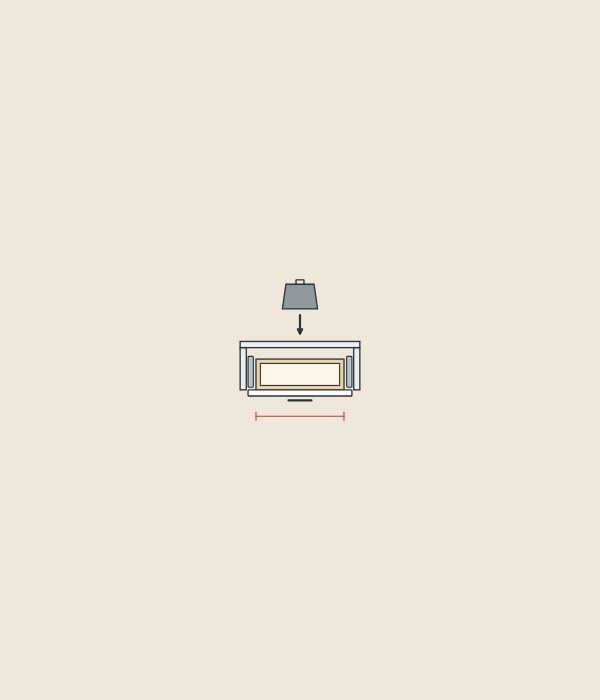
A load rating states a weight under stated test conditions, the maker’s own or a named standard’s. Accuride says that, unless otherwise stated, its slides are rated for the dynamic (cycled) load an 18 in pair carries without failure, on a 16 in wide drawer. The rating falls proportionally for slides longer than 18 in.
Accuride says each model’s static capacity is at least twice its dynamic rating. Blum’s US TANDEM table gives a static load rating of 100 lb per ANSI/BHMA A156.9. Ask which kind a quotation uses.
| Term | How the named source uses it |
|---|---|
| Dynamic load | Accuride: the load a pair of slides carries while cycled. |
| Static load | Blum’s US TANDEM table: the rating per ANSI/BHMA A156.9. |
| Lateral stabilizer | Blum’s rack, pinion and rod kit for MOVENTO. |
How does a maker arrive at the rating?
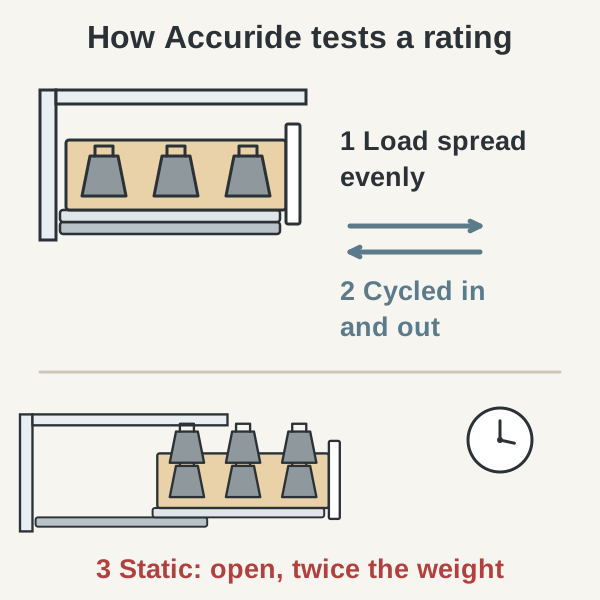
Accuride describes its own method in an article on load ratings.
- The slides are fixed to a drawer in a test rig.
- The load is spread evenly through the drawer.
- The drawer is cycled in and out a set number of times.
- Cabinet and hardware slides get 50,000 to 75,000 cycles.
- A static test follows: full extension, twice the weight, 24 hours.
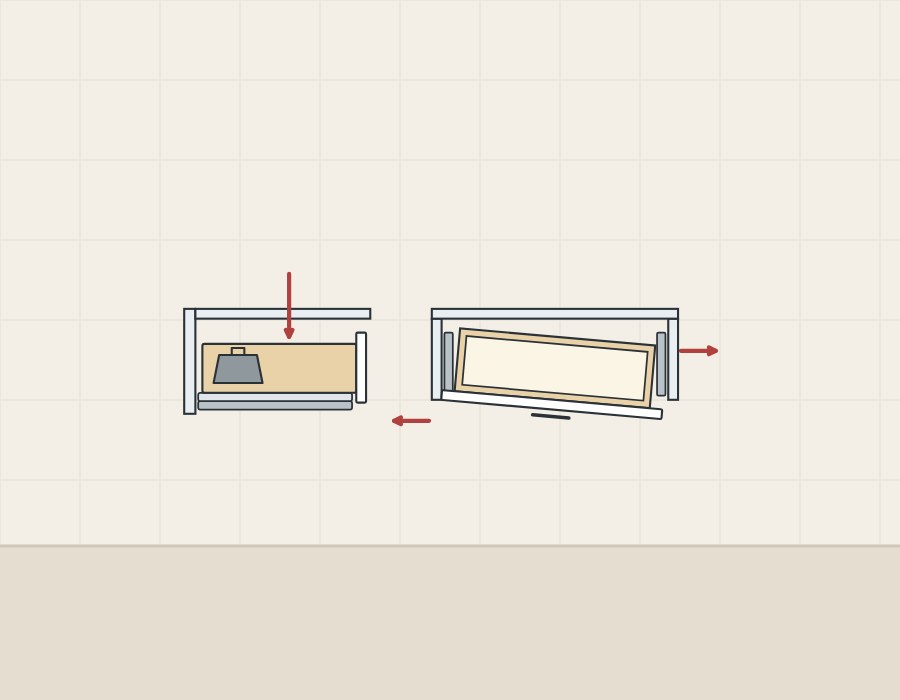
Accuride also measures deflection against the project specification. Because the test load is spread evenly, a drawer loaded at one end is a different condition from the one behind the printed figure.
Which conditions do makers print with the rating?
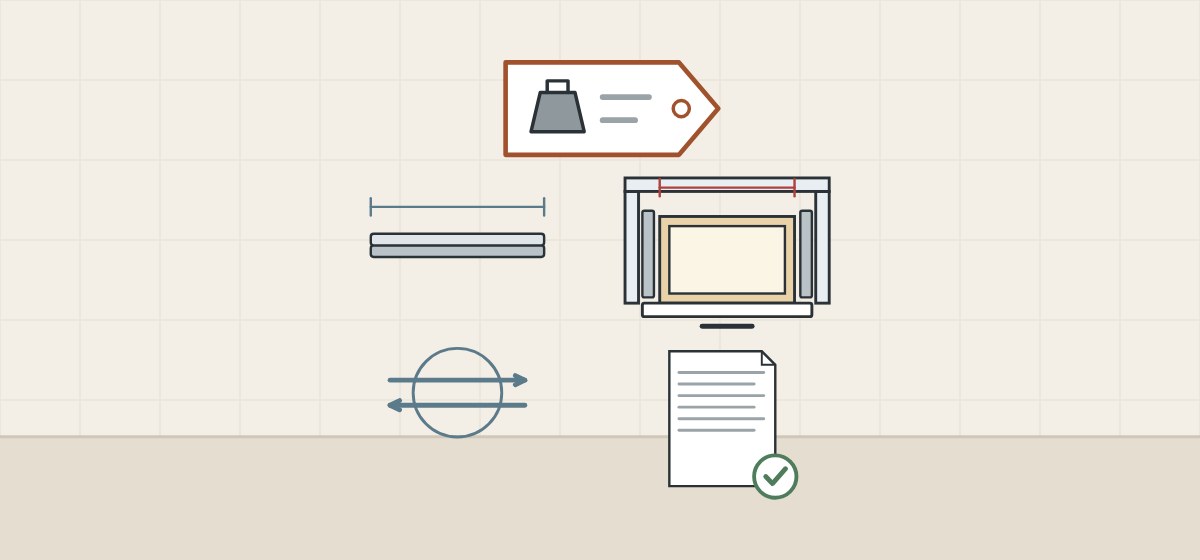
Most of the documents read print a standard, a slide length, a test drawer width or a cycle count beside the figure; Salice’s catalogue prints none in the text read.
| Product | Rating as stated | Conditions stated |
|---|---|---|
| Accuride slides, generally | Dynamic load | 18 in pair, 16 in wide drawer, unless otherwise stated |
| Blum TANDEM (US) | 100 lb static | ANSI/BHMA A156.9; drawer lengths 9–21 in |
| Hettich Quadro V6 (US, 2017) | Up to 90 lb dynamic, 100 lb static | ANSI/BHMA 156.9 grade 1, on a 21 in slide |
| Salice Futura | 294 N (30 kg) dynamic | No standard named in the text read |
| Knape & Vogt 8810 | 200 lb load class; 100 lb flat | Flat figure: 18 in slide, 24 in wide drawer, 10,000 cycles |
BHMA describes ANSI/BHMA A156.9-2015 as covering cabinet hardware, drawer slides included, with operational, cyclical, strength and finish tests.
Does the rating still hold on a wider drawer?
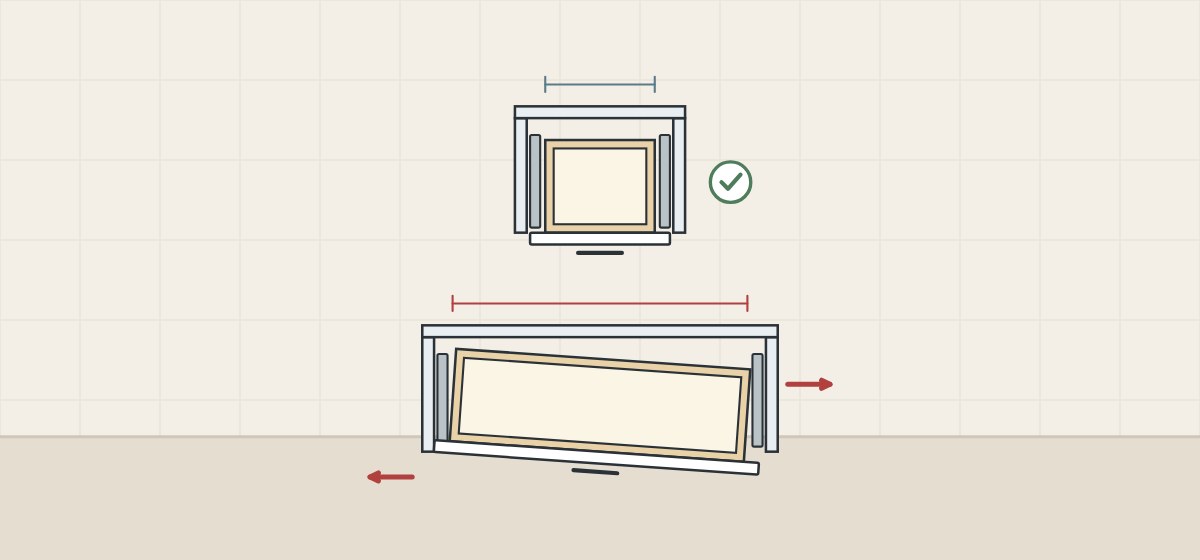
Not automatically: Accuride and Knape & Vogt attach a drawer width to the slide or the rating. Accuride says that at widths of 24 in or more, a slide with a larger cross section and a higher load rating is often the best solution.
| Source | Width statement |
|---|---|
| Accuride 3832E | Loads up to 100 lb; for drawers up to 24 in wide. |
| Accuride 9301E | 600 lb, moderate usage, widths up to 24 in; 480 lb, frequent usage, widths up to 42 in. |
| Knape & Vogt 8810 | Maximum drawer width 42 in. |
None of the documents read gives a width-to-depth ratio; limits are widths for a named product.
What is a lateral stabiliser, and when is it recommended?
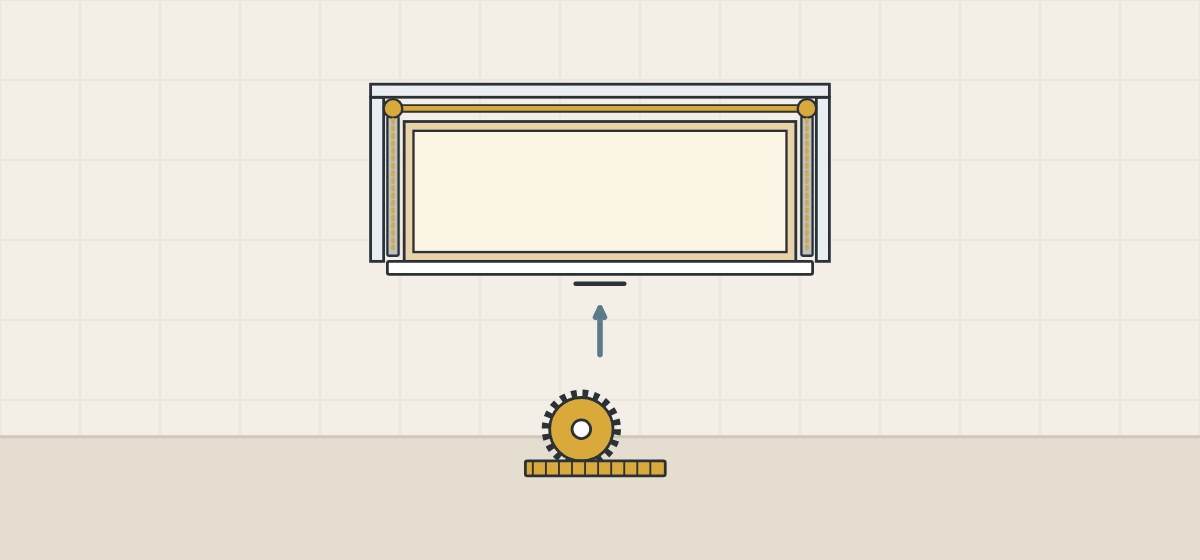
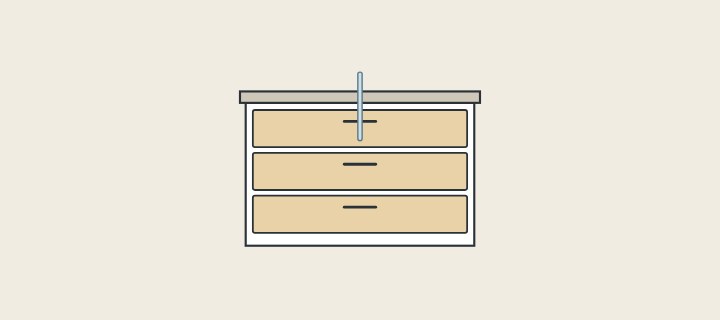
In the documents read, three parts join the two sides of one drawer with a rod, shaft or bar, and a fourth is fitted to each side separately. Each belongs to one runner system:
Blum, MOVENTO 763/769
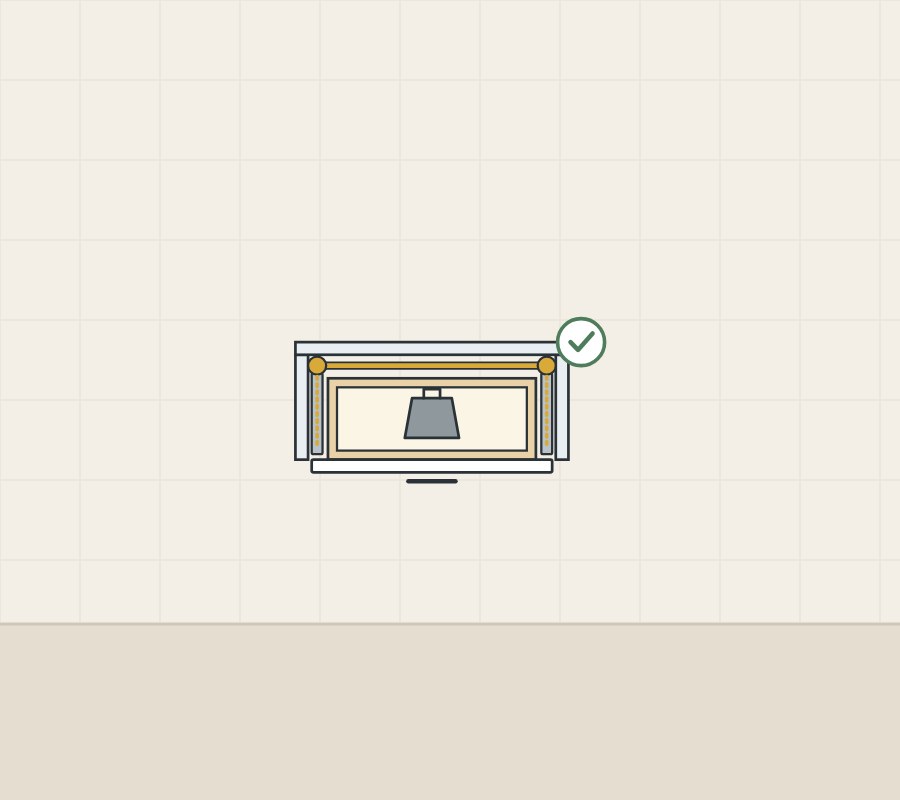
Blum’s installation instructions show gear racks, pinion housings and a linkage rod joining the two sides. Blum recommends the kit for cabinet opening widths of 610 mm (24 in) to 1369 mm; it is for use with drawers 305 to 686 mm long.
Hettich, Quadro on InnoTech Atira
Hettich’s side stabiliser set has two gear racks, two cogwheels and a shaft cut to length. Hettich recommends it on cabinet bodies over 800 mm wide, for nominal lengths of 260 to 620 mm.
Salice, Futura Push
Salice’s Futura catalogue lists a synchroniser that links the two Push-open runners; Salice describes its purpose as letting drawers of any width open with minimum effort. Salice recommends it for drawers over 80 cm wide and states that the runner’s load capacity remains unchanged.
Salice, stabiliser for drawers
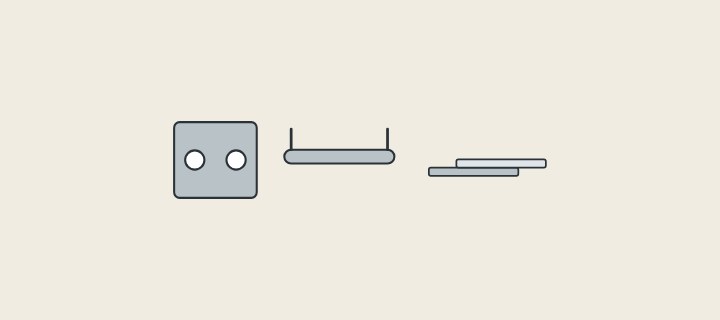
A separate Salice part fits on both sides of the drawer; its cam adjustment sets how the rollers bear on the cabinet side.
- Stabiliser part number
- Runner it is made for
- Recommended width range
- Drawer lengths accepted
What space does a stabiliser need in the cabinet?
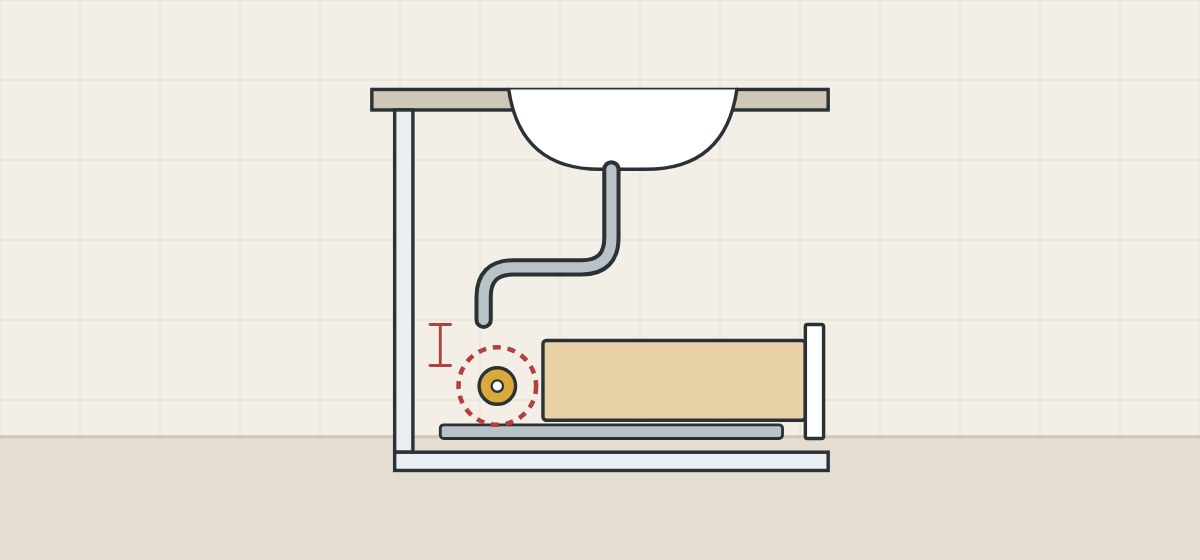
The same documents give four fitting conditions:
Cabinet depth
Blum’s minimum inside cabinet depth for its kit is setback plus runner length plus 18 mm.
Height
Blum notes that runners sit 2 mm higher when its lateral stabilizer is used in bottom-mount applications.
Shaft or bar length
Hettich’s shaft is cut to length, for a cabinet body up to 1200 mm wide. Salice’s 1150 mm bar is cut to length, for cabinets up to 1300 mm wide.
Compatibility
Hettich’s side stabiliser cannot be used with the Quadro runner with Push to open. Blum’s kit is for frameless and blocked-out face frame applications.
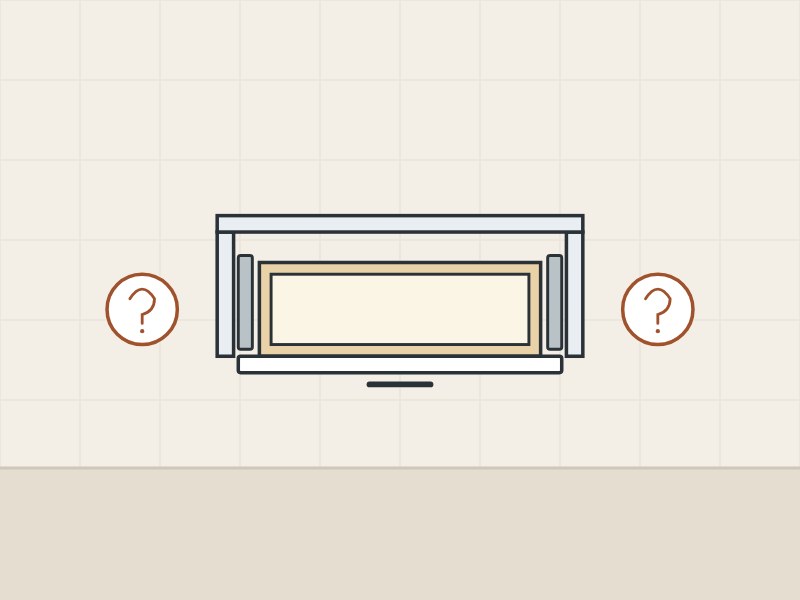
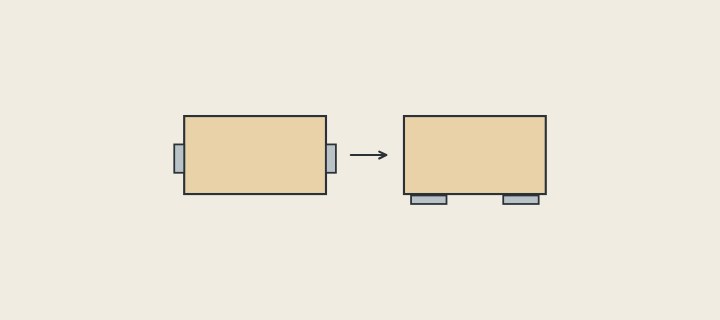
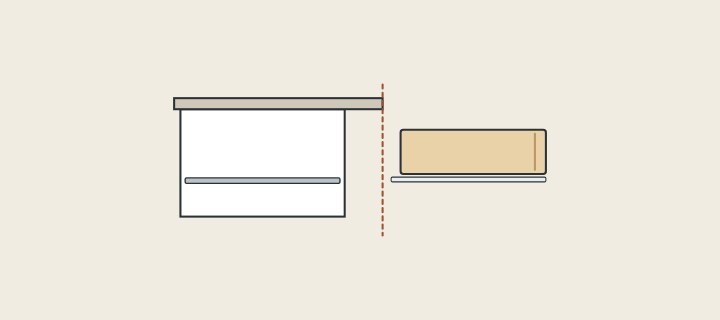
None of these documents addresses basin plumbing. In a vanity, check the rod against the waste and supply pipes on the section drawing, through the drawer’s full travel if the rod moves with it.
Do published tests cover a pull from one side?
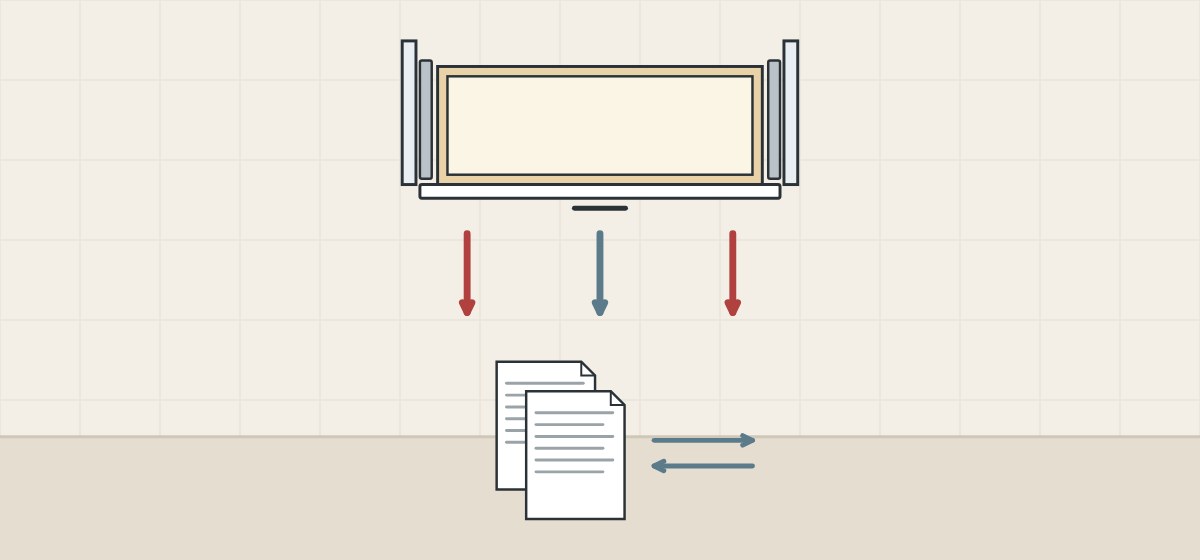
One document read does: Accuride’s cycle counts for lateral file drawers include cycles from each side of the drawer.
| Source | What it describes |
|---|---|
| Accuride slide guide | Lateral file drawers: 75,000 cycles, 55,000 from the centre and 10,000 from each side. |
| Woodworking Network article on KCMA’s site | A161.1 drawer test: 15 lb per square foot, 25,000 cycles; drawers must remain operable. |
| ANSI/AWI 0641-2019, section 3.3 | Drawer bottom compression and drawer front tension tests; its loads do not suggest service loads. |
How should a buyer check a wide, shallow vanity drawer?
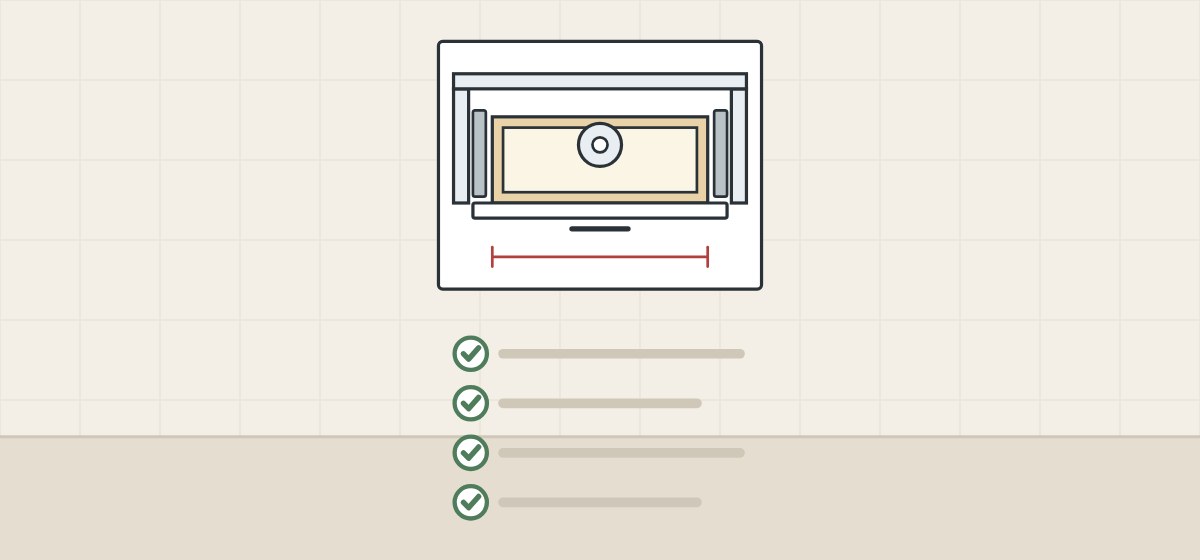
These steps are procurement guidance, not a test method.
- Draw the real drawer. Box width and usable depth, not the cabinet’s outside size.
- Show the basin and drain. They explain a short or shaped drawer.
- Name the runner. Model, length, and dynamic or static rating.
- Ask for the conditions. Standard, slide length, test drawer width and cycles.
- Check width separately. Compare it with the maker’s limit for that slide.
- Settle the stabiliser. Is one recommended at this width? List its part number.
- Agree any demonstration. Fix the contents, their position and what will be observed.
When the drawer changes
A smooth pull on a showroom sample is not a capacity test. A shortened box, thinner sides, a moved plumbing cut-out or a deleted stabiliser changes what was reviewed; ask whether the runner and its parts still apply.
What should you send and ask before a quotation?
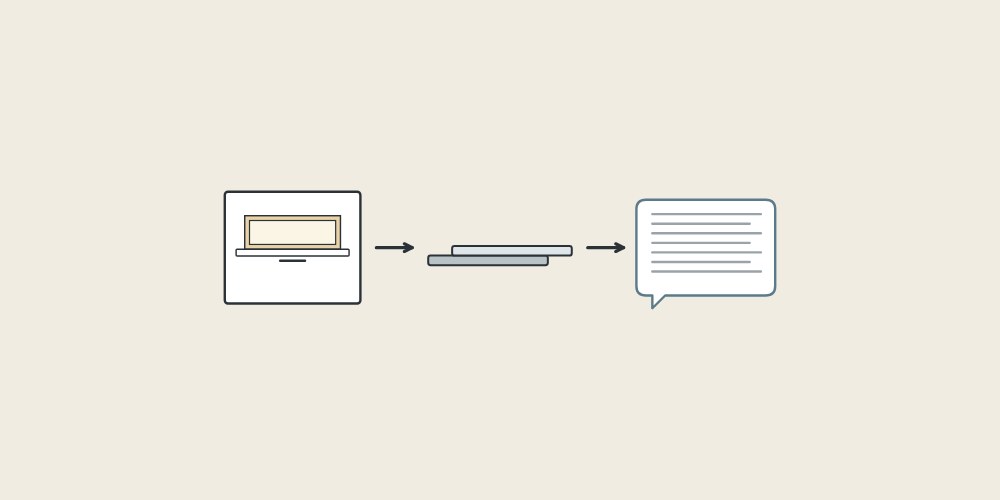
Send the drawer plan with these questions.
| Question | Why it matters |
|---|---|
| Which runner model and length? | “Heavy-duty” identifies neither. |
| Is the rating dynamic or static? | The documents read show both kinds. |
| Under which conditions was it rated? | Slide length and test drawer width differ. |
| What drawer width does the maker allow? | Width limits are per product. |
| Is a stabiliser recommended here? | Recommendations start at stated widths. |
| Does the rod clear the drain? | The maker documents do not cover plumbing. |
Include with your request
- Drawer plan: box width and usable depth
- Basin, waste and supply positions
- Box and bottom construction
- Expected contents and where they sit
- Runner and accessory codes, if chosen
List the runner and every agreed companion part on the order; check spare-part availability separately. WNS Global confirms any offered runner, stabilising part and commercial terms separately in writing. This guide does not state that WNS Global products use any runner named above or have any of the ratings, tests or parts described.