From batch to reorder
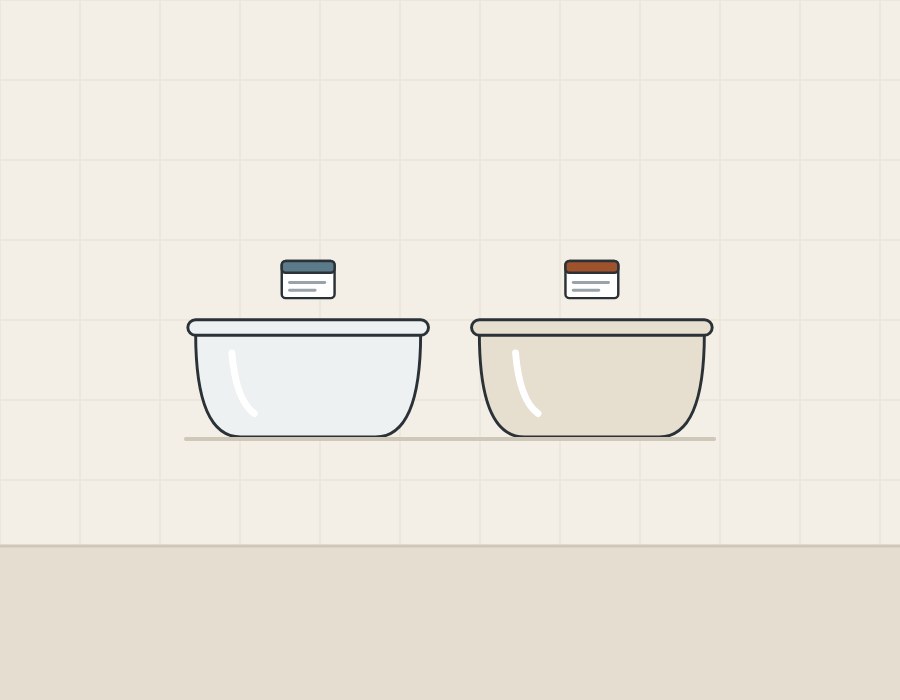
Why can two batches of the same color differ?
Corian links slight color variation to the blending of minerals and acrylic; Krion links variation between batches to natural raw materials. ISFA describes solid surface as reacted monomers and resins, mineral fillers and pigments.
Corian puts its sheet at about one third acrylic resin and two thirds natural minerals. Krion describes its material as two thirds natural mineral and one third acrylic resins.
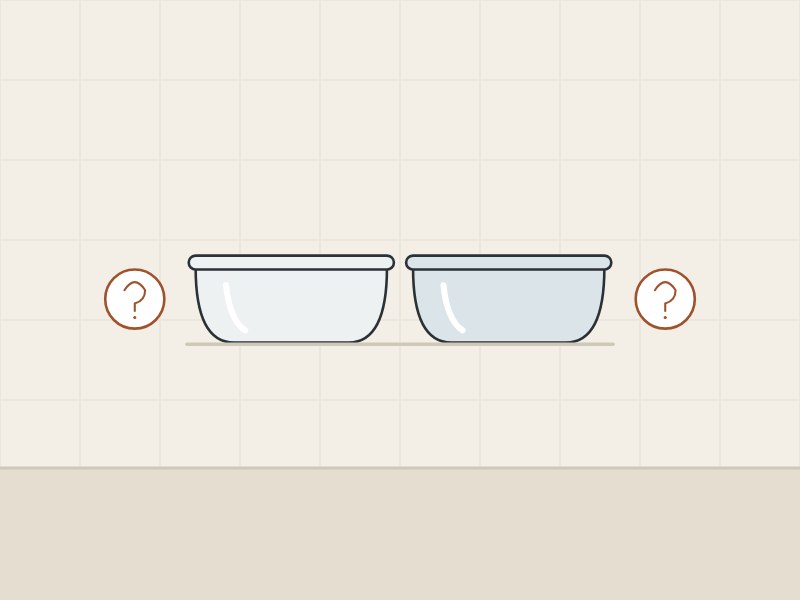
A small difference matters most where units meet: identical rooms in a row, or a tub beside a matching basin. That is this guide’s reasoning, not a maker’s statement.
| Term | What it means here |
|---|---|
| Batch or lot | The maker’s identifier for material made together. |
| Retained reference | A signed physical sample of the approved color and finish. |
| ΔE | A color difference calculated from instrument readings. |
How does a color mismatch reach a finished room?
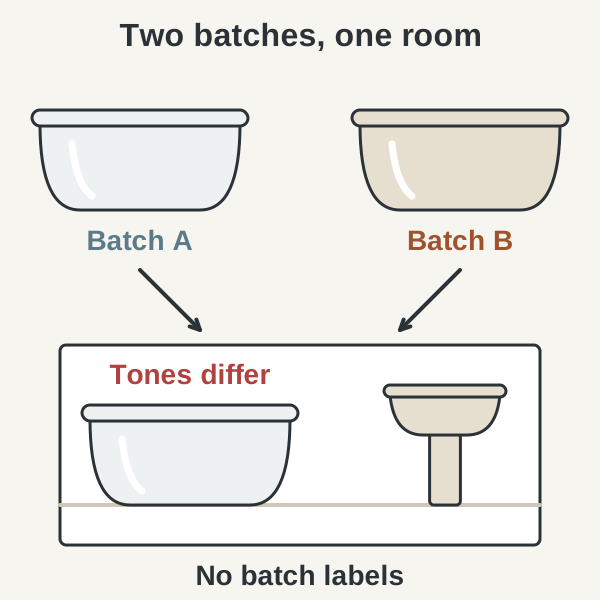
A mismatch can arrive through planning gaps. The sequence is this guide’s own illustration, not a record of any order.
- A color is approved from one sample.
- The order is produced in more than one batch.
- Units and cartons carry no batch reference.
- Batches are mixed in the warehouse or on site.
- Two batches meet in one room, or a tub meets a basin from another batch.
- A replacement is ordered much later and judged from memory.
Two makers touch on later supply of sheet. LX Hausys says in its job-planning guideline that if more HIMACS sheets are needed during fabrication or installation, the distributor is not guaranteed to have sheets from the same lot. Avonite’s limited warranty, printed in its fabrication guide, says exact color match of replacement product is not guaranteed.
What do makers say about color match between batches?
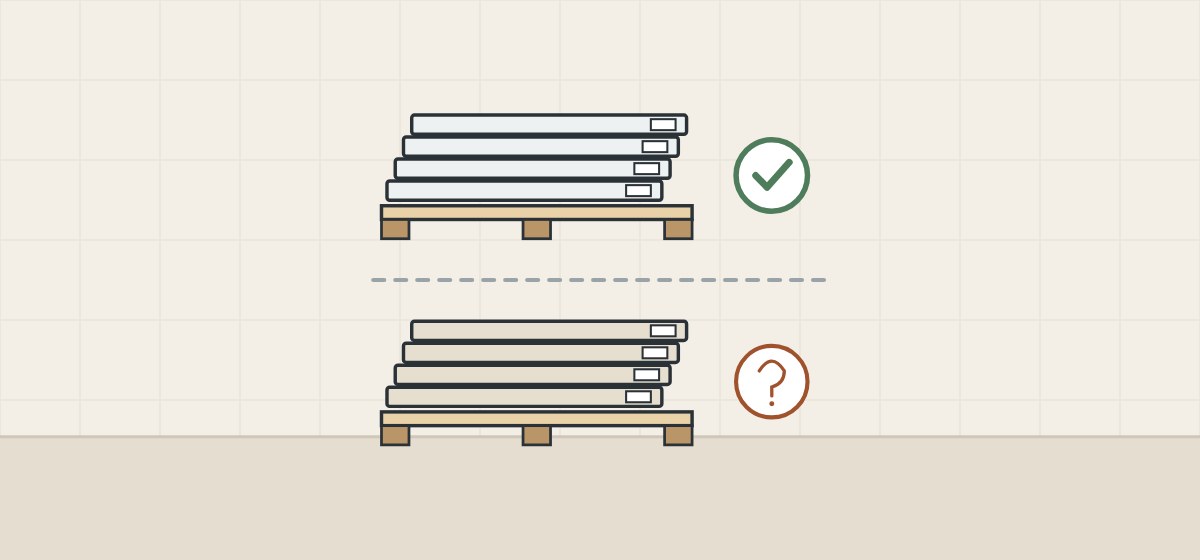
Several named makers advise using one batch or lot, and one says in its warranty that a match is not guaranteed. Each row is a maker’s statement about its own sheet.
| Maker | What it says about its sheet |
|---|---|
| Corian | Slight variation within or between sheets of one color; check color before fabrication. |
| Krion | Top-surface color: ΔE ≤ 1 within a batch, ΔE ≤ 2 between batches. |
| HIMACS (LX Hausys) | Same lot number gives the best possible color match at joints. |
| Avonite | In its limited warranty: some variance is natural; exact match, including of replacement product, is not guaranteed. |
Krion’s figures apply to Krion sheet. They are not a tolerance for bathtubs or for any other maker.
How are batches and lots identified?

The named sheet makers identify material by lot or batch, often with a sequence. The sources used here do not describe how a bathtub is marked, so ask the supplier.
| Maker | Identifier | What the maker says or asks |
|---|---|---|
| Wilsonart | Lot number on the sheet edge; sheets sequentially numbered | Sheets are color-matched by lot number. |
| Avonite | Label with an identification number | Same batch, consecutive numbers, for sheets to be seamed. |
| Krion | Batch; sheet numbers (marking not described) | Same batch and, if possible, consecutive numbers. |
The HIMACS seaming guideline says sheets to be joined should bear the same batch number. For a bathtub order, a batch reference is only useful if it can also be read on the carton; that is this guide’s own point.
How is a color difference measured or judged?

A color difference is calculated from instrument readings or judged by eye under set conditions. Four sources show what has to be agreed:
ASTM D2244-23
Calculates small color differences between opaque specimens from instrument readings. Its summary page says purchaser and seller agree on the tolerance, and that results in different color scales are not likely to be identical.
ASTM D1729-22
Covers visual appraisal of opaque materials under diffuse light. Its summary page assumes a trained observer and names simulated average daylight, D65.
ISFA 2-01 (2013)
Tests sheet-to-sheet color match within the maker’s specified lot. The requirement is no noticeable color or particulate change along a test seam.
A maker’s own figure
Krion publishes ΔE limits for its sheet, checked visually or by spectrophotometer. The data sheet does not name the color-difference formula.
- The physical reference
- The light source
- Visual check, instrument or both
- The color scale, if a number is used
- The tolerance, in writing
What else changes how the same color looks?
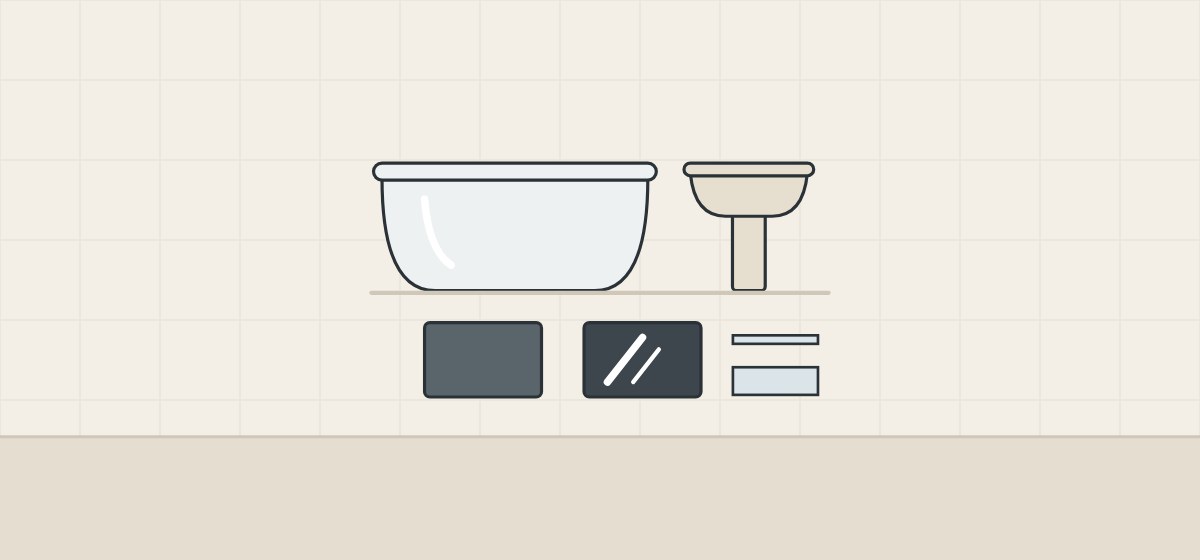
Product type and finish can change how one color name reads, and thickness affects translucency. Four points from named makers:
Different product, different process
Corian says its sinks and lavatories are color-matched to sheet, but that exact match is not guaranteed because the products are made by different processes.
Finish and gloss
Corian’s finishing bulletin recommends semi-gloss or gloss on darker colors for a darker, richer appearance. Wilsonart says darker colors need more attention to reach the desired finish.
Translucency
Corian says the translucency of its sheet is especially striking in lighter colors and in thinner sheets.
Surface preparation
Avonite’s check: lay the sheets out as installed, sand part of the surface and wet it.
None of these statements is about bathtubs. They show why an order should state the finish and why tub and basin are best compared together.
What do the standards cover, and what do they leave to the order?

The documents and summaries read for this guide set no batch color tolerance for bathtubs. The table gives each published scope.
| Document | Published scope |
|---|---|
| ISO 19712-1:2008 | Classifies solid surfacing materials by performance; properties include color stability. |
| ISFA 2-01 (2013) | Solid surfacing sheets; color consistency within a lot, light resistance. |
| CSA B45.5:22/IAPMO Z124-2022 | Plastic plumbing fixtures, including bathtubs: materials, construction, performance, testing, markings. |
| ASTM D2244-23 | Calculating a color difference; the parties agree on the tolerance. |
How should a buyer plan for color consistency?

Plan before the first unit is made. These steps are procurement guidance built on the facts above.
- Rate the risk. List where units meet: rows of identical rooms, tub beside basin.
- Group visible units. Ask whether each room type can come from one run.
- Allocate what cannot be grouped. Assign batches by building, floor or room type.
- Identify batches. A batch reference on each unit, carton and packing list.
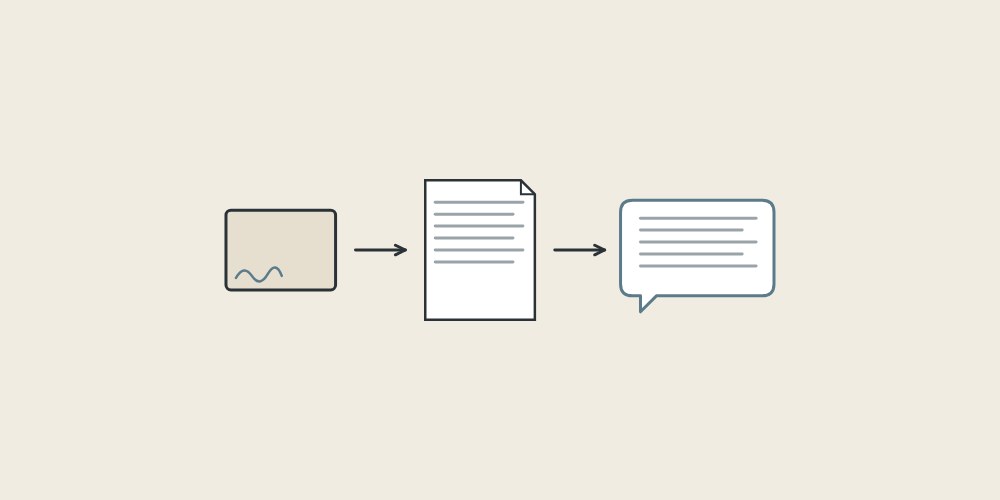
- Keep references. A signed sample of the approved color and finish on each side.
- Order spares with the main run. Store them with the retained reference.
- Fix the finish. State matte or gloss on every order and reorder.
Comparing a reorder
Compare new production with the retained reference, side by side in one light, not with a photo. Corian’s sinks and lavatories sheet says the images shown may vary from actual color.
What should you send and ask before a quotation?

A complete request states which units must match and how the match will be judged.
| Question | Why it matters |
|---|---|
| Can each room type come from one batch? | LX Hausys: same lot gives the best possible match at joints. |
| How is the batch marked on tub and carton? | Mixed batches cannot be sorted without it. |
| Are tub and basin made together? | Corian: products made by different processes may differ. |
| Which reference, light and tolerance apply? | ASTM D2244 leaves the tolerance to the parties. |
| What is offered if a reorder differs? | Avonite’s warranty does not guarantee replacement match. |
Include with your request
- Color name and finish
- Quantity by room type and building
- Which units stand side by side
- Delivery phases and dates
- Spare units required
WNS Global confirms any offered bathtub or basin, its batch arrangements and commercial terms separately in writing. This guide does not state that WNS Global products are batched, labeled, measured or matched in any way named above, or that they meet any standard named above.