From sample type to approval record
What kinds of bathtub sample are there?
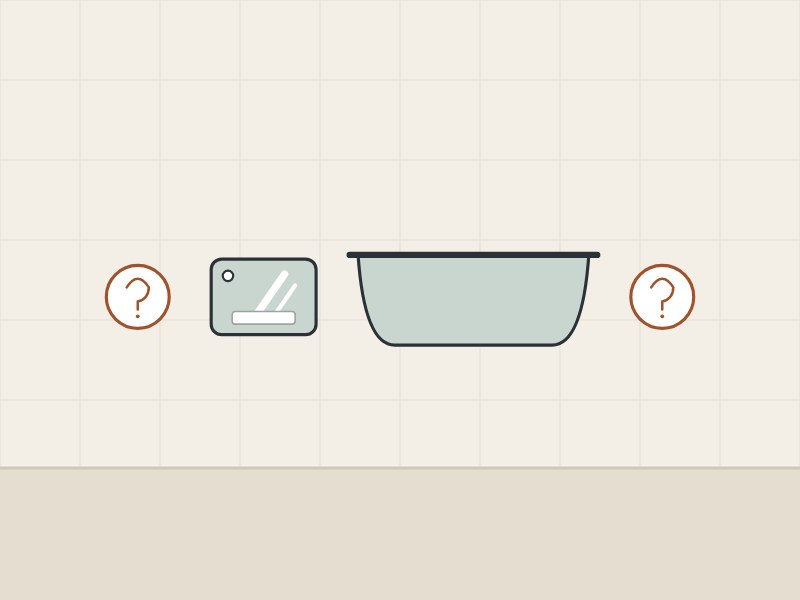
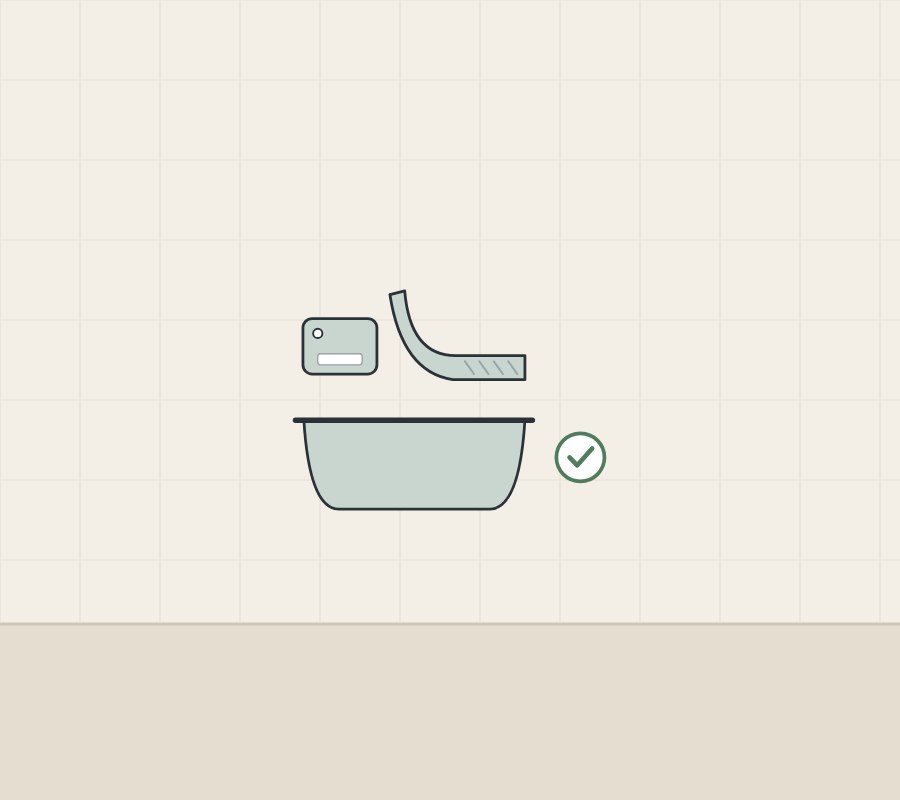
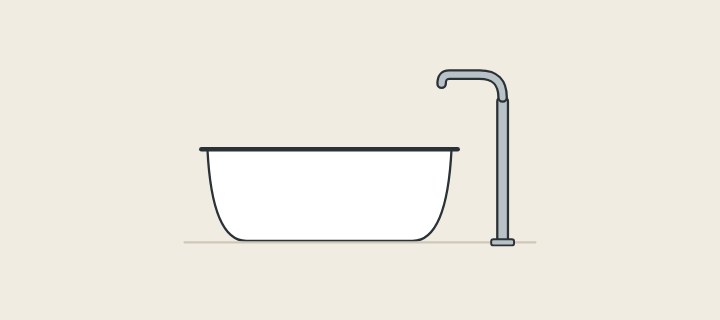
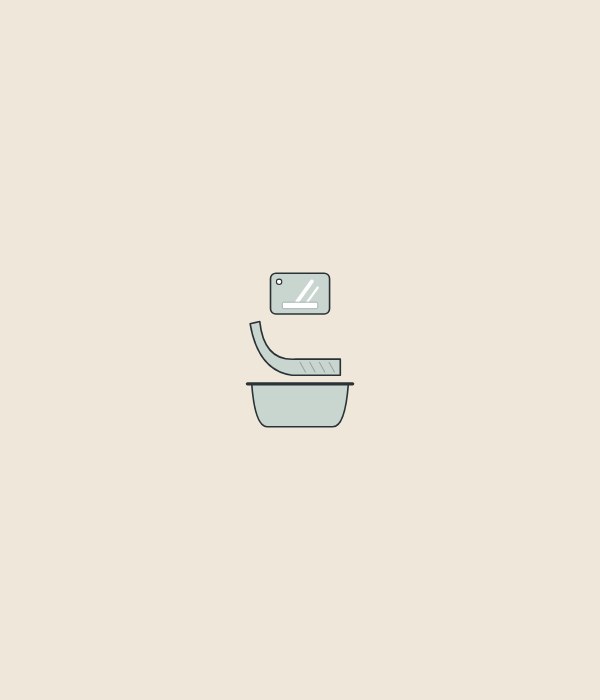
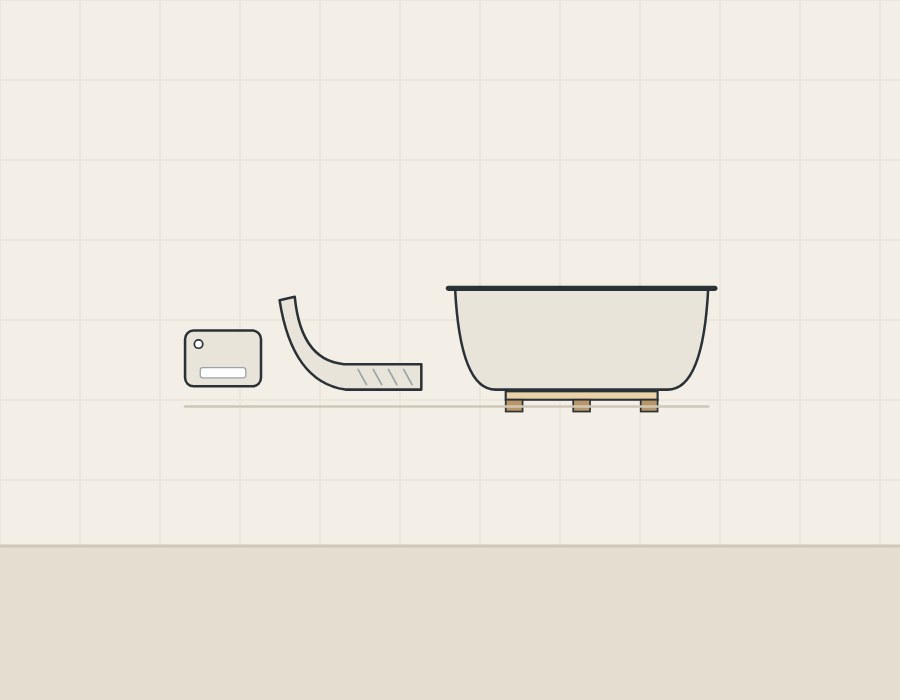
Three, in this guide’s terms: a color chip, a cut section and a full tub. No standard read for this guide defines them.
They apply to cast tubs. The International Cast Polymer Association’s cast polymer page says solid surface can be cast into a variety of shapes, and the abstract of ISO 19712-1:2008 lists tubs among solid surface shapes.
| Term | What it is |
|---|---|
| Color chip | Small flat piece in the offered color and finish. |
| Cut section | Piece cut from a tub wall, showing the cut face. |
| Full tub | Complete tub of the model, with drain openings. |
| Reference sample | Piece that later production is compared with. |
| First production unit | First tub of the order, used as the reference. |
Does the color run through a cast bathtub wall?
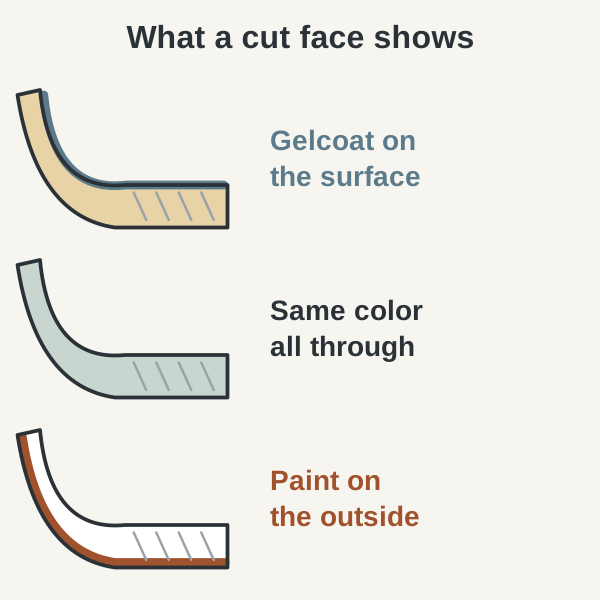
It depends on the material and on how the color is applied. The sources describe three cases: gelcoat, through-body and painted. A cut section shows which one a tub is.
- Gelcoat. Cultured marble, per the ICPA, is resin, catalyst, fillers and pigments poured into polished molds, with a gelcoat surface that gives a glossy or matte finish.
- Through-body. Solid surface, per the ICPA, is also resin and filler but is made without a surface gelcoat. Corian’s product bulletin says colors and patterns run through the entire thickness of its sheet.
- Painted. Victoria + Albert’s color finishes are an optional service: a catalysed paint applied to the exterior of its freestanding bathtubs.
Ask which case the offered tub is, then check it on a cut face.
Which sample answers which question?
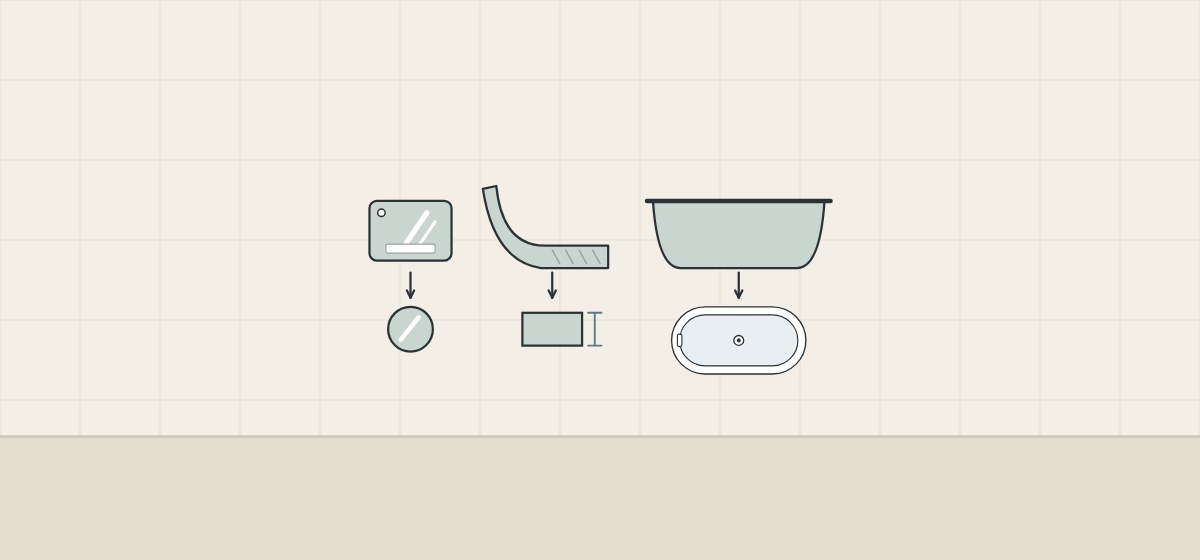
Each sample type settles some questions and leaves others open. The table is this guide’s own reading.
| Sample | Can show | Cannot show |
|---|---|---|
| Color chip | Color and sheen on a flat face | Curves, shape, wall at full depth |
| Cut section | Surface layer or through-body color; wall at that point | Shape; finish over the whole tub |
| Full tub | Shape, bathing position, finish on curves, drain and overflow | That later units will match |
| Showroom tub, same model | Shape and finish as built | The project’s drain configuration or batch |
| First production unit | What the tooling produces | The remaining units |
A picture is not a sample: Hydro Systems says its color options are shown as accurately as printing or screen display allows. WETSTYLE’s finish samples include its WETMAR BiO material in four finishes.
What do matte and gloss mean on a bathtub sample?
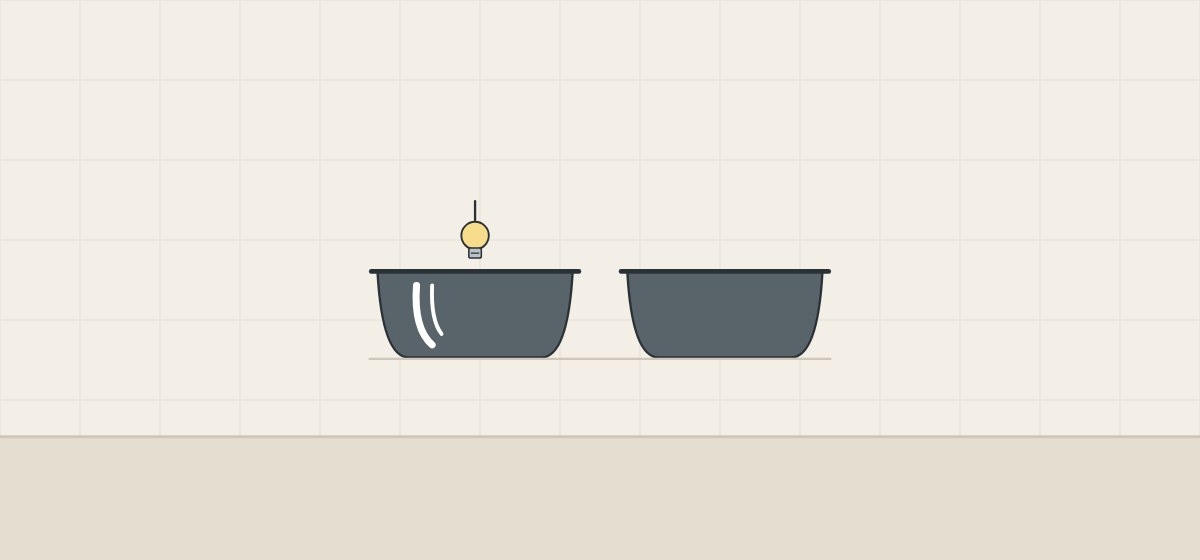
They mean what each maker says; the sources read give no shared figure.
| Source | What it says |
|---|---|
| Victoria + Albert, color finishes | Defines gloss at a 90% gloss level and matt at a 20% gloss level. |
| WETSTYLE, material page | True High Gloss, Matte and custom colors; on select collections, gloss inside and matte outside. |
| LACAVA, TUB10 sheet | Offered in matte white and gloss white. |
| ASTM D523-25 | Measures specular gloss of nonmetallic specimens at 60°, 20° and 85°. |
Record the finish for the interior and the exterior separately.
How should color be judged on a sample?

Against a physical reference, under a named light. Four points, then what to write down:
Light like the site
DuPont’s inspection chapter for Corian says to finish a trial color match in lighting similar to the job, never in bright light such as direct sunlight.
A visual practice
ASTM D1729-22 sets equipment and procedures for visual appraisal of color on opaque, diffusely lit materials.
Expect variation
Corian’s product bulletin says slight color variations may be found within a sheet or from sheet to sheet of the same color.
Not a picture
Corian’s color palette page says images may vary from actual color and recommends ordering a material sample.
- Light source used
- Viewing distance
- Finish of the sample
- Reference sample ID
Why can a chip mislead on translucent or dark colors?
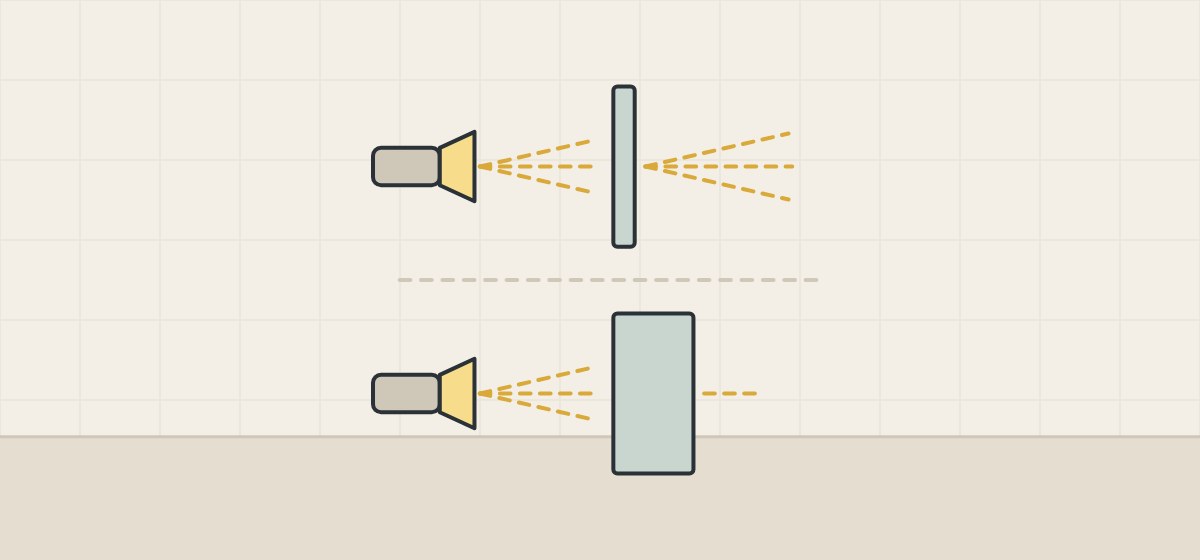
Because the sheet makers read for this guide tie appearance to thickness, light and gloss, and a small flat chip shows only one thickness and one finish. Four points:
Thickness
Corian’s product bulletin says translucency is especially striking in lighter colors and in thinner sheets.
Light
LX Hausys’ HIMACS brochure says its Lucent colors have a higher level of translucency, more evident when combined with light sources.
Dark colors
The same brochure says darker, more heavily pigmented colors show dust, scratches and haziness more noticeably than lighter textured colors.
Gloss
Corian’s finishing chapter, written for countertops, says scratches are more visible with a gloss finish, and that light reflecting off the surface shows finish imperfections most at higher glosses and with darker colors.
These statements are about sheet; no source read gives figures for a cast tub wall. So judge a translucent color on a cut section at wall thickness, or on a full tub.
What can only a full tub or its drawing settle?
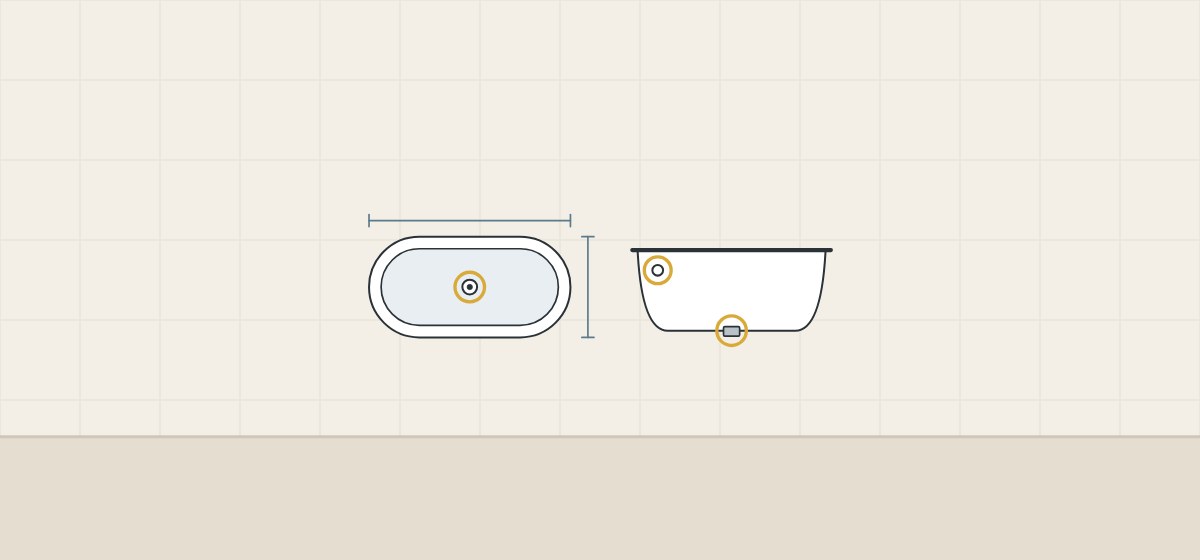
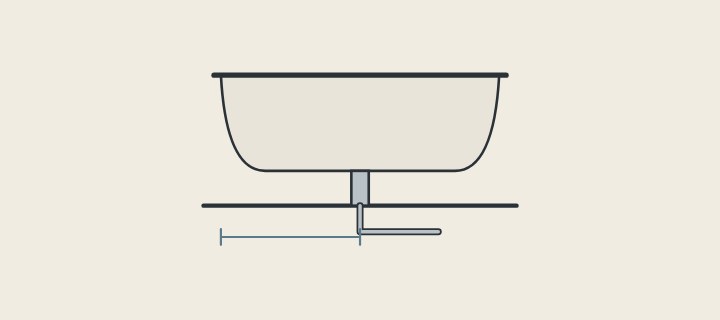
Size, hand-made variation and the drain and overflow configuration. LACAVA states these per model or range.
| Source | What it says |
|---|---|
| LACAVA, TUB10 sheet | Dimensions are nominal and may vary within 1/4 in, a tolerance LACAVA calls industry accepted; drawings are not to scale. |
| LACAVA, tub manual | Slight differences are expected from natural variation or handmade production. Tubs have an overflow unless noted. Inspect before installation; installing means acceptance. |
How should a buyer choose and approve a bathtub sample?

Start from the open decisions and ask for the smallest sample that closes each one. These steps are procurement guidance.
- List the open decisions. Color, finish, shape, drain and overflow, handling weight.
- Color only: a chip. For a model already known, in an opaque color.
- Wall and through-body color: a cut section. Also for any translucent color.
- Shape, curves and drain: a full tub. For a new or custom model, or approve the first production unit.
- Agree cost and freight. In writing, before the sample is made.
- Record the approval. Model, drawing revision, color reference, finish, drain and overflow, light used, date, sample ID, approver.
- Keep a matching reference. A twin chip or section for each party; for a full tub, photos and a chip of the same batch.
Sample decisions that backfire
Five to avoid: a translucent color approved from a flat chip; a full sample with a different drain position from the project; a signature on a photo instead of an approval sheet; no retained reference; a full tub ordered when a chip would do.
What should you ask for before a quotation?
Ask what the tub is made of and which sample types can be supplied.
| Question | Why it matters |
|---|---|
| Is the color through the body, in a gelcoat or painted? | A cut section looks different in each case. |
| Which finishes, inside and outside? | Makers name finishes differently; one defines them by gloss level. |
| Is the color opaque or translucent? | Sheet makers say translucency varies with thickness and light. |
| What dimensional tolerance applies? | One maker states 1/4 in for its model. |
| Is the overflow standard or optional? | A sample may differ from the project tub. |
Include with your request
- Model or drawing, with revision
- Color reference and finish
- Drain and overflow rough-in
- Site lighting, if known
- Quantity and reorder plans
WNS Global confirms any offered bathtub, sample type, sample cost and commercial terms separately in writing. This guide does not state that WNS Global products have the materials, finishes, gloss levels, tolerances or standards named above.