
Procurement guidance

Cargo Insurance for Bathroom Fixture Shipments

Marine cargo insurance is the one line item importers most often assume is already handled, and the one most likely to leave a real gap when a container of solid surface bathtubs or glass shower enclosures actually gets damaged in transit. Whether cover exists, what it actually excludes, and who is responsible for arranging it depends entirely on the Incoterm and the specific policy in place, not on habit or assumption.

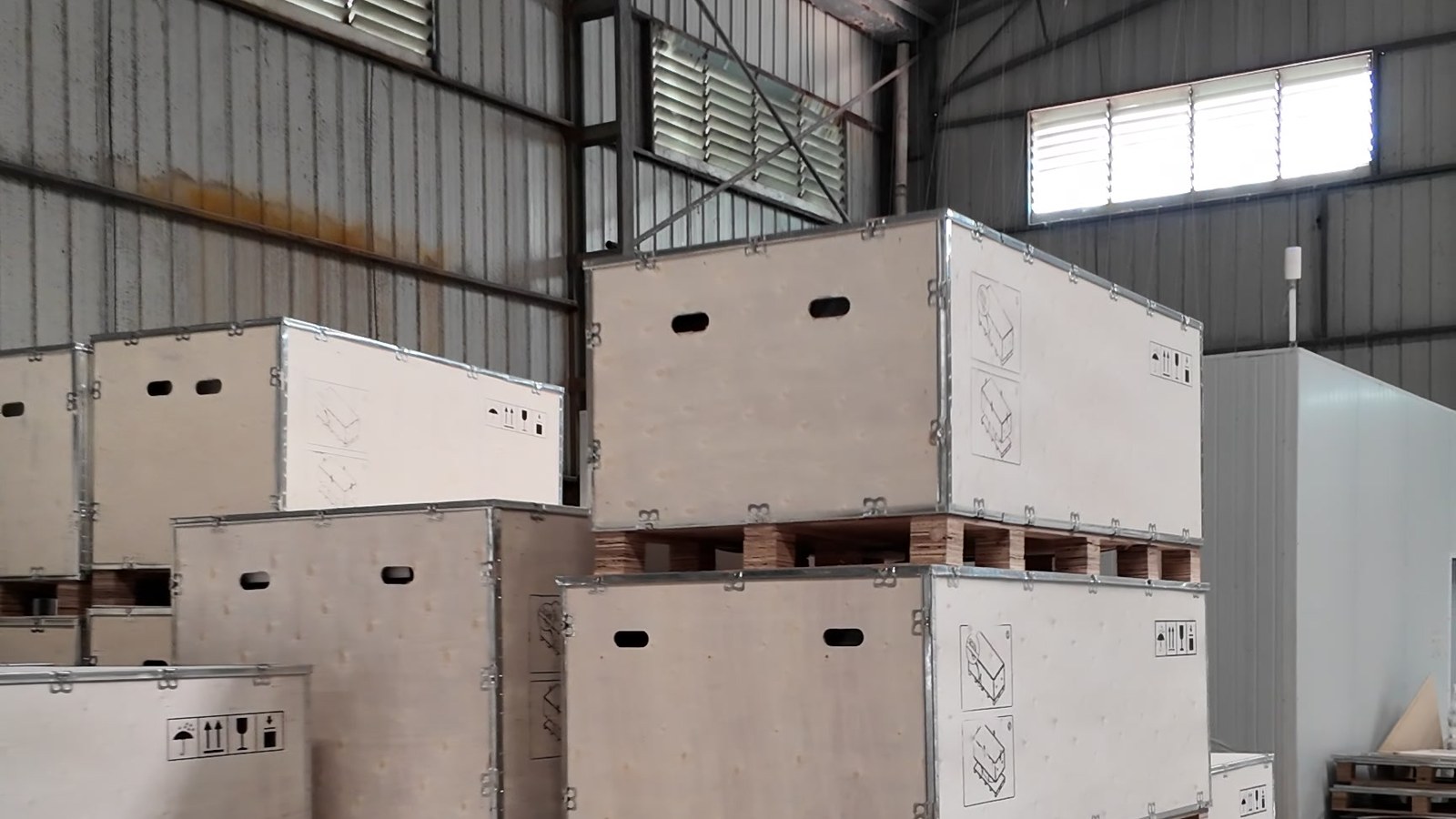
Timber crates stacked in the warehouse ready for loading

The short answer

Quick Reference

Point 01
Under CIF, the seller must buy only minimum cover, Institute Cargo Clauses (C), unless the contract says otherwise.
Point 02
Clause (A) is all-risks; Clauses (B) and (C) cover only specifically listed events.
Point 03
Insured value is commonly set at the CIF or CIP value plus a 10% markup, a widely used convention.
Point 04
Under FOB or EXW, arranging cargo insurance is the buyer's own responsibility.
Point 05
A claim depends on evidence: packing list, photos at origin, and a surveyor's report at destination.
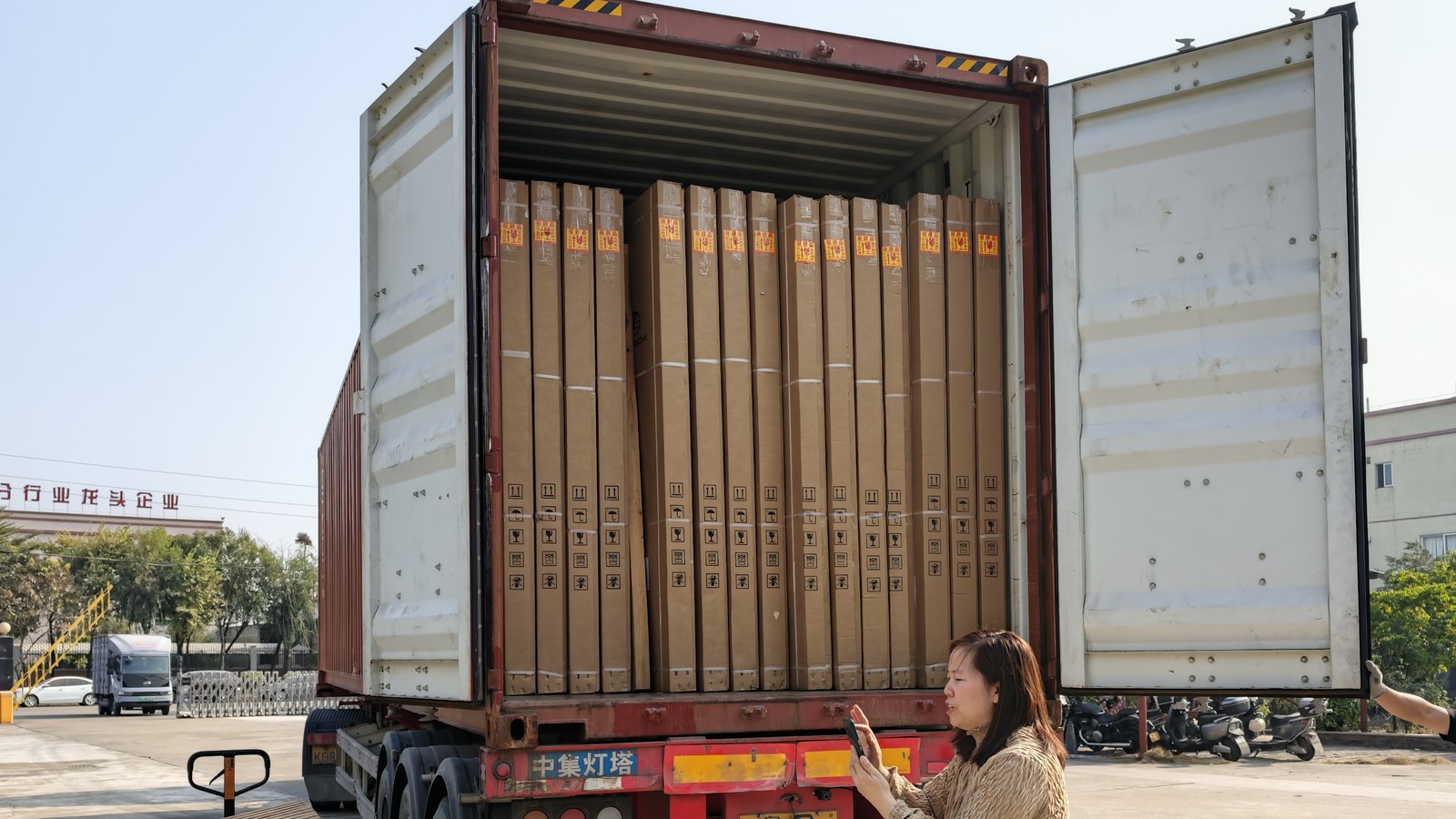
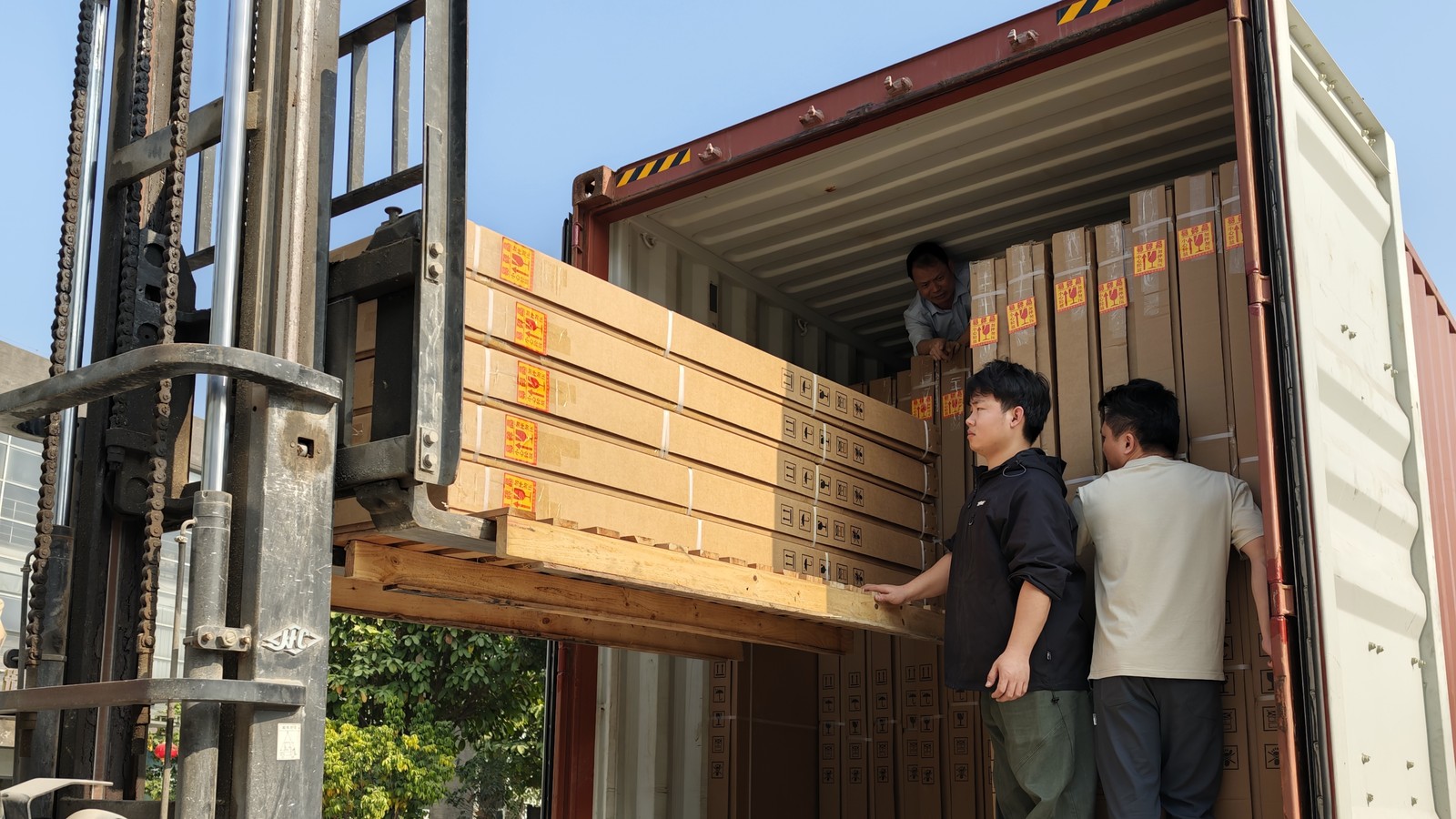
Cartons being loaded into a container, stacked to use the space efficiently

Start here

Freight Insurance and Cargo Insurance Are Not the Same Thing

A freight forwarder's liability for goods it carries is typically limited by international carriage conventions to a modest amount per kilogram, far below the replacement cost of a solid surface bathtub or a vanity set. Cargo insurance is a separate policy, arranged specifically to cover the value of the goods themselves against loss or damage in transit, and it does not exist automatically just because freight has been paid.

  • Carrier liability: limited by convention, rarely close to full product value
  • Cargo insurance: a separate policy covering the goods' actual value
  • Responsibility: which party arranges and pays for it depends on the Incoterm
  • Scope: what specific events are covered depends on which clause is bought

Institute Cargo Clauses: A, B and C
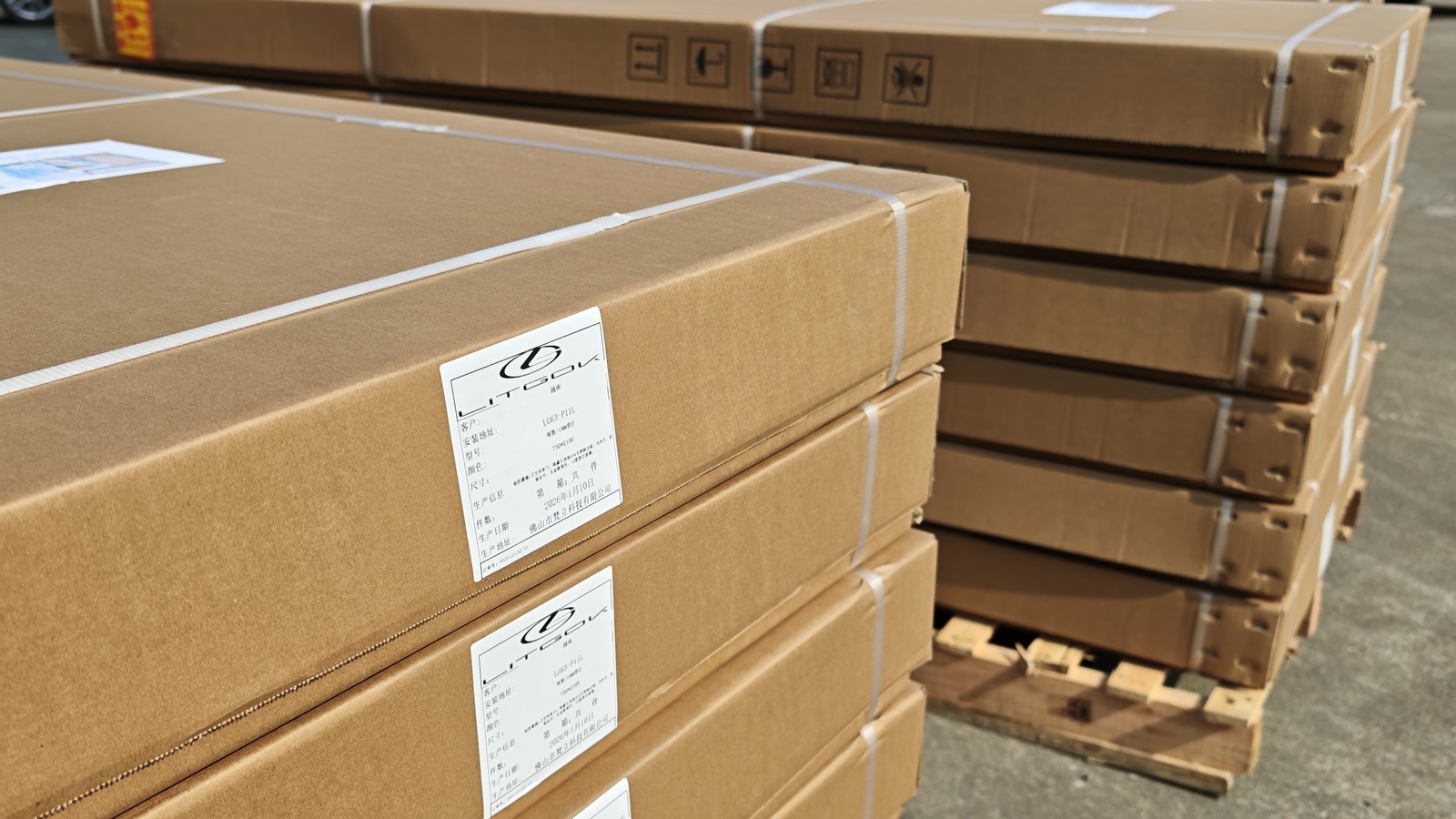
Close view of export cartons with a shipping label on each package

Marine cargo policies are commonly written against one of three standard clause sets. Clause (A) is written on an all-risks basis, covering loss or damage from any cause except a defined list of exclusions such as inherent vice, ordinary wear, or willful misconduct. Clauses (B) and (C) instead list the specific events they cover, rather than excluding specific events from a broad default.

Clause (B) adds cover for events such as earthquake, water entering the vessel's hold, and goods washed overboard, on top of Clause (C)'s narrower list of major casualty events like fire, explosion, vessel grounding or collision, and general average sacrifice. Under CIF and CIP, Incoterms 2020 requires the seller to buy only the minimum level, Clause (C), unless the sale contract specifies otherwise, which is why a buyer who wants broader protection needs to ask for it explicitly rather than assume it is already included.

  • Clause (A): all risks, subject to a defined list of exclusions
  • Clause (B): named perils, a broader list including water and earthquake damage
  • Clause (C): named perils, a narrower list of major casualty events only
  • CIF/CIP default under Incoterms 2020 is minimum cover, Clause (C)
  • Broader cover must be requested and agreed in writing, not assumed

How Insured Value Is Set

A worker stretch-wrapping a large white panel on a pallet

A widely used convention in marine cargo insurance sets the insured value at the shipment's CIF or CIP value plus a 10% markup, sometimes written as "CIF+10%". The additional 10% is meant to cover incidental costs around a loss, such as administrative expenses or minor currency movements, rather than to represent extra profit.

This convention is a starting point, not a fixed rule, and it has real limits: it can under-value a shipment where costs are tracked with more precision, and it says nothing about whether the specific clause purchased actually covers the cause of a given loss. Confirming both the insured value basis and the clause in use, in writing, avoids a mismatch between what a buyer assumes is covered and what the policy actually pays out.

  • Common convention: insured value = CIF/CIP value + 10%
  • The 10% margin covers incidental costs, not extra profit
  • A convention, not a universal rule; confirm the actual basis in writing
  • Insured value and clause type are two separate things to confirm

What a Claim Actually Requires

A cargo insurance claim is only as strong as the paper trail behind it. Insurers generally expect a commercial invoice and packing list matching the shipment, photographs of the goods and their packaging condition at the point of loading, and a survey report or damage assessment made promptly after the loss is discovered, rather than after the goods have already been used, resold, or discarded.

Reporting a suspected loss or damage promptly, keeping damaged packaging until a surveyor has inspected it, and notifying the insurer and carrier in the timeframe the policy specifies all matter as much as the coverage itself. A well-documented claim under narrower cover often recovers faster than a poorly documented one under broader cover.


Close view of export cartons with a shipping label on each package

Common questions

Cargo Insurance Questions

Answers to the checks buyers most often make before using this guide for a project or sourcing decision.

Does the seller automatically insure my cargo under CIF?

The seller must arrange cargo insurance under CIF and CIP, but Incoterms 2020 only requires minimum cover, Institute Cargo Clauses (C), unless the sale contract specifies a higher level. A buyer who wants broader protection needs to request it explicitly.

What is the difference between Clause (A) and Clauses (B) and (C)?

Clause (A) covers all risks of loss or damage except a defined list of exclusions. Clauses (B) and (C) instead list the specific events they cover, with (B) covering a broader list than (C), including water and earthquake damage that (C) excludes.

Who arranges cargo insurance under FOB or EXW?

The buyer does. Under both terms, the seller's insurance obligation ends at or before the point risk transfers, so arranging cargo insurance for the onward journey is the buyer's own responsibility.

Why is insured value often set at CIF value plus 10%?

This is a widely used convention intended to cover incidental costs around a loss, such as administrative expenses, rather than to represent extra profit. It is a starting point that can be adjusted, not a fixed legal requirement.

What documentation does a cargo insurance claim need?

Typically a commercial invoice and packing list matching the shipment, photographs of the goods and packaging condition at loading, and a prompt survey report or damage assessment after the loss is discovered, along with timely notice to the insurer and carrier.

Does broader cover always cost significantly more?

The premium difference between clause levels is usually a small fraction of a shipment's value, so for a container of fragile bathroom fixtures, the cost difference is often modest relative to the exposure a narrower clause leaves uncovered.

A solid surface freestanding bathtub

In short

Confirm the Clause, Not Just the Word "Insured"

Cargo insurance for a bathroom fixture shipment is only as good as the specific clause behind it. Clause (A) is all-risks; Clauses (B) and (C) cover only listed events, and CIF/CIP shipments default to the narrowest of the three unless a buyer asks for more. Confirming the clause, the insured value basis, and who is responsible for arranging cover, in writing, before shipment, is what actually protects a fragile order.

  • Ask which clause, A, B or C, is actually in force
  • Under CIF/CIP, minimum cover is the Incoterms 2020 default
  • Insured value is commonly CIF/CIP value plus 10%, by convention
  • Keep documentation ready before a loss, not after
  • Under FOB or EXW, arranging cover is the buyer's own task

Verification sources

Official Sources and Further Reading

Cargo cover, exclusions and claims procedures depend on the policy and contract. Where CIF is used, check the agreed insurance level rather than assuming that minimum cover matches the project’s exposure.

Planning a shipment?

Talk to WNS Global

Tell us your Incoterm and destination, and we can confirm what cargo insurance arrangement applies to your order before production starts.

A worker stretch-wrapping a large white panel on a pallet

A solid surface freestanding bathtub

Published: Last updated:

  • This guide is a sourcing and planning reference. Confirm the applicable product, contract, authority and project requirements before making a final decision.

START WITH THE PRODUCT DETAILS

Tell Us What You Need

Share the bathroom products, project requirements, target market, dimensions, materials, finishes, quantities, or customization details currently available. WNS Global will review the request and identify the information needed for the next step.