
From handle position to specification
What does a cold-start faucet do at the center handle position?
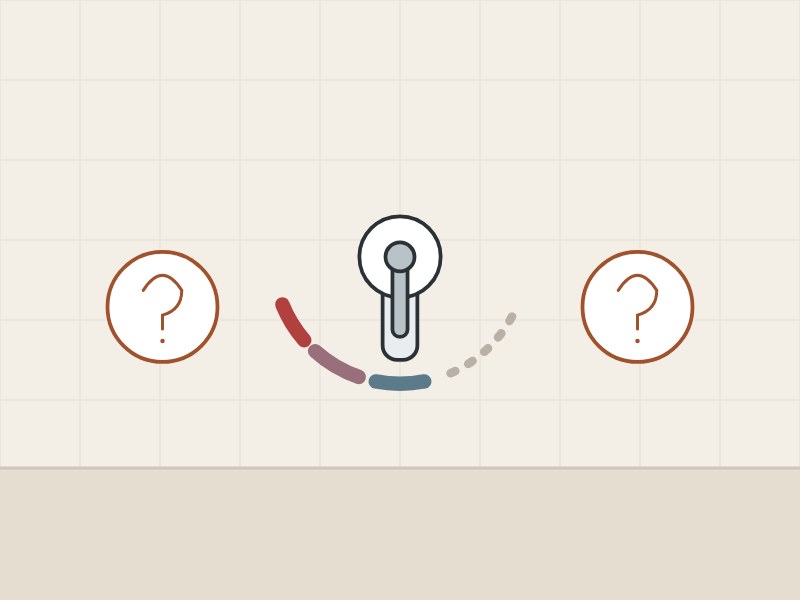
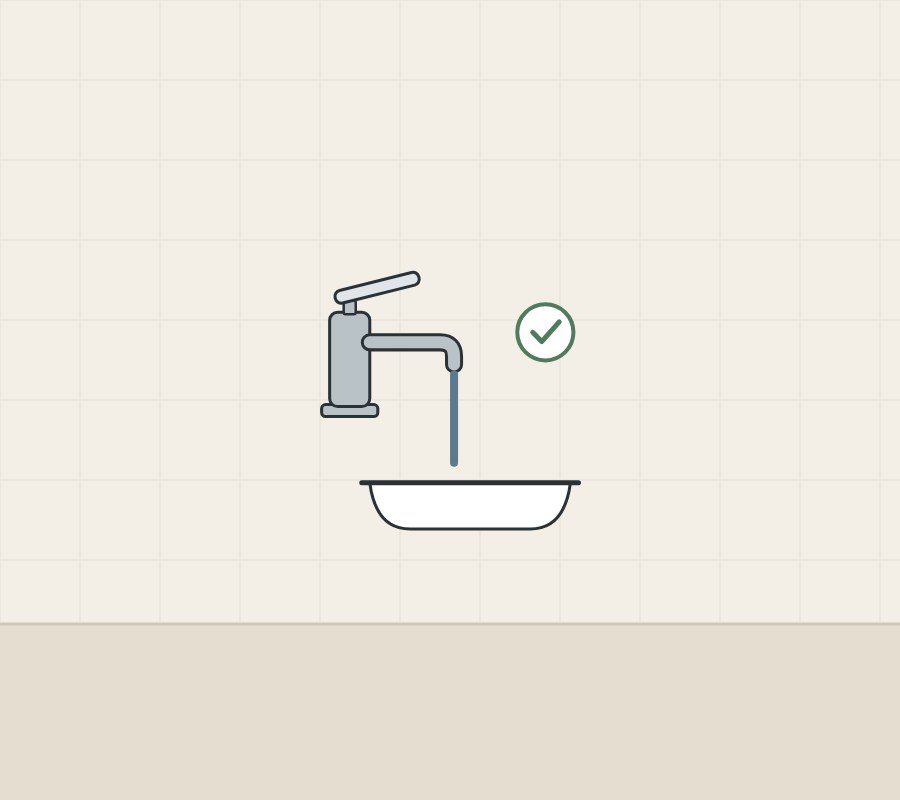
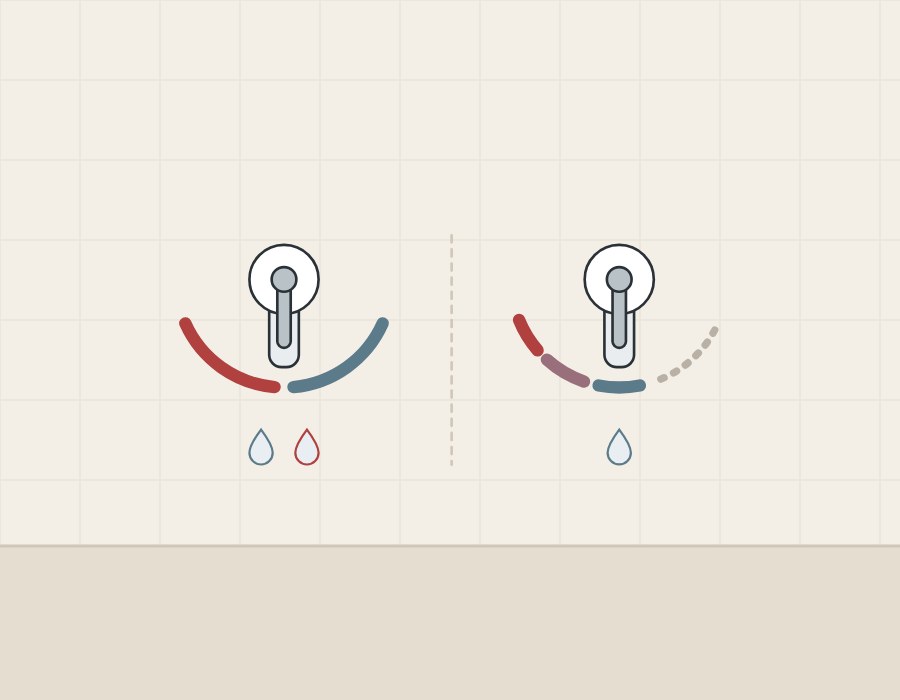
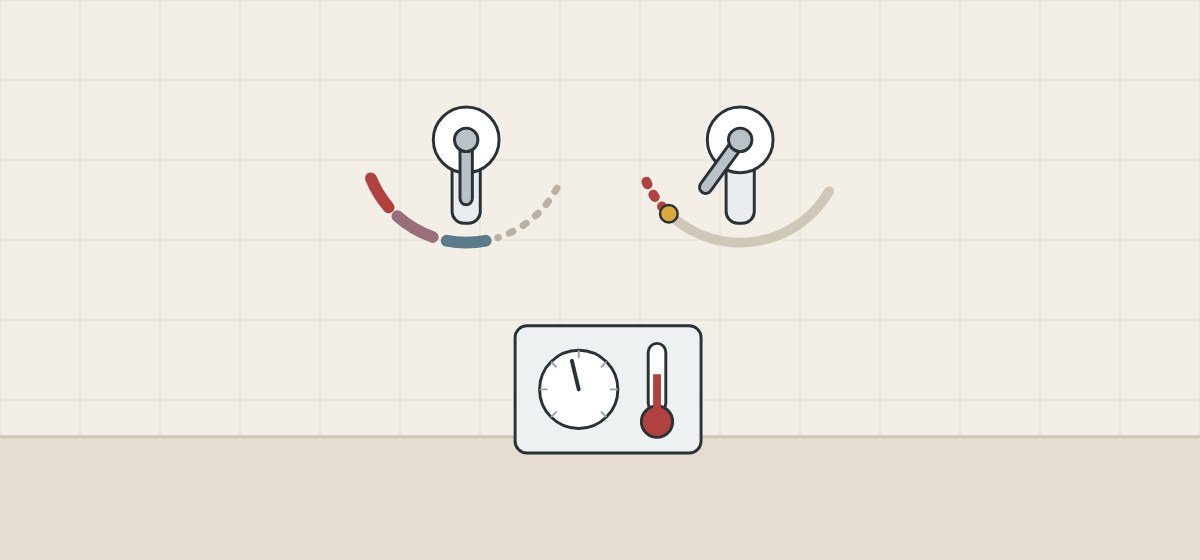
A cold-start faucet delivers cold water only when its lever is opened at the center position. hansgrohe’s US CoolStart page says so of CoolStart, and that hot water flows when the lever is turned to the left.
A conventional single-lever faucet behaves differently. GROHE contrasts its SilkMove ES technology with conventional mixer taps and reports a study, run with smartcon GmbH, in which 63% of respondents knew that the middle position mixes hot and cold water. hansgrohe’s UK page says continuous flow heaters and circulation pumps kick in from that position; its trade page says only that the position may request mixed or warm water, depending on the faucet setting and installation.
| Term | What it means |
|---|---|
| Cold start | Opening the lever at the center gives cold water only. |
| Conventional mixer | The center position mixes hot and cold water. |
| Temperature limiter | A stop that limits the setting toward hot. |
| Thermostatic control | A valve that regulates temperature continuously. |
| Cartridge | The ceramic part inside the faucet; Sedal builds cold start into it. |
How does the handle sequence work on a cold-start faucet?
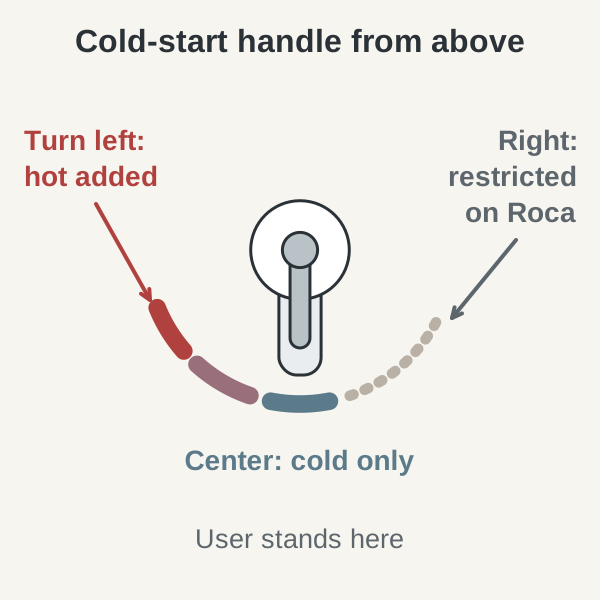
The sequence runs from cold at the center to warmer water as the lever turns toward the hot side. The steps combine what hansgrohe, GROHE and Roca publish.
- The lever rests at the center.
- The user opens the lever without turning it.
- Only cold water flows.
- The user turns the lever toward the hot side; all three makers name the left.
- Hot water is added as the lever turns; Roca says gradually.
- On Roca’s faucets, travel to the right of center is restricted.
Roca’s Cold Start page says the restricted right-hand travel lets the handle line up with the spout. hansgrohe’s trade page uses both wordings: the hot-water side, and the left.
What do makers call the cold-start function?
Each maker uses its own name, so a specification should describe the behavior, not rely on a trade name.
| Maker | Name used | What the maker says |
|---|---|---|
| hansgrohe | CoolStart | Only cold water at the middle position; hot toward the hot side. |
| GROHE | SilkMove ES | Only cold water at the middle position; hot when turned left. |
| Roca | Cold Start | Starts cold at the center; hot is added as the handle turns left. |
| Ideal Standard | BlueStart | Only cold water when opened in the central position, per its cartridge page. |
| Kludi | ECO PLUS (in the product name) | One basin mixer page lists a cold middle position. |
| Sedal (cartridges) | Cold start opening | A 35 mm cartridge that flows cold water when the lever is centered. |
| Geann (cartridges) | Energy saving | Cold water only when turned on at the middle lever position. |
Ask which cartridge is fitted in the offered faucet.
How does cold start differ from temperature limiting and thermostatic control?
Cold start decides what flows at the center, a temperature limit caps the hot end, and thermostatic control regulates the mix. Makers list cold start and temperature limitation as separate features; ASSE 1070 covers limiting devices, and its published scope does not mention cold start.
| Function | What it answers | Source example |
|---|---|---|
| Cold start | What flows when the lever is opened at the center? | hansgrohe lists CoolStart as its own feature on a product page. |
| Temperature limit | How far toward hot can the control go? | The same page lists an adjustable temperature limitation; Sedal offers an optional limiting ring. |
| Limiting device | Is the water supplied to the fitting limited? | ASSE 1070, in its 2004 preview, covers devices for sinks, lavatories or bathtubs. |
| Thermostatic control | Is the mixed temperature regulated? | hansgrohe says its shower thermostats regulate temperature continuously. |
The 2004 edition of ASSE 1070 says its devices are intended to reduce the risk of scalding and requires an adjustable, lockable means to limit the setting toward hot. CSA Group lists the current 2020 edition, reaffirmed in 2025.
Why do makers link cold start to energy use?
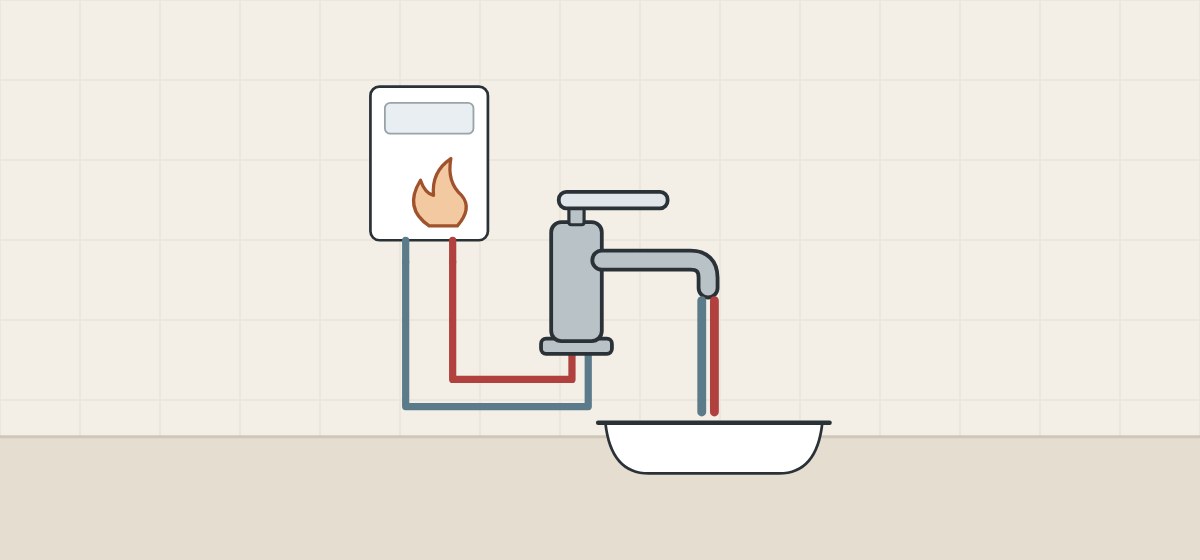
Makers say a conventional faucet opened at the center calls for hot water nobody asked for. Any saving depends on use and on the water heater.
Heater start
ENERGY STAR explains that on a gas tankless heater a flow sensor activates the burner when a hot water faucet is turned on. Roca’s Cold Start page says the boiler is activated only when the handle is turned to hot.
Share of home energy
The US Department of Energy puts water heating at about 18% of a home’s energy use.
Maker estimates
hansgrohe’s example gives up to 508 kWh a year less than a comparable hansgrohe faucet without CoolStart, for a four-person household using the faucet 20 minutes a day in total at 5 l/min, heating water from 10 °C to 35 °C. It calls the result theoretical and says it varies with usage, installation, heating system and energy source. Roca states 45% for a family of four without naming the baseline; Ideal Standard states up to 50% and gives no basis.
Before repeating a figure
GROHE’s cost example assumes five minutes of basin use per person per day. Assumptions differ, so record four things with any savings number:
- The maker that published it
- Household size and minutes of use
- Flow rate and temperature rise assumed
- Heater type and energy source
What does cold start not do?
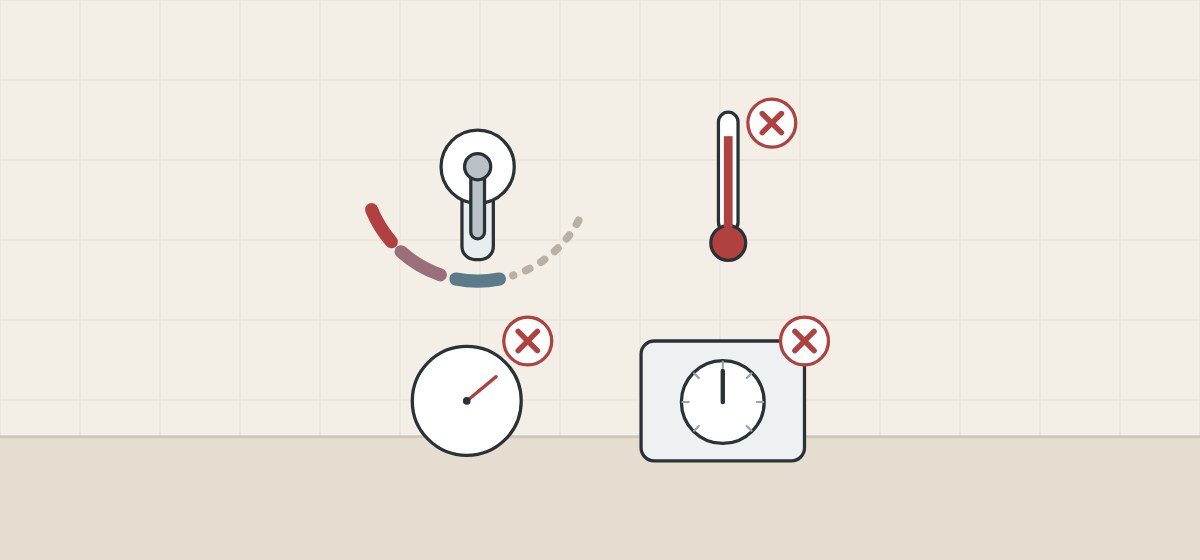
None of the makers cited describes cold start as capping the maximum temperature, regulating the mix or setting the flow rate.
No maximum-temperature cap
Makers list it separately from cold start: hansgrohe an adjustable temperature limitation, Sedal an optional ring with ten stops. Kludi’s page lists a ceramic cartridge with hot water safety device without describing it.
No temperature regulation
hansgrohe describes thermostats as regulating temperature continuously.
No flow limit
Makers describe flow control as its own feature: Ideal Standard a click stop, Sedal a limiting screw.
Where a project needs a temperature limit at the basin, write it as its own requirement and confirm with the local authority.
What varies between cold-start models?
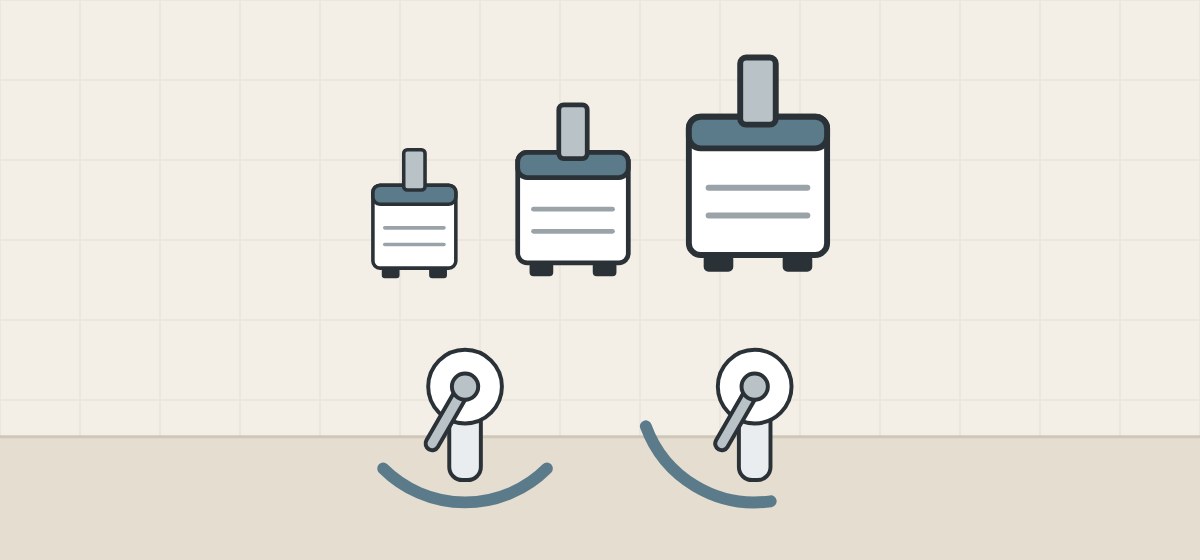
Cartridge size and flow rate vary by maker and model; turn direction and right-hand travel are stated by only some makers.
| Point | What the sources show |
|---|---|
| Turn direction | hansgrohe, GROHE and Roca name the left; confirm it for other makers. |
| Travel to the right | Roca says it is restricted; the other makers do not say. |
| Cartridge size | Sedal’s cold-start version is 35 mm; Geann lists 25, 35 and 40 mm. |
| Angle versions | Sedal offers its cold-start cartridge in 110° and 90° versions; the brochure does not define the angle. |
| Flow rate | Listed per model; Kludi gives 7 l/min at 3 bar for one mixer. |
How should a buyer specify and verify a cold-start faucet?
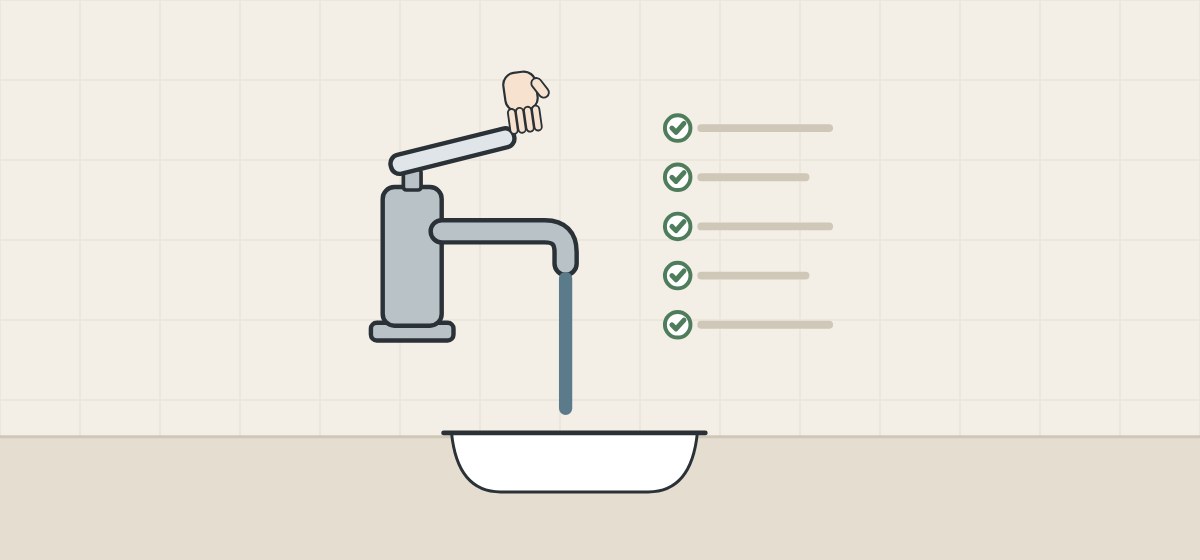
Specify the behavior at each handle position, then verify it on a sample with water running. This is an operating review, not a thermal-safety test.
- Describe the behavior. Cold water only at the center; hot added toward a named side.
- Name the direction. Say which way the lever turns for warm water and whether the other side is blocked.
- Identify the cartridge. Ask for the cartridge maker, size and part reference.
- List other functions separately. Temperature limit, thermostatic control and flow rate each get their own line.
- Check a sample with water on. Open it at the center with the hot supply live and record what flows. A photo cannot show this.
- Keep room types consistent. Use one handle sequence, or mark the differences clearly.
- Control substitutions. A look-alike conventional mixer or a different replacement cartridge may not keep the cold start.
When a supplier quotes a saving
Ask whose figure it is and what it assumes. hansgrohe publishes its assumptions; a figure without them cannot be compared.
What should you send and ask before a quotation?
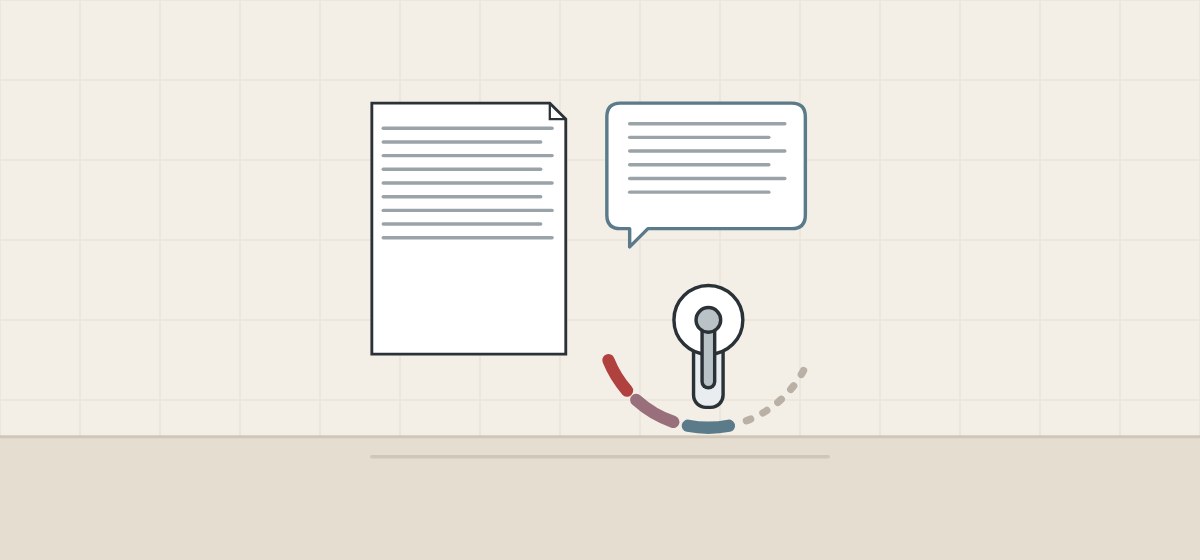
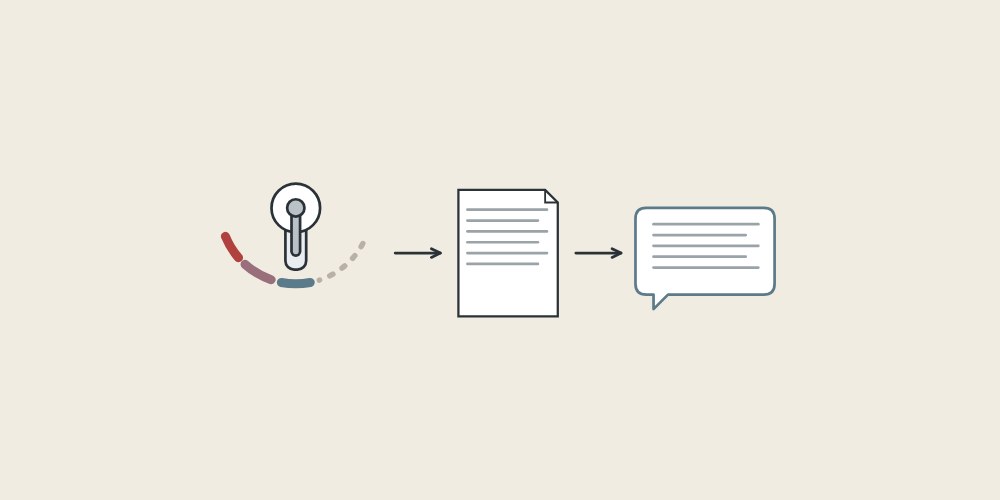
A complete request describes the handle behavior, not just a trade name.
| Question | Why it matters |
|---|---|
| What flows at the center position? | The same position mixes on a conventional faucet. |
| Which way does the lever turn for warm? | Three makers name the left; others must be confirmed. |
| Which cartridge is fitted, and as a spare? | Sedal and Geann build the function into the cartridge. |
| Is there a temperature limiter? | Makers list the limiter apart from cold start. |
| What is the flow rate? | Flow is listed per model, apart from cold start. |
| What do the savings figures assume? | Makers’ examples rest on their own inputs. |
Include with your request
- Project location and water heater type
- Required handle sequence, in words
- Temperature limit, if one is required
- Basin model and mounting
- Quantity per room type
WNS Global confirms any offered faucet, cartridge and commercial terms separately in writing. This guide does not state that WNS Global products have cold start, a temperature limiter, a thermostat or any flow rate, rating or listing named above.