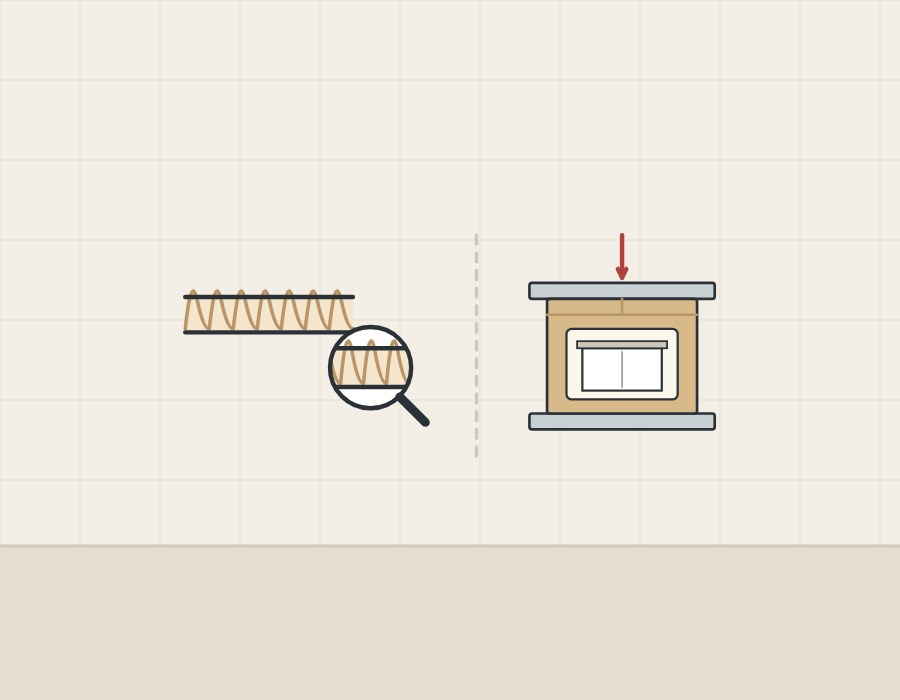
From board sample to packed carton
What do ECT, burst and box compression each test?
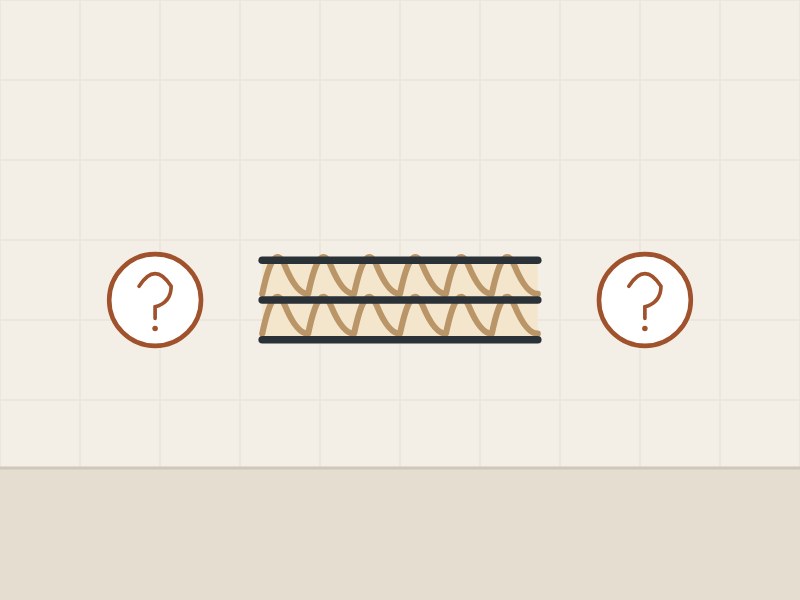
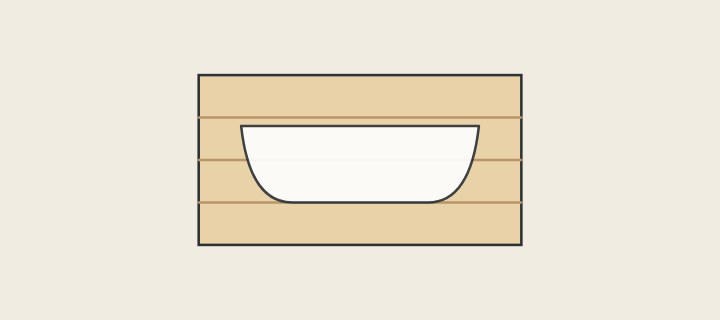
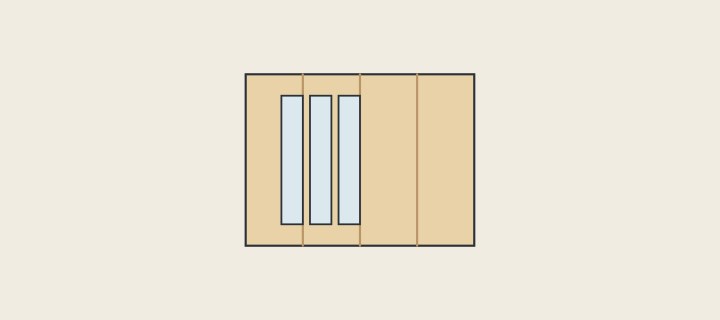
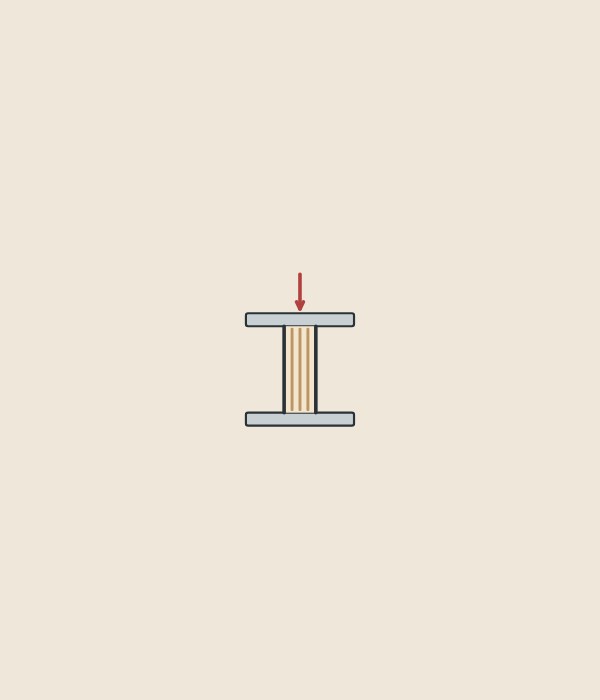
ECT and burst are tests on a piece of corrugated board; box compression is a test on a container. TAPPI’s T 811 finds the edgewise compressive strength of a short column of board.
TAPPI’s T 810 measures bursting strength: a board specimen is clamped and a diaphragm is pressurised until the specimen ruptures.
TAPPI’s T 804 measures how well a corrugated or solid fiber shipping container withstands outside compressive forces. FEFCO’s list makes the same split.
| Term | What is tested |
|---|---|
| Edge crush (ECT) | Edgewise compressive strength of a short column of board. |
| Bursting strength | Pressure at which a clamped board specimen ruptures. |
| Box compression | A container’s resistance to outside compressive forces. |
| Stacking test | A filled package or unit load held under a static load. |
| Drop test | A loaded container dropped in free fall. |
How does evidence move from board to packed box?
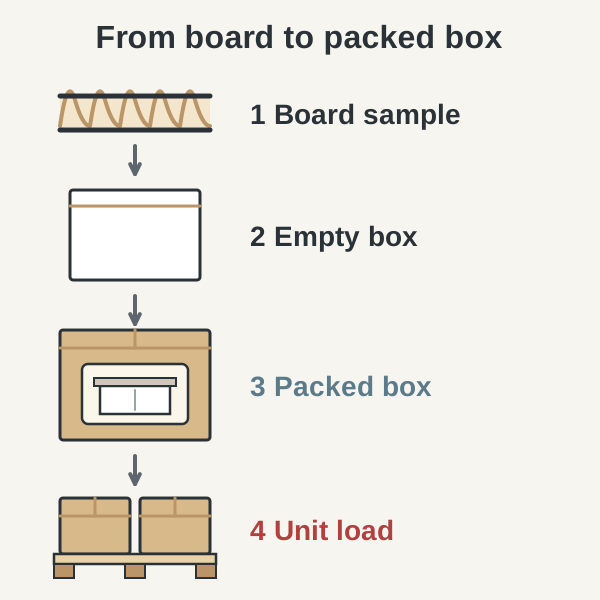
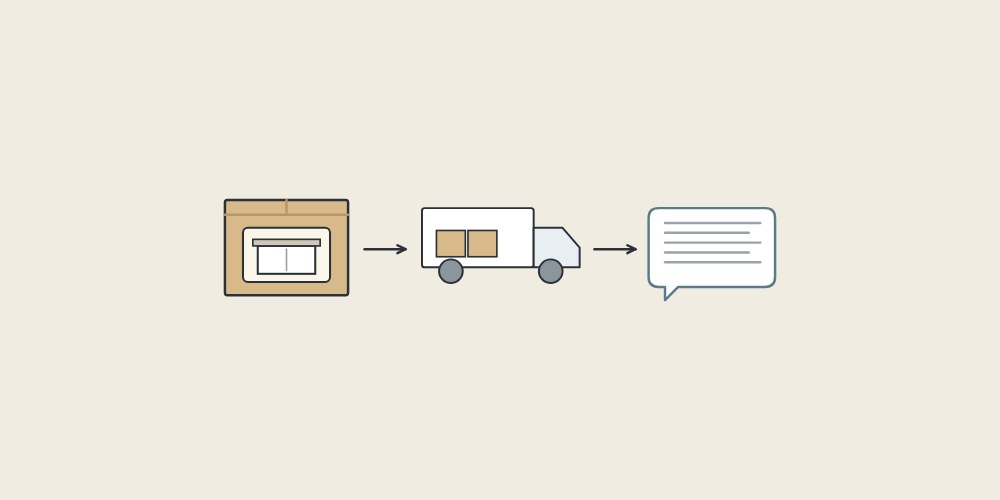
Each step tests a different specimen. The order below draws on TAPPI’s T 804 scope, ISO 2234 and ASTM D4169; it is a reading aid, not a test plan.
- Board sample: an edge crush or bursting test.
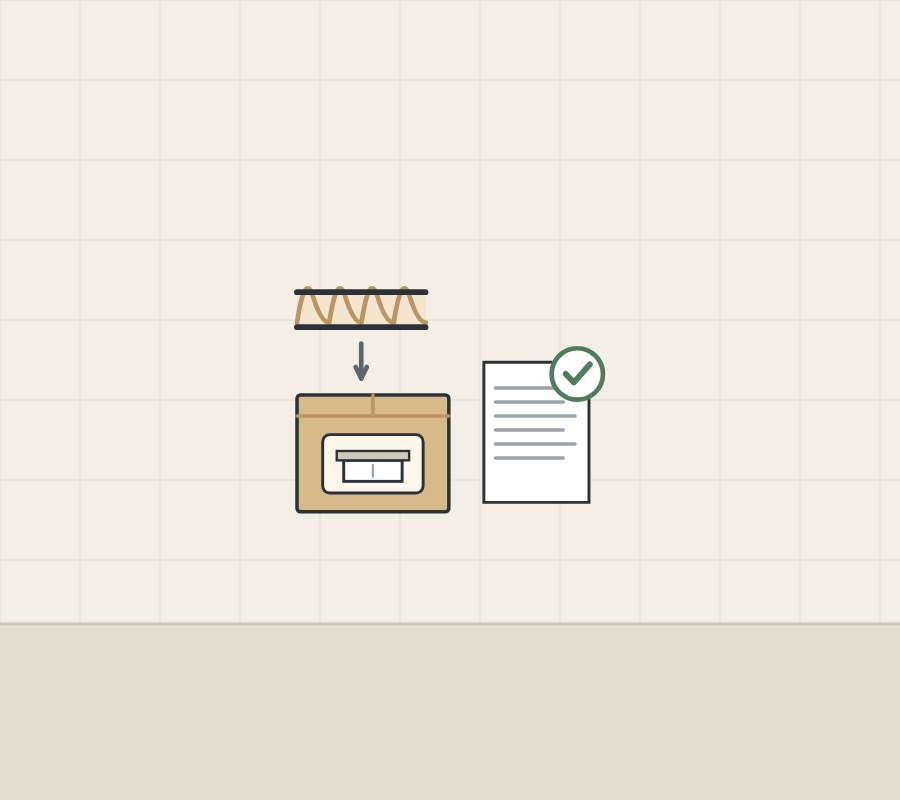
- Empty box: TAPPI says that for quality studies it is usually desirable to test the empty container.
- Packed box: T 804 also allows interior packing, or the contents and all inner packing, to be in place.
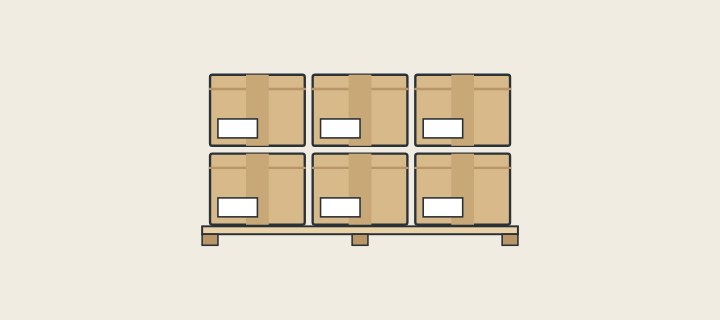
- Filled package or unit load: ISO 2234 applies a static load; ASTM D4169 runs a sequence of hazards on the same shipping units.
ISO 2234 says a stacking test can investigate deformation, creep, collapse or failure. ISTA says a protocol can judge packaging only for the hazards it represents.
Which standards cover the board tests?
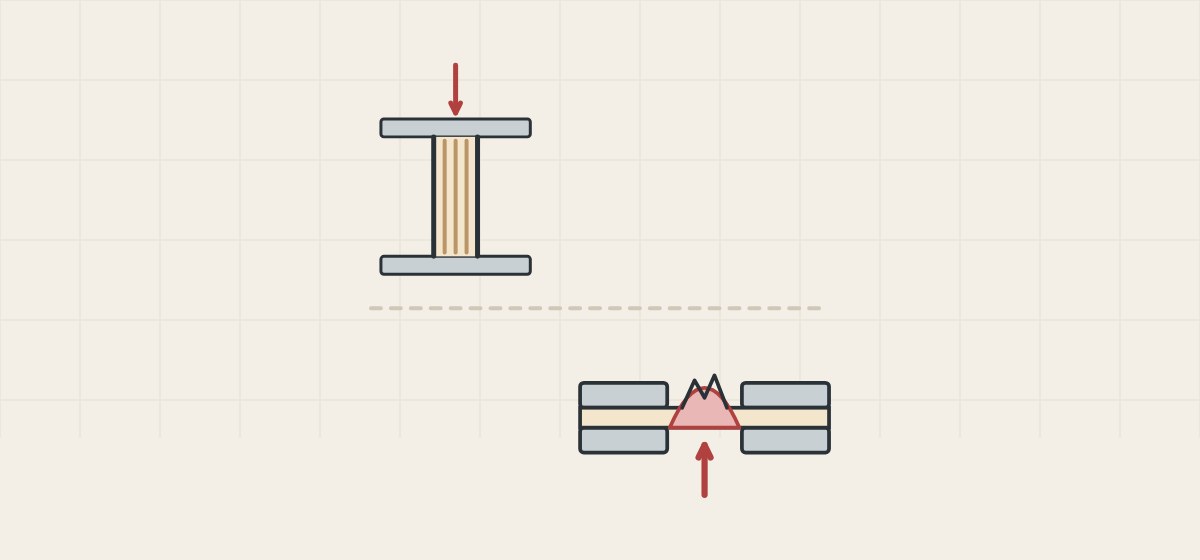
Edge crush and bursting strength each have a TAPPI method, an ISO method and a FEFCO method, so a report should name the method and edition.
| Test | Standard | Published scope |
|---|---|---|
| Edge crush | TAPPI T 811 om-23 | Short column; single, double or triple wall. |
| Edge crush | ISO 3037:2022 | Non-waxed edge method; single, double or triple wall. |
| Bursting | TAPPI T 810 om-22 | Single and double wall; 690 to 4825 kPa. |
| Bursting | ISO 2759:2014 | All types of board; 350 to 5500 kPa. |
| Both | FEFCO No. 4 and No. 8 | Listed under corrugated board. |
The published scope of T 810 names single and double wall board only. No source read here says figures from different methods are interchangeable.
Which standards cover tests on the box or packed unit?
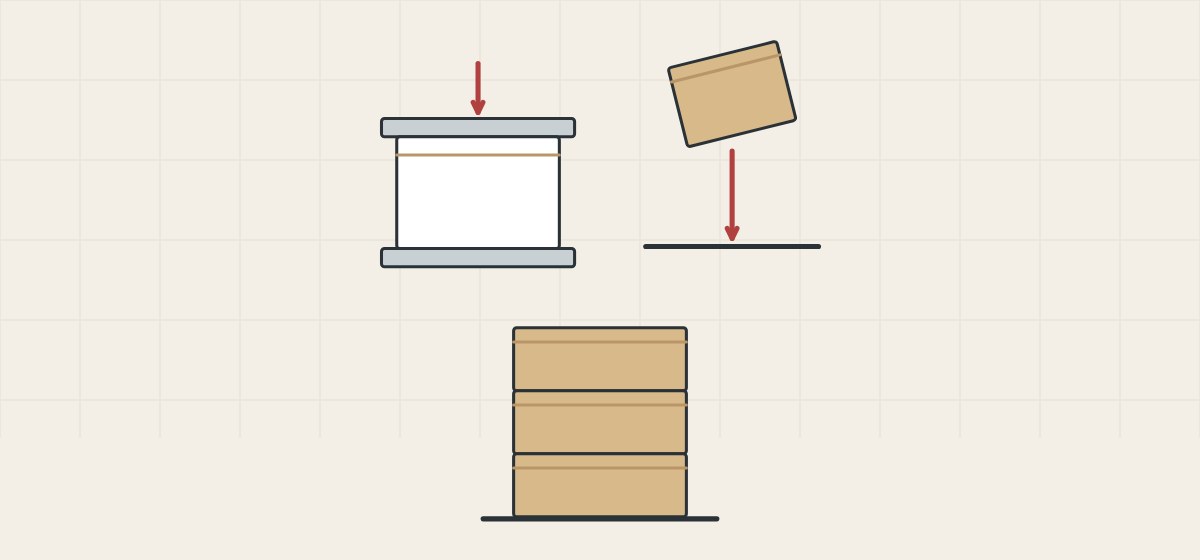
Compression, stacking and drop standards test a container, a filled package or a unit load. Their scopes differ on whether contents are inside.
| Test | Standard | Published scope |
|---|---|---|
| Compression | TAPPI T 804 om-24 | Empty or loaded container; direction relevant to use. |
| Compression | ASTM D642-25 | With or without contents; faces, edges or corners; unit loads. |
| Compression and stacking | ISO 12048:1994 | Complete, filled transport packages. |
| Stacking | ISO 2234:2000 | Filled package or unit load; static load. |
| Drop | ASTM D5276-19(2023) | Loaded boxes in free fall. |
| Compression, drop, vibration | FEFCO No. 50, 51 and 52 | Listed under corrugated packaging. |
ASTM D642 allows contents and interior packaging to stay in where the contents share the load. A compression figure therefore needs a note on whether the box was empty and how it was loaded.
What does a box maker’s certificate tell you?
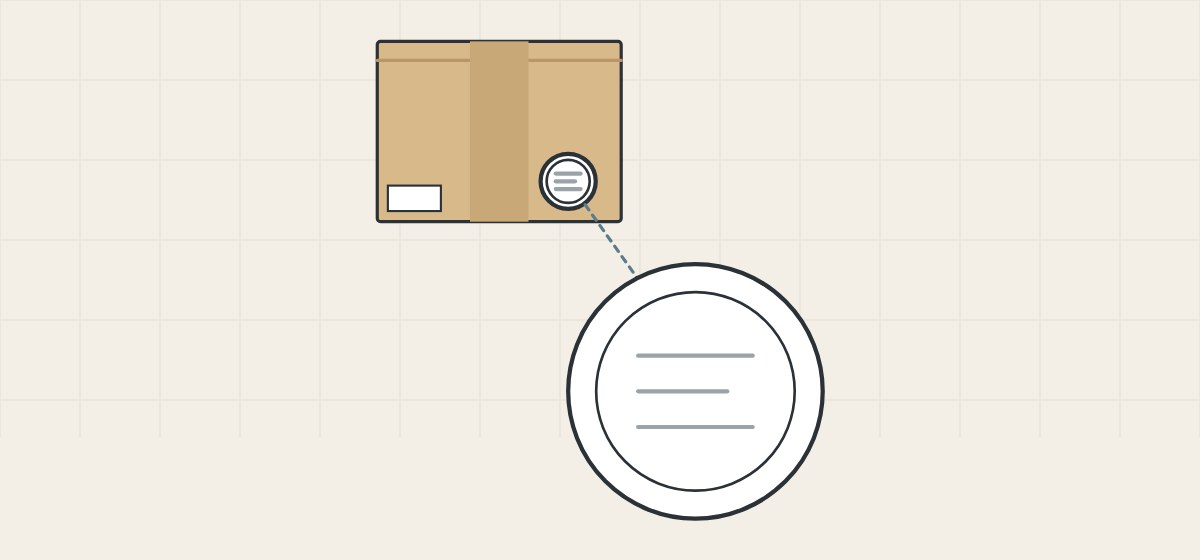
A box manufacturer’s certificate states ratings and limits for the box under the National Motor Freight Classification (NMFC). Four points from NMFTA’s pages:
Item 222
NMFTA says Item 222 defines standards for fiberboard boxes: size and weight limits, material strength and the required certificate.
What the lines state
An NMFTA article lists bursting strength, total liner weight per thousand square feet, a size limit and a gross weight limit.
Burst or edge crush
NMFTA says Item 222 has tables of minimum bursting test and edge crush test requirements, set by box weight and dimension.
Exceeding the limits
NMFTA says damage claims are likely to be denied when contents exceed the certificate, and stresses the gross weight limit.
- Which rating the certificate states
- Size and gross weight limits stated
- Packed weight and size of your carton
What changes box strength after the board test?
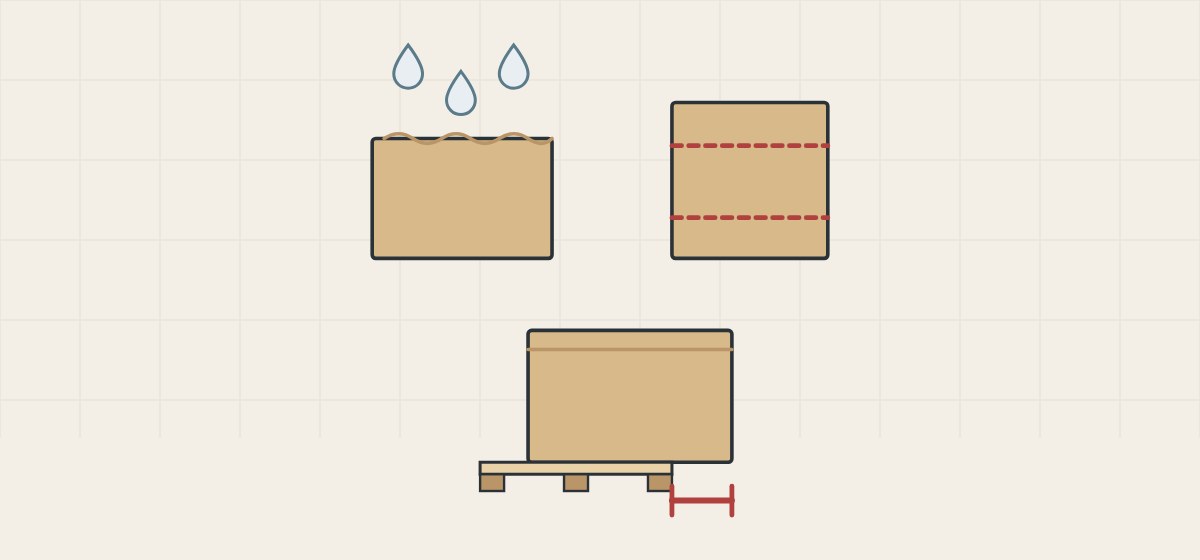
Moisture, scoring and pallet position all change box strength, according to the sources below.
Moisture
ISTA says the strength of corrugated board is affected by its moisture content, not directly by the surrounding humidity. NMFTA says stacking strength can fall by more than 60% as ambient relative humidity rises past 95%.
Scoring and slotting
The Fibre Box Association’s Tech Box reports that score profiles can potentially change box compression (BCT) by more than 10 percent.
Pallet overhang
A Virginia Tech report for the Fibre Box Association says its first-phase study found that overhang could reduce box compression strength by between 0% and 40% against measured BCT, for the box sizes, styles and boards tested in that phase. It adds that, within the ranges studied, box height and the ECT value had no significant effect on that loss.
Grade system
ISTA says a change between burst and ECT board grades requires a retest, even where carrier regulations imply equivalence.
Each figure belongs to its publisher and its stated conditions.
What do ISTA and ASTM transit tests add?
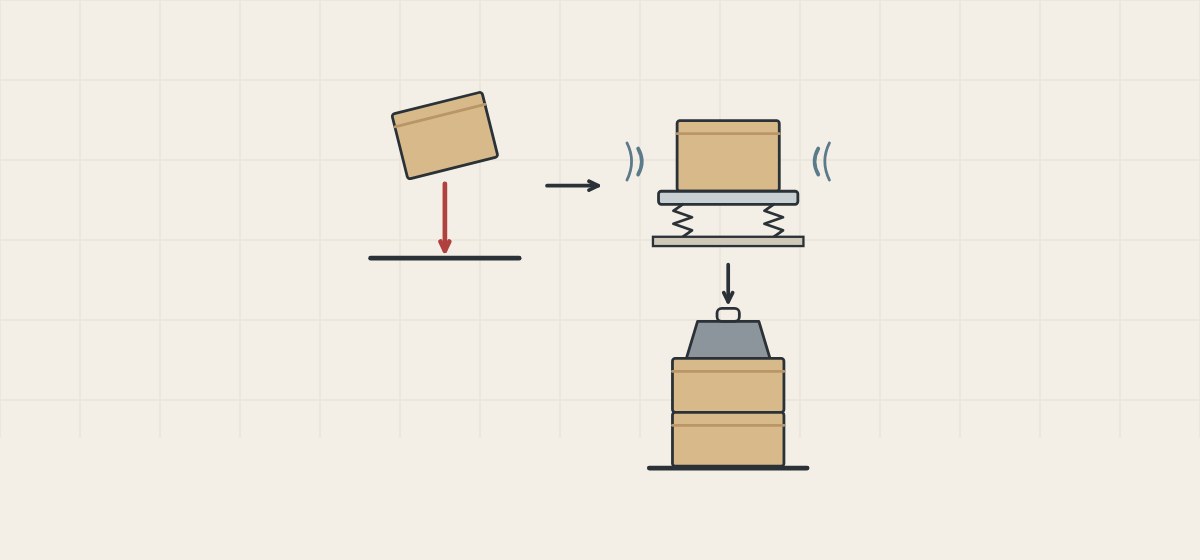
Transit procedures test the packaged product against a set of hazards. ISTA says its tests establish lower limits for performance, and that one pass does not give high confidence that seemingly identical packs will also pass.
| Procedure | What its publisher says |
|---|---|
| ISTA 1 Series | Tests the strength and robustness of product and package together; not meant to simulate the environment. |
| ISTA 3 Series | Laboratory simulation of the motions, forces, conditions and sequences that cause damage in transport. |
| ISTA 3A and 3E | Individual packaged-products by parcel delivery; unitized loads by full truckload. |
| ASTM D4169-23e1 | A sequence of anticipated hazards on the same containers. |
| FedEx freight test guide | Drop, compression and vibration tests; a pass is not a guarantee against damage or loss. |
How should a buyer match a test report to the question?
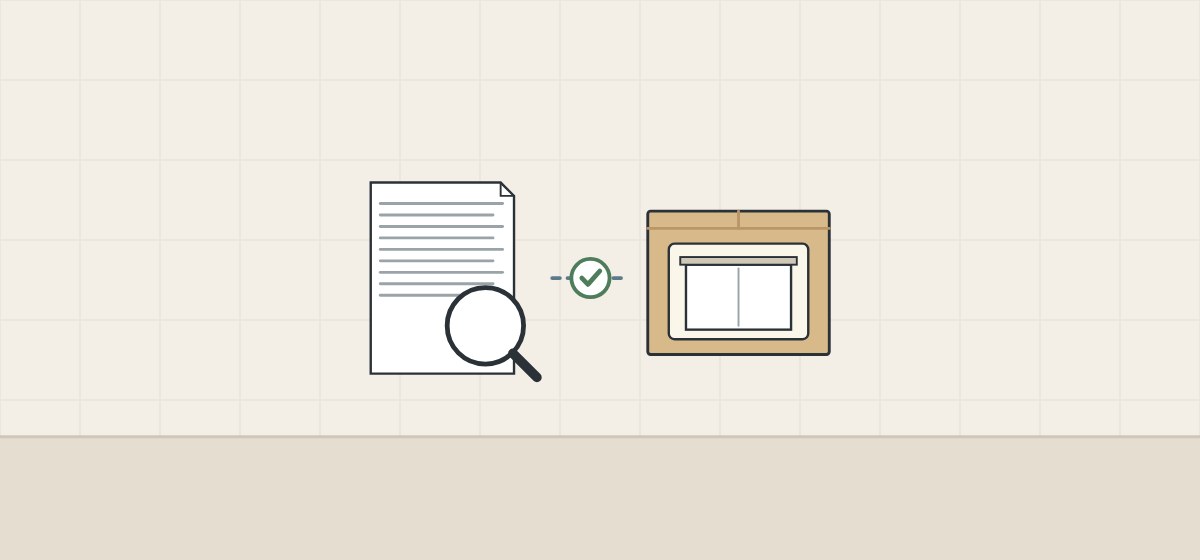
Start from the question, then check that the tested specimen can answer it. These steps are procurement guidance, not packaging design.
- Write the question. Freight rule, warehouse stacking, drops or a whole route.
- Find the specimen. Board sample, empty box, packed box or unit load.
- Record the method. Publisher, number and edition, such as TAPPI T 811 om-23.
- Record the conditions. Contents in or out, loading direction and conditioning.
- Tie it to a revision. Packaging drawing, board grade and inner packing.
- List what is missing. A board figure alone leaves box and transit questions open.
When the pack changes
ISTA says tests must be repeated whenever the product, the package or the process changes, and calls identifying the test sample vitally important.
What should you send and ask before a quotation?

A complete request names the packed product and the evidence wanted.
| Question | Why it matters |
|---|---|
| Which test does the figure come from? | Board tests and box tests use different specimens. |
| Which method and edition? | Edge crush and burst each have several methods. |
| Was the box empty or packed? | TAPPI T 804 and ASTM D642 allow either. |
| Which packaging revision was tested? | ISTA says a change calls for a retest. |
| What does the certificate state? | Stated rating, size limit and gross weight limit. |
Include with your request
- Product, packed weight and carton size
- Shipping mode and route
- Stacking, storage and pallet plan
- Any rating or test report required
WNS Global confirms any offered product, packaging and commercial terms separately in writing. This guide does not state that WNS Global packaging has any of the ratings, certificates or test results named above.