Glass Panels
Tempered glass is strong in its face and vulnerable at its edges, so packaging protects the edges first: edge protectors or foam profiles along every edge, and interleaving — foam, corrugated board or paper — between panels so that glass never touches glass. Panels travel upright on edge, leaning at a slight angle against a rigid support, with the stack braced so it cannot rock; a panel that can move in the crate is a panel that can chip. Nothing is loaded on top of glass. Pre-drilled holes and notches are the weakest points of a frameless panel and should be protected specifically. For a large order, panels are grouped by enclosure so that the two or three panels of one unit arrive together.
- Edge protection on every edge; interleaving between panels
- Upright, on edge, braced against rocking
- Nothing loaded on top of glass
- Holes and notches protected; panels grouped by enclosure
Profiles, Hardware and Kits
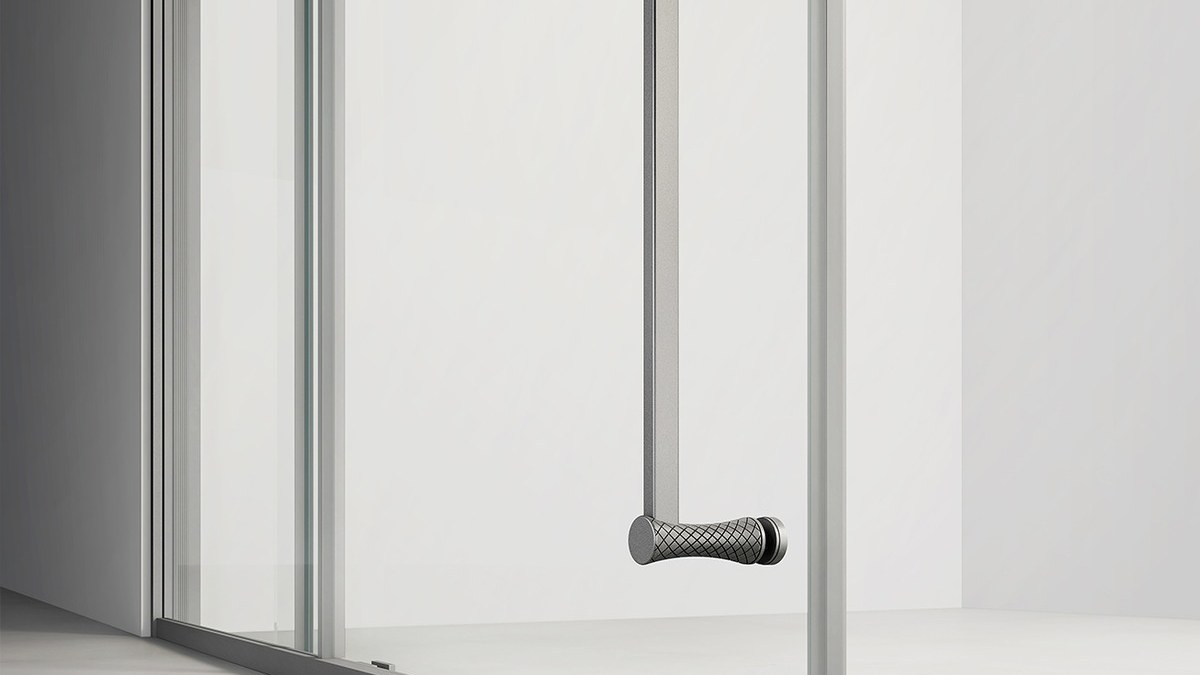
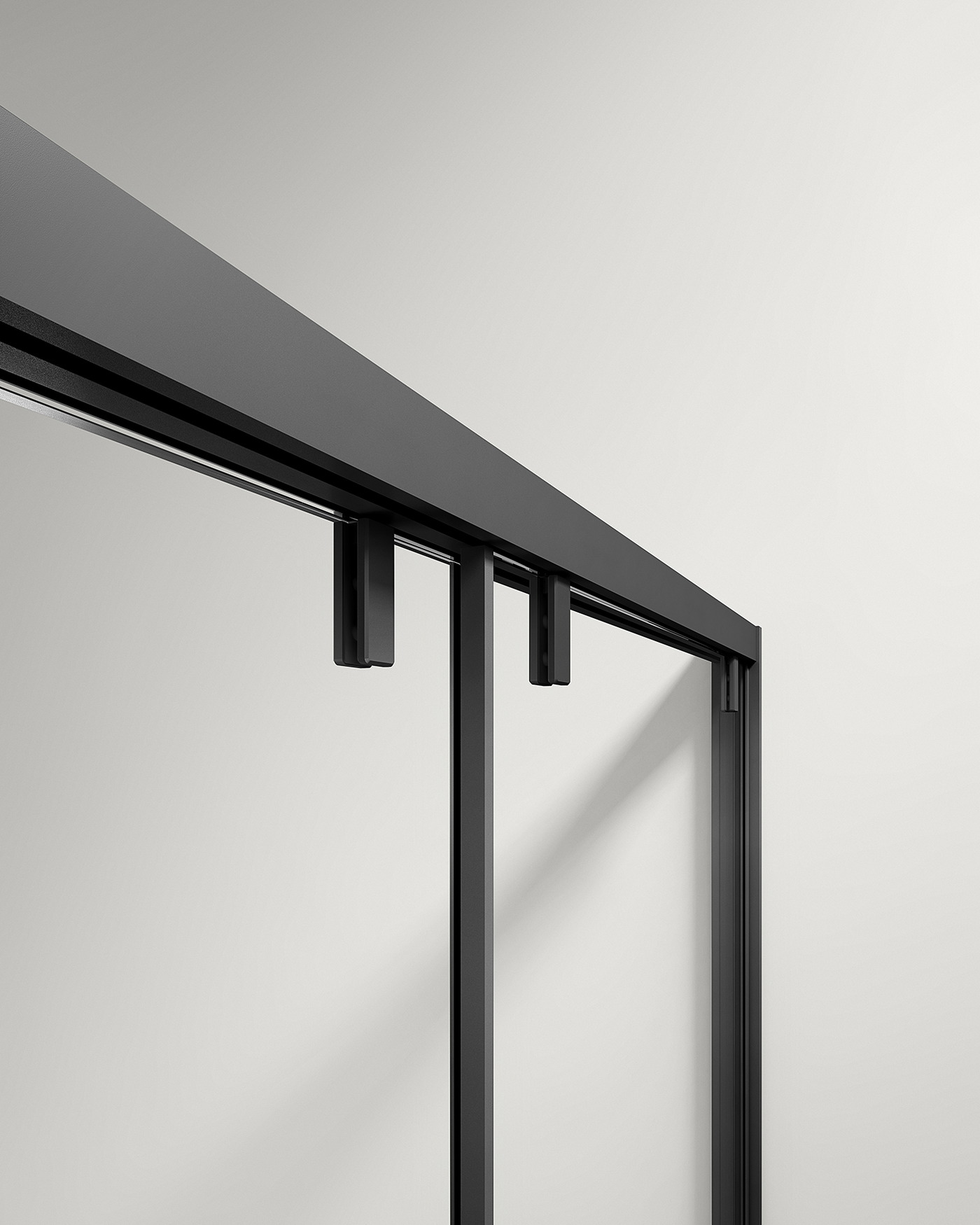
Aluminium and brass profiles, channels and header bars are wrapped or sleeved individually to protect the finish, fitted with end caps, and bundled with straps so they travel straight; they are packed separately from glass so they cannot rub against it. Hardware is kitted: each enclosure's hinges, clamps, rollers, handles, seals and fixings in a labeled bag or box, with the fixing screws included, packed inside the crate for that enclosure rather than in a separate carton that gets separated at the port. A parts list per kit lets the installer confirm the kit is complete before the glass comes out of the crate.
- Profiles sleeved, capped and strapped straight, packed apart from glass
- Hardware kitted per enclosure with fixings, inside the same crate
- Parts list per kit for a completeness check before unpacking glass
Crates, Marks and Labeling
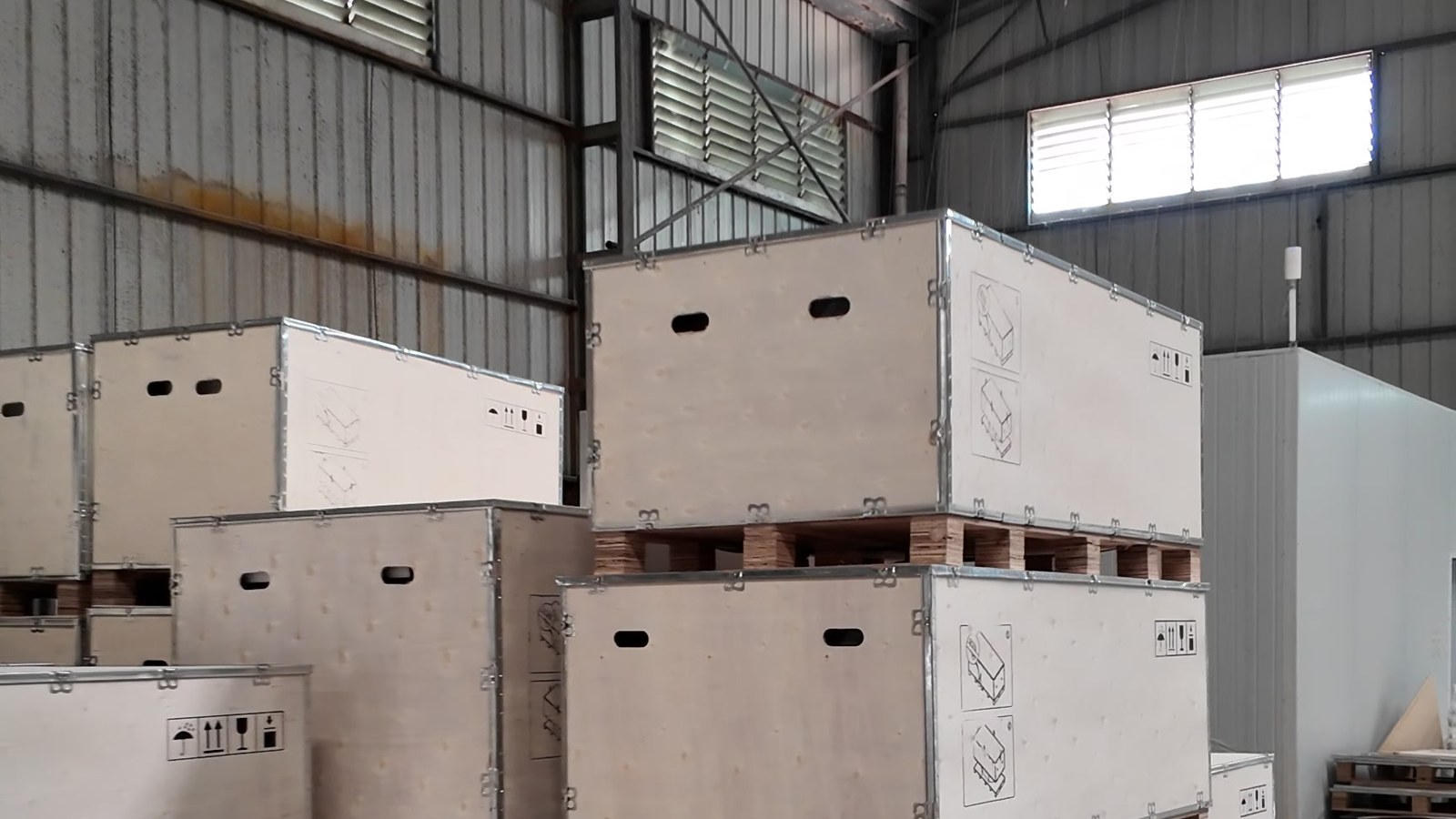
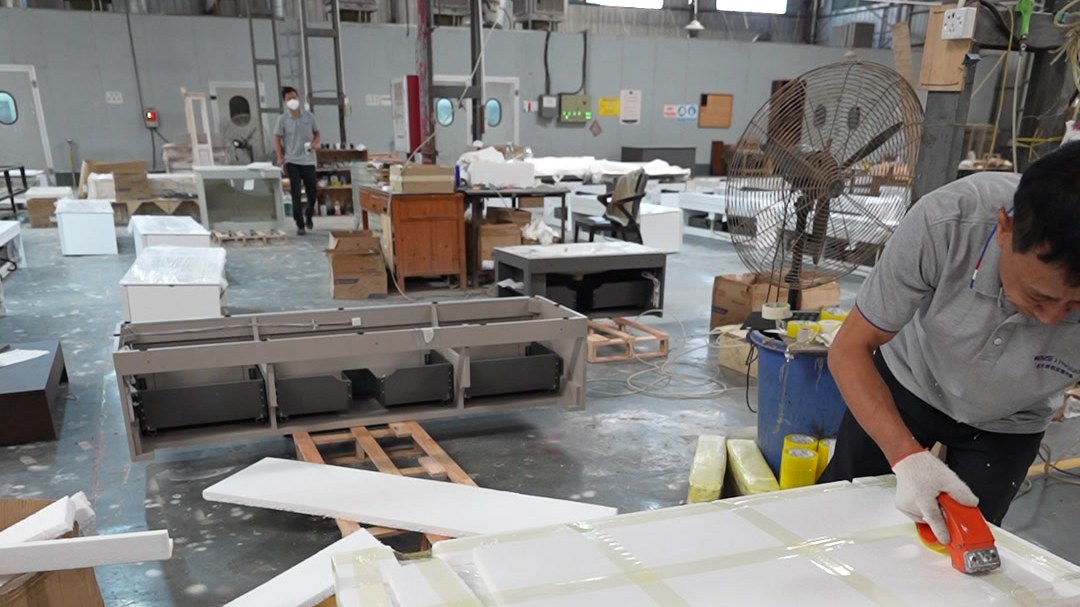
Glass ships in rigid crates — plywood is common, and it has the advantage of being exempt from ISPM 15 as a manufactured panel, whereas any solid wood frame, pallet or dunnage in the crate must be treated and carry the IPPC mark. Crates are sized for the door opening of the container and for handling at destination, with forklift access built in. Each crate carries the enclosure identifier, the room or floor where the project uses per-room labeling, the glass-face side, an upright-orientation mark and a fragile mark, and the packing list is organized the same way. Ask for a packed sample crate to review and for photographs of the packing and the loaded container before the doors are sealed: glass damage claims are settled on evidence of the packing condition, and those photographs are the evidence.
- Rigid crates, commonly plywood (ISPM 15 exempt); solid wood parts must be marked
- Sized for the container door and for forklift handling
- Labeled with enclosure, room, glass face and upright orientation
- Packed sample and loading photographs before shipping