From label to decision
What does a triggered impact indicator show?
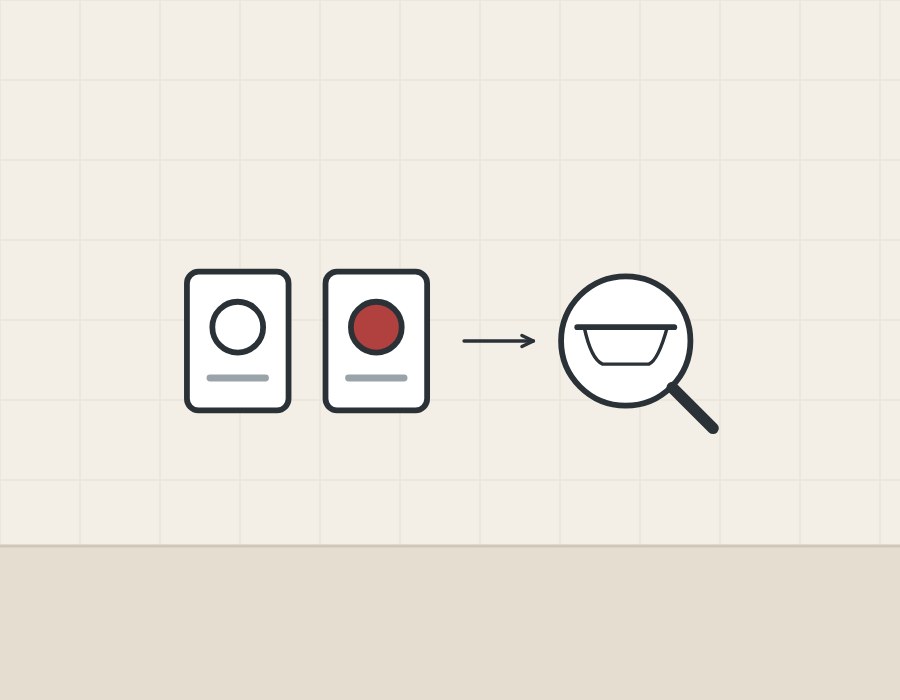
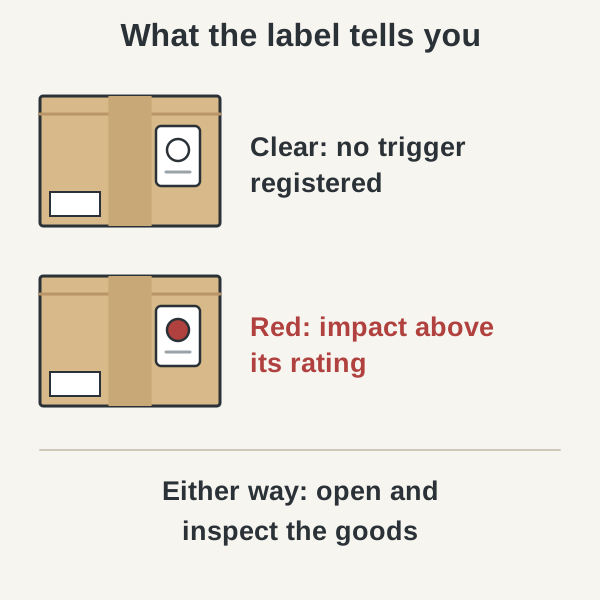
SpotSee’s FAQ says that when an impact exceeds the pre-selected G level, the indicator turns from clear to bright red and cannot be reset, cleared or altered.
SpotSee calls this a “bad read”, and an indicator that has not triggered a “good read”. Its receiving guide treats a bad read as a trigger for a defined inspection procedure, not a final decision at the dock.
The ShockWatch guide is explicit: red shows the carton received an impact or handling above a normally anticipated level. It does not say the product is damaged.
| Term | What it means |
|---|---|
| Impact indicator | A single-use label that changes color after an impact above its rating. |
| Bad read | The indicator has triggered above its selected threshold. |
| Good read | The indicator has not triggered above that threshold. |
| Tilt indicator | A label that shows the package was tilted beyond a set angle. |
| Impact recorder | An electronic device that logs impacts with size, duration and direction. |
How does an impact indicator trigger?
The indicator responds to the shock at the point where it is mounted. From SpotSee’s technical data and FAQ:
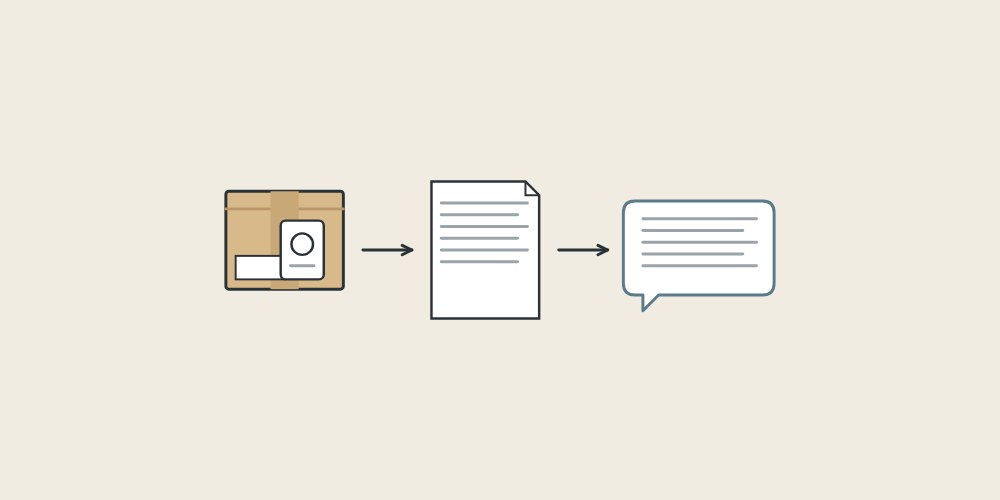
- The package is dropped or struck during handling.
- The shock reaches the indicator on the package surface.
- A shock above the rating, within the stated 0.5 to 50 ms duration range, triggers it.
- The tube or dot turns from clear or white to red.
- The change is irreversible and cannot be reset.
- At delivery, the receiver sees the color and starts the agreed inspection.
SpotSee gives an accuracy figure of 15%, stated only at 20 °C (68 °F) and one atmosphere. Its label is most sensitive to impacts at 45 degrees, and its ShockDot does not respond to impacts directly on its face. The trigger point is therefore not exact.
Which monitoring device records what?
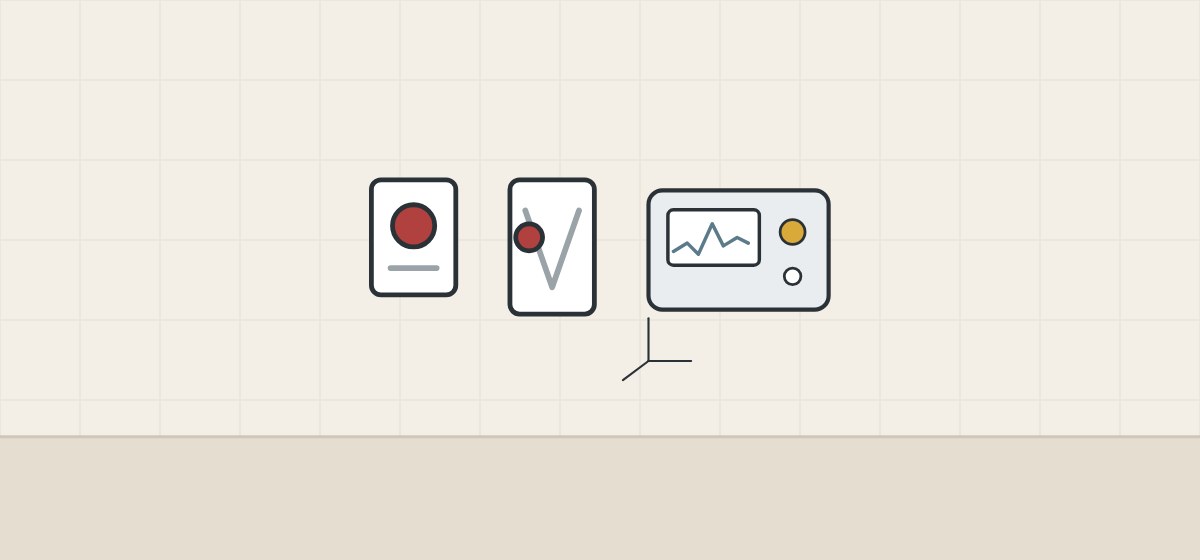
Impact labels, tilt labels and recorders answer different questions. The examples are named products.
| Device | What the maker says it records |
|---|---|
| Impact indicator | A single impact above the rating, shown as a color change; no power needed. |
| Tilt indicator | SpotSee’s TiltWatch Plus shows tilt left, tilt right and overturn, from 30 degrees in 10-degree steps. |
| Impact recorder | SpotSee’s ShockLog 298 logs impacts on three axes, with temperature and tilt, up to 870 events. |
| Field data recorder | Lansmont’s SAVER 3D15 records acceleration, temperature and humidity for test planning. |
| Companion label | A warning label with instructions for receivers if mishandling occurs. |
SpotSee notes that mechanical indicators do not monitor every shock event, while electronic monitors record continuously until they lose power. A clear label is therefore not a full record of the journey.
Red or clear: what does each result tell you?
Each observation supports a narrow conclusion. The right-hand column is what it cannot establish on its own.
| Observation | What it shows | What it does not show |
|---|---|---|
| Impact indicator red | A shock above the rating reached the label. | That the product is damaged. |
| Impact indicator clear | No single shock above the rating was registered. | That no impact occurred; accuracy and direction limit it. |
| Tilt indicator activated | The package passed the set angle. | Anything about impacts. |
| Recorder event | The size, duration and direction of a logged shock. | Damage, until the goods are inspected. |
| Crushed corner or broken wrap | Visible handling damage to the package. | The condition of the product inside. |
SpotSee suggests checking for crushed corners, punctures, broken wrap or shifted loads. Those checks and the inspection of the goods are findings; on their own they do not establish when or how damage occurred, or who is liable.
See also: What should the receiver do when an indicator is red?
How are indicator rating and placement chosen?
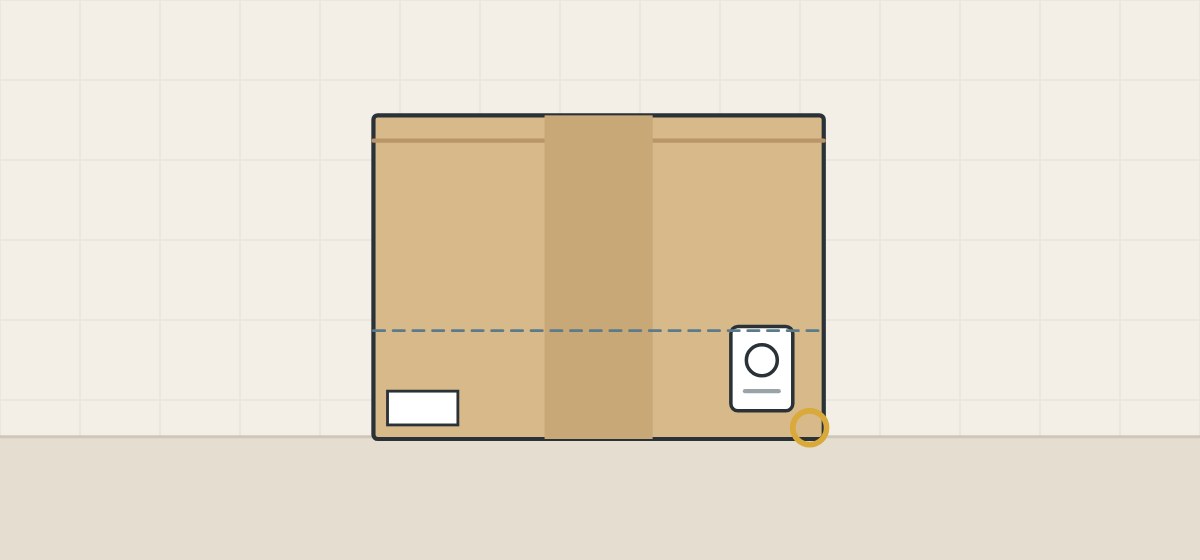
The rating sets which shocks turn the label red, so it has to fit the shipment. The makers give these rules:
Weight and fragility
SpotSee says the choice depends mainly on total package weight and the fragility of the product, and suggests using packaging tests and past damage records.
Heavier loads, lower ratings
Its selection guide assigns lower G ratings to heavier, larger shipments, from 75G for light packages down to 5G for very heavy ones.
Low and near an edge
SpotSee advises the lower third of the package or pallet, close to an edge, and away from the center.
Rigid points
Its FAQ recommends a corner, as the most rigid point; the guide says never on a flexible surface, and two labels on opposite sides of long packages.
Temperature
SpotSee lists operating ranges from −25 °C up to 60 °C or 80 °C, by model; accuracy is stated only at 20 °C.
- Indicator model and G rating
- Position on each package
- Number of indicators per package
- Any tilt label or recorder added
What should the receiver do when an indicator is red?
The makers’ receiving instructions focus on documenting the event and inspecting the goods. Four points:
Do not refuse the shipment
SpotSee’s ShockWatch 2 instructions say not to refuse delivery, but to note the indicator on the delivery receipt and inspect.
Note, inspect, photograph
The ShockWatch guide asks receivers to note activation on the bill of lading or receipt, examine the contents at once and take photos.
Keep the packaging
If damage is found, SpotSee says to leave the item in its packaging and request a carrier inspection. Old Dominion’s claims FAQ requires packaging to be kept until a claim is concluded.
Hold and escalate
SpotSee recommends a hold and controlled inspection, photos and notes, and escalation, rather than treating the product as unusable.
Time windows differ by document: SpotSee’s sheet asks for a carrier inspection within 5 days, or 3 days internationally, and Old Dominion asks for concealed damage to be reported within 5 business days. These are a maker’s and a carrier’s instructions, not legal deadlines.
What do US freight-claim rules say?
For US motor carriers, federal rules set how claims are filed and handled. Other legs have their own rules: COGSA section 3(6) sets a notice requirement for the ocean shipments it covers, and Article 31 of the Montreal Convention sets one for international air cargo. This guide does not restate their time limits, and it is not legal advice.
| Point | What the rule says |
|---|---|
| Delivery-receipt notes | Under 49 CFR 370.3, a damage note on a receipt or freight bill is not enough on its own to file a claim. |
| Minimum claim | A written communication that identifies the shipment, asserts liability and states an amount. |
| Acknowledgment | 49 CFR Part 370: the carrier acknowledges a claim within 30 days. |
| Resolution | The carrier pays, declines or makes a firm offer in writing within 120 days. |
| Filing period | Under 49 USC 14706, a carrier may not set less than 9 months to file a claim. |
| Court action | Nor less than 2 years to bring a civil action. |
How should a buyer plan shipment monitoring?
These steps apply the facts above to a bathtub, glass or vanity order. They are procurement guidance, not packaging or legal advice.
- Start with the packaging. SpotSee says indicators complement protective packaging and do not replace validated design or testing.
- Decide what must be known. Choose impact labels, tilt labels or a recorder for the question you need answered.
- Set the rating. Agree the model and G rating using weight, fragility and damage history.
- Fix the placement. Record where each label goes on each package.
- Write the receiving procedure. Note, inspect, photograph, hold and escalate; no refusal on color alone. Name who reads the label and who authorizes a hold.
- Keep the records. Keep receipts, photos, packaging and any recorder data together.
- Follow the claim route. File a written claim with the carrier within its stated period.
When the packaging has been tested
ASTM D4169 and ISTA’s 3-Series tests simulate distribution hazards in the laboratory; ISTA says its 1-Series tests do not simulate them. An indicator then checks how a shipment was handled against the conditions the packaging was tested for.
What should you agree before shipment?
Agreeing the monitoring plan with the order sets out how a red label will be handled at delivery. Each question maps to a point earlier in this guide.
| Question | Why it matters |
|---|---|
| Will indicators be fitted, and which model and rating? | The rating decides what a red label means. |
| Where on each package will they go? | Placement changes what the label registers. |
| Is a tilt label or recorder needed? | Impact labels do not show tilt or every event. |
| What packaging tests apply? | Indicators do not replace packaging tests. |
| What must the receiver do? | Refusal on color alone is not the maker’s instruction. |
| Which carrier terms and claim periods apply? | Notice periods differ by carrier and leg. |
Include with your request
- Products, packed weights and sizes
- Transport route and number of legs
- Required monitoring devices, if any
- Receiving procedure at destination
- Required packaging test, if any
WNS Global confirms any packaging, monitoring and commercial terms separately in writing. This guide does not state that WNS Global fits impact indicators, tests packaging to ASTM or ISTA procedures or holds any certification.