From color to care
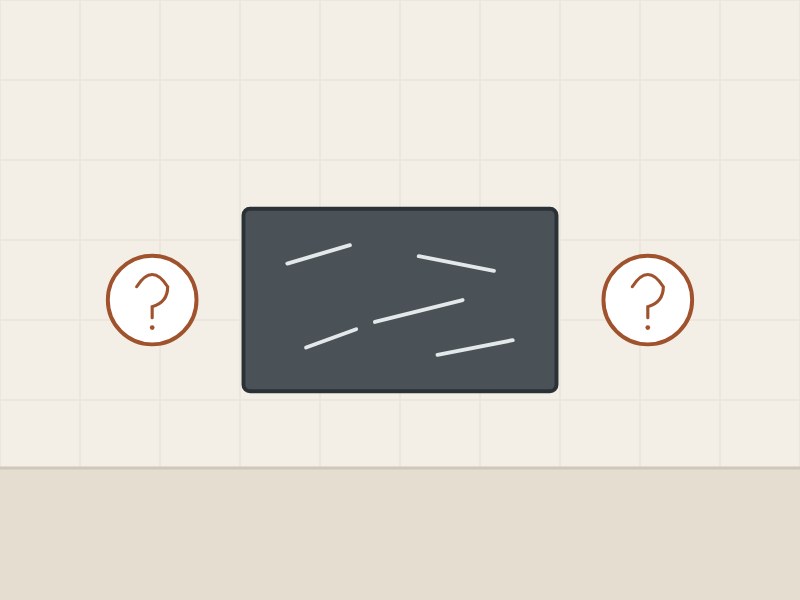
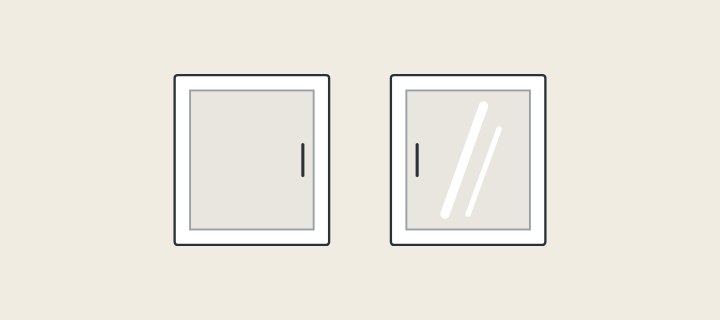
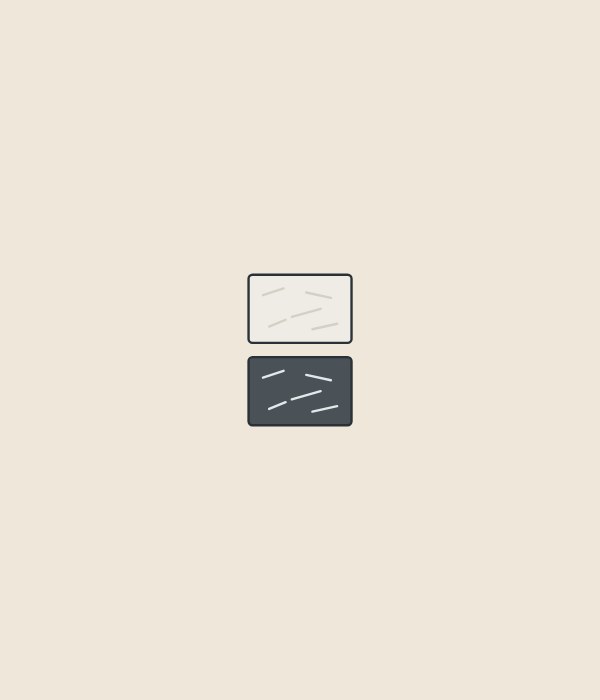
Do dark colors scratch more, or only show it more?
The makers cited here say dark colors show wear more; in the passages retrieved, none describes dark colors as softer. Corian’s wording is that such colors “show scratches, dust and ordinary wear and tear more readily”.
Hardness is given separately. Krion’s version 14 data sheet lists Barcol hardness of 65-70, as an informative result for 12 mm sheets in solid colors such as Snow White 1100, and in its limitations section warns that wear marks are more noticeable on dark colors.
| Maker and material | Its statement |
|---|---|
| Corian | Dark, heavily pigmented colors show scratches, dust and wear more readily. |
| Krion | Wear marks are more noticeable on dark colors; allow for it in high-traffic places. |
| Staron | Lighter colors show wear less visibly and need less frequent maintenance. |
| Durasein | Minor scratches may be especially noticeable on darker colors and glossier finishes. |
| Wilsonart | Darker patterns may need more frequent attention to keep a uniform finish. |
How does daily wear become visible on a dark top?
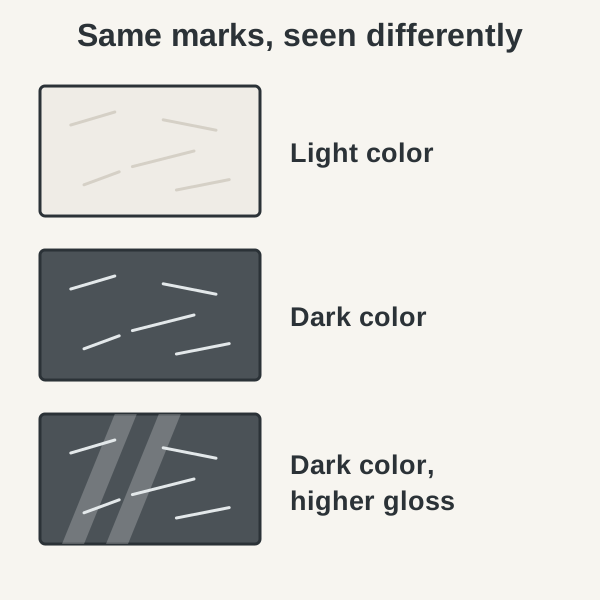
Ordinary changes add up, and color and finish decide how much is seen. The steps join statements from several makers.
- Daily use leaves minor scratches, as Durasein notes.
- Dust settles, and water left to dry leaves a film, the latter noted by Corian.
- Use and cleaning change the finish over time, per Wilsonart.
- On a dark, heavily pigmented color these show more readily.
- A glossier finish makes them more noticeable.
- A large light source, such as a big window, highlights swirl marks.
Corian adds that a countertop acquires a sheen over time even with proper care. The last step is from LX Hausys’s HIMACS finishing guide.
Which finish do makers recommend for dark colors?
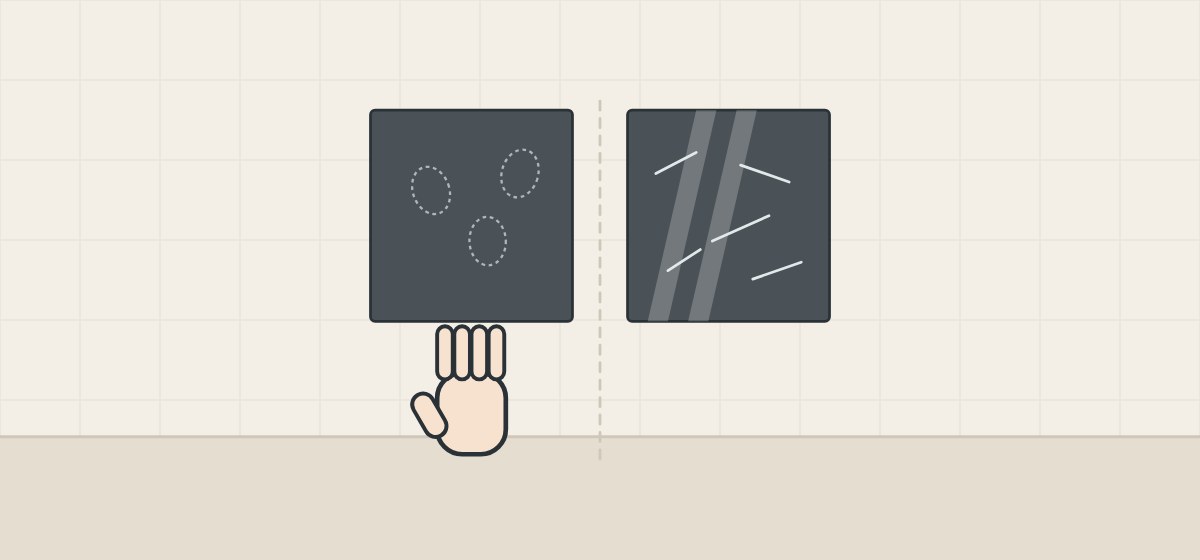
There is no single answer. Only LX Hausys, among the makers cited, gives finish advice for dark colors specifically; the others give general finish advice or, in Corian’s case, advice on where to use dark colors.
| Maker and material | What it says |
|---|---|
| Wilsonart | Matte is the recommended standard finish, especially in high-traffic areas; not color-specific advice. |
| HIMACS (LX Hausys) | Matt is not recommended for darker and black colors, which are prone to showing finger oil; at least semi-gloss is. High gloss is not recommended for high-traffic tops in any color. |
| Krion | Glossy and high-gloss finishes make wear marks more noticeable. |
| Corian | Dark, heavily pigmented colors are recommended where surface contact is light, or as inlays and accents. |
Corian’s product bulletin also says its DeepColor series offers more depth of color and increased durability than other dark Corian colors. That claim covers one Corian series only.
How does the finish level change upkeep?
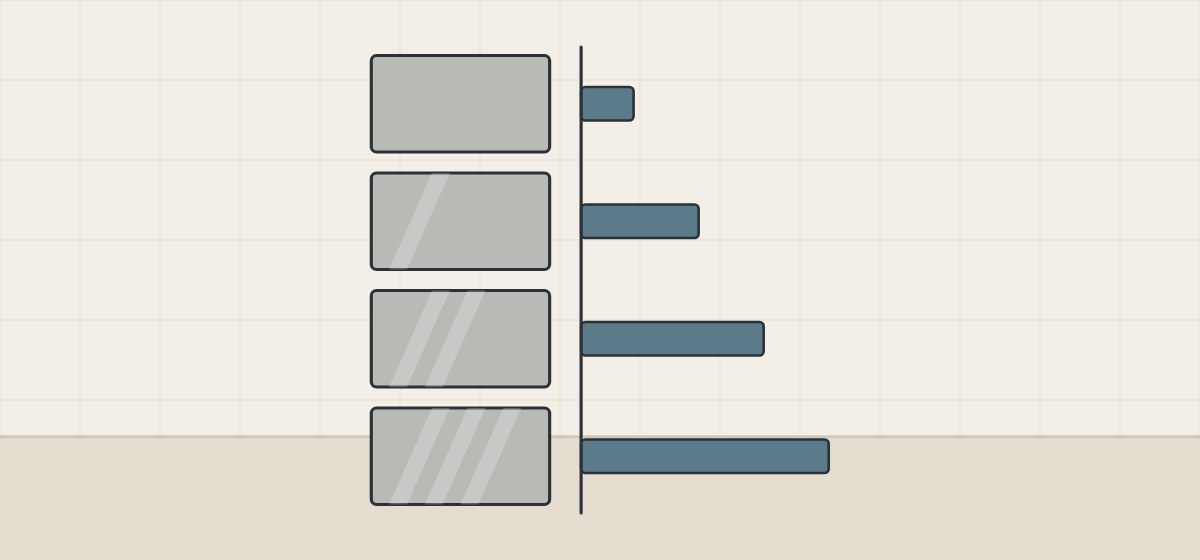
Higher sheen means more upkeep, according to Wilsonart, whose care sheet describes four finishes for Wilsonart Solid Surface.
| Finish | Where Wilsonart places it | Upkeep it states |
|---|---|---|
| Matte | Standard finish; high-traffic areas | Normally the least maintenance |
| Satin | Slightly higher sheen | May need more attention |
| Semi-gloss | Not for high-traffic or high-use areas | May need a certified fabricator |
| Gloss | Vertical surfaces only | Certified fabricator to maintain |
Wilsonart’s technical data sheet says gloss and semi-gloss finishes need more maintenance than matte or satin, and darker colors need special attention. LX Hausys, for HIMACS, calls semi-gloss or satin its recommended finish for standard fabrication.
How should a dark sample be viewed?
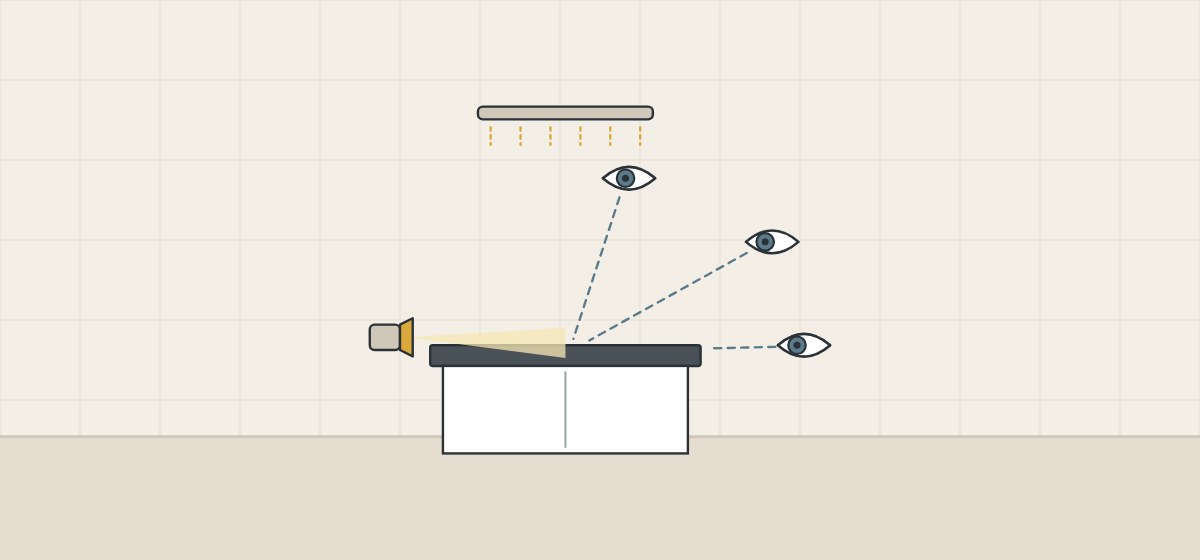
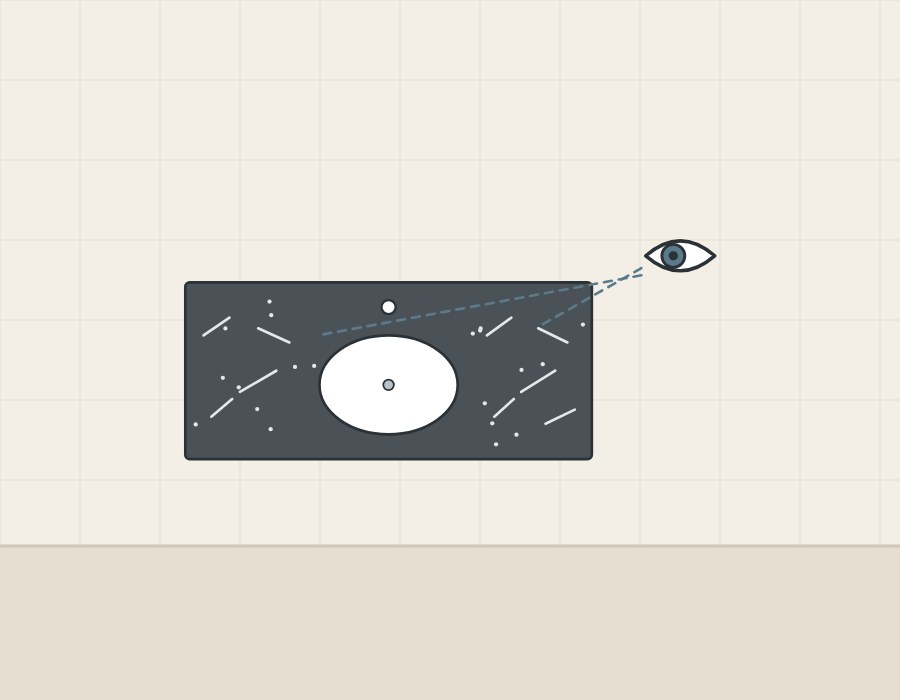
Fix the light, the distance and the angle, and write them down. ISFA’s solid surface standard, ISFA 2-01 (2013), does this for two appearance tests. They judge color consistency and visual defects, not scratch visibility, but show what a repeatable review records:
Light
The ISFA color-consistency test uses overhead white fluorescent light of 800-1100 lux at table height.
Distance
That test views the specimen from 760 to 910 mm. The visual-defects test uses 610-750 mm.
Angle
Both tests view at about 10°, 45° and 90°.
Low-angle light
The HIMACS finishing guide places low-angle lighting behind the worktable to check sanding quality at each step.
- Material and color name
- Finish, as named by the maker
- Light source and viewing angles
- Viewing distance
- Care instructions for that material
Can scratches on dark solid surface be removed?
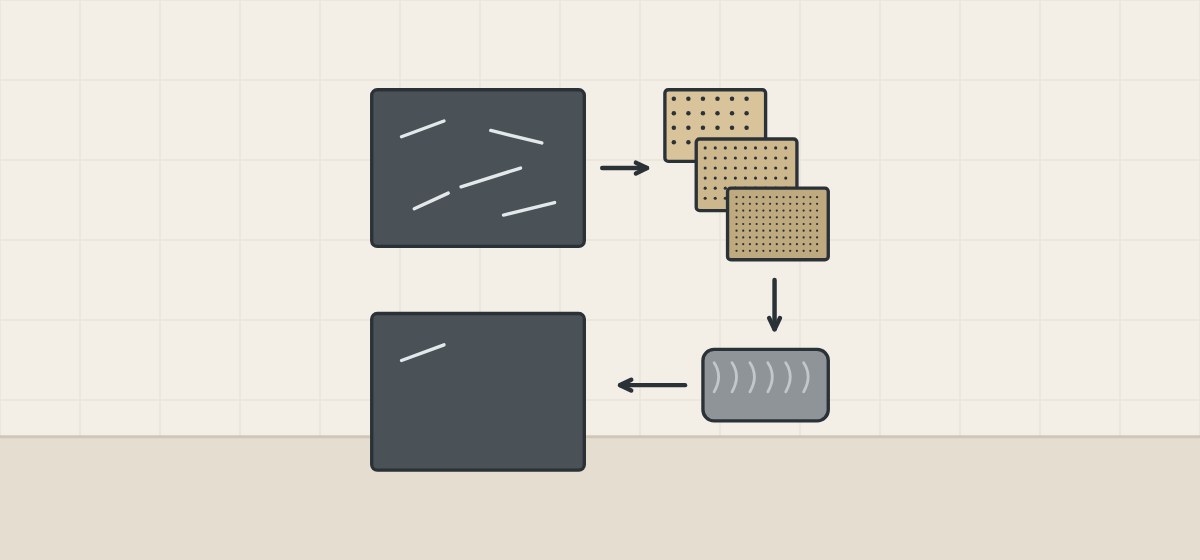
Often yes for minor marks, but method, effort and who does the work depend on the material, finish and color. Four points from the makers:
Color runs through
ISFA 2-01 describes solid surface as homogeneous and renewable. Corian, Wilsonart and Staron each say the color runs through their material; Staron adds that refinishing will not reveal a different color.
Minor marks
Corian says owners can remove minor cuts and scratches with fine sandpaper and Scotch-Brite pads. Durasein uses a maroon pad, then a white pad with a non-abrasive cleanser. Krion names its own regeneration kit.
Dark colors take more
Corian’s semi-gloss steps list two paper grades for light colors and three for dark colors. LX Hausys says darker HIMACS colors need more sanding and finishing care.
Gloss and deep damage
Corian says a high-gloss finish is best restored by a professional, and that deeper cuts may need an authorized Corian fabricator. Durasein sends severe scratches to its dealer or fabricator.
Wilsonart tells owners to blend the entire surface if the finish varies after blending, and says gloss normally needs specialized tooling. Each procedure belongs to its maker’s material; do not carry pads or grits over to another material.
Do solid surface standards rate scratch visibility?

Not in the material retrieved for this guide. The full ISO text is paywalled and was not read.
| Source | What it shows |
|---|---|
| ISFA 2-01 (2013) | Performance of solid surfacing sheets; minimum requirements. Named on ISFA’s standards page. |
| ISFA 2-01 hardness | Barcol 50 to 70 for its Standard Type, to ASTM D 2583. |
| ISFA 2-01 property list | Includes color consistency, cleanability and visual defects. No scratch-visibility rating by color was in the list retrieved. |
| ISO 19712-1:2008 | Classifies solid surfacing by performance. ISO lists it as confirmed in 2021 and under systematic review. |
| Wilsonart technical data | Barcol 60 and 62 for its two listed types. |
How should a buyer approve a dark color?
Agree how the top should look in use before the color is approved. These steps are procurement guidance.
- Rank the goals. Deep color, a chosen sheen and low visibility of wear are different goals. Say which comes first.
- Name the material. Ask for the maker and product name, so the right care guide applies.
- Name the finish. Use the maker’s finish term and ask what it recommends for that color.
- Review the real sample. Use the offered color and finish, under recorded light, distance and angles.
- Label any test piece. A sample scratched or sanded on purpose is not the production reference.
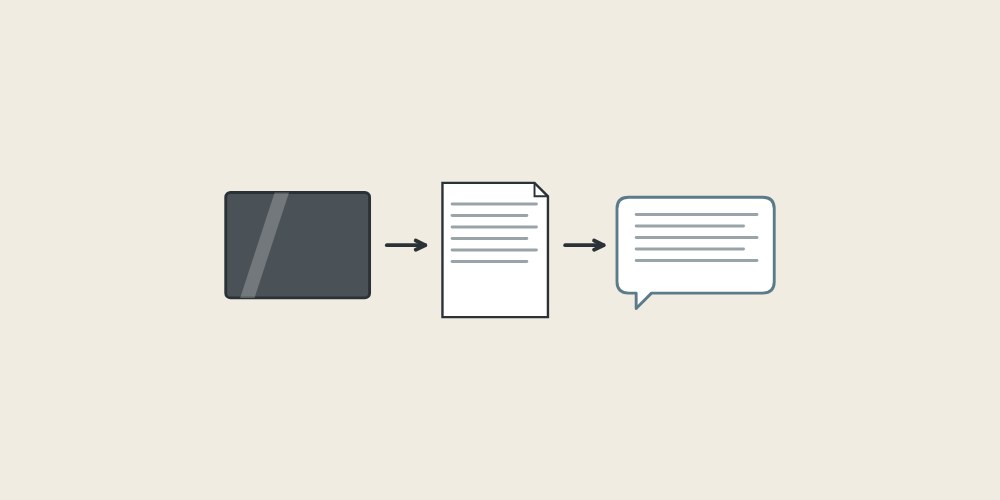
- Get the care sheet. Ask for the care and repair instructions for that material and finish.
- Keep the reference. Keep the approved sample and care sheet. If formulation or finish process changes, ask whether both still apply.
When a supplier says “repairable”
Ask for the scope: which material, damage and finish, and who does the work. Corian, Wilsonart and Durasein separate minor marks an owner can treat from gloss finishes or severe damage that go to a fabricator.
What should you send and ask before a quotation?

A complete request names the color, the finish and the use, not only the top.
| Question | Why it matters |
|---|---|
| Which material and maker is offered? | Care and repair steps belong to the material. |
| Which finish, in the maker’s terms? | Finish advice differs by maker. |
| What does the maker say about this color? | Corian recommends its dark colors for light contact. |
| Who restores the finish, and how? | Corian and Wilsonart refer gloss work to professionals. |
| Is the sample the offered color and finish? | Wear shows differently by color and finish. |
| Does a shared color name mean the same material? | A name alone does not prove it. |
Include with your request
- Color and finish under consideration
- Where the top is used and by whom
- How it will be cleaned
- The goal that comes first
- Quantity and sample needs
WNS Global confirms any offered material, color, finish, care instruction and commercial terms separately in writing. This guide does not state that WNS Global products use any material named above or have the finishes, hardness values or repair properties described.