From joint type to approval
What is the difference between a finger joint and an edge glue line?
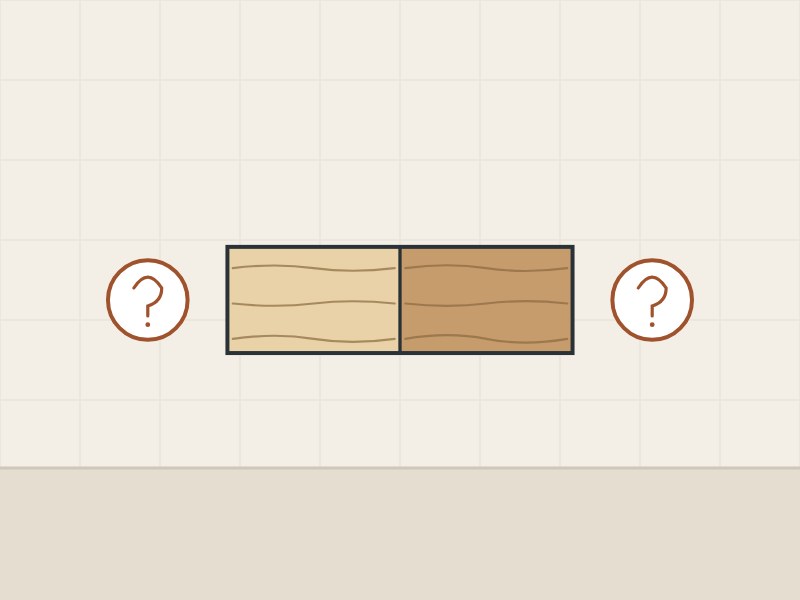
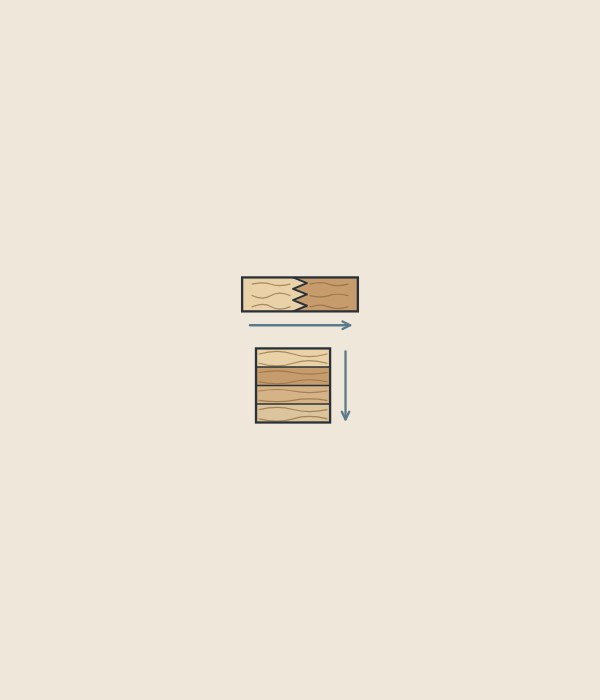
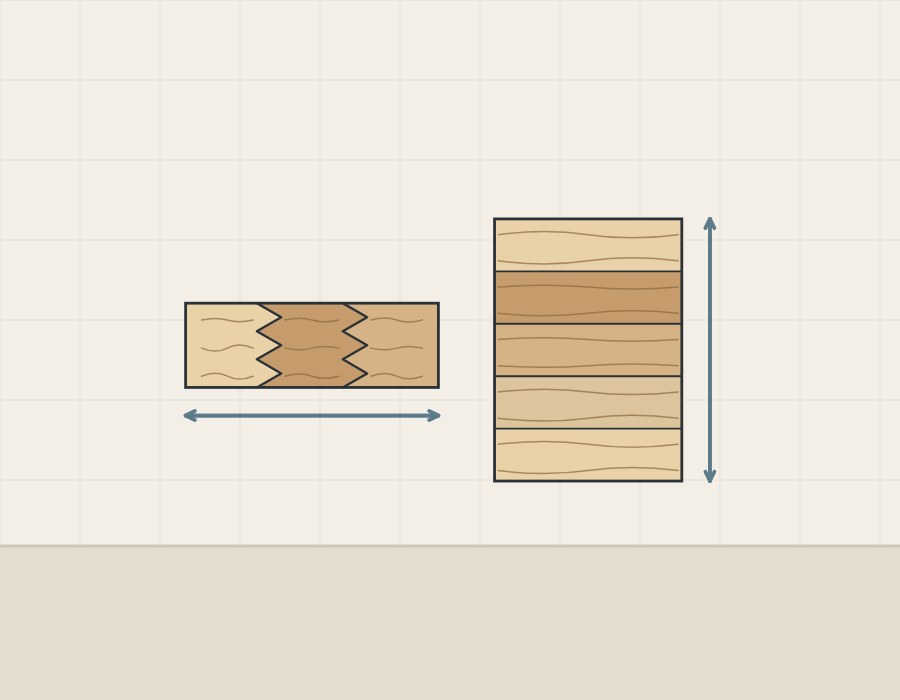
A finger joint adds length; an edge glue line, in this guide’s own plain definition, adds width. Australian Sustainable Hardwoods (ASH), a lumber maker, describes finger-jointed timber as pieces of wood joined to form a longer piece.
The Wood Handbook groups joints by grain direction: edge-grain joints, and end-to-end-grain joints such as butt, plain scarf and finger joints.
| Term | What it means |
|---|---|
| Finger joint | Fingers cut into the ends of two pieces, then glued; adds length. |
| Edge glue line | Guide’s definition: two pieces glued edge to edge; adds width. |
| Face joint | Guide’s definition: two pieces glued face to face. |
| Laminate joint | ASTM D5751’s term for both face and edge joints. |
| Butt joint | Guide’s definition: plain end-to-end joint. |
| Scarf joint | End joint cut to a slope. |
Why can a finger joint look like a straight line on the face?
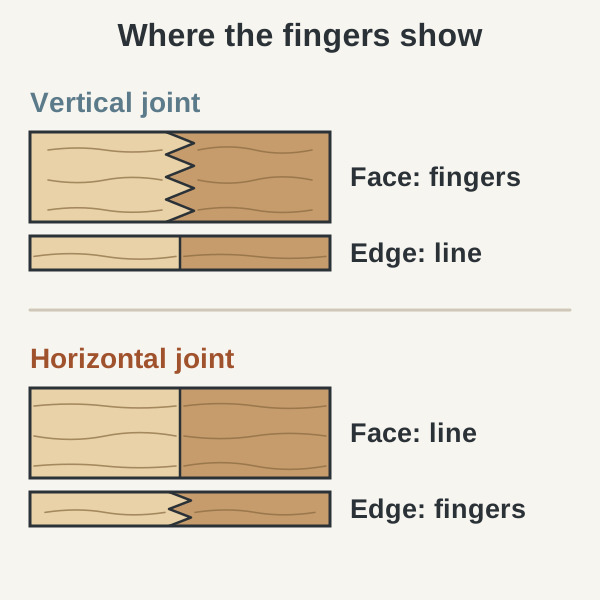
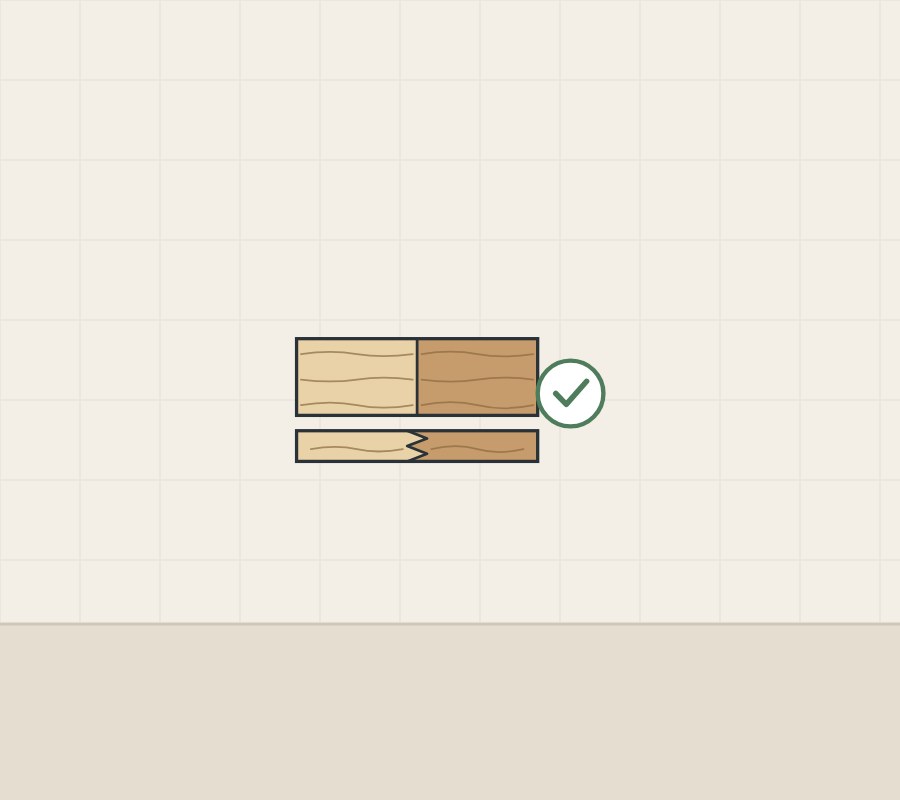
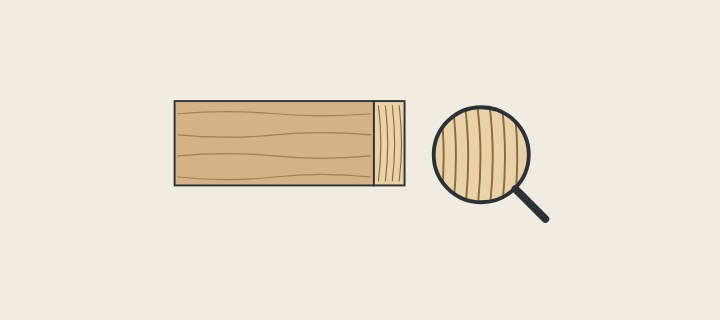
A finger joint can be cut so that its profile shows on the edge, not the face. The Wood Handbook calls a profile on the wide face a vertical joint and a profile on the edge a horizontal joint.
- Look at the wide face of the part.
- A finger profile there is a vertical joint.
- A straight line there may be a horizontal joint.
- Turn to the matching edge.
- A finger profile on the edge is a horizontal joint; ASH says it gives a butt-joint appearance on the face.
- Record the face and the edge together.
ASH describes the same two orientations. A straight line across the front of a part therefore does not rule out a finger joint, and a seam alone does not identify one.
What does the Wood Handbook say about the strength of these joints?
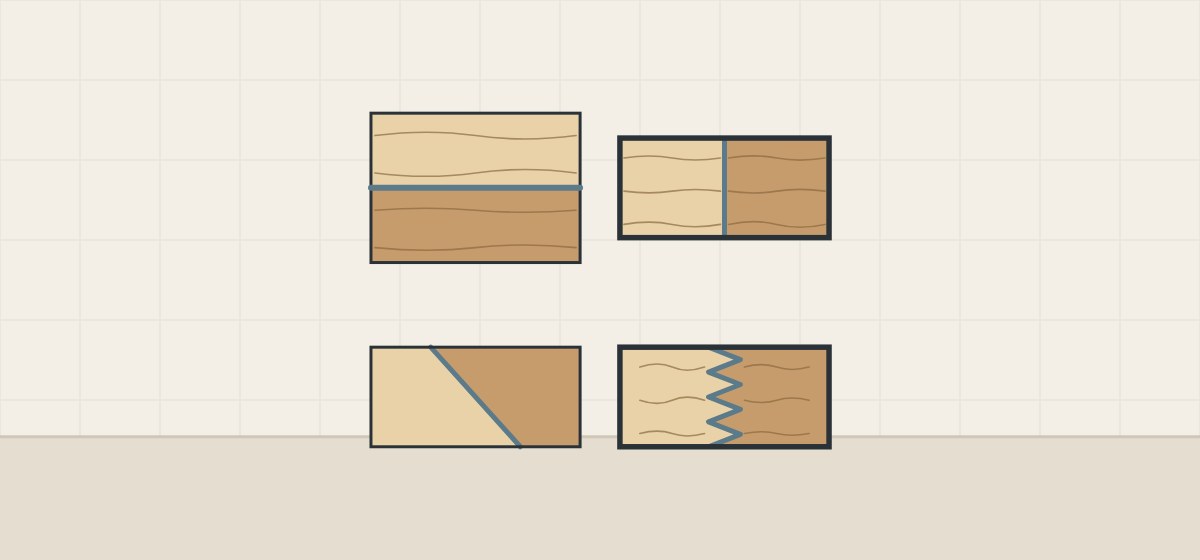
The handbook rates edge-grain joints and end-grain joints very differently. The rows are general statements from its adhesives chapter, not results for any cabinet part.
| Joint | What the handbook says |
|---|---|
| Edge-grain joint | Can be as strong as the wood in shear parallel to the grain, tension across the grain and cleavage. |
| End-grain butt joint | Practically impossible to make strong enough for ordinary service with conventional bonding. |
| Scarf or finger joint | Needs a bonded area at least 10 times the cross-section to approximate the tensile strength of clear solid wood. |
| Well-made end joint | A scarf, finger or lap joint can have up to 90% of the tensile strength of clear wood. |
| Nonstructural finger joint | Fingers much shorter than in the two structural finger joints. |
These are statements about well-made joints in general. Seeing a joint on a part does not show how well it was bonded.
What makes a glue line or finger joint show under a clear finish?
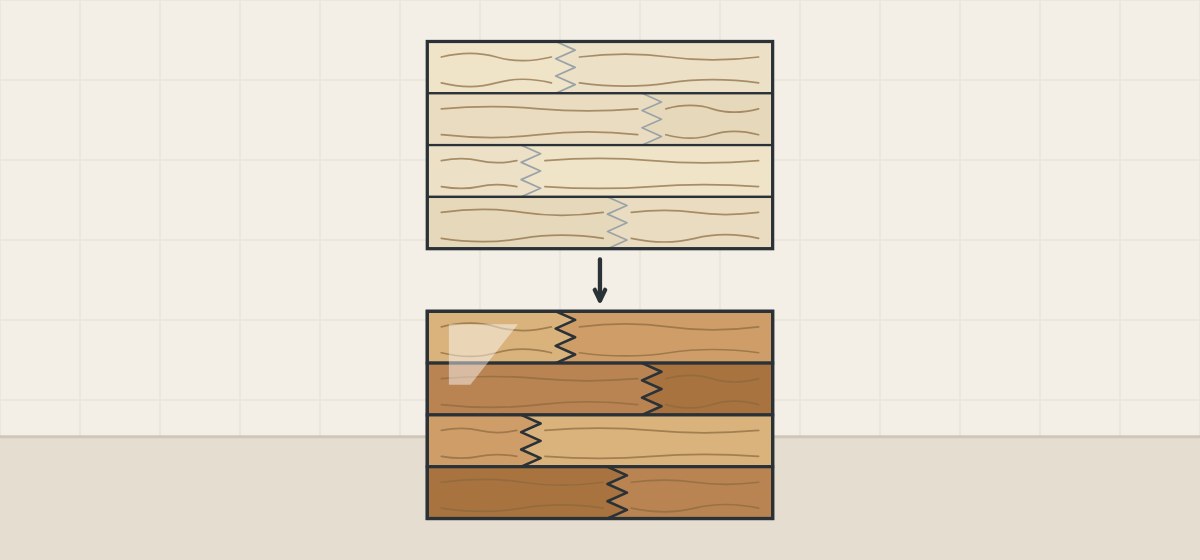
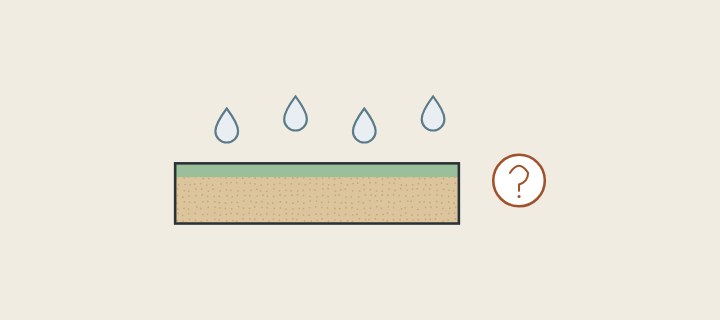
A clear finish makes the wood itself more visible. The Wood Handbook’s finishing chapter says that wood filled with something clear, such as varnish, shows more of its natural color and texture.
| Topic | What the handbook says |
|---|---|
| Mixed pieces | For lumber glued from many small pieces, finishing should be decided by the worst examples of wood from the species used. |
| Humidity swings | Finger joints can become visible when adjacent pieces swell differently under large humidity changes. |
| Sunken bondline | An edge joint surfaced before the glue’s moisture evens out sinks later; conspicuous under high gloss. |
| End grain | Commonly 100 times more porous than side grain, so it absorbs much more stain or finish. |
The handbook’s remedy for sunken bondlines is conditioning the bonded assembly before surfacing, for example 7 days at room temperature.
Which standards cover finger joints and edge joints?
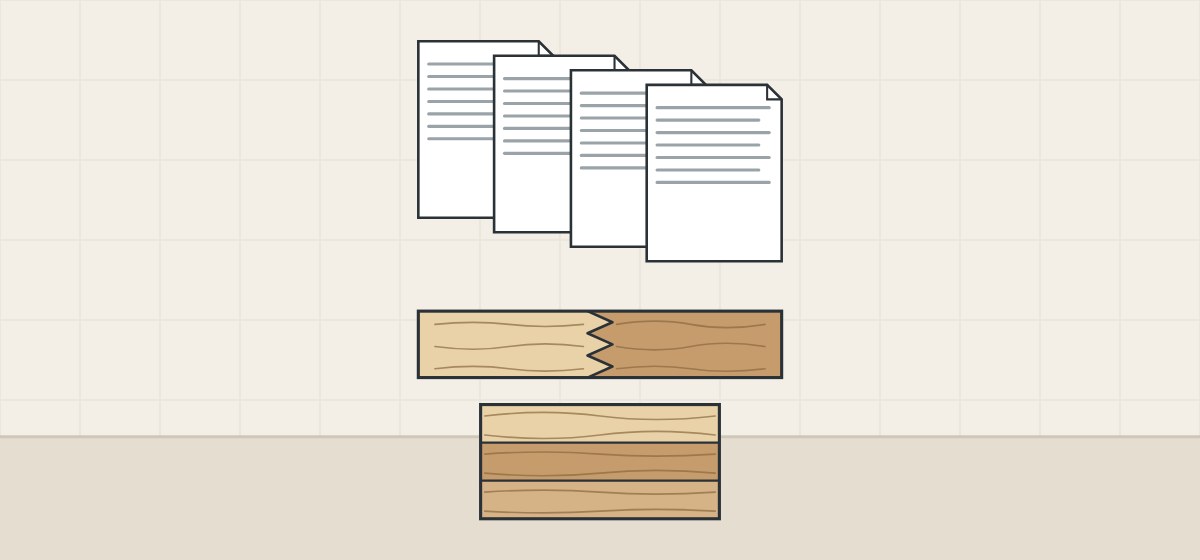
Separate standards cover the adhesive, the joint and the product. The four below are described only from their publishers’ public pages:
ASTM D5572-95(2019)
Adhesives for finger joints in nonstructural lumber products. It classes adhesives as dry use or wet use, each with its own test exposures.
ASTM D5751-99(2019)
Adhesives for laminate joints in nonstructural lumber products, including bonded lumber panels; dry-use and wet-use classes.
ISO 10983:2014
Minimum production requirements and test methods for bonded finger joints in structural timber. ISO lists it as confirmed in 2025.
BS EN 13307-1:2006
Requirements for timber blanks and semi-finished profiles for non-structural uses, including glued laminated and glued finger-jointed products. BSI shows it as current, under review. For reports on the four standards above, check:
- Standard and edition
- Structural or nonstructural
- Adhesive use class
- Test report and issuer
What does a casework standard say about joints on visible faces?
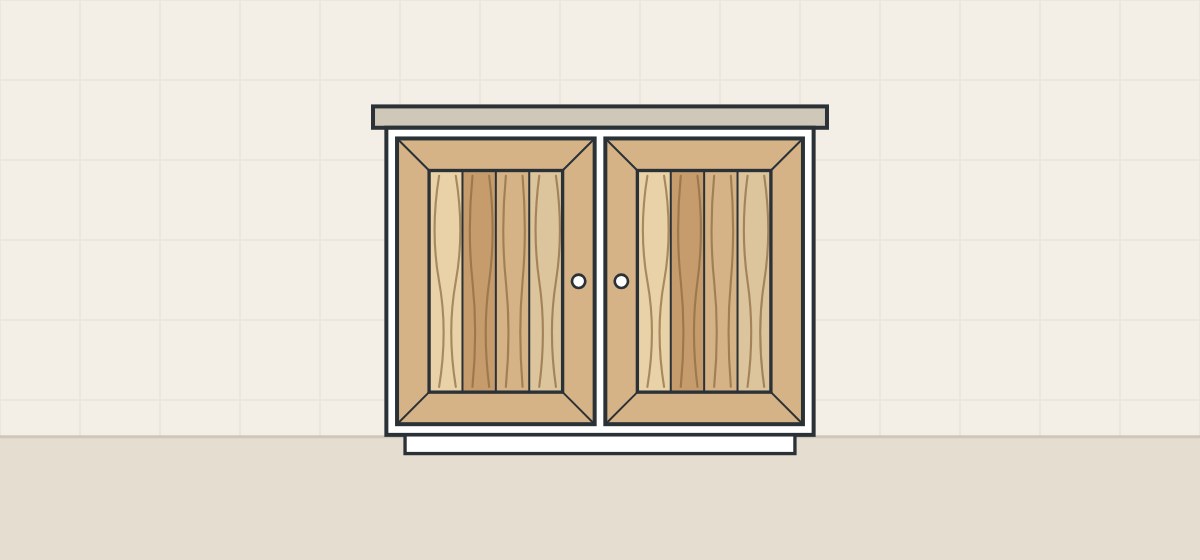
ANSI/AWI 0641-2019, the Architectural Woodwork Institute’s casework standard, applies its aesthetic requirements to surfaces that are exposed or semi-exposed after installation. Four of its rules bear on jointed parts:
Adhesive residue
Any adhesive residue is to be removed from exposed and semi-exposed surfaces.
Edge-glued door panels
For stile-and-rail doors in Custom and Economy grades, flat panels may be edge-glued solid lumber if at least 12.7 mm thick and no more than 350 mm wide. For Premium grade the standard says: “Solid lumber panels are not permitted.”
Movement
Sheet and laminated lumber panels shall be permitted to move, expand or contract as ambient humidity changes.
Flushness and gaps
On exposed and semi-exposed surfaces, flushness variation at mitered or butted joints may not exceed 0.3 mm (Premium), 0.4 mm (Custom) or 0.6 mm (Economy). Gaps are limited to the same widths over no more than 20% of the joint length.
The one rule on that page naming finger joints permits them in veneer tape used as edgebanding on transparent-finish casework. A project that cites AWI should name the grade and edition.
Do structural finger-joint rules apply to vanity parts?
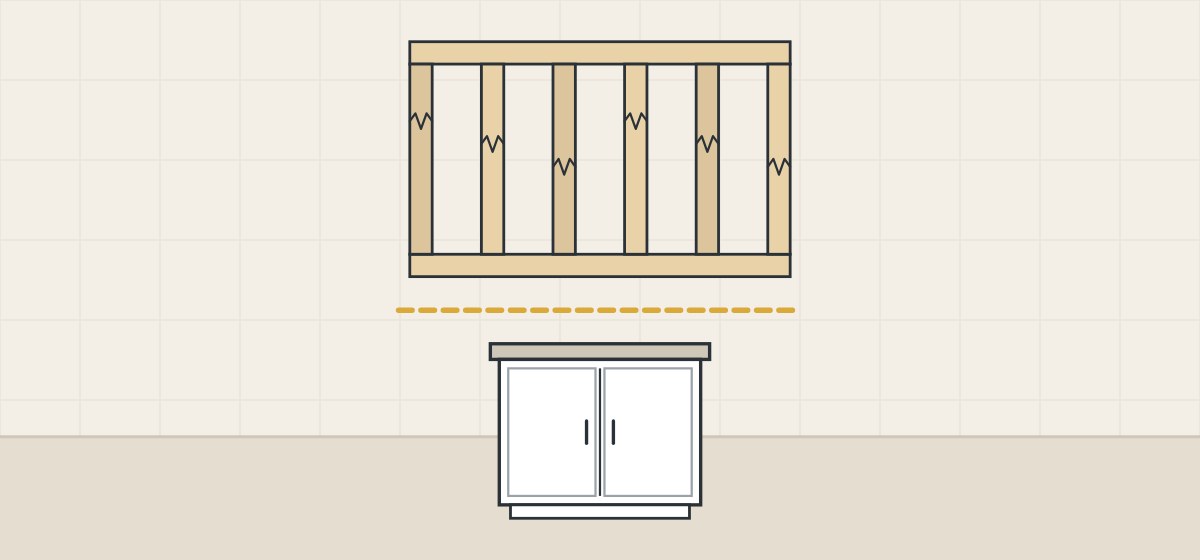
Neither structural source used here addresses furniture or cabinet parts. WWPA’s page concerns structural-glued dimension lumber, and the American Wood Council’s FAQ concerns building codes.
| Source | What it says about structural lumber |
|---|---|
| WWPA, moisture | Commonly made from lumber seasoned to below 19% moisture content; stamped S-DRY or KD. |
| WWPA, stamps | CERT EXT JNTS HRA for all-purpose use; VERTICAL USE ONLY NON-HRA for loading mainly in compression. |
| American Wood Council | Model building codes recognize finger-jointed lumber for the same structural uses as sawn lumber, with certain qualifications. |
How should a buyer approve joints on a clear-finish part?
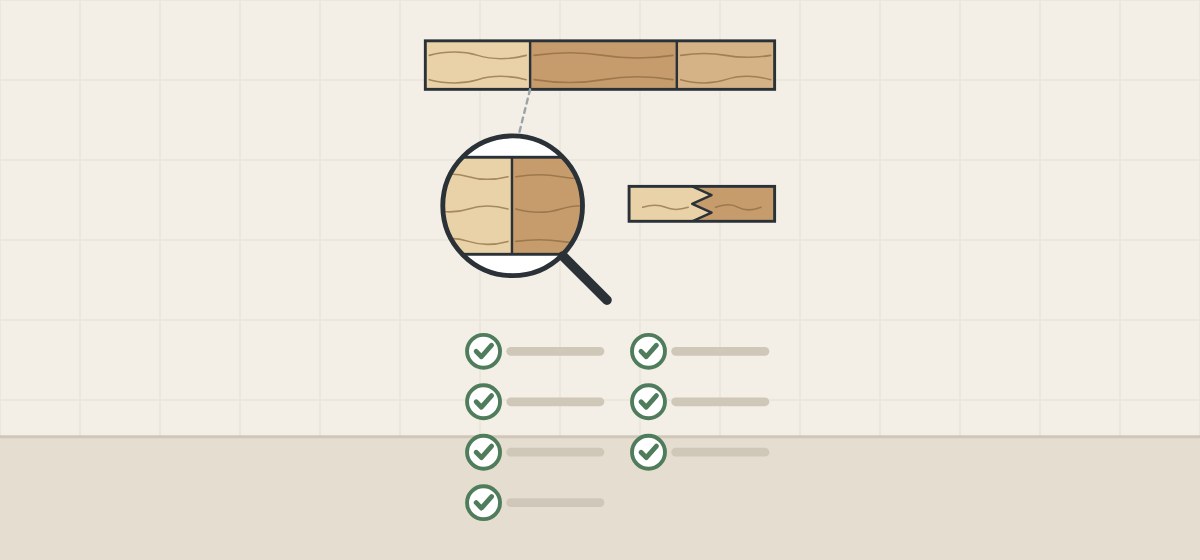
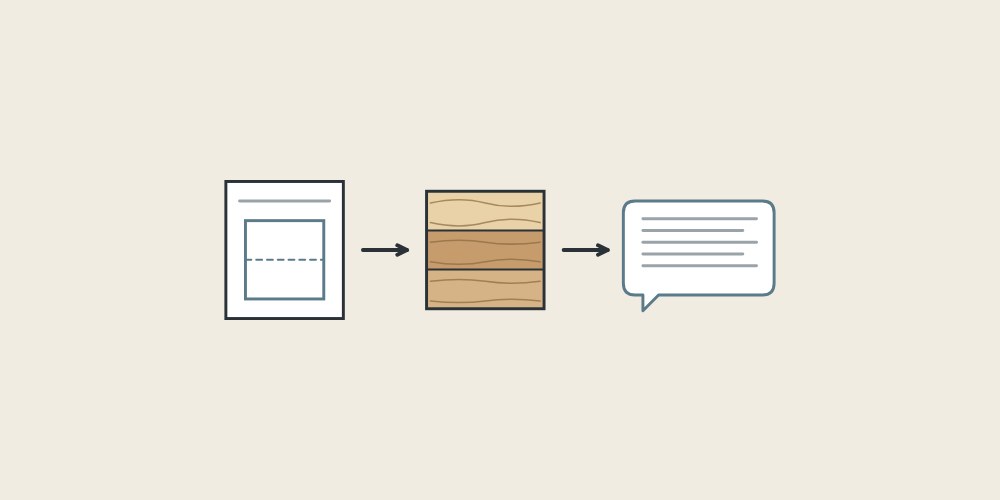
Approve the joint layout and the finished look part by part. These steps are procurement guidance, not a test method.
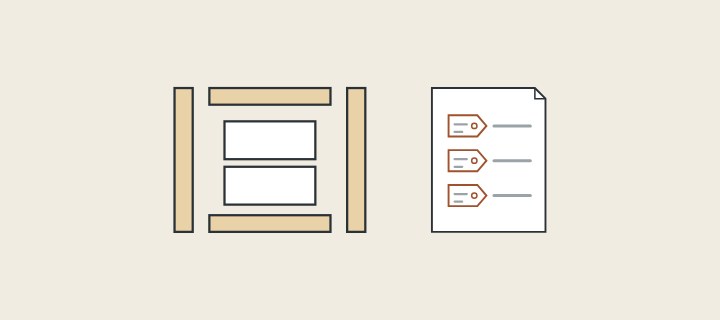
- Name the part and its visible side. Door, drawer front, frame or leg, and which faces show once installed.
- Ask for three views. The full length, a close-up of the face and the matching edge.
- Mark the joints on the drawing. Finger joints and edge glue lines, each on the labeled part.
- Agree on what is acceptable. Which joints may appear on exposed faces, and any project limit.
- Approve a finished sample. Same species, same joint layout and the proposed clear finish.
- Keep performance separate. Adhesive type, use class and test reports are documents, not appearance.
- Record the reference. Keep the signed sample for first units and reorders.
When a photo shows only fingers
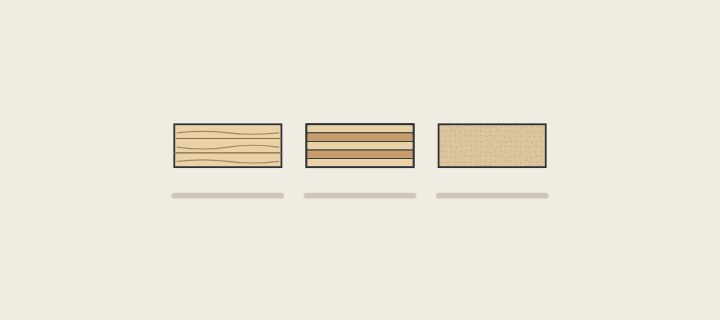
A workshop close-up of interlocking fingers shows how one piece was joined, not which cabinet part it belongs to or how it will look finished.
What should you send and ask before a quotation?
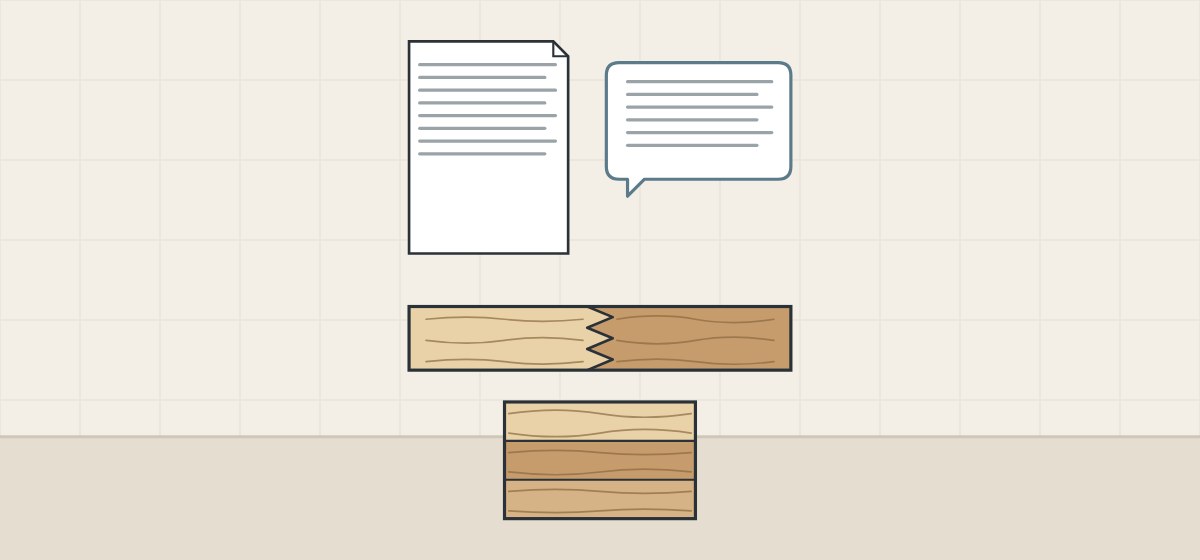
A complete request names the visible parts and asks how each one is joined.
| Question | Why it matters |
|---|---|
| Which parts contain finger joints? | A finger joint adds length; the face may show only a line. |
| Which parts are edge glued? | Each strip is a separate piece of wood. |
| Is the finger profile on the face or the edge? | Orientation decides what the front shows. |
| Which adhesive, and which use class? | Dry-use and wet-use classes are tested differently. |
| Can a finished sample of the named part be supplied? | A clear finish changes how joints read. |
Include with your request
- Part drawings with visible faces marked
- Species and clear-finish reference
- Joints you accept on exposed faces
- Any standard or grade the project cites
- Quantity
WNS Global confirms any product and terms it offers separately in writing. This guide does not state that WNS Global products use or avoid any joint named above, or that they meet any standard, grade or strength figure named above.