From board label to bathroom
What does moisture resistant mean on an MDF board?
Moisture resistant describes the binder in the board, not a barrier to water. WPIF says the term applies to the adhesive binder, which will not break down in the presence of moisture within limits defined by BS EN 622-5.
MDF is a panel of fibers bonded with a synthetic resin, as WPIF defines it; the Composite Panel Association (CPA) definition also allows another suitable bonding system. The USDA Forest Products Laboratory’s Wood Handbook says MDF often replaces solid wood, plywood and particleboard in furniture.
MEDITE describes MEDITE MR as developed for interior applications in humid environments.
| Term | What the source says |
|---|---|
| MDF | CPA: fibers and resin or another bonding system, joined under heat and pressure. |
| Moisture resistant | WPIF: applies to the adhesive binder. |
| MDF.H | WPIF: general purpose boards for humid conditions. |
| MR10, MR50 | Georgia-Pacific ties both to ANSI A208.2-2016. |
| Waterproof | MEDITE and WPIF say these boards are not. |
How does MDF respond to humidity and water?
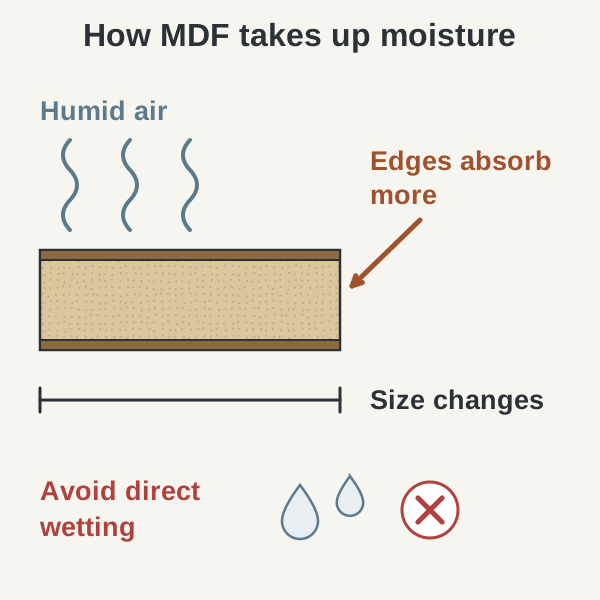
MDF takes up moisture from the air and changes size as it does. The six points below are WPIF’s, in order from humid air to direct wetting.
- MDF is hygroscopic: its dimensions change when humidity changes.
- At 20 °C, its table gives about 5% moisture content at 30% relative humidity, 8% at 65% and 12% at 85%.
- Typically, a 1% change in moisture content moves length and width by 0.4 mm per meter.
- Edges are more absorbent than surfaces.
- In a moisture-resistant grade, the binder resists breaking down, within the limits of BS EN 622-5.
- Direct contact between an unprotected panel and water should be avoided.
The WPIF annex sets the limit in one line: “Physical wetting of all grades of MDF should be avoided.” The edge point comes from its section on finishing.
Which grades and tests stand behind an MR claim?
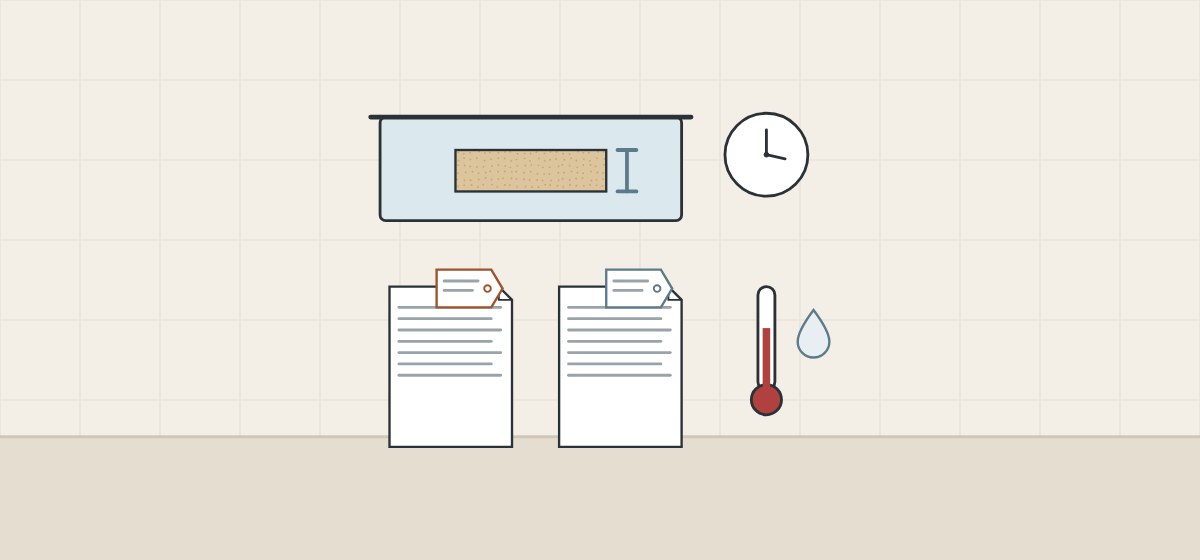
Two naming systems appear in the sources read here: the type MDF.H and the MR designations. The rows summarize each source; this guide did not read the standards themselves.
| Designation | What the source says |
|---|---|
| MDF.H (BS EN 622-5) | WPIF: general purpose boards for humid conditions. |
| MR10 | Georgia-Pacific’s specification sheet: 24-hour thickness swell value of 5.5% or less. |
| MR30 | Uniboard (citing the 2009 edition): the 6-cycle accelerated aging test. |
| MR50 | Georgia-Pacific: the MR10 value and a bond value of 50% of original modulus of rupture (MOR) after accelerated aging. |
| Edition | Georgia-Pacific cites ANSI A208.2-2016; Uniboard cites 2009; CPA announced a 2022 edition. |
These are board tests. The Kitchen Cabinet Manufacturers Association (KCMA) describes A161.1 tests on the cabinet: a door held at 120 °F and 70 percent relative humidity for 24 hours, and a door edge exposed to a detergent formula for 4 to 24 hours, depending on door type.
What do makers say about where their MR boards can be used?
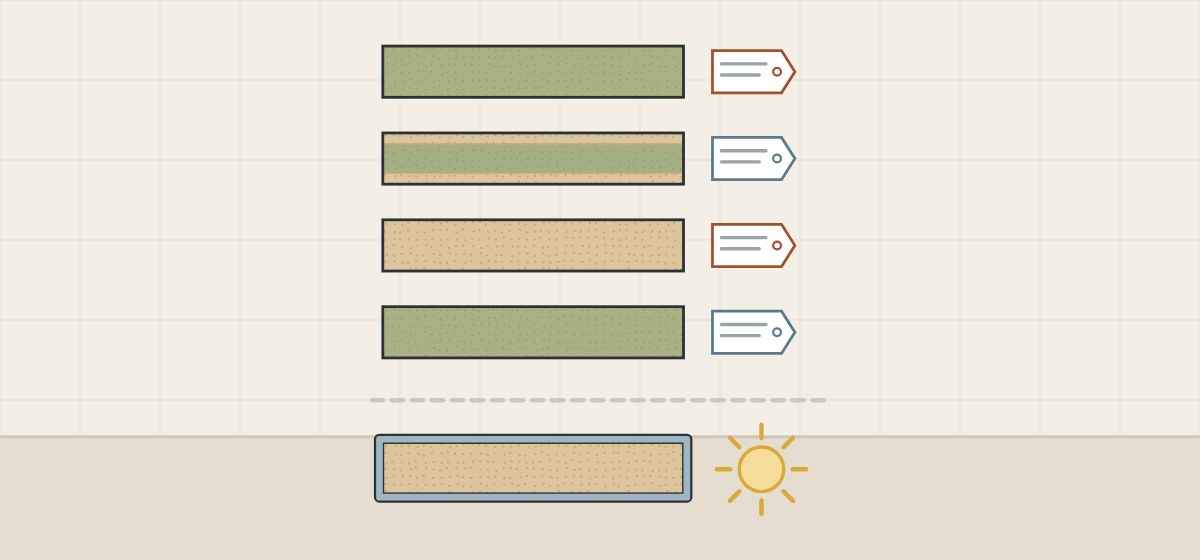
The four makers in this table describe their moisture-resistant boards for kitchens, bathrooms or other humid or high-moisture areas, and three call the board interior. The table summarizes each maker’s statement.
| Board | Designation | Maker’s stated use |
|---|---|---|
| MEDITE MR | EN 622-5, type MDF.H1 | Interior humid conditions such as kitchens and bathrooms; not external. |
| ARAUCO Trupan MR | ANSI MR10 | Interior; kitchen, bath and laboratory cabinets; high humidity and incidental moisture. |
| Roseburg Medex | Grade MR50 | Cabinetry and countertop substrate in high-moisture areas. |
| Uniboard NU Green MR50 | MR50 | Interior; kitchens and bathrooms; properties not guaranteed outdoors. |
| MEDITE EXTERIOR | A separate product | External and exposed applications; must be fully coated. |
MEDITE lists its exterior board as a separate product with its own coating condition.
Does a green core prove the board is moisture resistant?
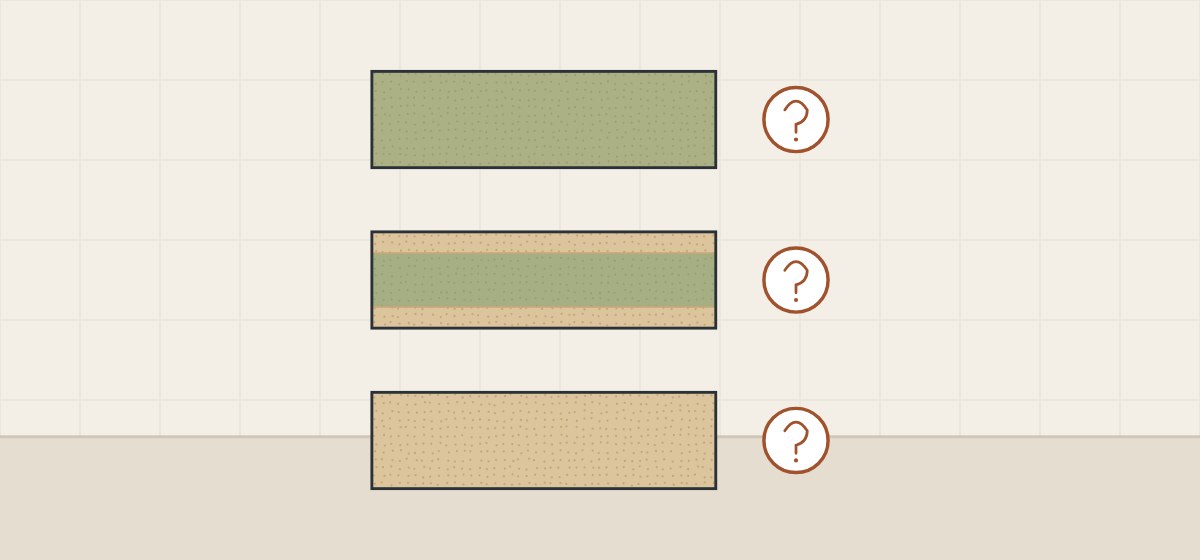
No source read here treats green color as proof of grade. MEDITE and WPIF describe the dye as follows:
What MEDITE says
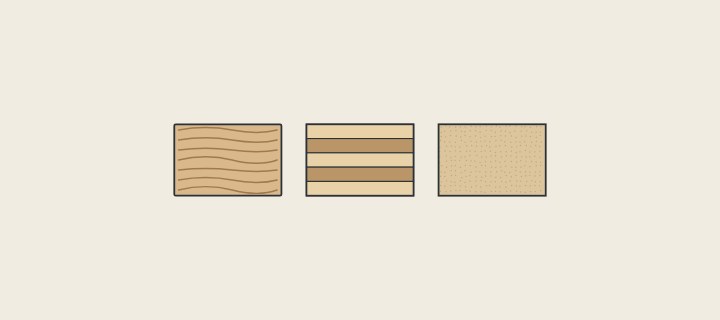
MEDITE says green dye is added to MEDITE MR for product identification and does not affect the panel’s performance. On its three-layer line only the core is dyed; on its single-layer line the dye runs through the whole cross section.
What WPIF says
Panels may be dyed for identification, for example green for enhanced moisture resistance. WPIF adds that this is not a requirement of the standard and is becoming less common.
What follows for a buyer
Color neither confirms nor rules out an MR grade. This guide suggests asking for these four items instead:
- The board maker and product name
- The grade and the standard it is made to
- The cabinet parts made from that board
- A record linking the board to the order
Why do edges, cut-outs and coating matter more than the label?
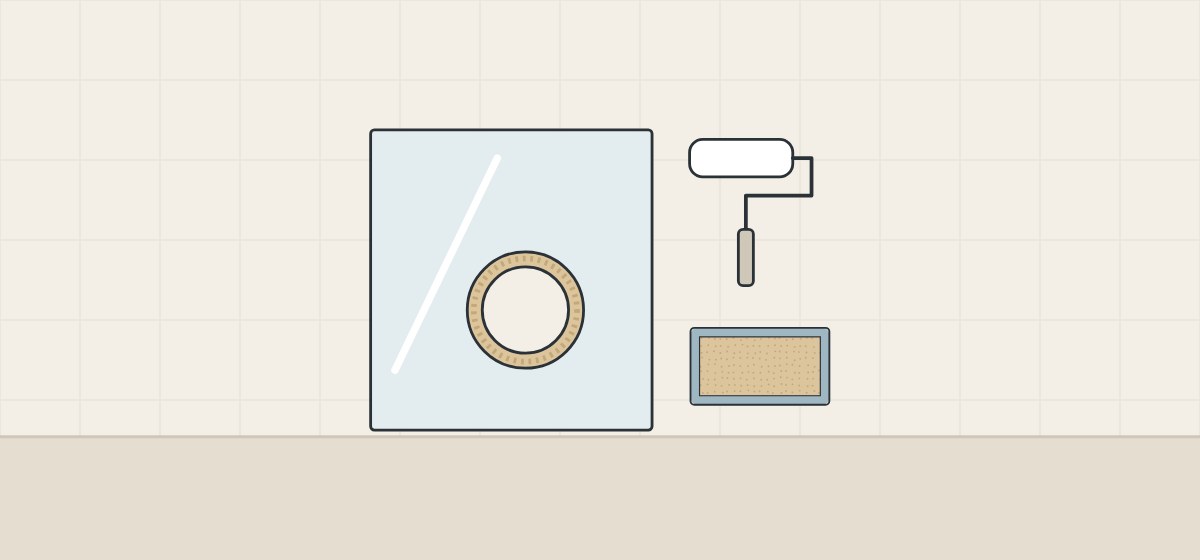
MEDITE ties use in a humid room to full sealing and coating. WPIF warns against water on an unprotected panel and gives finishing advice for edges. Four points from those two sources:
Seal and coat fully
MEDITE says MEDITE MR should be fully sealed and coated when used in interior humid conditions.
Follow the coating maker
MEDITE says most interior grade coating systems can be used, and points to the coating maker’s guidelines.
Edges need their own step
WPIF says panel edges may require sealing with shellac, polyurethane, diluted PVAC or high-solid sealers.
Coat both sides evenly
WPIF’s general painting advice is to coat both sides of a panel evenly, because uneven moisture change may distort it. For MDF, it says laminates and veneers generally need a balancing layer.
A pipe hole or hinge recess cut after coating exposes raw core. This guide suggests naming who cuts it, who seals it and who records it.
Which bathroom conditions fit an interior MR board?
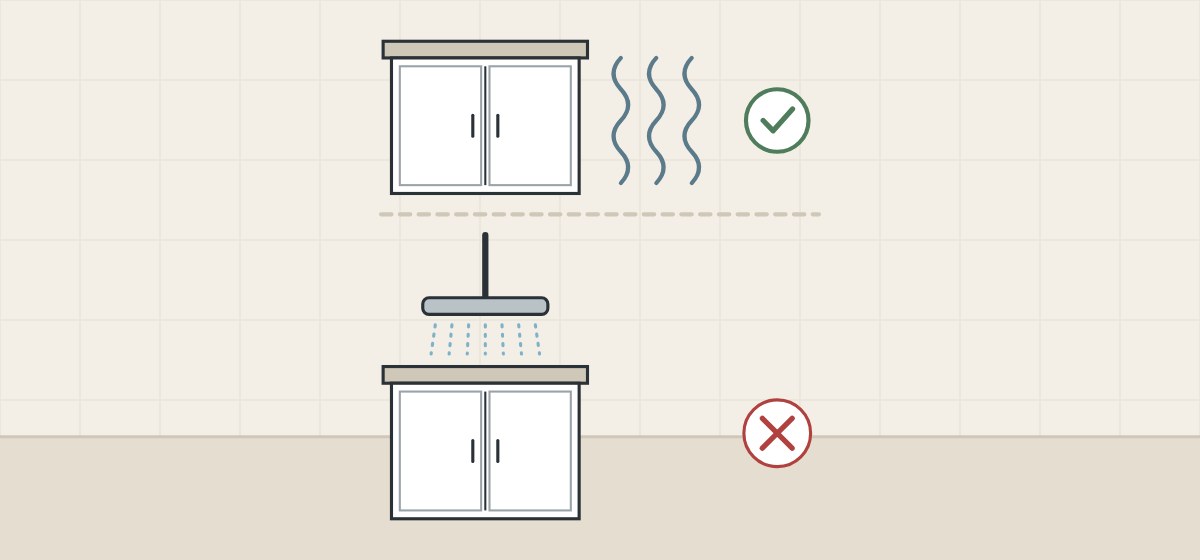
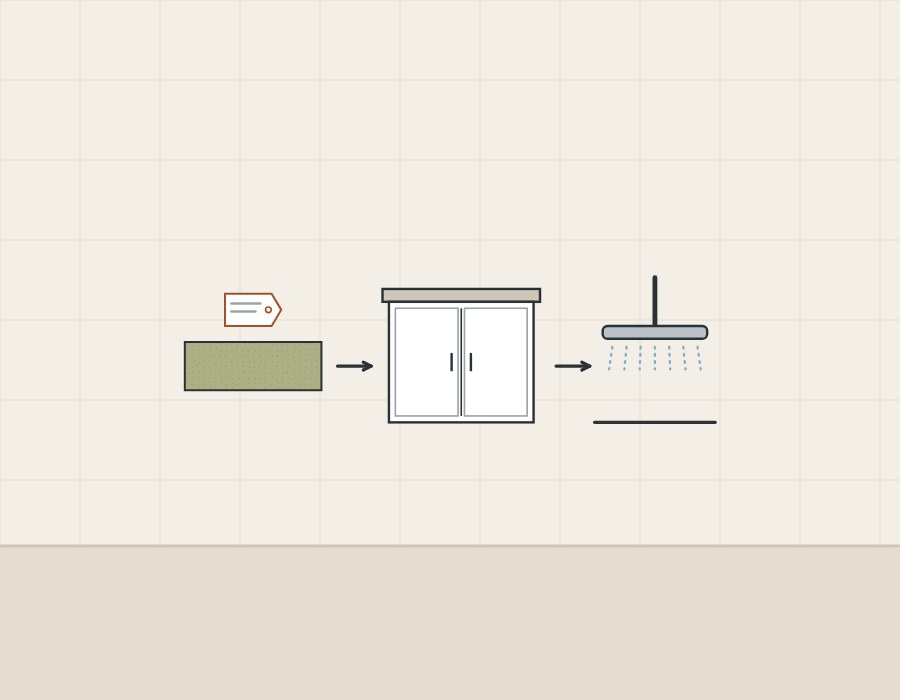
Humid air fits the interior MR boards named here; direct wetting does not, as MEDITE and WPIF state it.
| Exposure | What the source says |
|---|---|
| Humid air in kitchens and bathrooms | WPIF: humid-type MDF can tolerate it. MEDITE: MEDITE MR can be used there. |
| Incidental moisture | ARAUCO lists it among uses suited to Trupan MR. |
| Water on an unprotected panel | WPIF: direct contact should be avoided. |
| Wetting of the panel | MEDITE: should be avoided, as with all wood-based panels. |
| Outdoor use | MEDITE: not for MEDITE MR. Uniboard: properties not guaranteed. |
| Hose cleaning or standing water | No source read here supports it for an interior MR board. |
How should a buyer specify an MR MDF vanity?
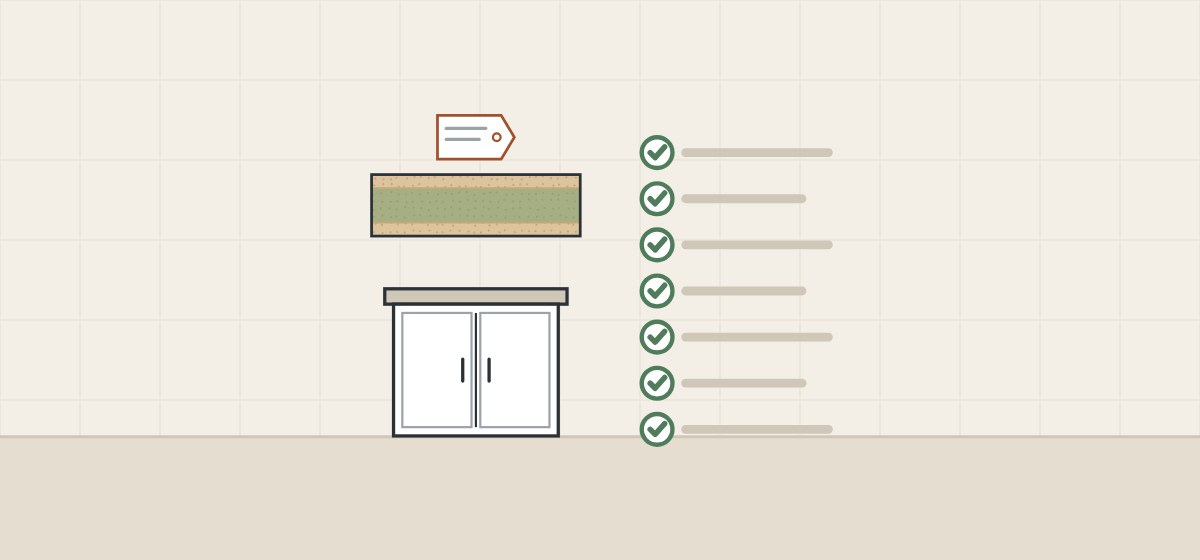
These seven steps are this guide’s own procurement guidance, not a test method.
- Name the board. Ask for maker, product name and grade, not only the letters MR.
- Name the standard and edition. MDF.H comes from BS EN 622-5; MR10 and MR50 come from ANSI A208.2.
- List the parts. Record doors, sides, back, bottom and drawer parts separately.
- Define the coating. State which faces and edges are sealed, and with what.
- Assign late cuts. Say who seals cut-outs made at the factory or on site.
- Describe the room. Separate humid air, splashing, cleaning method and possible leaks.
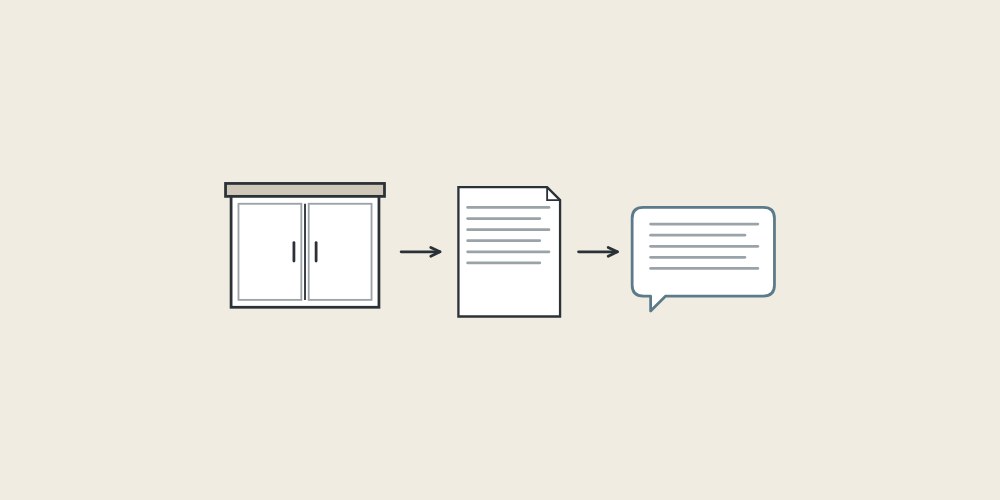
- Link evidence to the order. Match each sample or report to its part and order.
When a supplier shows a water video
A short demonstration shows the result under the conditions shown. Ask which surface was wetted, how the sample was prepared, how long it was observed and what was measured. A report for another board or a loose sample is not approval of an assembled vanity.
What should you send and ask before a quotation?
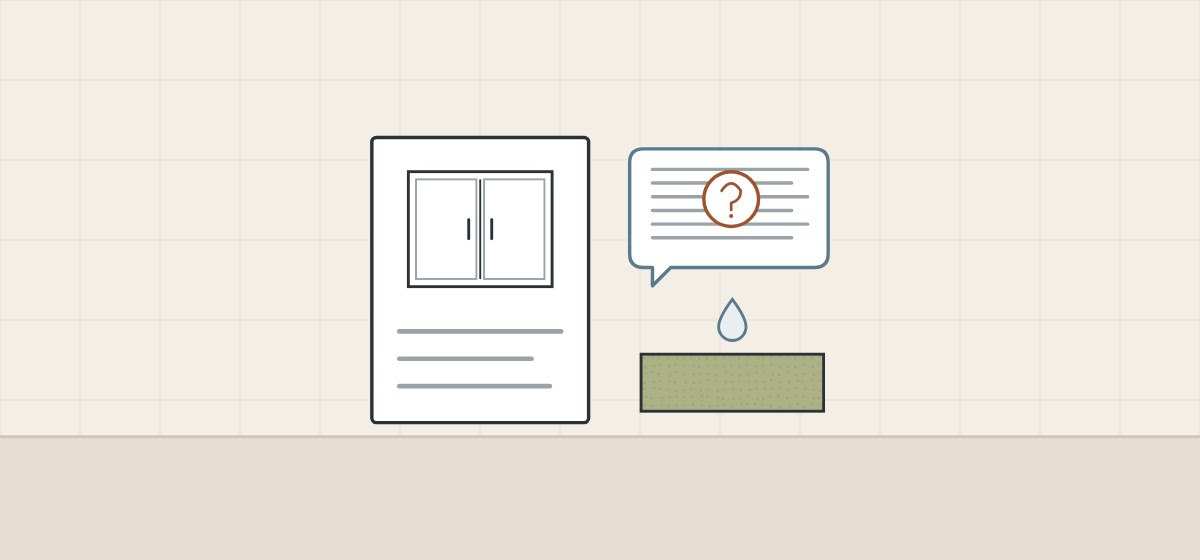
A complete request names the board, the parts, the coating and the room. The questions below are this guide’s.
| Question | Why it matters |
|---|---|
| Who makes the board, and which product is it? | Maker statements apply to named boards. |
| Which grade, standard and edition? | MR and MDF.H come from different standards. |
| Which parts use this board? | A front and a back panel may differ. |
| Are all faces and edges sealed? | MEDITE asks for full sealing. |
| Who seals cut-outs made later? | A new cut is a new edge. |
| Which exposure do you accept in writing? | Humid air and direct wetting differ. |
What this guide suggests you include
- Room layout and shower position
- Cleaning method
- Cabinet drawing with cut-outs
- Quantity and destination
WNS Global confirms any product and terms it offers separately in writing. This guide does not state that WNS Global products have the features, ratings or listings named above.