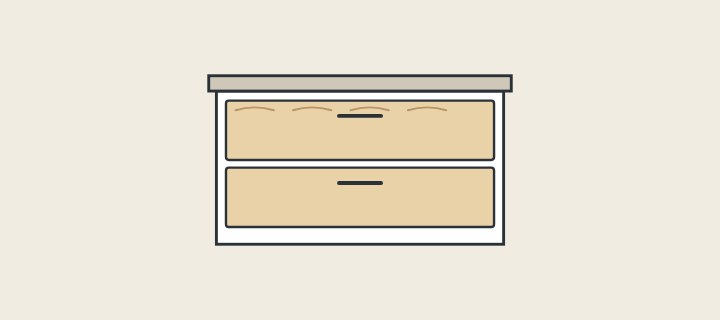
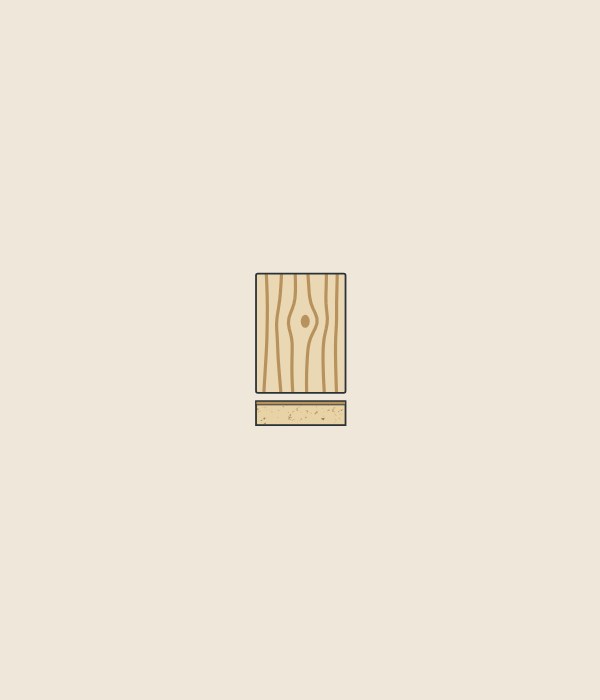
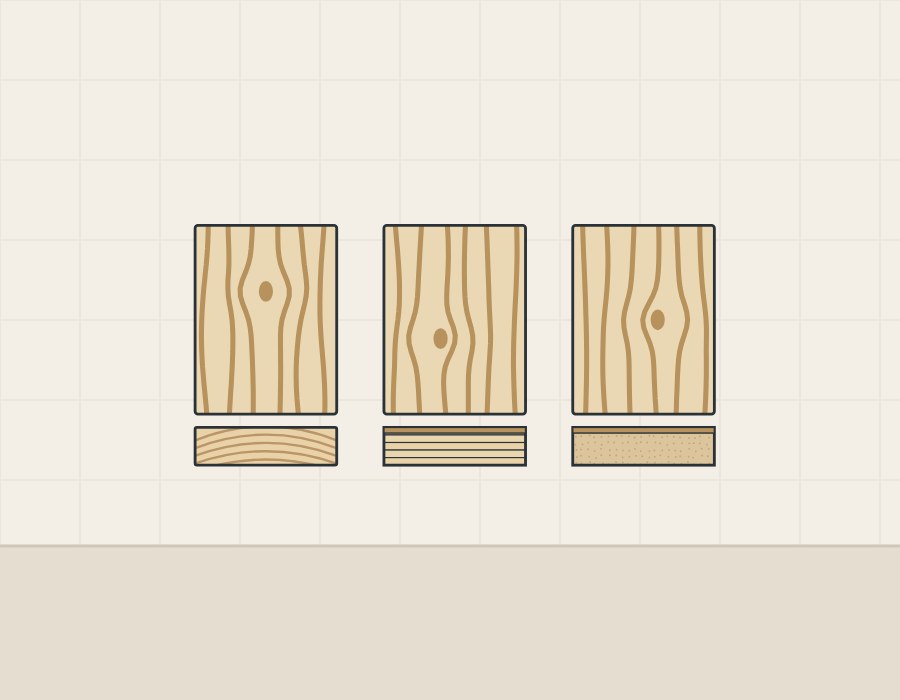
From surface to core
What can a wood-grain surface on a vanity be?
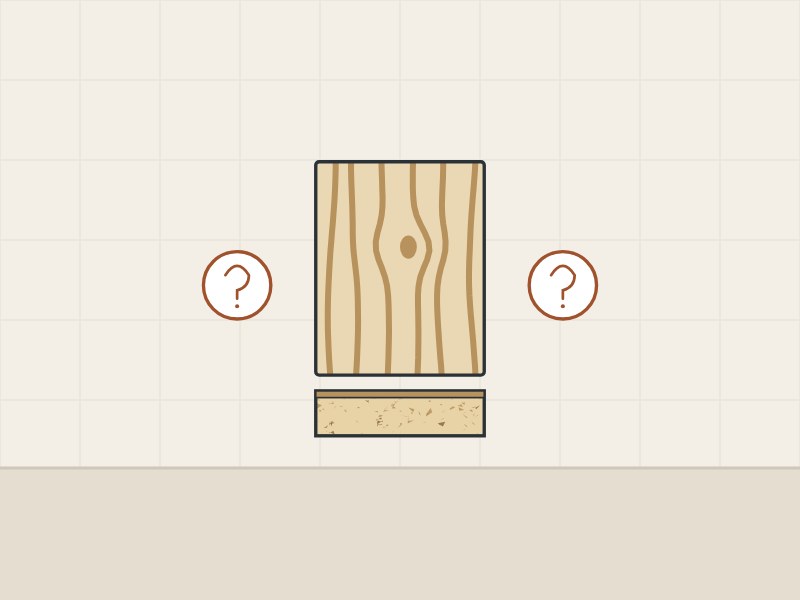
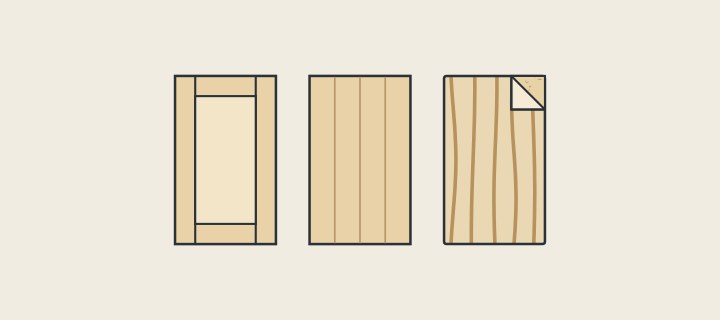
A wood-grain surface can be solid timber, a veneer on a panel, or a printed paper or foil on a panel. The Decorative Hardwoods Association (DHA) defines veneer as typically an extremely thin sheet of hardwood, usually thinner than 1/8 inch, applied to a more durable and less expensive surface.
| Surface | Source | What it says |
|---|---|---|
| Veneer | DHA | Thin hardwood sheet on another surface. |
| Light basis weight paper | CPA | Printed with high-fidelity patterns. |
| Thermally fused laminate | CPA | A decorative panel; press plates emboss wood-grain texture. |
In what order should a buyer check a solid wood claim?
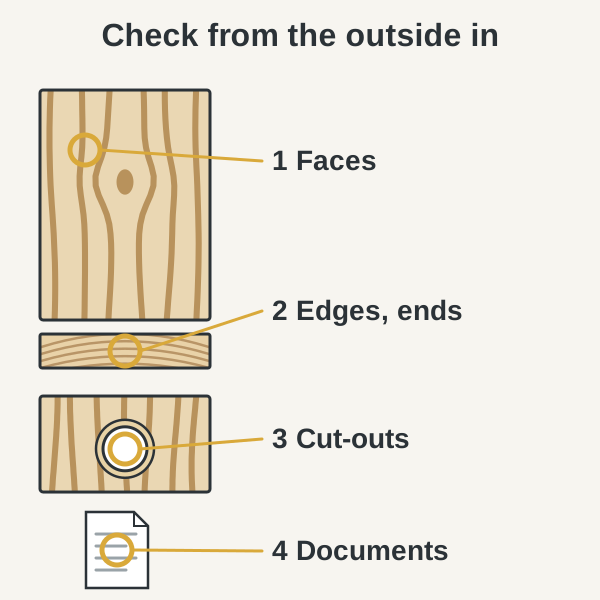
Work from the outside in: faces, then edges and ends, then openings that expose the core, then documents. This order is buying guidance; no single step settles the claim.
- Ask which parts the claim covers: fronts, frame, sides, back, bottom and drawer boxes.
- Compare the grain on several doors and drawer fronts.
- Follow the grain from each face to its edges and ends.
- Look into plumbing cut-outs, hinge bores and shelf-pin holes.
- Look at drawer-box tops and shelf edges.
- Under an opaque finish, go to cut-outs and documents.
- Agree on a cut sample and a signed component declaration.
The US EPA says composite wood products are commonly used in furniture and kitchen cabinets, so the list opens with every part.
What do edges and end grain show?
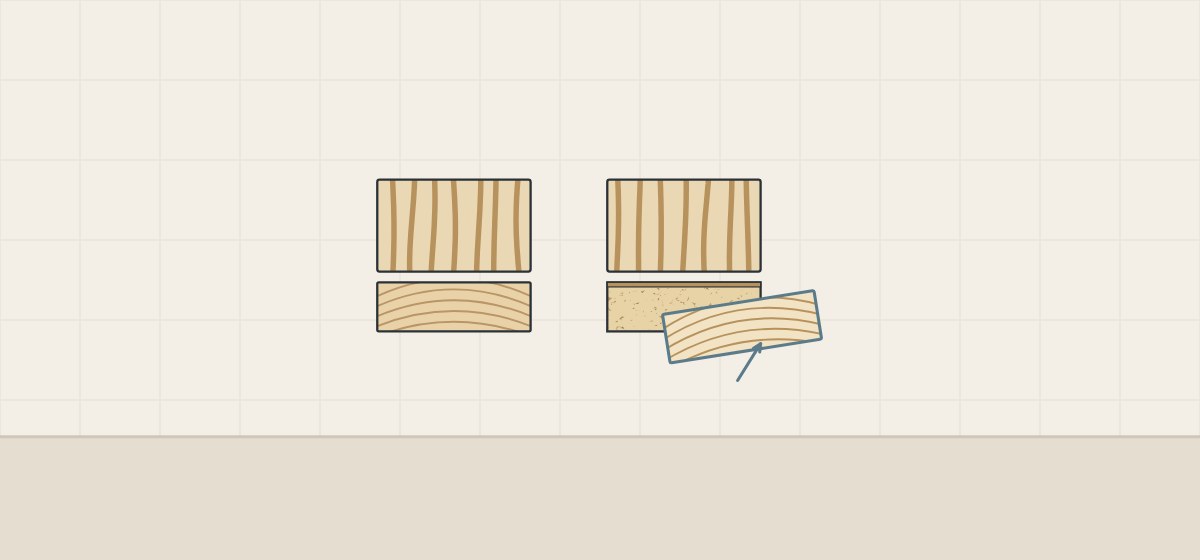
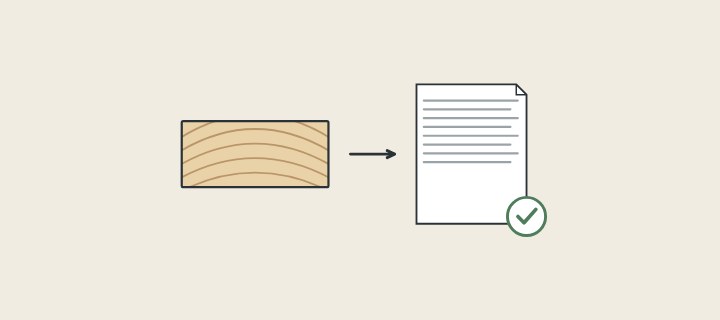
An edge or an end shows where the face layer stops, but it is not proof on its own. The Wood Handbook calls the cut across the tree the transverse plane, where the vessels of a hardwood appear as openings called pores.
| At the edge or end | Source | What it says |
|---|---|---|
| Real end grain | Wood Handbook | The transverse plane; hardwood vessels appear as pores. |
| End grain under stain | Wood Handbook | Commonly 100 times more porous than the side; absorbs much more stain. |
| End grain edge banding | EGGER | Re-creates the look of sawn timber, showing the rings of a tree cut across. |
Ask for close photographs of one edge and one end of each front and side panel. The sources used here do not describe how a veneer edge looks, so treat a thin line or band there as a reason to ask.
Does a repeating grain pattern prove a print?
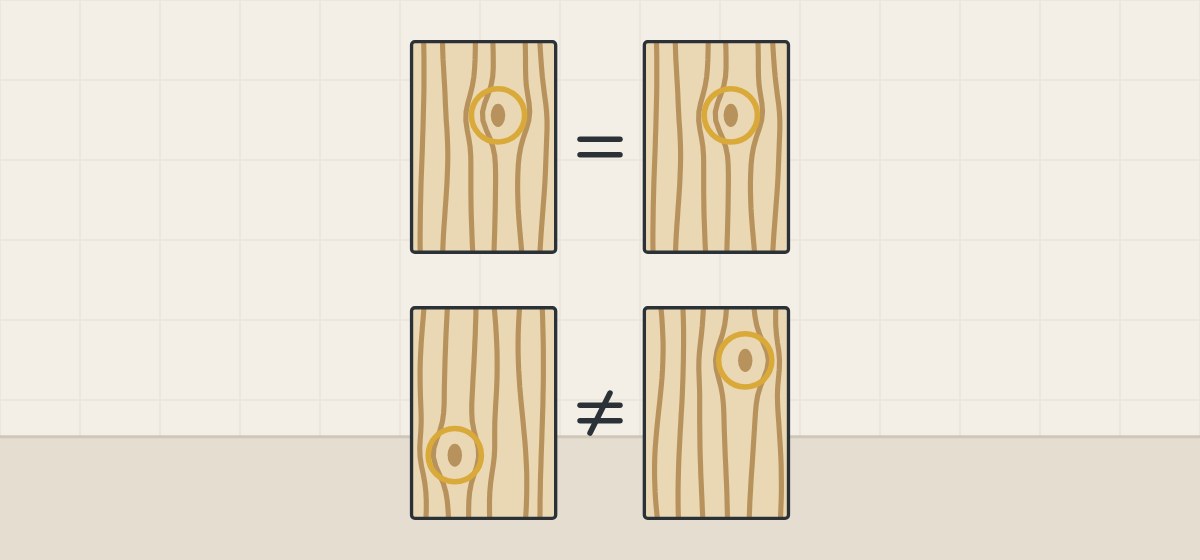
A repeat points to a print or to matched veneer; it does not say which. The Wood Handbook says wood structure varies within a tree and between trees of one species.
| Surface | Source | What it says |
|---|---|---|
| Rotogravure print | Schattdecor | Engraved cylinders; limited by cylinder dimensions. |
| Digital print | Schattdecor | Up to five meters possible without repetition. |
| Slip-matched veneer | AWS 2014 | Leaves laid in sequence without turning; the grain repeats. |
The same figure in the same place on two doors is a reason to ask. A face with no visible repeat can still be a print. AWS 2014 is the second edition of the Architectural Woodwork Standards; the Woodwork Institute now names NAAWS 5.0.
What does the core look like at a cut-out?
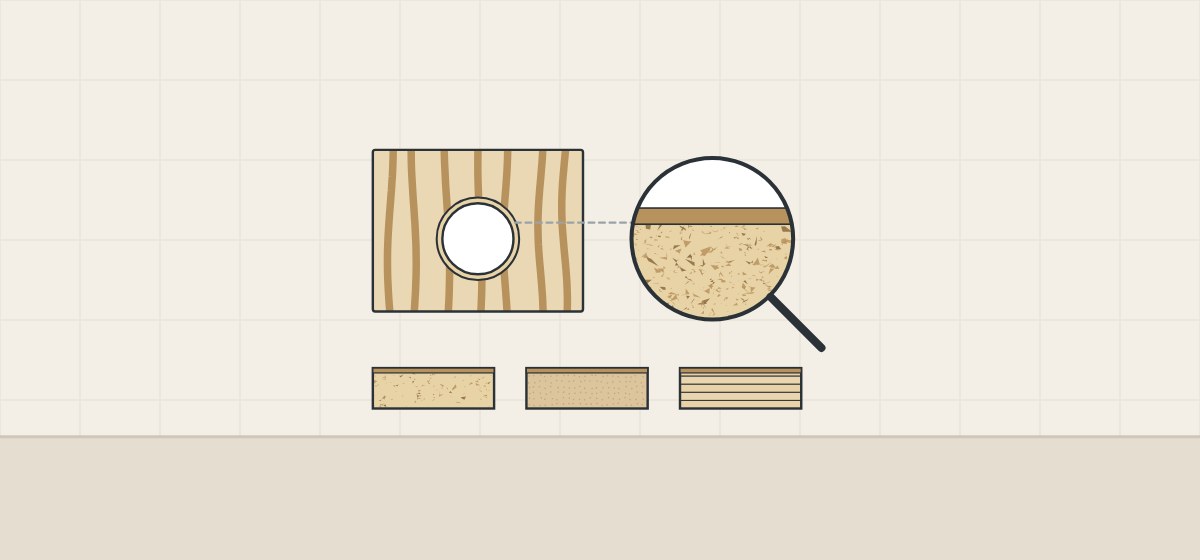
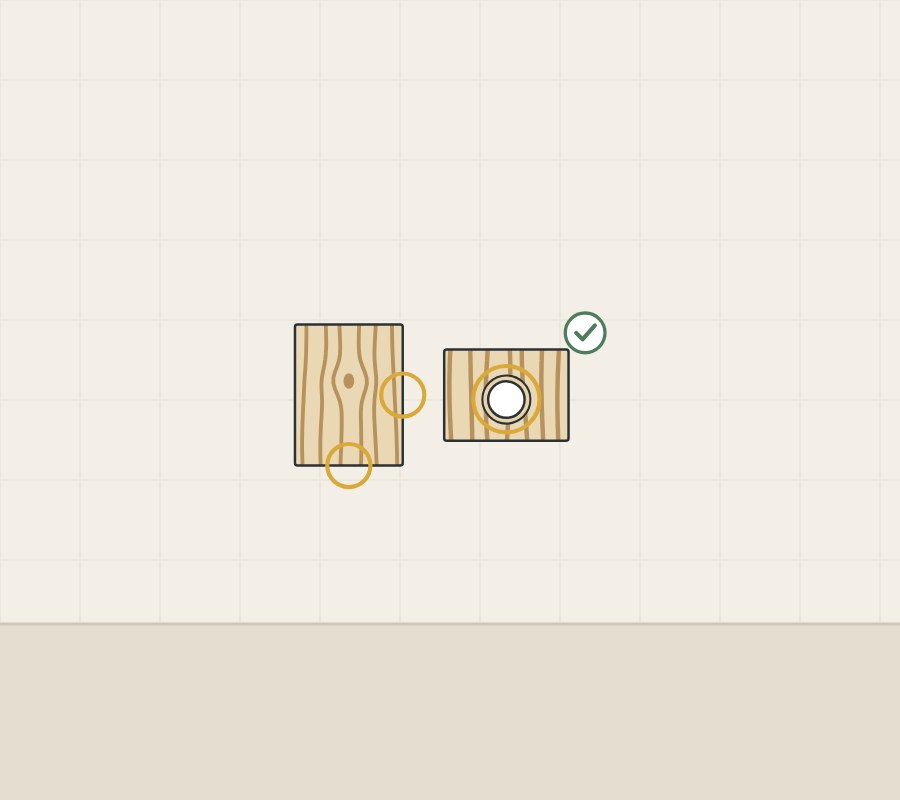
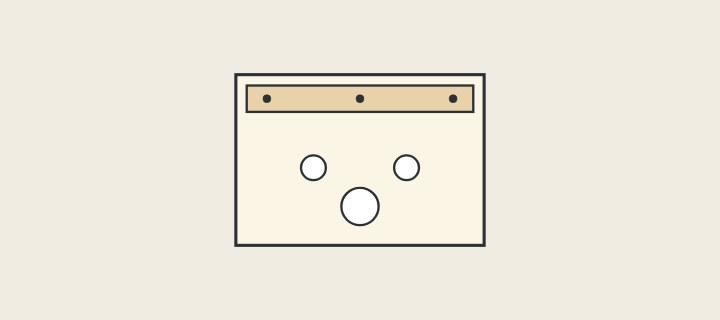
A plumbing cut-out, hinge bore or shelf-pin hole cuts through the surface layer and exposes what the part is made of. Three definitions follow; the list after them is this guide’s own and names the views to request.
Particleboard
CPA defines particleboard as cellulosic particles of various sizes bonded with a resin or binder under heat and pressure.
MDF
CPA defines MDF as cellulosic fibers combined with a resin under heat and pressure, and describes its surface as free of knots and grain patterns.
Plywood
The Wood Handbook describes plywood as veneer plies with the grain of adjacent layers at right angles.
- The edge of a plumbing cut-out
- A hinge bore, looking into the hole
- A shelf-pin hole or unfinished rear edge
- The same views on the first production unit
Which evidence should a buyer discount?
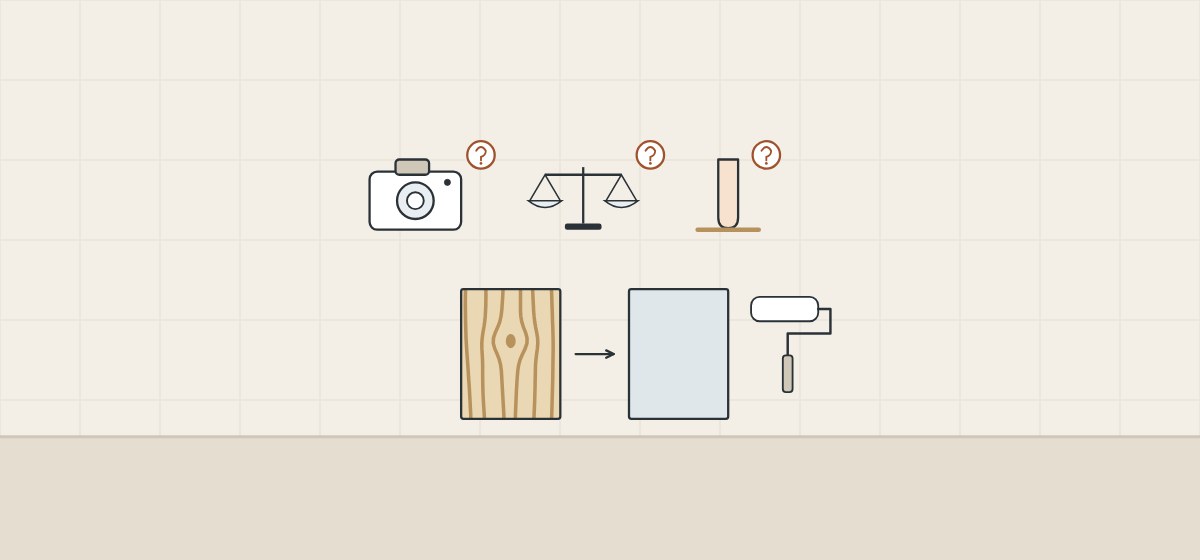
Front photographs, weight and a species named by eye are weaker than they look, and an opaque finish removes the grain checks. Four points:
Front photographs
CPA says press plates emboss laminate with textures that heighten the realism of wood grain. A front view shows no edge and no core.
Weight
The Wood Handbook puts the ovendry density of most species between about 320 and 720 kg/m³. The 2014 AWS puts medium-density particleboard generally between 640 and 800 kg/m³. The two ranges overlap.
Species by eye
The Wood Handbook says wood identification is generally accurate only to the generic (genus) level.
Opaque finish
The Wood Handbook says solid-color stains, opaque exterior finishes, obscure the natural color and grain of wood.
A photograph can still show a repeat or an exposed core.
What can each document or sample settle?
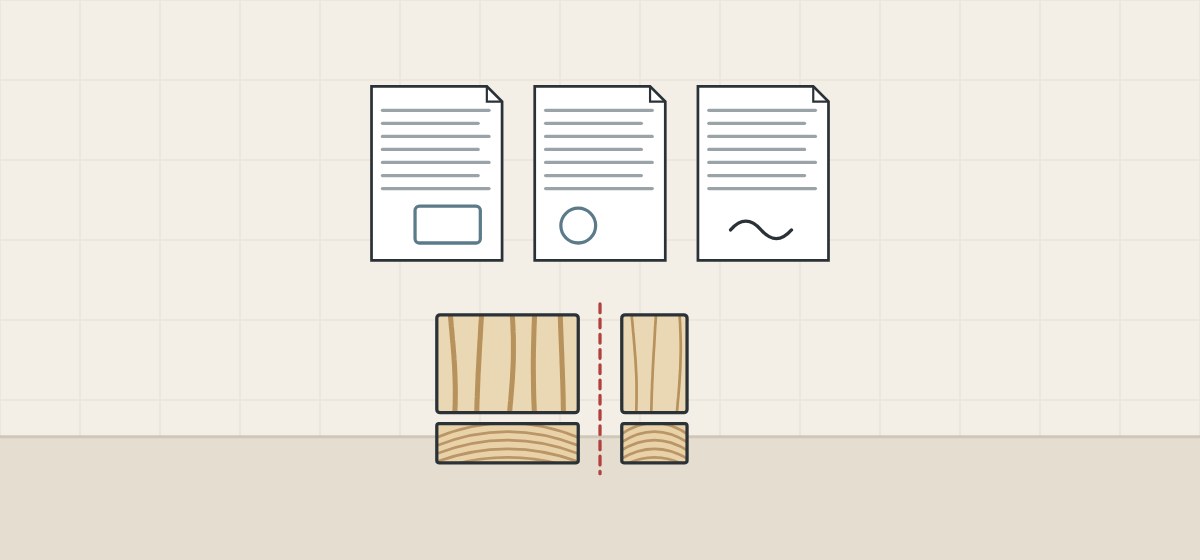
Each document or sample covers a narrow point. The first two rows are US requirements; APHIS says furniture is among the products needing Lacey Act declarations from December 1, 2024. As of January 1, 2026, APHIS says it is no longer accepting paper submissions of the PPQ 505 or 505B form; filing is through ACE or LAWGS. The other rows are buying guidance.
| Evidence | What it can show | What it leaves open |
|---|---|---|
| Lacey Act declaration (data fields as on PPQ Form 505) | Article or component, genus and species, country of harvest. | Whether a face is timber, veneer or print. |
| TSCA Title VI label | Fabricator, production month and year, compliance statement; for finished goods containing composite wood products. | Which parts are composite panel. |
| Signed component declaration | A written commitment, part by part. | Physical fact on its own. |
| Cut sample from production | The full section of that piece. | Every other unit. |
| Timber purchase invoices | That timber was bought. | That it went into these units. |
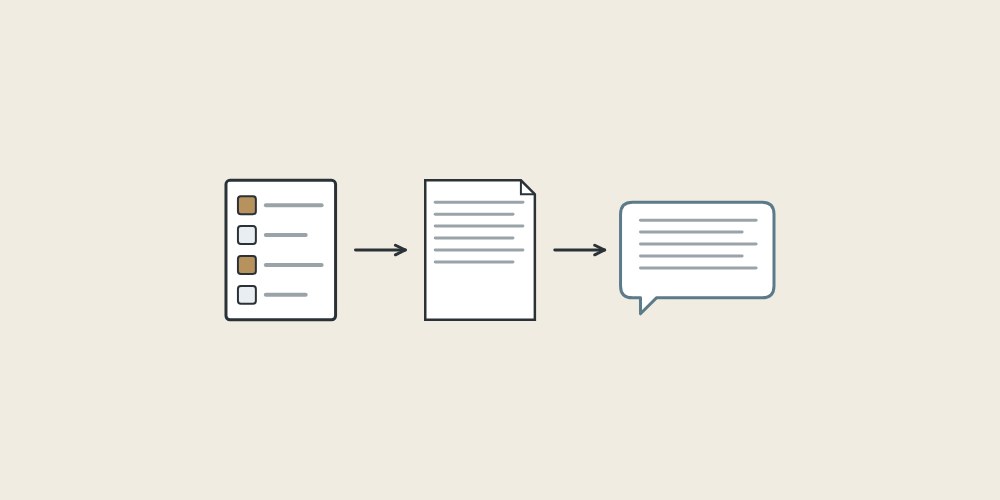
How should a buyer verify the claim on an order?
These steps are procurement guidance for a vanity order, not a test method or legal advice.
- List the parts. Those the claim covers and those it does not.
- Ask for a declaration. One line per part: solid timber, veneer or print, with the core named.
- Ask for edge and end photographs. Doors, drawer fronts and side panels.
- Ask for cut-out photographs. A cut-out, a hinge bore and a shelf-pin hole on the sample.
- Compare faces. Look for the same figure in the same place.
- Agree on a cut sample. Which piece, who pays, and from which production.
- Repeat on the first unit. Compare the same views with the sample.
When the description goes on your own listing
Describe each part as built: a solid frame with a veneered panel is not solid throughout. The FTC’s furniture guides, rescinded in 2002, had advised against using wood names for materials that only simulate wood without saying so. Confirm the wording with the authority in the destination market.
What should you send and ask before a quotation?
Ask about parts, cores, faces and edges, not only about “solid wood”. The questions and the list are this guide’s own.
| Question | Why it matters |
|---|---|
| Which parts are solid timber? | A claim may not cover panels, back or boxes. |
| What is the core of each other part? | Particleboard, MDF and plywood differ. |
| Is each grain face timber, veneer or print? | Printed surfaces are made to imitate wood. |
| What covers the panel edges? | Edge banding can imitate end grain. |
| How are veneer faces matched? | Matched leaves can repeat. |
| Can a cut sample be supplied? | A section shows the whole thickness. |
Include with your request
- Parts list and planned description
- Destination market
- Finish: clear, stained or opaque
- Quantity and sample needs
WNS Global confirms any product and terms it offers separately in writing. This guide does not state that WNS Global products are solid wood, veneered or printed, or that they have the features, labels or declarations named above.