From the look to the hardware
Are push-to-open and soft-close the same function?
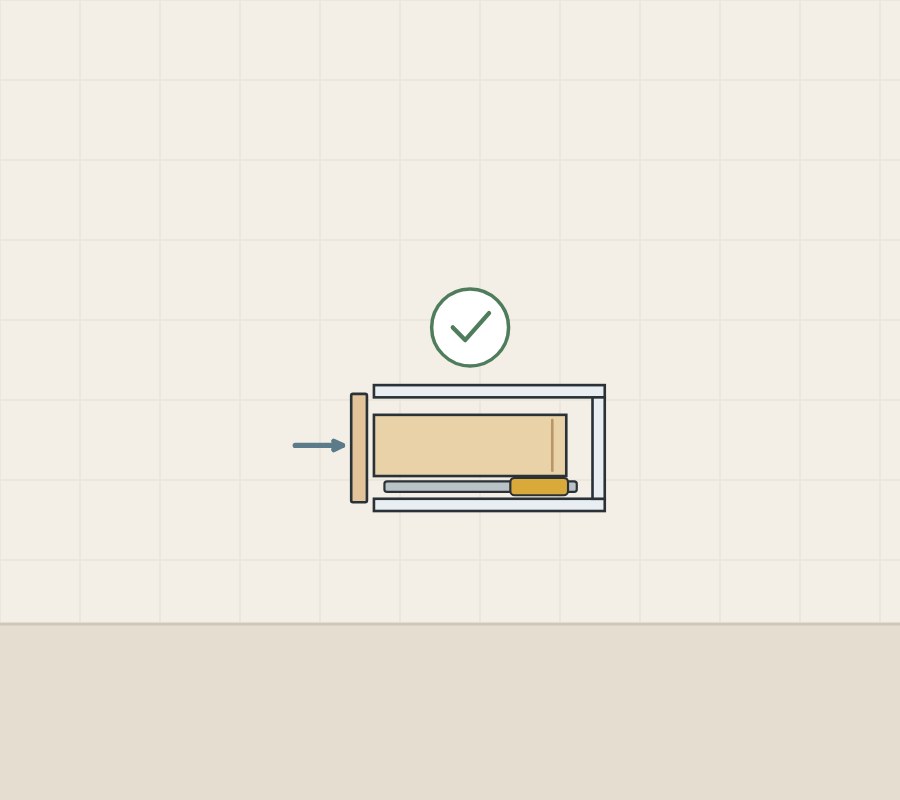
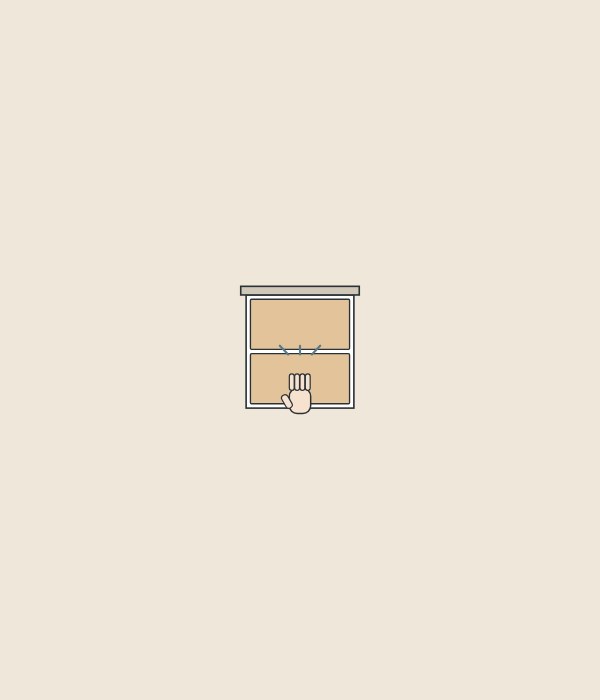
No. One releases the drawer and the other slows its closing. Accuride’s slide guide says a Touch Release slide opens a drawer without a pull: pressing the front releases a spring device that pushes the drawer out about 2 in.
The same guide describes an Easy-Close slide as having a closing device with a damping cylinder and springs that assists the final inches of closing. A Touch Release drawer, it says, is closed by pushing it in completely, which resets the device.
| Term | How the maker uses it |
|---|---|
| Touch Release | Accuride: press the front; a spring device moves the drawer out. |
| Easy-Close | Accuride: closing device with a damping cylinder and springs. |
| Self-Close | Accuride: closing device with springs, no damping cylinder; noisier. |
| TIP-ON BLUMOTION | Blum: mechanical opening support combined with soft-close. |
How does a drawer with both functions behave?
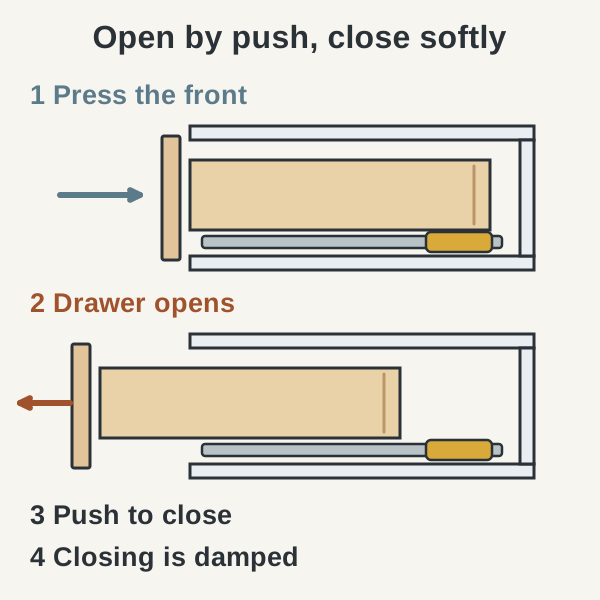
It opens when the front is pressed and closes with damping. The sequence follows Blum’s, Grass’s and Hettich’s descriptions of their own systems; it is not a mechanical design.
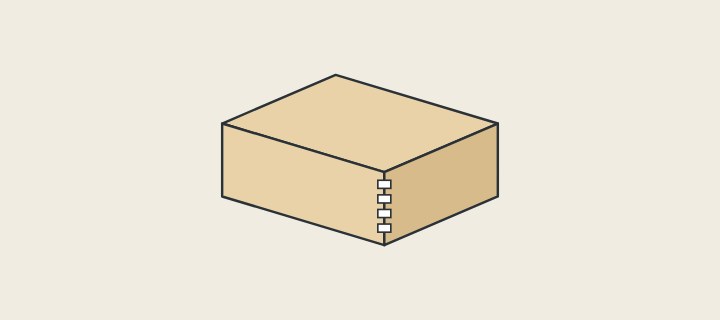
- The closed front sits a small gap in front of the cabinet.
- The user presses or taps the front.
- The drawer opens.
- To close, the user pushes the drawer in.
- The closing movement is damped.
Blum says a TIP-ON BLUMOTION drawer can also be pulled open by hand, and Hettich says the same of Push to open Silent. Hettich adds that if the drawer is pushed in too slowly, the system stores the energy to assist closure.
Which hardware systems combine push-to-open and soft-close?
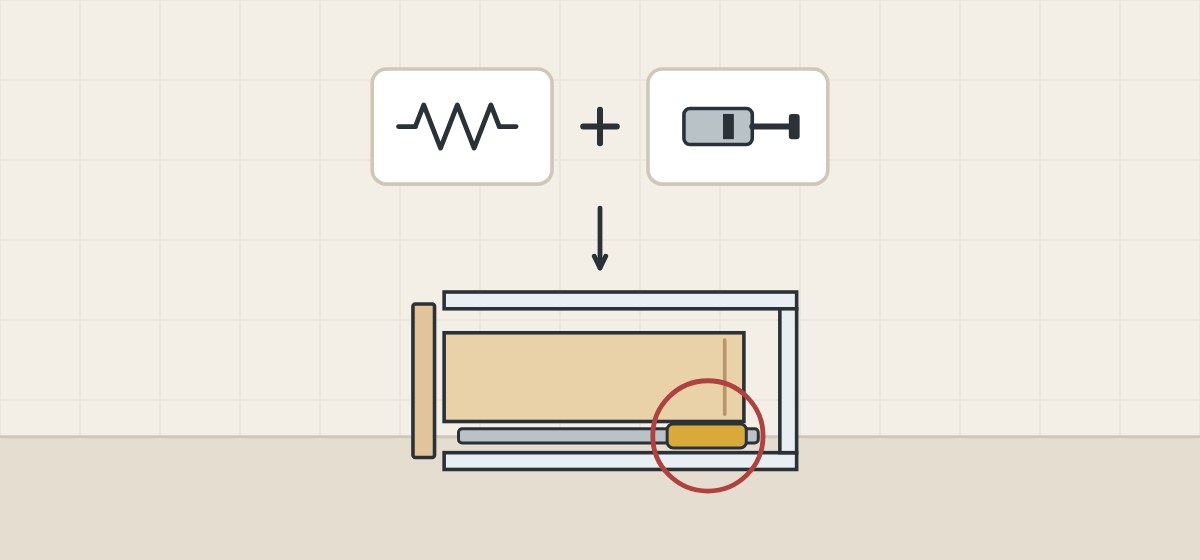
Blum, Grass and Hettich each describe a mechanical system that does both, and each lists it for its own named systems, not for any runner.
| Maker | System | Offered for |
|---|---|---|
| Blum | TIP-ON BLUMOTION | LEGRABOX, MERIVOBOX and MOVENTO. |
| Grass | Tipmatic Soft-close | Vionaro V8, Vionaro 13, Nova Pro and Dynapro. |
| Hettich | Push to open Silent | InnoTech, InnoTech Atira, ArciTech and AvanTech drawer systems; Quadro 4D and Actro 5D runners. |
Blum and Grass call their systems purely mechanical; Hettich says its system works mechanically, with no wiring.
What front gap does a push-to-open drawer need?
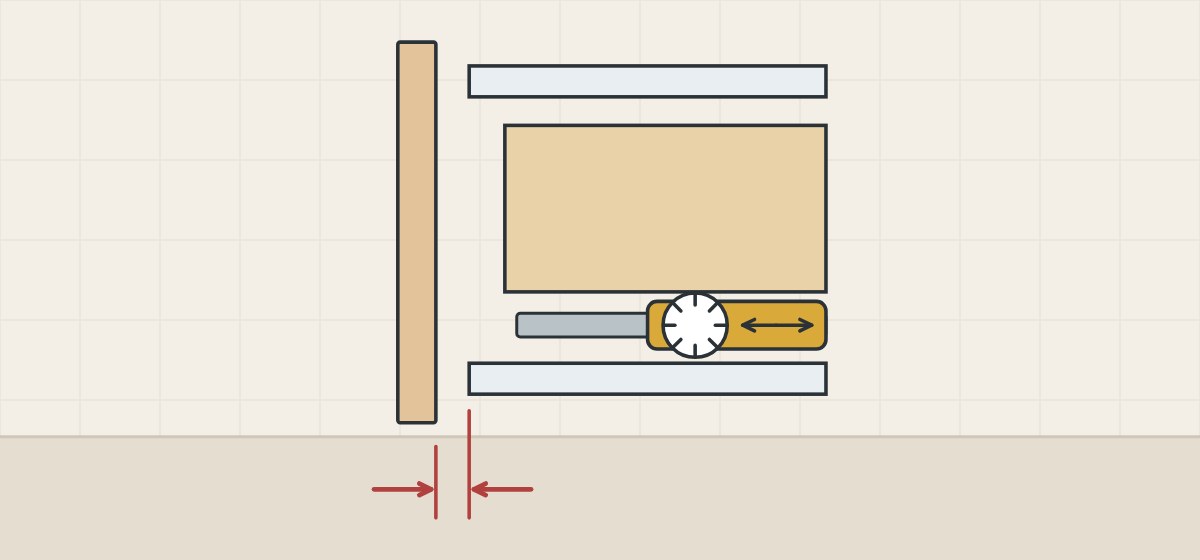
The gap is set by the named system and its document. The figures read for this guide are not all the same.
| Document | Front gap | Note |
|---|---|---|
| Blum, LEGRABOX assembly page | 2.5 mm | Set with a front gap template. |
| Blum, MOVENTO assembly page | 3.5 mm | Set with a front gap template. |
| Blum, MOVENTO data sheet | Minimum 2.5 mm | Edition TD-132/1 EN/06.22. |
| Grass, Tipmatic Soft-close | 3.5 mm | Tool-free depth adjustment, -1/+3 mm. |
| Hettich, Push to open Silent | 2.5 mm | Synchronization is optional. |
Blum’s US assembly page for MOVENTO gives 3.5 mm, while its MOVENTO data sheet and its front gap note give 2.5 mm, so ask the maker which figure applies to the parts quoted. The front gap note says the gap is set with the depth adjustment on the unit and must also measure 2.5 mm at the upper end of the front.
Do drawer weight and width change the hardware?
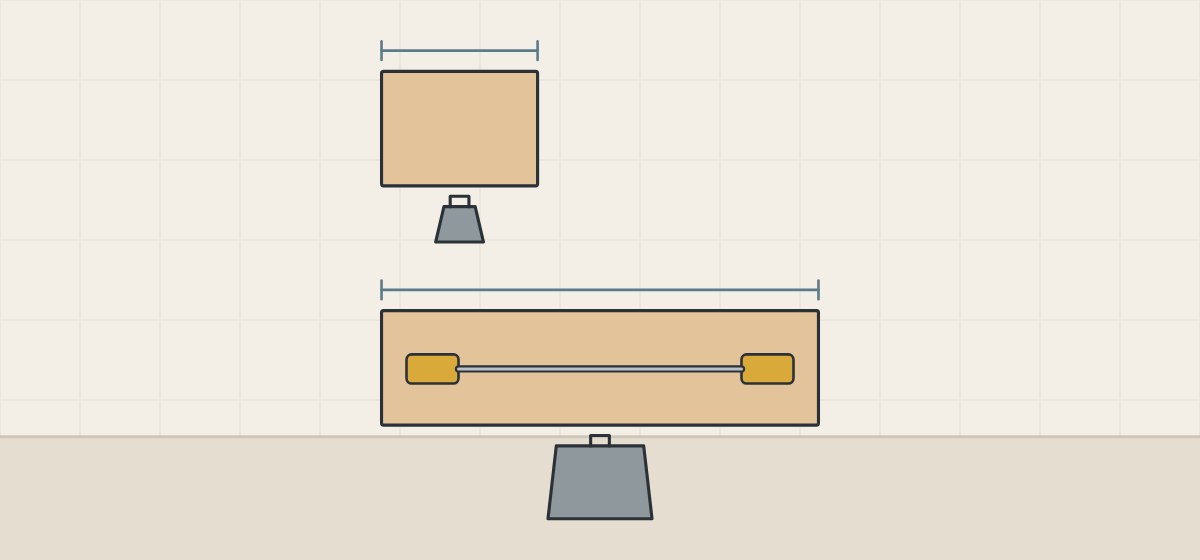
They can. Blum sorts its units by drawer weight; Grass and Hettich describe theirs differently:
Blum: units by weight
The MOVENTO data sheet lists TIP-ON BLUMOTION units by recommended weight of the whole pull-out: for nominal lengths of 350 to 750 mm, L1 up to 20 kg, L3 15 to 40 kg and L5 35 to 70 kg.
Grass: adjustable force
Grass describes one opening unit, with a 3-stage adjustable opening force, for all applications regardless of the weight and size of the front.
Hettich: weight and width
The folder says Push to open Silent performs well up to 80 kg, has optional 10 kg runners for lightweight drawers and suits cabinet widths of 275 mm and over.
Wide fronts
For TIP-ON BLUMOTION, Blum’s data sheet lists synchronization for an internal cabinet width of 265 mm or more and recommends a synchronization linkage to extend the trigger range. Hettich offers synchronization as an option; Grass says its synchronization rod is part of its series as standard. This guide suggests giving the supplier these four points:
- Front width and height
- Weight of the loaded drawer
- Drawer length
- Cabinet inside width
Does handleless always mean push-to-open?
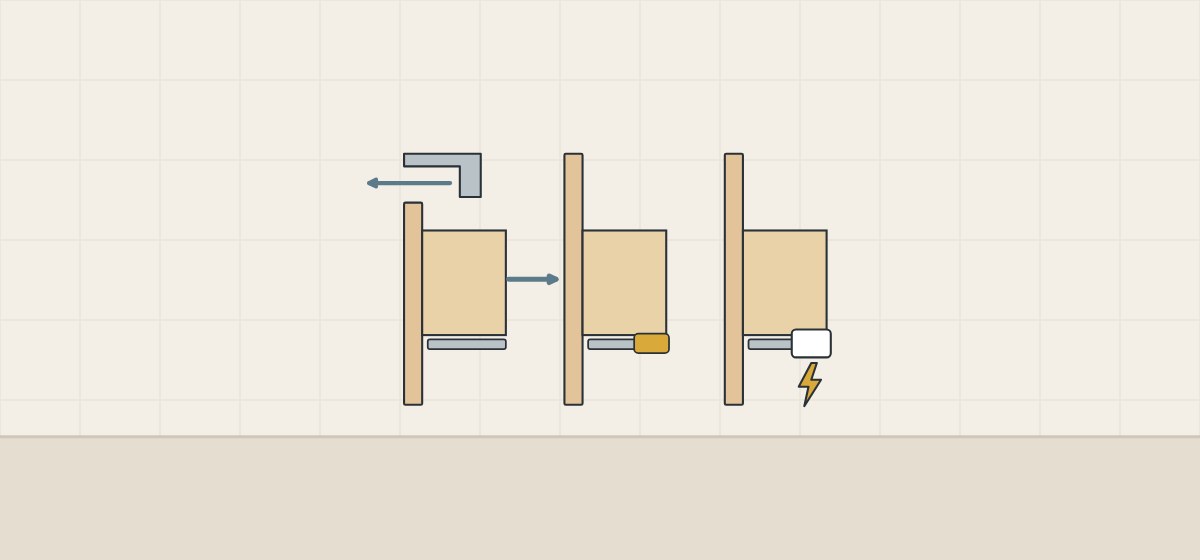
No. The sources show three ways to open a handle-free drawer front:
Grip profile
The Gola System C Plus profile handle sold by Häfele is fixed horizontally between doors and drawers; Häfele presents it as an alternative to traditional handles.
Push opening
Hettich’s drawer systems page lists Systema Top 2000 as “Soft-close with Silent System, or handleless with Push to open”. The combined systems above pair push opening with soft-close.
Electrical opening
Blum calls SERVO-DRIVE an electrical touch to open system, needing a cabinet opening width of at least 305 mm (12 in).
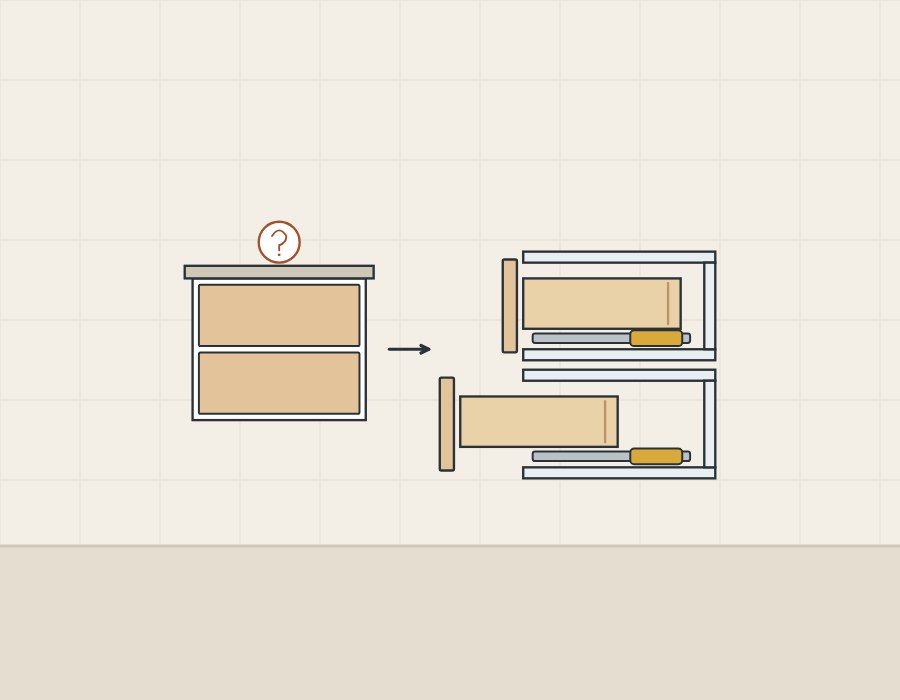
Ask the designer which action the user should perform; a photo of a flat front does not show it.
What do cabinet hardware standards cover?
They cover hardware types and tests. The summaries read for this guide do not name a combined opening and closing function, so treat a standard as a separate line from the motion you specify.
| Source | What it says |
|---|---|
| BHMA, A156.9 news page | The 2015 edition covers cabinet hardware including catches and drawer slides, with operational, cyclical, strength and finish criteria. |
| Same page | Tests are run in laboratory conditions; results vary in actual use. |
| BHMA, A156.9-2026 page | Cycle tests depend on the type of hardware; its example is 100,000 cycles for a Grade 1 hinge. |
| KCMA, A161.1 article | Doors and drawers are opened and closed 25,000 times under load, within 14 tests. |
How should a buyer specify a handleless drawer?
Write the behavior first, then the hardware. These steps are procurement guidance.
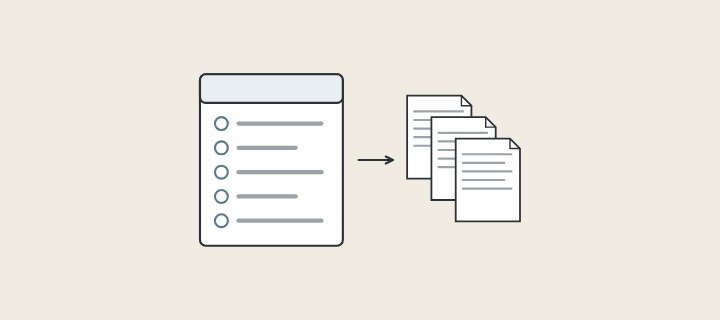
- State the opening action. Press to release, grip profile, or electrical opening.
- State the closing action. Soft-close, or another stated behavior.
- Name one system. Maker, system and drawer system or runner, with part numbers.
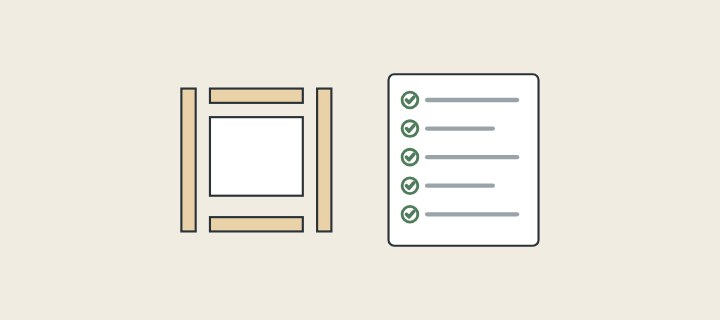
- Record the front. Width, height, weight and the front gap from that system’s document.
- Cover wide fronts. Ask about synchronizing or companion parts for wide fronts.
- Ask for the document. The assembly or data sheet for the parts quoted.
Approve a working sample
Ask the supplier to show the agreed front and hardware through a full open-and-close cycle, and note which drawer size and front were shown. If the demonstration does not match the action you asked for, correct the specification before visual approval. A finish sample is not approval of a mechanism.
What should you send and ask before a quotation?
Ask for one identified combination, and keep it intact through purchasing. The questions and the list below are this guide’s own.
| Question | Why it matters |
|---|---|
| How does the drawer open? | A handle-free front can be pressed, gripped or powered. |
| How does it close? | Accuride defines release and damped closing separately. |
| Which system and drawer system? | Each maker lists its system for its own products. |
| Which front gap applies? | The documents read here give 2.5 mm and 3.5 mm. |
| Is synchronization included? | For TIP-ON BLUMOTION on MOVENTO, Blum recommends a synchronization linkage. |
| What changes in a substitution? | A different runner may not be listed for the system. |
Include with your request
- Front arrangement and drawer sizes
- Opening and closing action required
- Expected weight of the loaded drawer
- Preferred system, if any
- Quantity per room type
Ask that every substitution proposal state which opening, closing and companion parts change. For service, record the system and part numbers and ask which parts are replaceable. WNS Global confirms any product and terms it offers separately in writing. This guide does not state that WNS Global products use any system named above or have the functions, figures or features quoted from those makers.