From tint to specification
Why does clear shower glass look green?
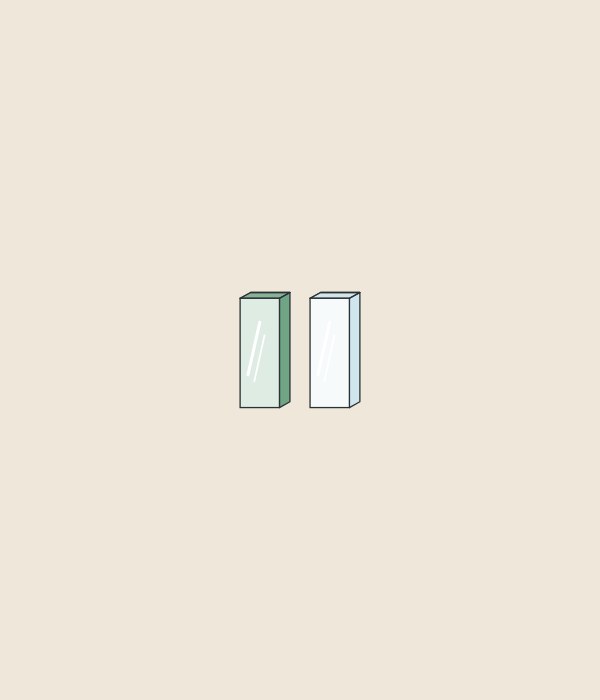
Clear glass looks green because of iron. Guardian’s float glass page says standard clear float glass has a slightly greenish appearance, particularly visible at the edges, and that the tint comes from iron in the raw materials.
Guardian adds that reducing the iron produces a more neutral glass, known as low-iron glass. The terms below name different properties.
| Term | What it means |
|---|---|
| Clear float glass | Standard float glass; slightly greenish, per Guardian. |
| Low-iron glass | Float glass with low iron content and a more neutral color, per Guardian. |
| Tempered glass | Treated glass that cannot be cut or drilled afterwards without fracture, per 16 CFR 1201.2. |
| Laminated glass | Pieces of glass bonded to a plastic interlayer, per the same section. |
| Coated shower glass | Glass sold with a surface coating; Guardian and Vitro describe theirs as fused on in manufacture. |
What changes when the iron is reduced?
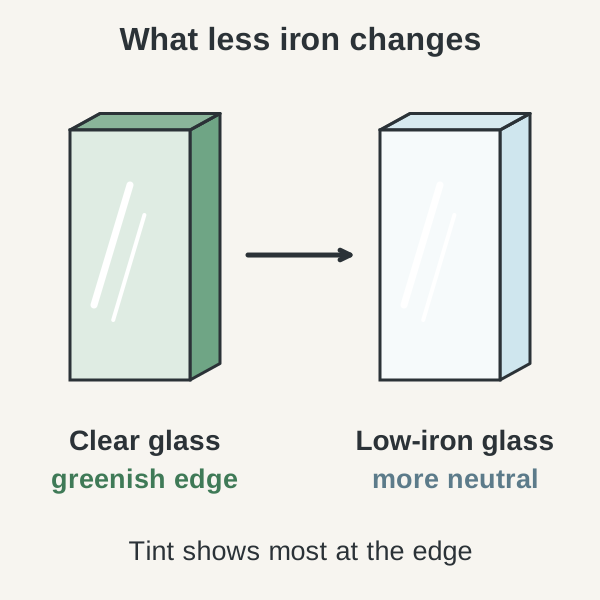
The color and the light transmission change. Each step below is the named maker’s statement; Vitro’s are from its low-iron glass page.
- Iron in the raw materials tints clear float glass slightly green (Guardian).
- The tint shows most at the edges (Guardian).
- The green tint of clear glass amplifies as thickness increases (Vitro).
- Low-iron glass has approximately a tenth of the iron of regular glass (Vitro).
- Less iron reduces the greenish tint, especially at the edges (Guardian).
- Low-iron glass transmits more light than standard glass (Guardian).
Vitro says the amplification with thickness is less pronounced in low-iron glass, not that it is absent.
How do makers describe their low-iron glass?

Each maker uses its own terms. Do not compare figures across rows.
| Maker and glass | What the maker says |
|---|---|
| Guardian UltraClear | Named by Guardian as its low-iron glass; Guardian calls low-iron glass exceptionally clear and neutral. |
| Vitro Starphire Ultra-Clear | 87% less green than standard clear glass; offered from 3.2 mm to 19 mm. |
| Pilkington Optiwhite | Practically colorless, without the green cast of other glasses; 2 to 19 mm. |
| Saint-Gobain Diamant | Lower-iron float glass than its standard Planiclear; helps remove the green tint. |
The Vitro page gives no basis for “less green”. UltraClear and Ultra-Clear are product names, so a quotation that says only “ultra clear” has not yet named a glass.
Where is the difference easiest to see?
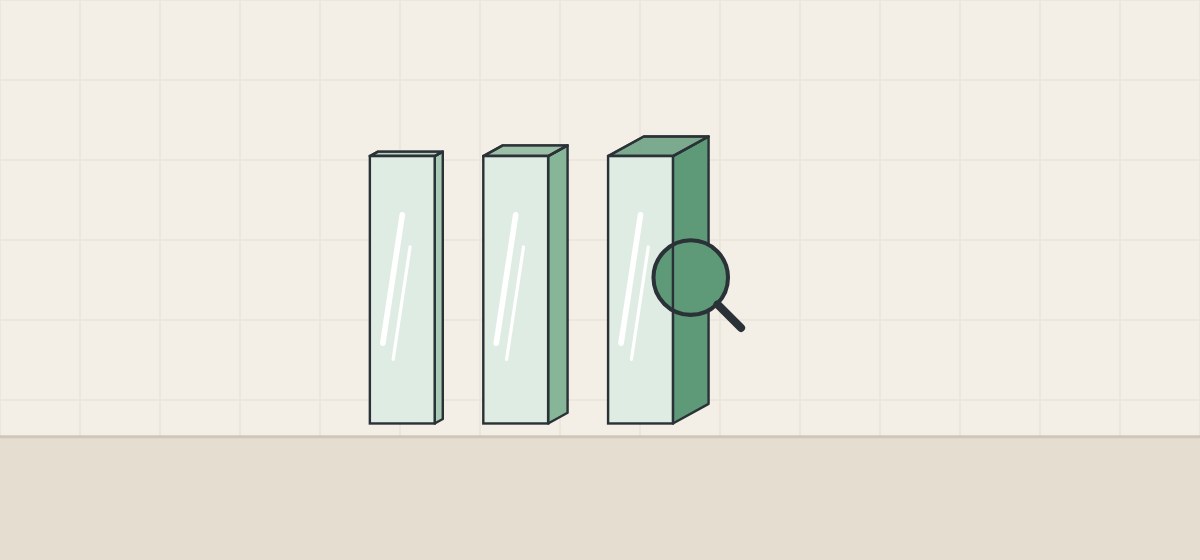
At the edge and in thicker glass, according to Guardian and Vitro.
| Where | Source | What it says |
|---|---|---|
| Glass edge | Guardian | The greenish tint is particularly visible at the edges. |
| Edge of low-iron glass | Vitro | Up to 3/4 in, low-iron glass stays clear with an azure-blue edge. |
| Thicker glass | Vitro | The green tint of clear glass amplifies with thickness. |
| Light through the glass | Vitro | Clear: 90% at 1/8 in, 83% at 3/4 in. Starphire: 91% and 90%. |
| Visible edges | Pilkington | Optiwhite suits visible edges or a neutral color. |
On Vitro’s figures, visible light transmittance differs by one point at 1/8 in and seven at 3/4 in. The table gives only these two thicknesses, and 3/4 in is about 19 mm. This guide’s reading: the choice matters most where thick glass has exposed edges.
What does “low-iron” not tell you?
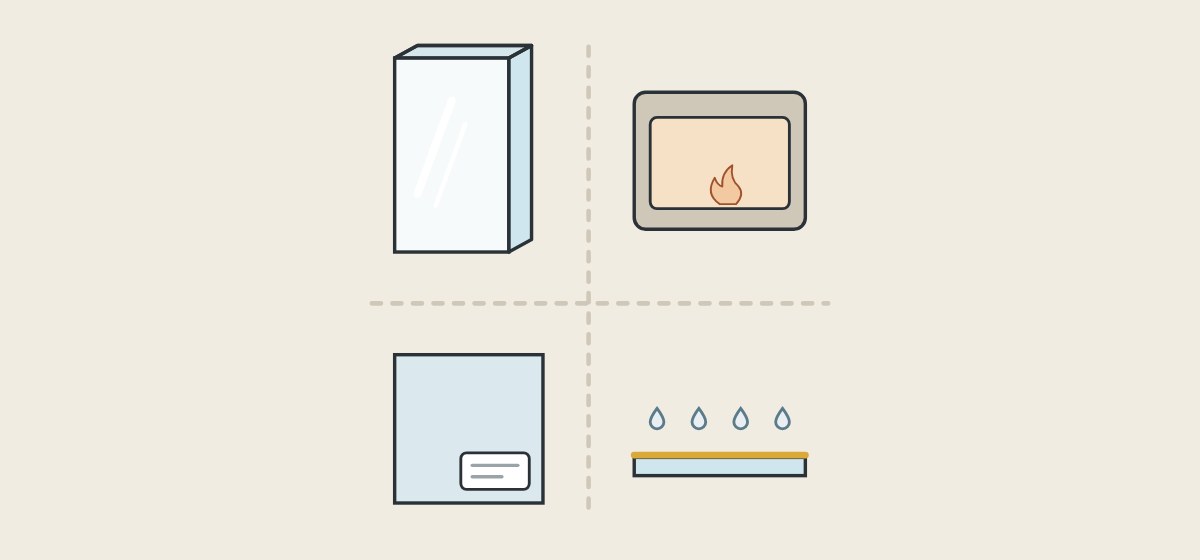
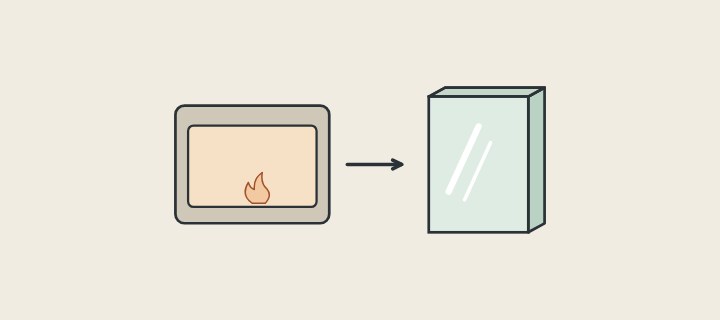
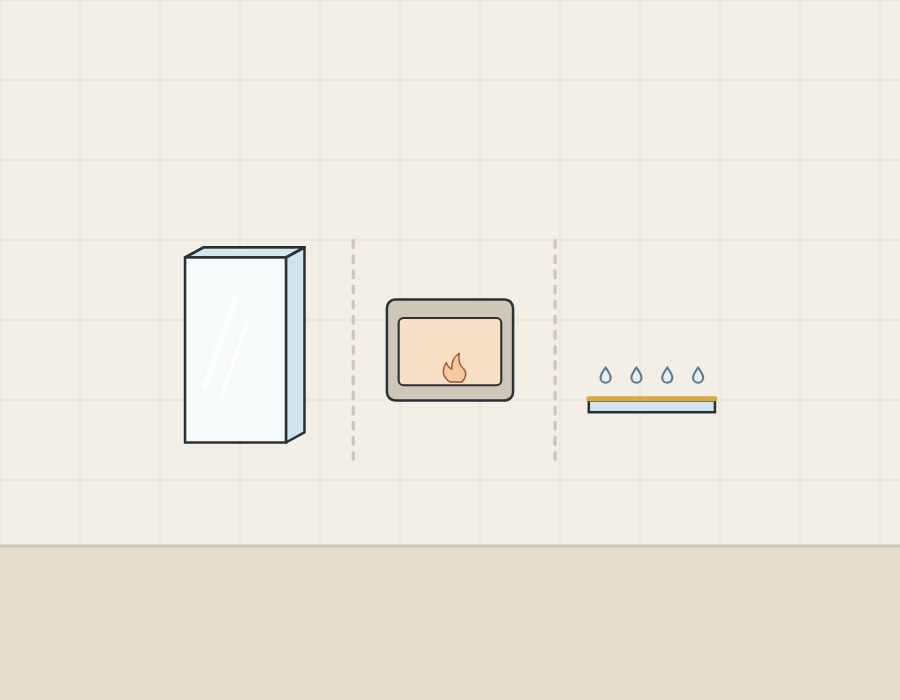
“Low-iron” does not name a heat treatment, a safety mark or a coating. Each is handled separately:
Heat treatment
Pilkington says Optiwhite can be toughened or laminated; Vitro says Starphire can be heat treated and laminated. Both describe an option.
Two ASTM specifications
The scope on ASTM’s page for C1036-25, the flat glass specification, names clear, low-iron and tinted glass. Heat-strengthened and fully tempered glass has its own specification, C1048-25.
Strength
Guardian describes strength by heat treatment: tempered glass four times stronger than annealed glass.
Processing
Guardian notes that tempering low-iron glass needs a longer furnace cycle, because it absorbs less energy.
- Base glass: maker and product name
- Heat treatment or lamination
- Safety-glazing mark and certifier
- Surface coating, if any
Is a protective coating part of low-iron glass?
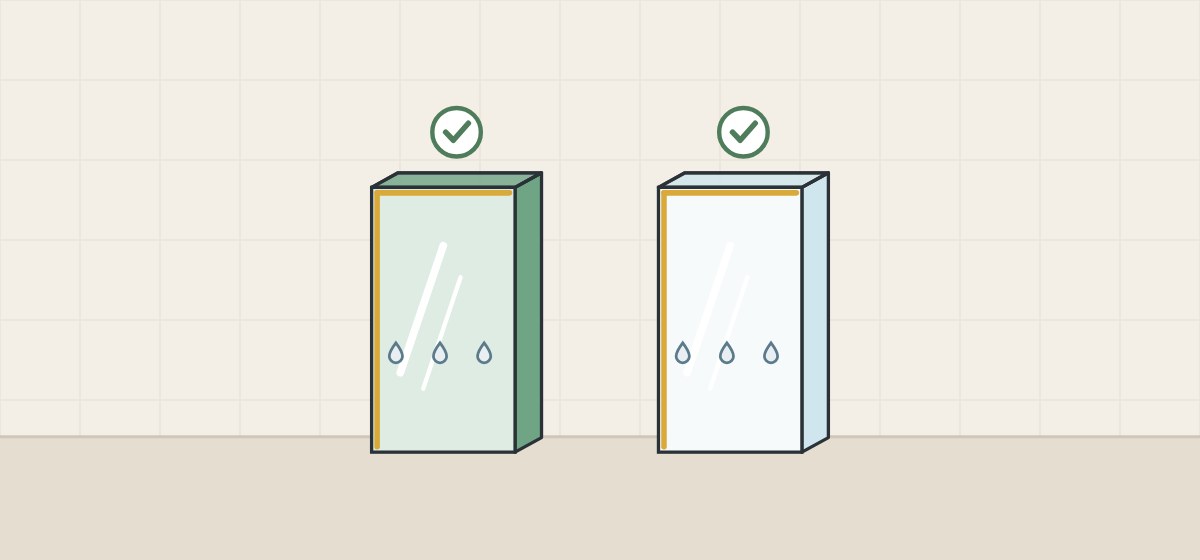
Not for the two makers below: each describes its shower coating as available on both clear and low-iron glass.
Guardian ShowerGuard
Guardian describes ShowerGuard as shower glass with a coating fused to the surface when made, offered on Guardian Clear and on UltraClear low-iron glass.
Vitro Clarvista
Vitro’s 2017 Clarvista white paper says the coating is fused to the glass surface and that Clarvista comes on conventional clear and Starphire low-iron glass.
Care
Guardian’s care page says aftermarket coatings are not necessary or recommended for ShowerGuard. Vitro’s paper says Clarvista can be cleaned with most non-abrasive off-the-shelf products.
Appearance
Writing about solar-control and similar architectural coatings, Guardian says a high-performance coating can look slightly different on low-iron glass than on standard glass, and recommends comparing samples or a real-size mock-up. This guide applies the same caution to shower coatings.
Read a quotation that names no coating as uncoated until the supplier says otherwise.
Which safety records sit beside the color choice?

Safety-glazing and labeling records are separate from color. These are United States sources; elsewhere, confirm with the local authority.
| Source | What it says |
|---|---|
| 16 CFR 1201.1 | Sets safety requirements for glazing materials in shower doors and enclosures. |
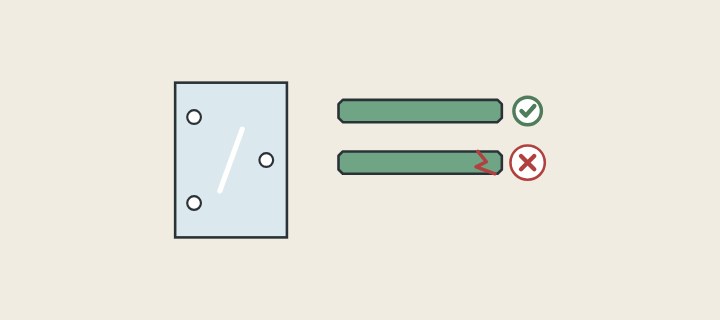
| ASTM C1048-25 abstract | Fabrication such as cutting, edgework, drilled holes and notching shall be performed before strengthening or tempering. |
| NGA FB11-06 | Reports a building-code rule: a tempered-glass label is acid etched, sand blasted, ceramic fired, laser etched, embossed or not removable without destroying it (spandrel glass excepted). NGA states this for glazing not intended for hazardous locations and adds that safety glazing in hazardous locations must comply with both sets of labeling requirements; ask which mark each shower panel carries. |
| SGCC | Keeps a searchable listing of SGCC-certified safety glazing products. |
How should a buyer compare and specify the glass?

Compare real samples under the same conditions, then write color, treatment and coating as separate lines.
- State the look you want. A neutral edge, true wall colors behind the glass, or a match with existing glass.
- Name the base glass. Ask for the maker and product name, not only “low-iron” or “ultra clear”.
- Ask for samples at the order thickness. Vitro says tint amplifies with thickness; a thin sample may understate it.
- Look at the edge and the face. Guardian says the tint shows most at the edge; a front-on photo may miss it.
- Keep the conditions the same. Same background, same light, labeled samples, no photo editing.
- Sample the coating too. Guardian recommends samples for high-performance coatings on low-iron glass; this guide extends that to shower coatings.
- Keep the approved sample. Record it as the color reference for the order.
Matching existing glass
The sources used here do not compare low-iron glass between makers. To match installed panels, send the original maker and product name and approve a sample beside the old glass.
What should you send and ask before a quotation?

Ask one question per property, so that color, treatment, marking and coating each get an answer.
| Question | Why it matters |
|---|---|
| Which maker’s base glass is offered? | “Ultra clear” can be a product name. |
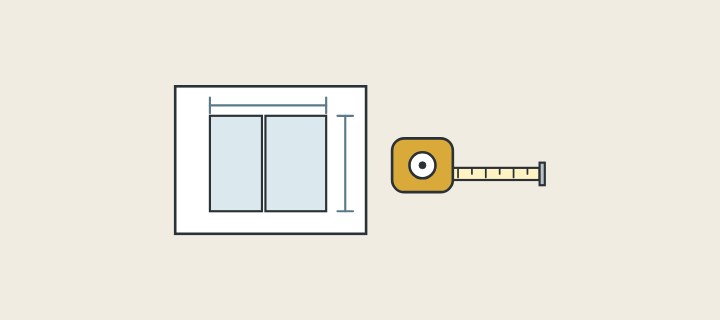
| What thickness, and are edges exposed? | Tint shows at edges and in thick glass. |
| Which heat treatment or lamination? | Low-iron does not state one. |
| Which permanent mark is on each panel? | Safety records are separate from color. |
| Is a coating included, and which? | Guardian and Vitro each offer a shower coating on clear and on low-iron glass. |
| Can samples show face and edge? | Approval needs both views. |
Include with your request
- Project location and market
- Enclosure type and panel sizes
- Glass thickness and edge exposure
- The look you want to achieve
- Coating and care requirements
WNS Global confirms any offered glass, treatment, coating and commercial terms separately in writing. This guide does not state that WNS Global products use any glass named above or have any of the named features, ratings or listings.