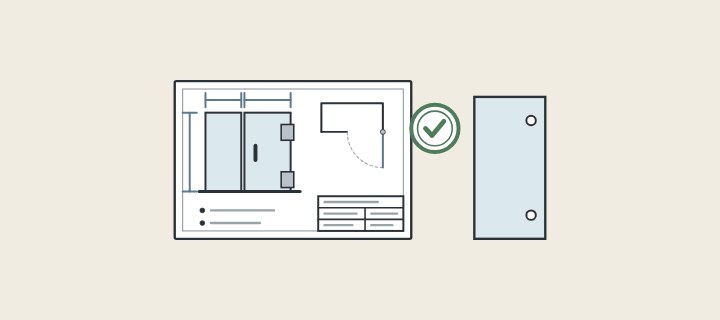
From kit list to packing list
What is a hardware kit for a shower enclosure?
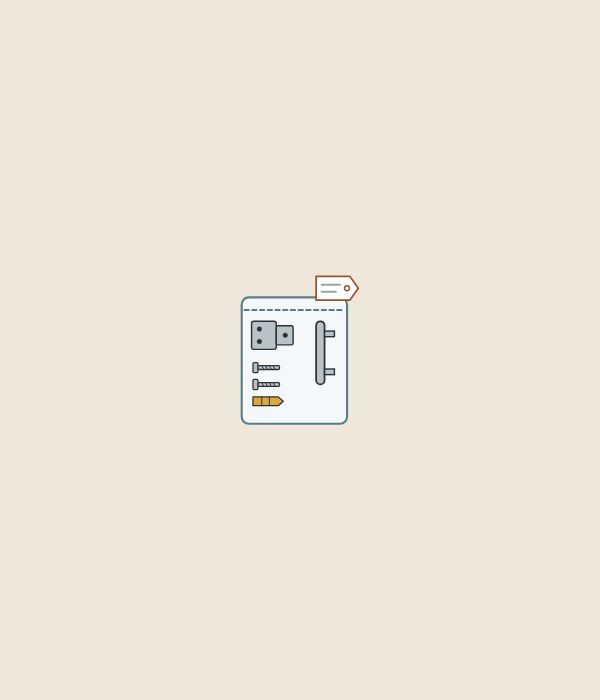
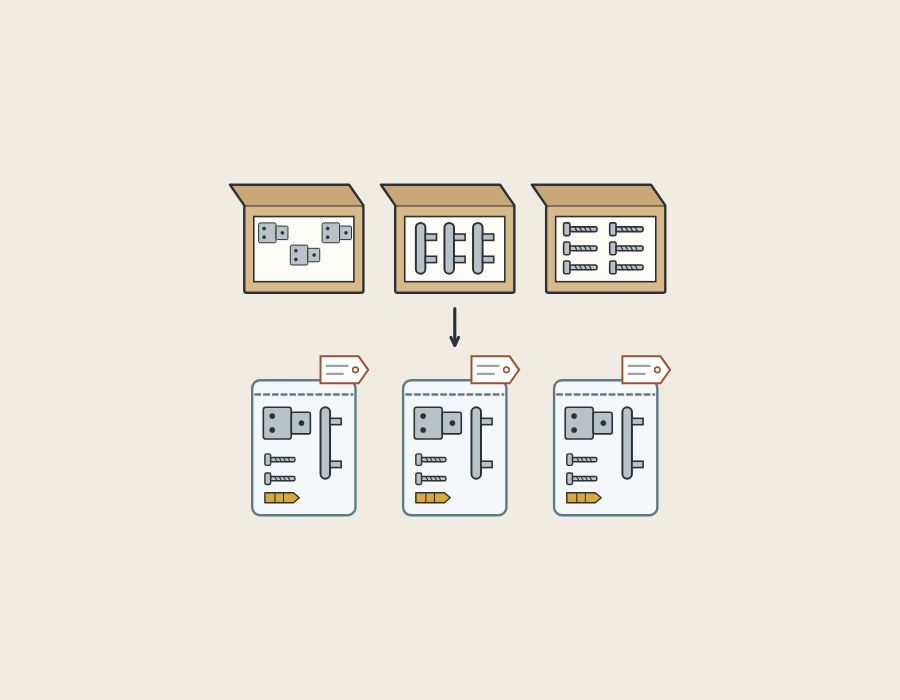
A hardware kit is every non-glass part one enclosure needs, packed together for one opening. No source used here prescribes kitting per enclosure; it is this guide’s recommendation. Hardware packed by part type leaves the installer sorting and counting on site.
The NGA manual describes the main hardware groups, and says door width and weight limits are typically set by the maker of the chosen hardware.
| Hardware group | What the NGA manual says |
|---|---|
| Hinges | Typically solid brass or stainless steel. |
| Pivot hinges | Mounted at the top and bottom of the door, not on its vertical edge. |
| Clamps | Glass brackets, also called clamps or clips; typically solid brass. |
| Seals and sweeps | Extruded polycarbonate; self-adhesive or slip-over. |
How should hardware be kitted before packing?
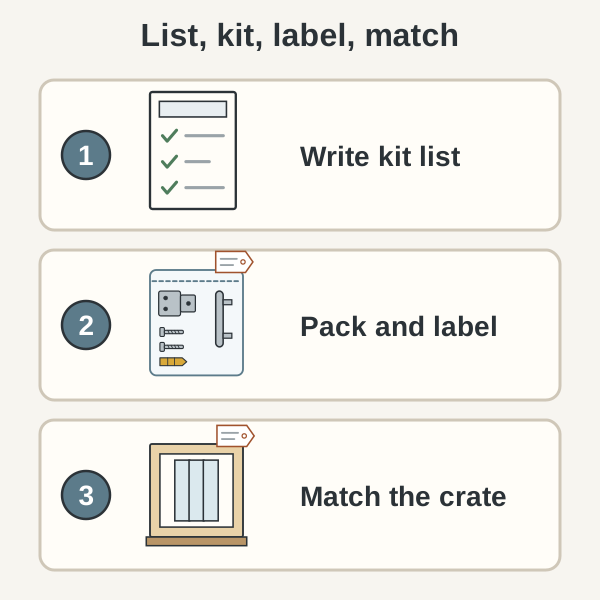
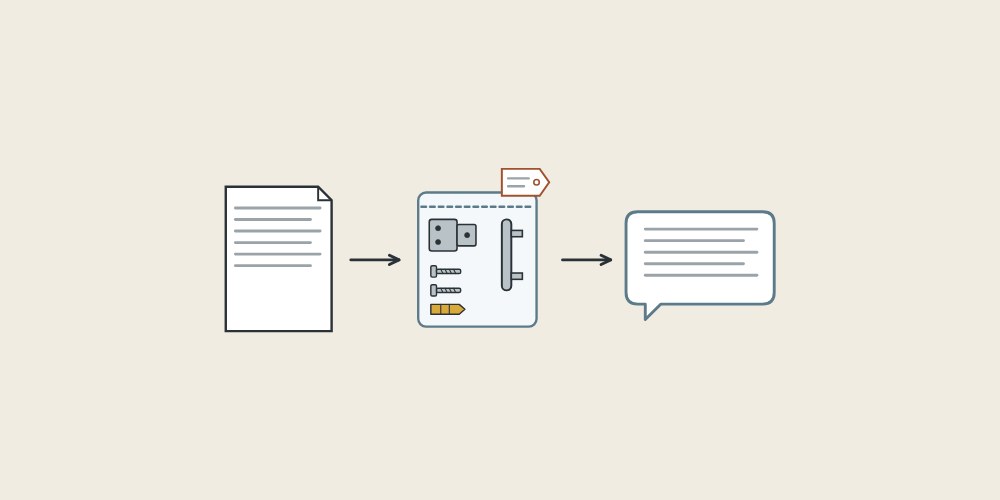
Kit from a written list, check each kit against it, then label and count. The diagram shows three stages; the six steps below are this guide’s recommended practice, not a published standard.
- Write one kit list for each enclosure configuration.
- Pack one kit per enclosure from that list.
- Check handing and finish before the kit is sealed.
- Label the kit to match its glass and room.
- Add the agreed spares as a separate, labeled bag.
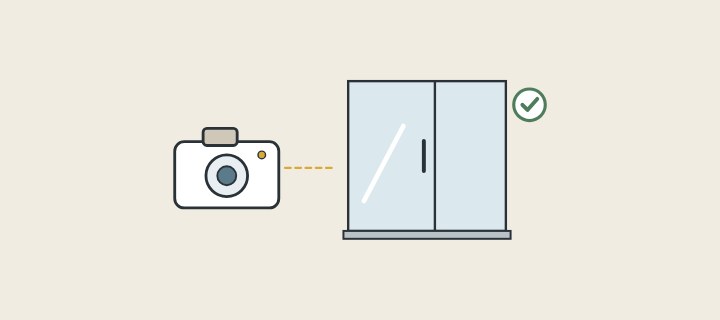
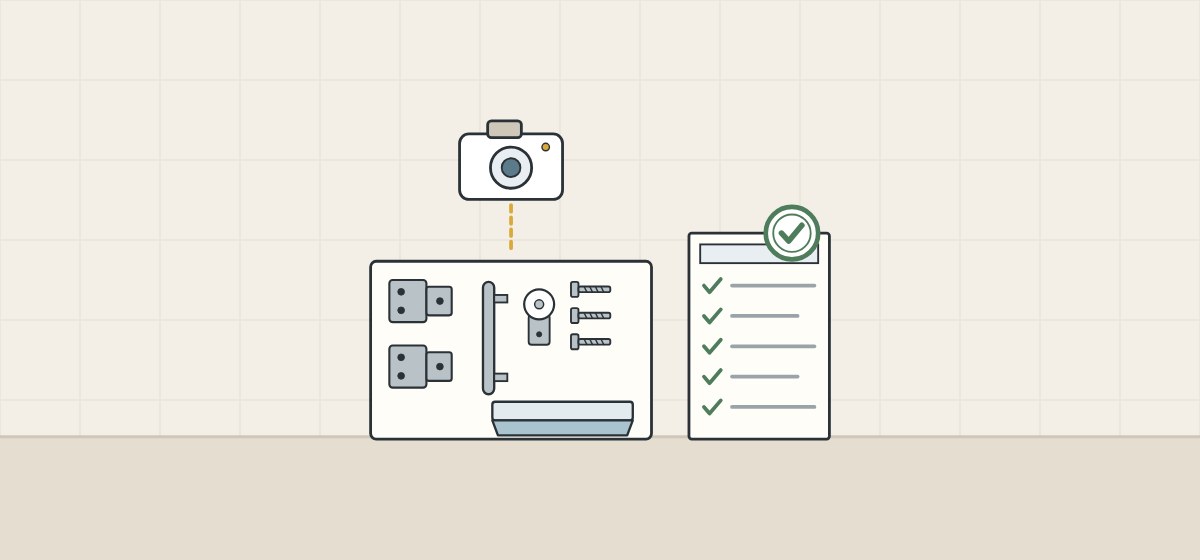
- Photograph one open kit of each type and reconcile kit counts with the packing list.
Makers’ own cartons show why the list matters. DreamLine says its PRIME shipping boxes may contain extra parts not used in the model configuration. Merlyn’s Offset Quadrant guide asks the installer to check that the installation kit is complete.
What goes into a kit for each door type?
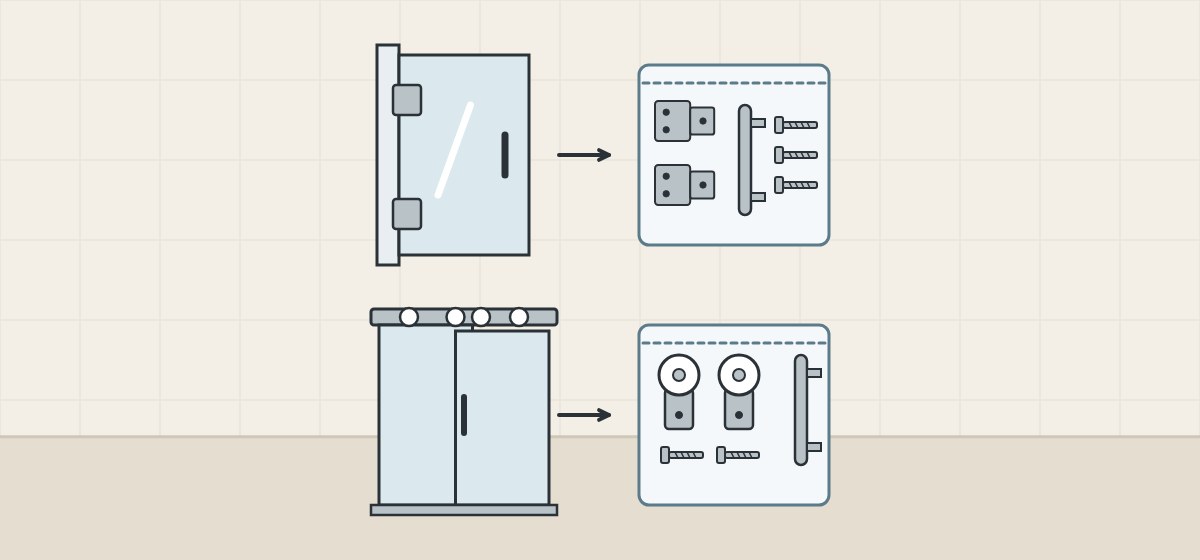
Kit contents follow the configuration, so each door type needs its own list. Four examples, not complete lists:
| Named product | Parts its instructions name |
|---|---|
| Kohler pivot shower door | Strike jamb, threshold, magnetic seals, water deflector, clamp, L-bracket, wall anchors. |
| Kohler sliding doors | Roller kit, handle kit, header connectors, bumpers, cleats, centerguide clip, wrench. |
| DreamLine PRIME | Profiles, guide rails, handle, vinyl seals, screws, wall anchors, glass clips, roller assemblies. |
| Merlyn Offset Quadrant | Screws of two types, 6 wall plugs, a left and a right upright profile, 2 rail assemblies. |
Roman’s Sculptures manual carries a component check list of supplied items. A project kit list does the same job for each configuration on the order.
Why check handing and finish before a kit is sealed?
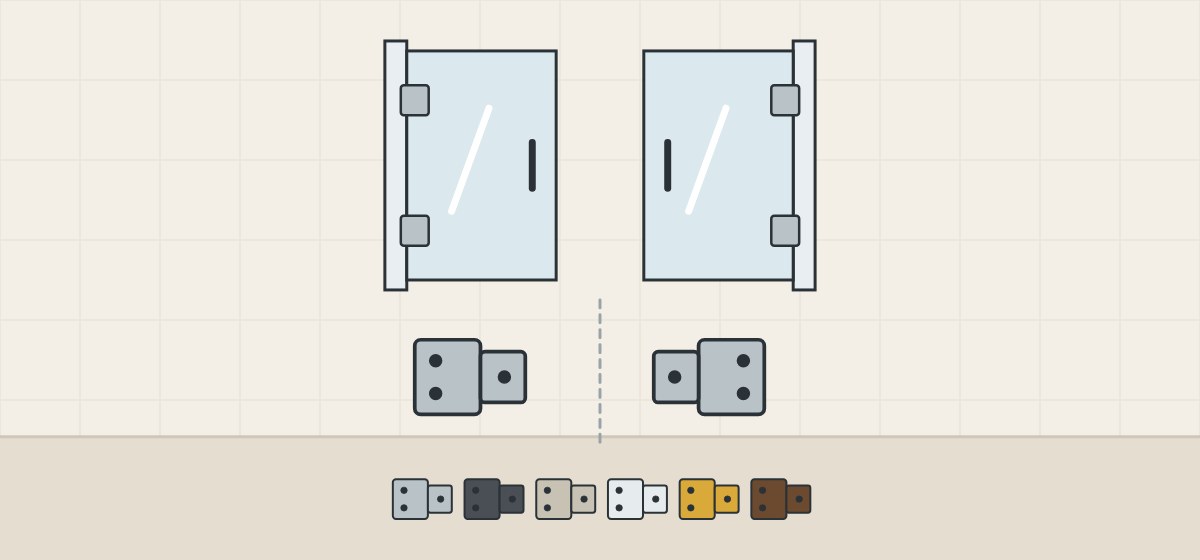
Some parts are left or right, and a box can hold the wrong finish. Each source speaks for its own product.
| Source | What it says |
|---|---|
| NGA manual | Check inside hardware boxes for the correct finish; the box is not always correct. |
| Kohler pivot door | Opens right or left; choose the pivot configuration before beginning. |
| Kohler sliding doors | A left and a right bumper; the cleats are identical. |
| Roman Sculptures | The door glass is handed. |
| DreamLine ENIGMA-XO | Reversible for right or left-hand door installation. |
Finish needs an exact name: Agalite’s owner’s manual names six finishes in one list, from Silver to Oil Rubbed Bronze, and more in a second, with Matte Black and Oil Rubbed Bronze in both. The NGA manual adds that fittings which look the same can use different fabrication templates.
Who supplies the wall fixings, and for which wall?
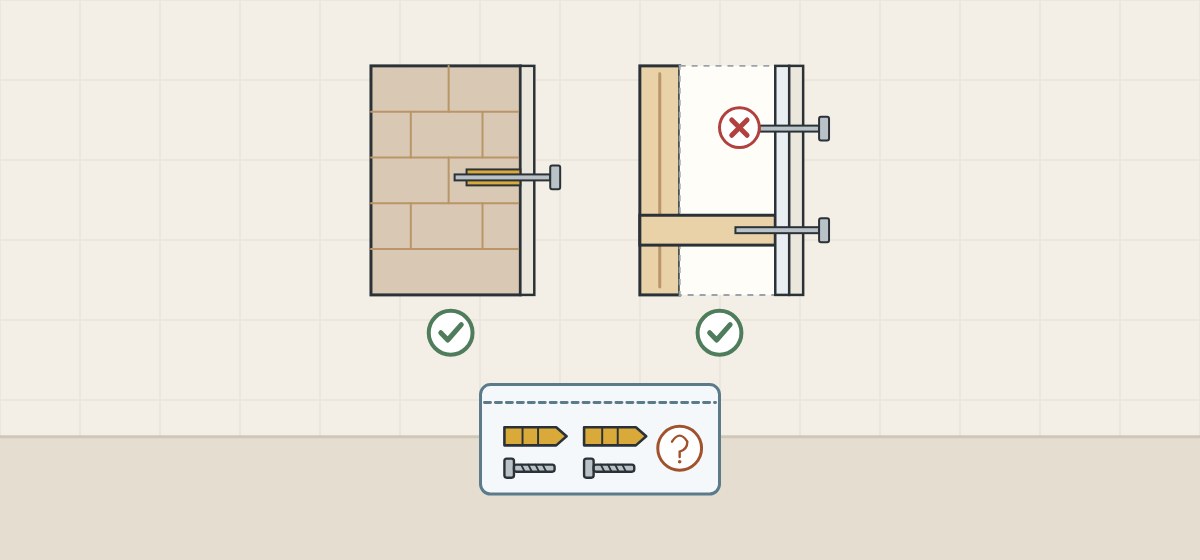
Fixings depend on the wall behind the tile, so the kit label should say whether they are inside and which wall they suit. Four statements:
Solid walls only
Merlyn says the wall plugs in its kit are for solid walls; hollow or stud-partition walls need alternative fixings.
Stud or no stud
DreamLine’s PRIME instructions say to use wall anchors only where no stud is behind the wall.
What is not supplied
Roman supplies wall plugs but not the 6 mm masonry bit.
Substrate first
The NGA manual says there should always be a suitable attachment substrate wherever hinges, clamps, clips or channel are installed.
- Fixings inside the kit, or supplied by site
- The wall type the supplied fixings suit
- Substrate confirmed at hinge and clamp positions
Which spares and shortage rules should be planned?
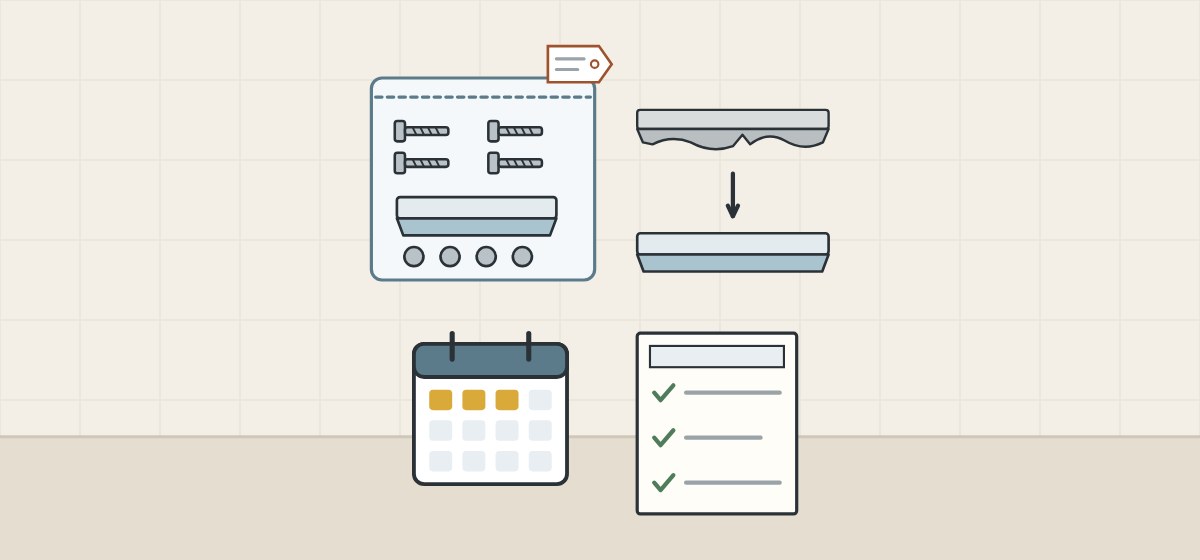
Plan spares for parts that wear or get lost, and agree how a shortage is reported. Four points from makers:
Seals and sweeps wear
Agalite says polycarbonate seals and door sweeps may need replacing as they age and wear.
Spare categories
Roman’s spares page lists seals, hinges, bearings, handles and profiles for its own ranges.
Reporting period
DreamLine asks for missing PRIME parts to be reported within 3 business days of delivery, and will not replace them free after that or once the product is installed.
Inspect before fitting
Merlyn accepts no claims after its enclosure is installed. Kohler’s pivot door instructions say to lay out and identify all parts before starting.
These terms belong to those makers’ products. A project order needs its own written reporting period and spares list.
What must labels and the packing list carry?
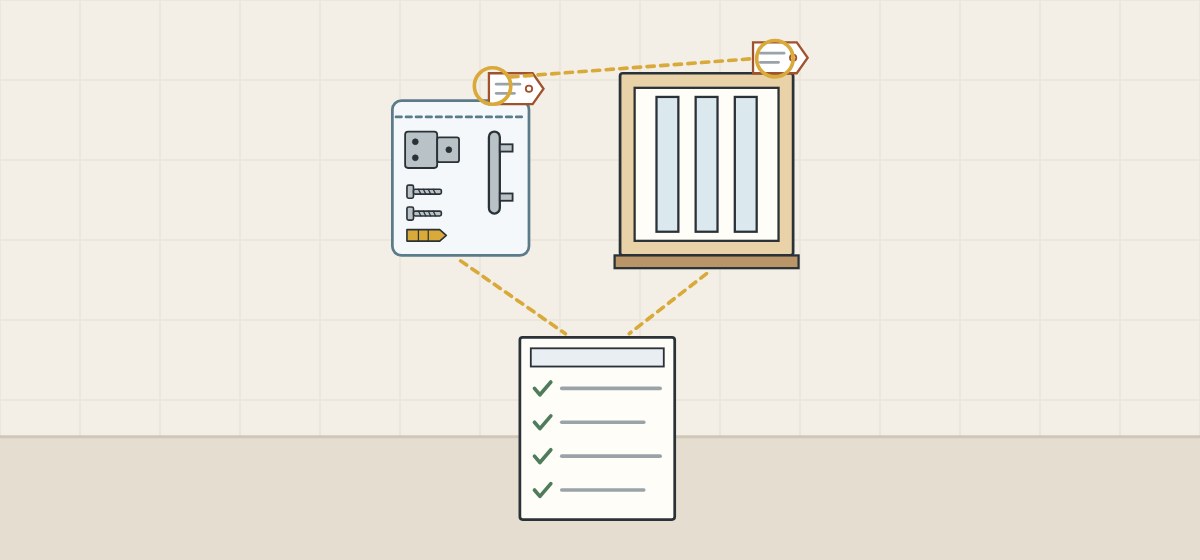
For U.S. imports, the invoice must show what each package contains, and, unless excepted by law, the goods or their containers carry the country of origin. For other destinations, confirm with the local authority.
| Source | What it covers |
|---|---|
| 19 CFR 141.86 | Each invoice states in adequate detail what merchandise each individual package contains. |
| 19 CFR 134.11 | Unless excepted by law, each imported article or its container is marked with the English name of the country of origin. |
| ISO 780:2015 | Graphical symbols for handling instructions on distribution packages. |
| GS1 Logistic Label Guideline | The SSCC is the single mandatory element of a logistic label. |
How should a buyer write kitting into the order?
Put the kitting method in the order itself. These steps are procurement guidance that follows from the points above.
- Ask for a kit list per configuration. Hinges or rollers, handles, clamps, profiles, seals and fasteners, with quantities.
- Require one kit per enclosure. Identical enclosures get identical kits.
- Name handing and finish. Checked against the drawing for the room type before sealing.
- Decide the wall fixings. In the kit, with the wall type they suit, or supplied by site.
- Fix the label text. Project, room, configuration, panel IDs, hand, finish, fixings in or out.
- Agree the spares. A labeled bag of fasteners, caps and seals per floor or shipment.
- Ask for the evidence. A photo of one open kit per type, and a packing list with kit counts and crate references.
What a kit photo proves
A photograph of an open kit shows that those parts were present that day. It does not show the contents of other kits, or that the parts work together.
What should you send and ask before a quotation?
Send the room schedule and ask how hardware will be packed, labeled and counted.
| Question | Why it matters |
|---|---|
| Is hardware kitted per enclosure? | Bulk packing moves the sorting to site. |
| Is there a kit list per configuration? | Contents differ by door type. |
| How are handing and finish checked? | Some parts are left or right; boxes can be wrong. |
| Are wall fixings included, and for which wall? | Supplied plugs may suit solid walls only. |
| What do the kit and crate labels show? | Labels let each package be matched to the invoice, which for U.S. imports must show each package’s contents. |
| Which spares ship, and how are shortages reported? | DreamLine gives 3 business days from delivery for its PRIME enclosure. |
Include with your request
- Room schedule with configurations and handing
- Approved drawings and hardware finish
- Wall construction at fixing positions
- Destination country and label language
- Spares wanted per floor or shipment
Any enclosure, hardware, kitting method, labels and commercial terms offered by WNS Global need separate written confirmation. This guide does not state that WNS Global products include the parts, finishes or fixings named above, or that WNS Global packs or labels hardware in any particular way.