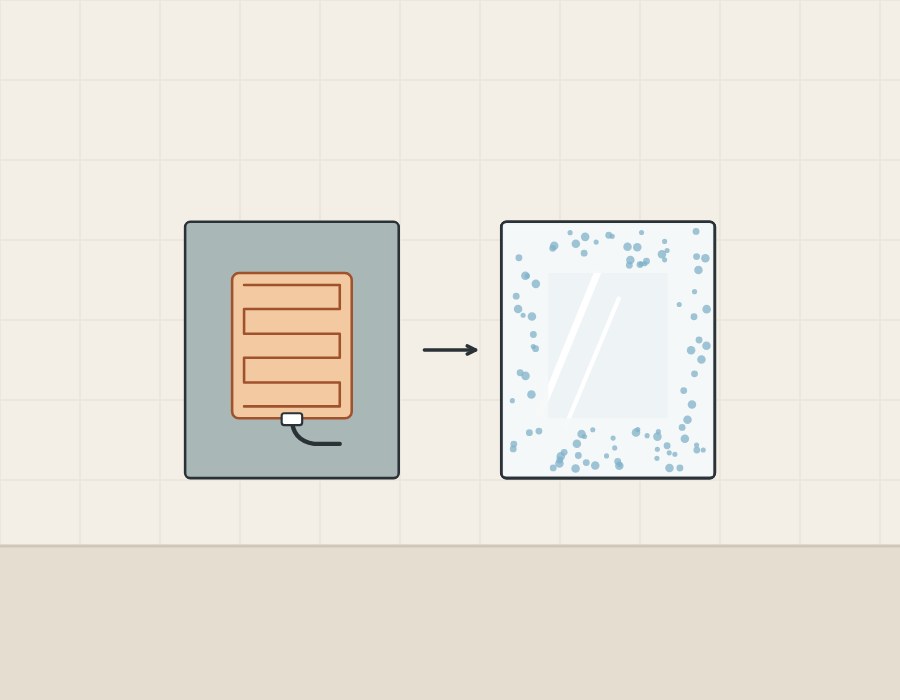
From pad size to approved coverage
Does a demister pad cover the whole mirror?
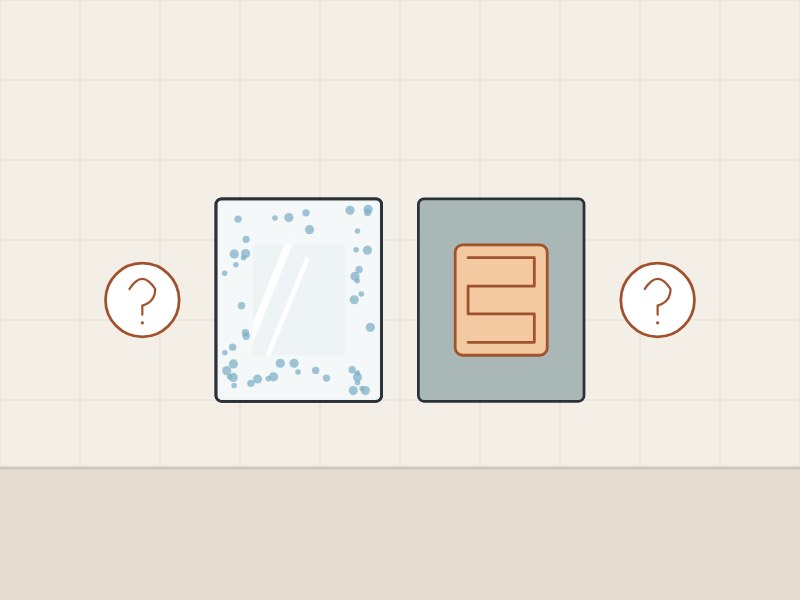
Not by default. The makers below list their own pad sizes, and WarmlyYours says the defogger must be placed in the area of the mirror that requires defogging.
Warmup’s UK range has three rectangles and one circle. The mirror size on a drawing therefore does not give the heated area.
| Maker and document | Sizes listed | Stated power or density |
|---|---|---|
| Warmup, UK range page | 260 × 360 to 560 × 720 mm; 560 mm circle | 200 W/m² |
| Heat Mat instructions | 150 × 250 mm to 700 × 1290 mm | 6 W to 174 W |
| WarmlyYours manual | 15 in circle to 30 × 40 in | 19 W to 141 W |
| Warmup Inc. US sheet | 16 × 24 to 24 × 32 in; 15 to 25 in round | 20 W to 96 W |
| ClearMirror Original | 12 × 12 to 20 × 30 in | 25 W to 102 W |
How does a heated pad keep part of a mirror clear?
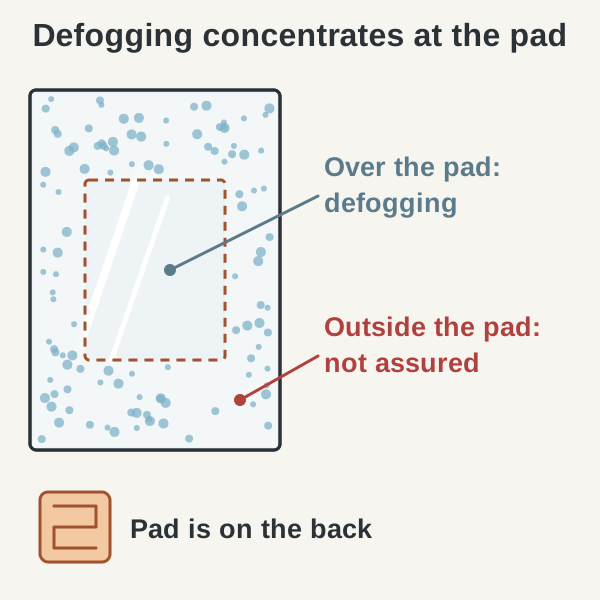
A pad warms the glass in front of it, so moist air is not cooled far enough there to leave water on the surface. The steps apply the National Weather Service definition of dew point to a mirror, which is this guide’s own reasoning, and add WarmlyYours’ statements.
- The dew point is the temperature to which air must be cooled to reach 100% relative humidity.
- Air cooled below its dew point gives up water as liquid.
- A pad on the back of the mirror warms the glass in front of it.
- WarmlyYours says defogging is concentrated in the area of the heating element.
- It gives no fixed distance for heat spread beyond the element.
The WarmlyYours statements come from the FAQ on its FFM-1218 support page, which adds that defogging may spread as the mirror warms. The page lists regulated heat of 104 °F (40 °C) for that model and says the mirror may never reach that temperature, depending on the mirror and the room.
How far from the mirror edge should the pad sit?
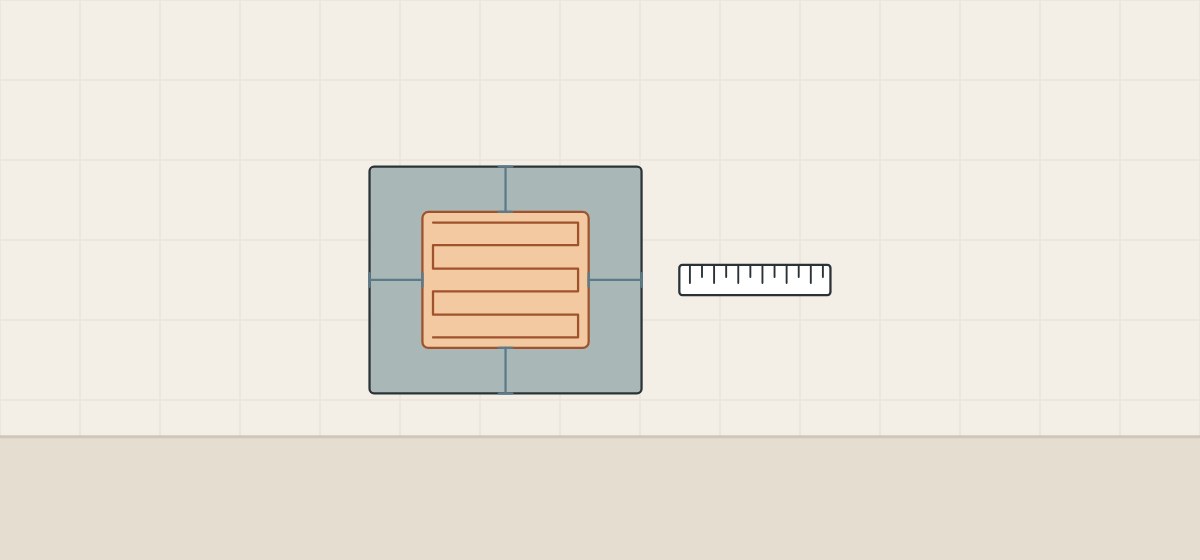
Take the margin from the instructions of the pad offered. Each source below gives its own instruction.
| Source | What it says |
|---|---|
| Heat Mat instructions | About 50 mm from pad edge to mirror edge recommended; 25 mm minimum. |
| Thermogroup install tips | For a glue-to-wall mirror, pad at least 100 mm smaller in dimensions than the mirror. |
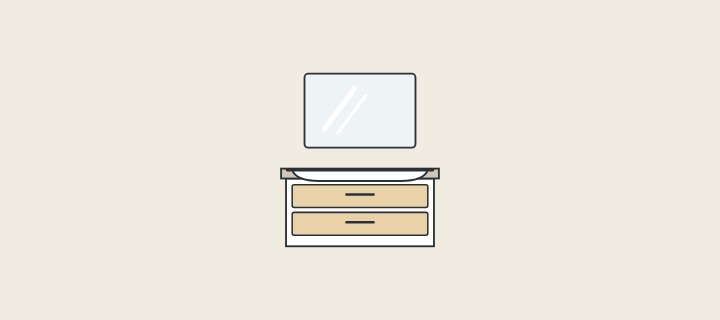
| WarmlyYours manual | Smaller rectangular and circular pads centered over the vanity and in the center of the mirror; larger rectangular and oval pads with the top edge 6 ft 6 in above the floor. |
The target also differs. Heat Mat says to aim to cover at least 70% of the mirror’s surface. Thermogroup notes that in many instances customers want only a clear section of vision, like the patch rubbed clear by hand.
Which outlines should a coverage drawing keep apart?
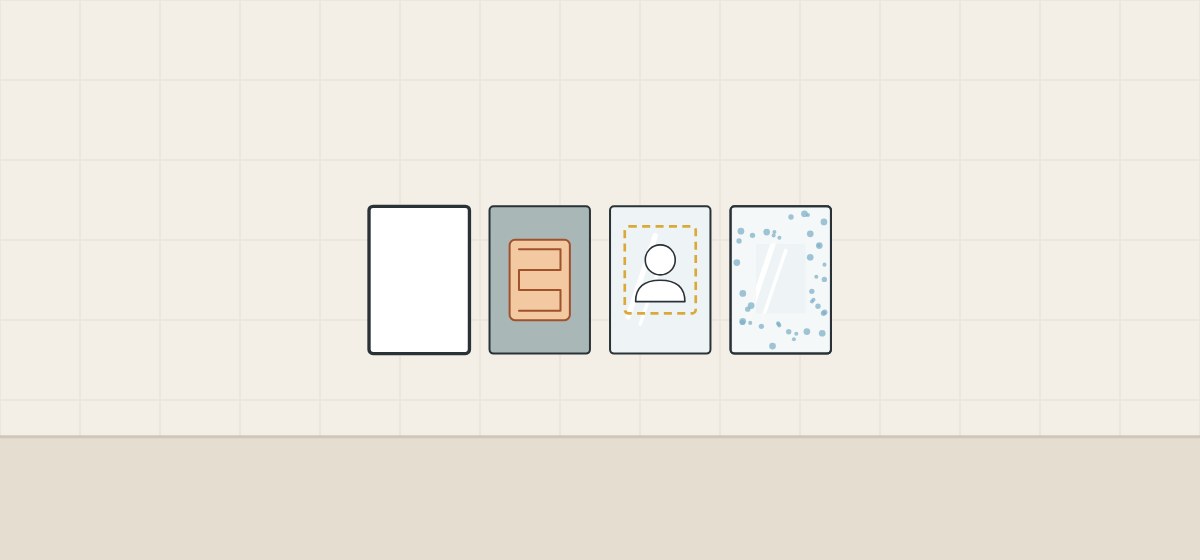
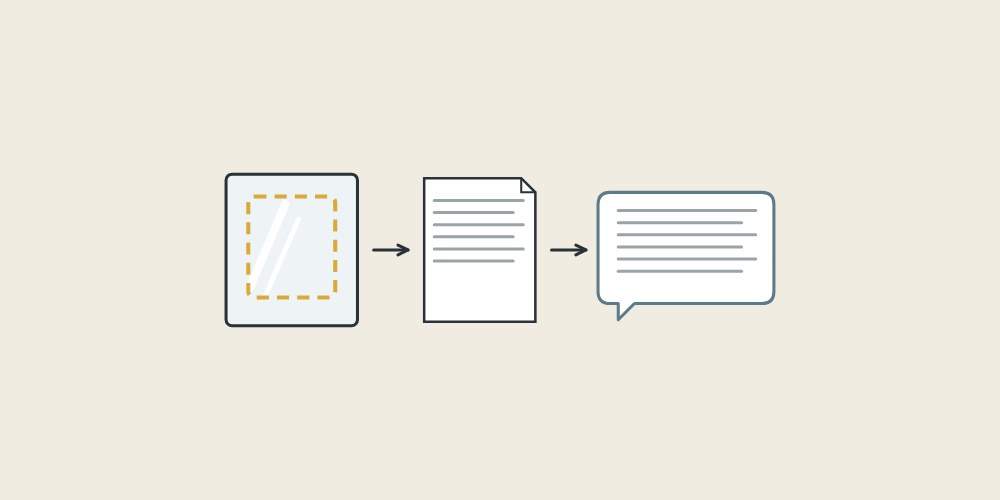
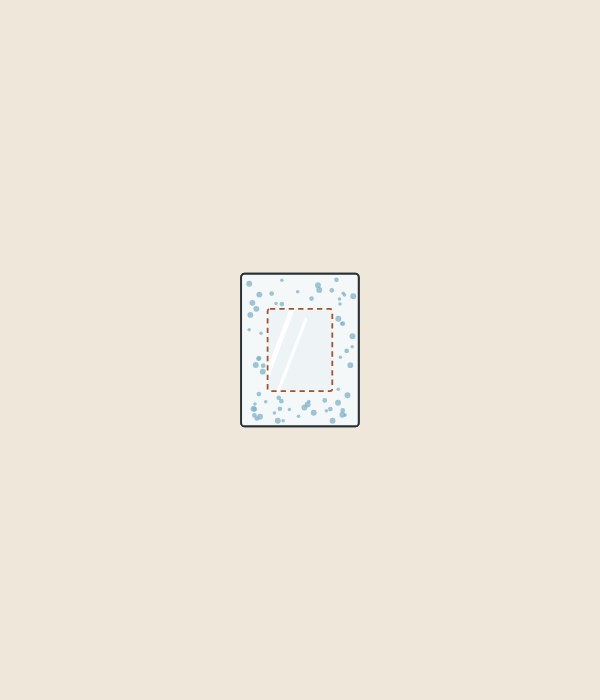
Four: the mirror, the pad, the viewing area and the area seen to clear in a test. This record is procurement guidance that follows from the makers’ statements above.
| Outline | What it is | Evidence |
|---|---|---|
| Mirror | Overall product size | Mirror drawing |
| Heating pad | The heated area and its position | Pad reference and rear layout |
| Viewing area | What the user needs to see | Agreed with the project team |
| Observed clearing | What cleared in a test | Sample and conditions recorded |
A pad placed low on a tall mirror can fit inside the glass and still miss the area where people look.
Can several pads cover a large mirror?
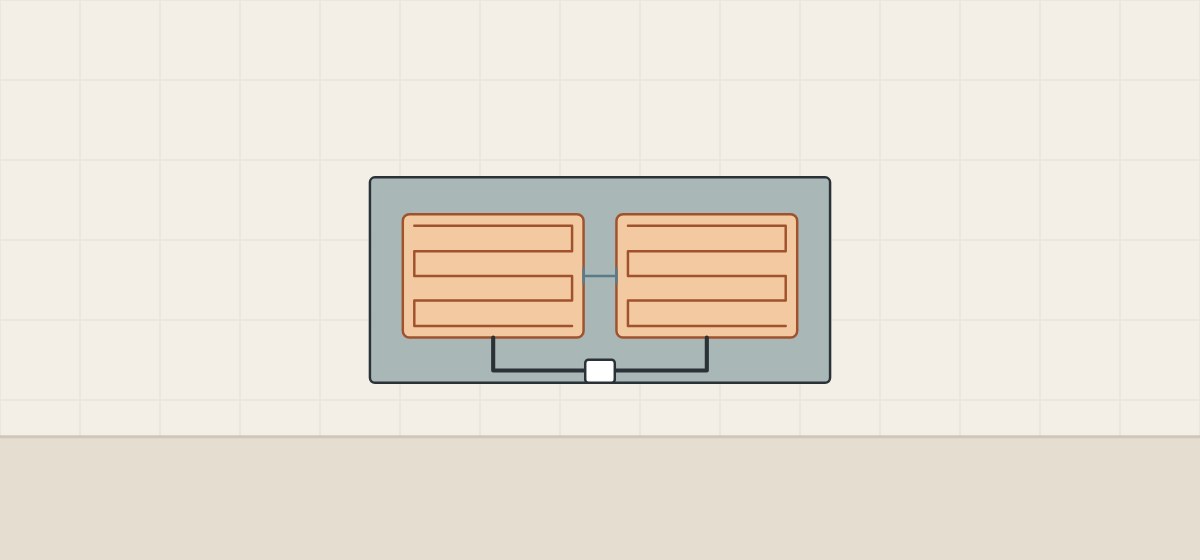
Yes, according to the makers named here, each with its own conditions.
Warmup UK range
Warmup says the dimensions were designed so that multiple demisters can cover larger mirrors if required.
Heat Mat
Heat Mat says its mirror heater units can be combined to give effective coverage of larger mirrors.
WarmlyYours range page
Multiple defoggers are allowed on larger mirrors if the pads do not overlap. Custom rectangles go up to 47.25 × 59 in for 120 V.
Thermogroup
Multiple demisters can be wired in parallel on a large mirror. Its pads cannot be cut.
- Pad references and quantity
- Position of each pad on the rear
- Gap between neighboring pads
- Cable exits and connection point
Why not promise a fog-free mirror?
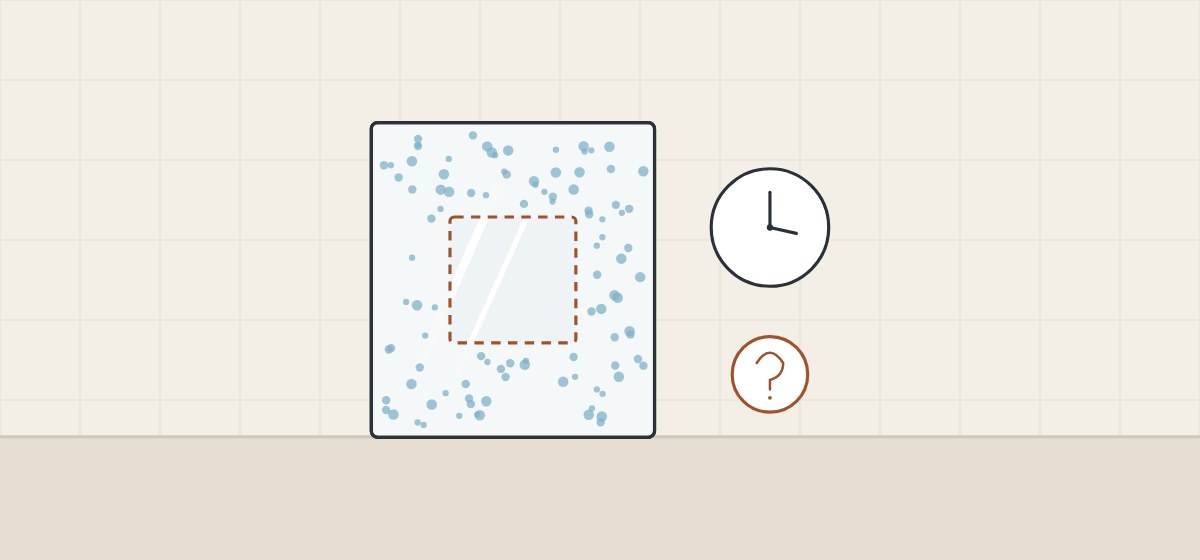
Because the makers’ own statements limit what a pad does. The WarmlyYours manual says its defogger begins to defog within 5 minutes of operation; no source read for this guide states a time to clear a whole mirror.
No fixed spread
WarmlyYours says conditions vary too much to quote a fixed distance of heat spread beyond the element. A pad outline is not a measured heat map.
Mirror type
WarmlyYours limits its defoggers to fixed wall mirrors, not movable surfaces such as medicine cabinet doors. Warmup Inc. says not to install on OSB or wood-backed mirrors. Thermogroup excludes mirrors whose backing cannot be removed to reach the glass.
No resizing
WarmlyYours says never cut or resize its defogger, and Thermogroup says its pads cannot be cut.
Long running
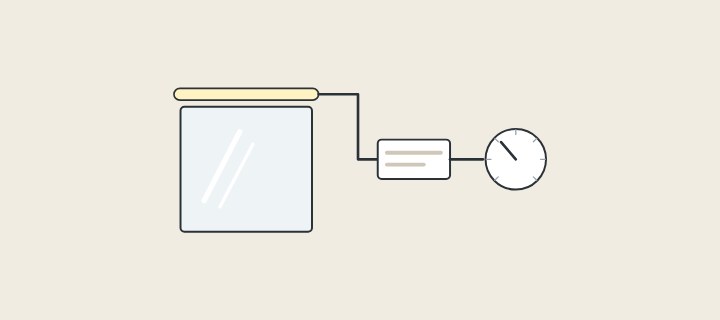
Heat Mat recommends a thermostat or timer switch where the demister runs for a sustained period, to prevent overheating.
Record what a sample cleared, and under which conditions, as an observation and not as a guarantee.
How is a demister switched, and what is approved separately?
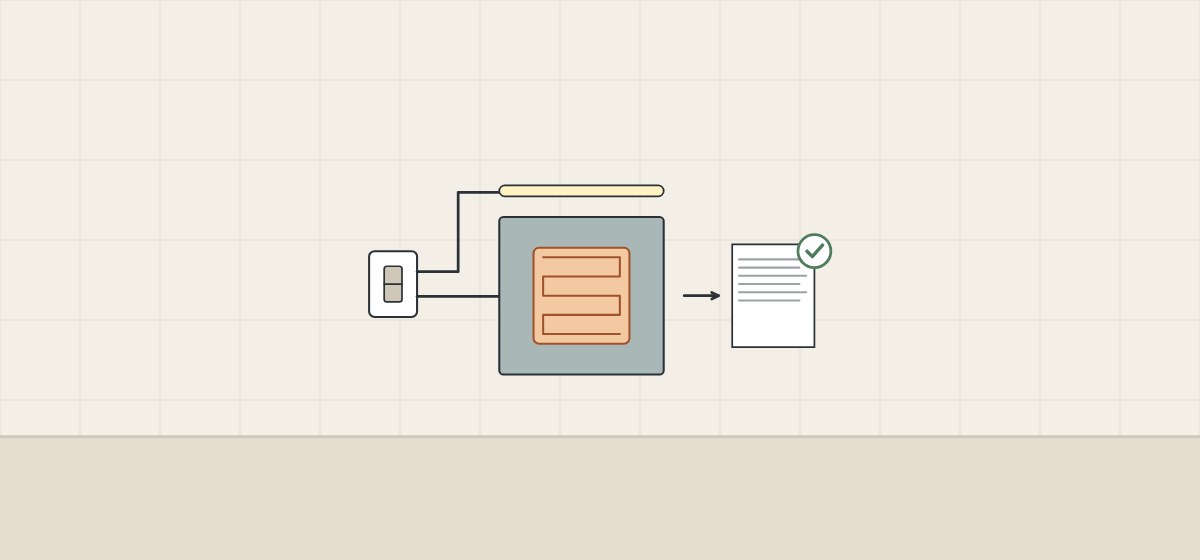
WarmlyYours, Heat Mat and ClearMirror describe connecting the pad to the bathroom lighting circuit or light switch. Electrical approval is a separate review of the actual product.
| Source | What it says |
|---|---|
| WarmlyYours | On with the lights when wired to the lighting circuit; a GFCI-protected circuit; stated as UL listed under standard 499; never inside a shower, sauna or steam room. |
| Heat Mat | Normally a fused spur on the room’s lighting circuit, connected by a qualified electrician; IP44 rated insulation. |
| Warmup UK range | Stated as IP54 rated. Warmup names the bathroom zones it considers suitable; that is Warmup’s wording, and the current wiring regulations and the local authority decide. |
| ClearMirror Original | Powered by the bathroom light switch; described by the maker as UL listed. |
| Electrical Safety First (UK charity) | All circuits in or passing through bathrooms are required to be RCD protected; use a registered electrician. |
How should a buyer approve demister coverage?

Approve the heated area as its own item before the order. These steps are procurement guidance.
- Mark the viewing area. The part of the mirror the user must see.
- Get the pad reference. Maker, model, size and stated power of each pad.
- Get a rear layout. Pad position with a dimension to each mirror edge.
- Compare the outlines. The pad should cover the viewing area, not only fit the glass.
- Check the pad maker’s limits. Edge margin, overlap, cutting and mirror type.
- Confirm the switching. With the lights, on its own control, or on a timer.
- Test a sample. Record what cleared and the room conditions.
When the mirror changes
If the mirror size, backing, pad arrangement or control changes, ask which parts of the earlier approval still apply. A coverage drawing does not approve the electrical installation, the bathroom location or the supply. Confirm those with the project’s electrical team and the local authority.
What should you send and ask before a quotation?
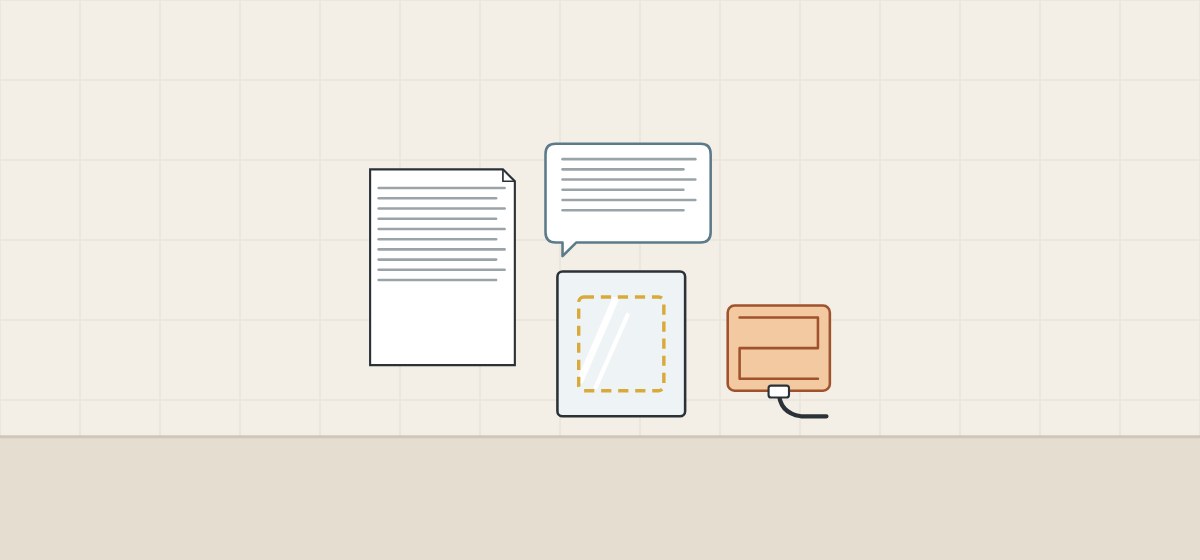
A complete request names the area that must stay clear, not just a heated mirror.
| Question | Why it matters |
|---|---|
| Which pad, by maker and model? | Sizes and limits are maker-specific. |
| Where does the pad sit on the rear? | WarmlyYours: defogging is concentrated at the element. |
| What margin to each mirror edge? | Heat Mat gives a margin; Thermogroup a size difference. |
| One pad or several? | WarmlyYours forbids overlap and cutting. |
| How is the demister switched? | Lighting circuit and timer are both described. |
| Which rating or listing is stated, and where? | A maker’s statement is not a project approval. |
Include with your request
- Mirror drawing with overall size
- Viewing area marked on the mirror
- Mirror backing and mounting method
- Supply voltage and project location
- Preferred control for the demister
WNS Global confirms any product and terms it offers separately in writing. This guide does not state that WNS Global products have the features, ratings or listings named above.