From film purpose to written evidence
What is the difference between a safety backing and a protective film?
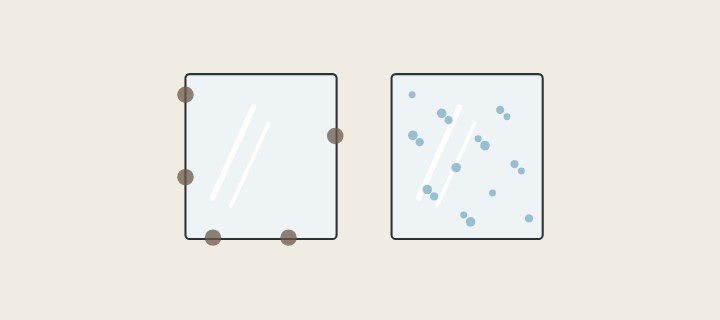
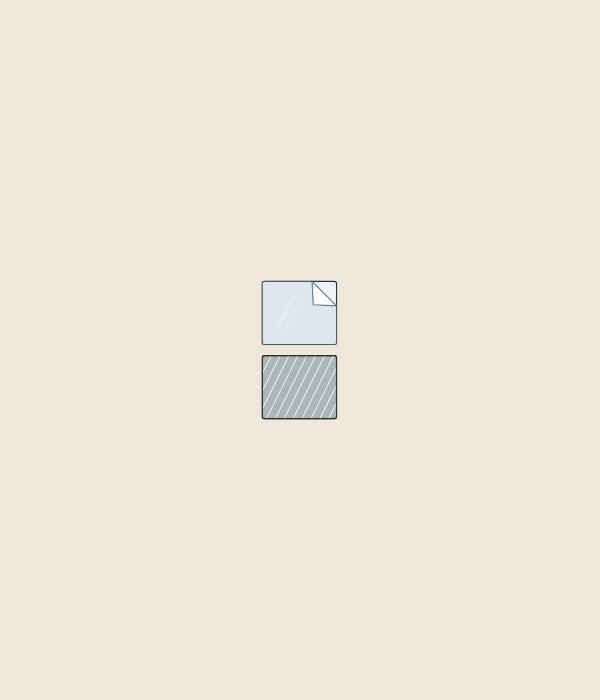
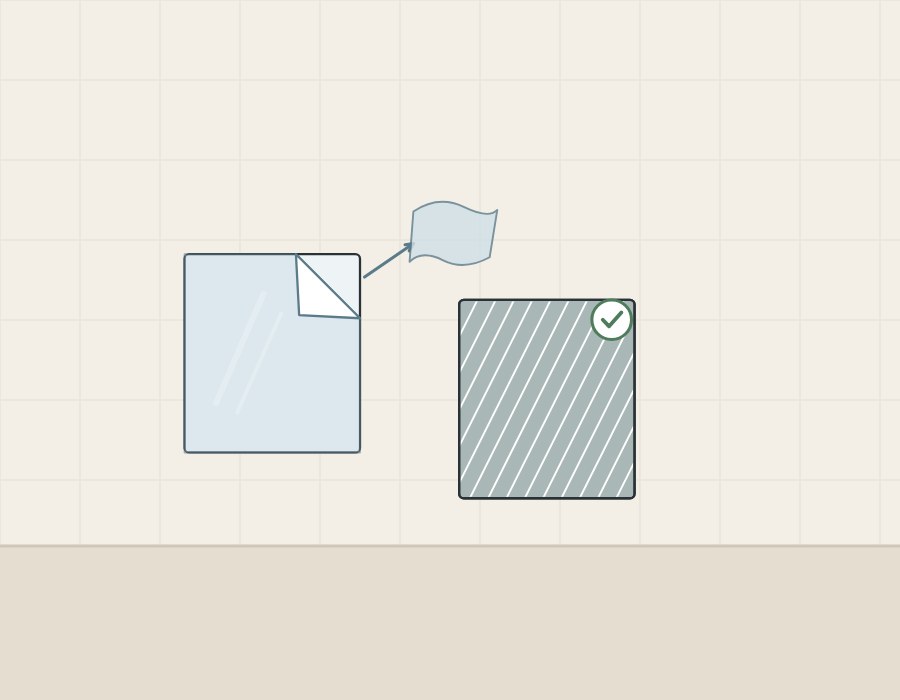
A safety backing stays on the back of a mirror and holds the fragments if the glass breaks; a protective film is a temporary cover that comes off. AGC says its Mirox mirror can be delivered with the SAFE+ safety backing film on the painted side.
Pregis says its temporary protection films protect surfaces from scratching and contamination during fabrication, assembly, shipping and storage, and remove cleanly when the job is done.
| Term | What it means here |
|---|---|
| Safety backing film | AGC: a polymer film applied to the back of the glass. |
| Resin backing | Saint-Gobain: an anti-shatter resin added in manufacture. |
| Protective film | Polifilm: temporary protection during production, processing and assembly. |
| Soft body impact | The impact AGC names for SAFE+ under EN 12600. |
| Mode of breakage | How the glass breaks; part of an EN 12600 class. |
What happens when a mirror with a safety backing breaks?
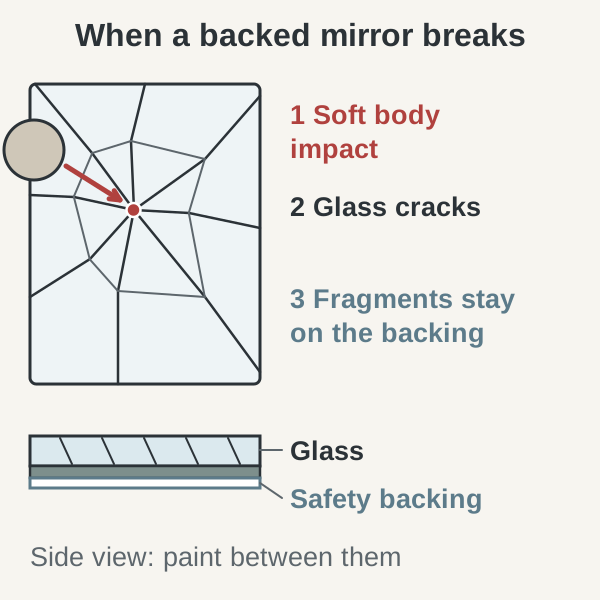
The glass still cracks, but the fragments stay on the backing. The steps follow AGC’s Mirox data sheet and installation guide for SAFE+ only.
- The film sits on the painted back of the mirror.
- A soft body strikes the mirror.
- Numerous cracks appear in the glass.
- The fragments hold together and do not separate.
- Splinters and shards stick to the film.
AGC classes plain Mirox as breaking in the manner typical of annealed glass (EN 12600, type A) and Mirox SAFE+ in the manner typical of laminated glass (type B).
What do mirror makers say about their safety-backed mirrors?
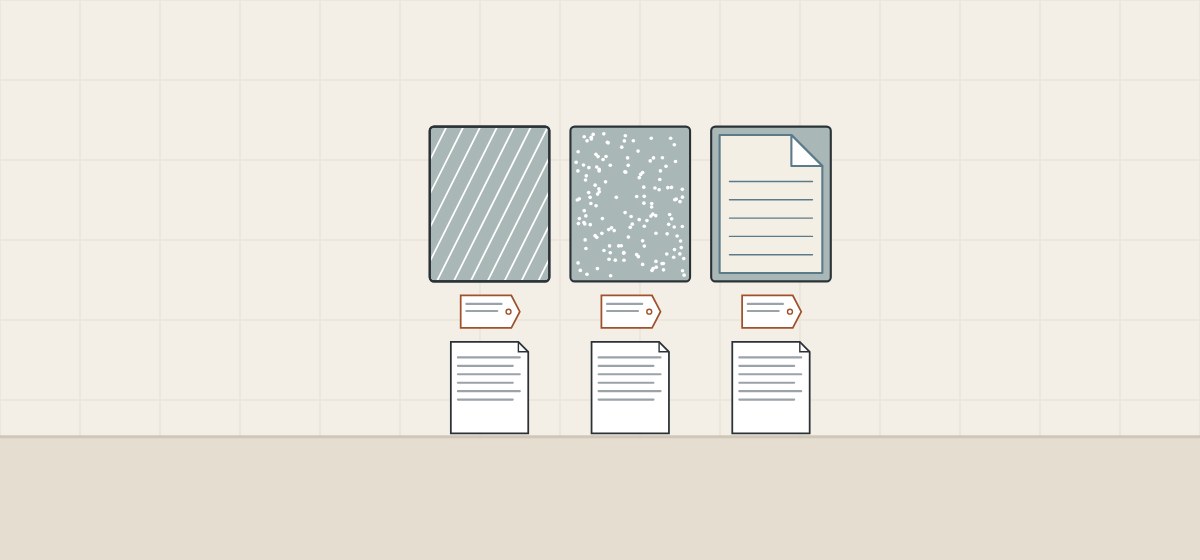
Each maker describes its own backing. Three publish an EN 12600 statement; Guardian’s guidelines name no class. The backing is not always a plastic film.
| Product | Backing | Maker’s statement |
|---|---|---|
| AGC Mirox SAFE+ | Polymer film on the painted side | Breakage typical of laminated glass, EN 12600 type B. |
| Pilkington Optimirror Protect | Special safety film backing | EN 12600 2(B)2; available in 4 mm and 6 mm. |
| Saint-Gobain Miralite EasySafe | Anti-shatter resin backing | EN 12600 3B3 in 4 mm, 2B2 in 6 mm. |
| Guardian UltraMirror | Vinyl sticker backing | Offered for safety glazing requirements. |
Saint-Gobain says EasySafe needs no plastic film added at the processing stage, and that its resin retains 98% of fragments, tested before and after an ageing simulation.
What do film makers say about backing films and protective films?
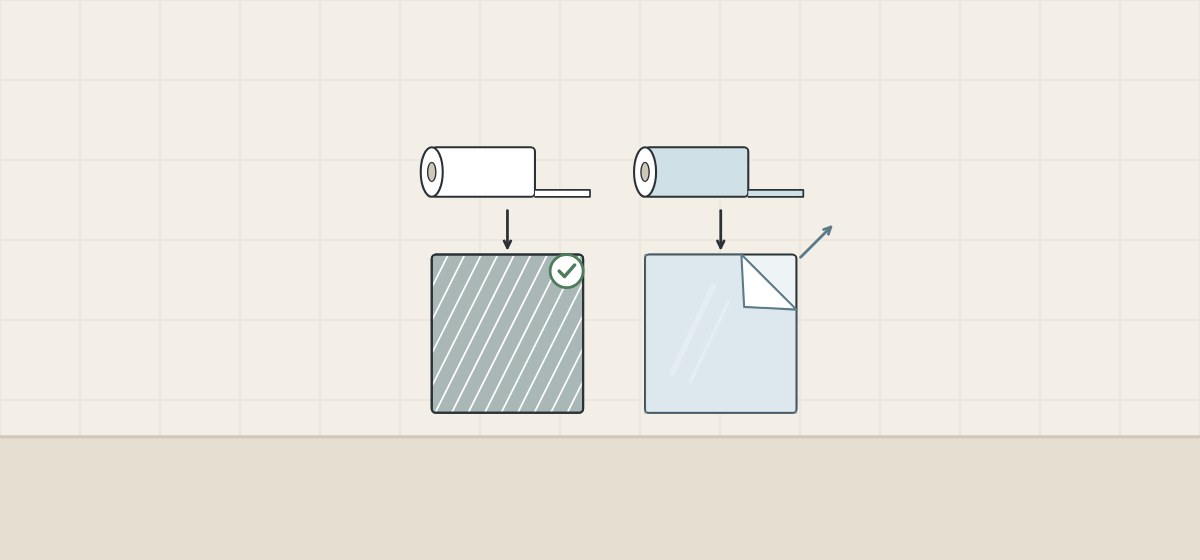
Film makers sell the two as separate products with different lifetimes. Each row is one maker’s own statement.
| Film | Maker’s statement | How long it stays |
|---|---|---|
| Novacel 9212 | Holds shattered glass together. Novacel calls it EN 12600 compliant; its page names no glass or thickness. | Permanently, on the back |
| Polifilm shatter protection film | Keeps glass fragments in place; protects the mirror’s coatings. | The product’s lifetime |
| Polifilm temporary protective film | Protects during production, processing and assembly. | Temporary |
| Pregis temporary protection film | Protects during fabrication, assembly, shipping and storage. | Until the job is done |
Polifilm says its mirror-backing films come in polyethylene, polypropylene and polyester bases and describes them as certified to BS EN 12600 class 2B2; its page names no glass or thickness, so ask which mirror was tested. Saint-Gobain’s brochure describes conventional safety-filmed mirrors as having the film applied during processing, so ask who applied the backing.
What do EN 12600 and 16 CFR 1201 cover?
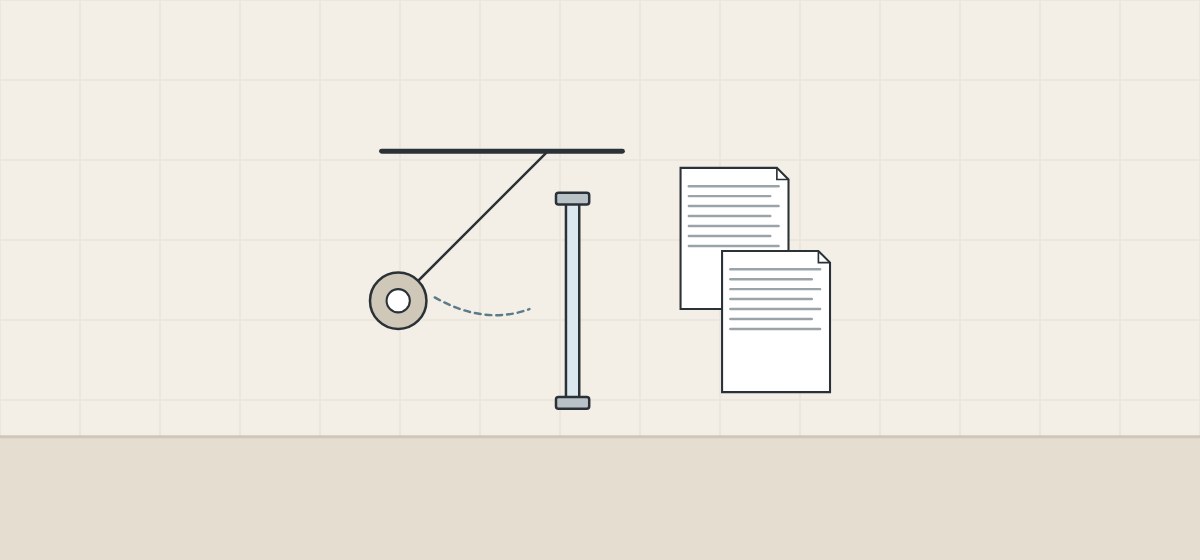
EN 12600 is an impact test and classification method; 16 CFR 1201 is a US safety standard for glazing in listed products.
BS EN 12600:2002
Per BSI, it specifies a pendulum impact test for single flat panes of glass for use in buildings, and classifies products into three principal classes by performance under impact and by mode of breakage.
What EN 12600 leaves out
BSI’s overview says it does not specify requirements for applications or durability.
16 CFR 1201
The US regulation sets safety requirements for glazing materials in storm doors, doors, bathtub and shower doors and enclosures, and patio-type sliding glass doors. Its test procedure names ANSI Z97.1-2015.
Coated glass and mirrors
It defines organic-coated glass as glass coated and bonded on one or both sides with a polymeric coating, sheeting or film, and a mirror as glazing material that forms images by reflecting light.
What to ask for
When a quotation cites either standard, ask the supplier for:
- Standard and edition
- Class claimed
- Product and thickness tested
What does a safety backing not tell you?
A safety backing does not tell you that the glass is tempered, that every thickness has the same class, or that the mirror suits a given location.
Not tempered glass
AGC classes Mirox SAFE+ with the breakage typical of laminated glass. Saint-Gobain’s processing guidelines say Miralite products cannot be heat-treated to make tempered or heat-strengthened glass.
Class by thickness
Saint-Gobain publishes 3B3 for EasySafe in 4 mm and 2B2 in 6 mm.
Not a location approval
EN 12600 sets no application requirements, per BSI. Which rule applies to a mirror in a given place is a question for the local authority.
Looks are not the class
AGC says visual imperfections in the SAFE+ film do not reduce soft body impact resistance under EN 12600.
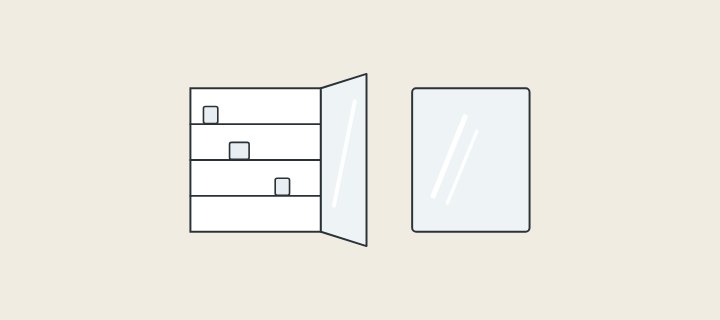
A photo of a plastic-covered mirror cannot show what the film is for. Ask for the product reference and its data sheet.
What changes for fixing and damp rooms when a backing is present?
The backing becomes the surface an adhesive touches, so its material matters. Each row is one source’s own statement.
| Source | What it says |
|---|---|
| AGC Mirox guide | SAFE+ film must be pretreated with a surface activator or primer before bonding. |
| Sika Sikaflex-124 | Usable on most Category II safety films (Sika’s term; standard not named); not directly on polyethylene or polypropylene safety films. |
| Guardian UltraMirror | The adhesive of any shatter-proofing sheet on the backing must be mirror compatible. |
| AGC, same guide | SAFE+ protects the paint from scratching and in damp environments. |
| Polifilm backing films | Prevent moisture from penetrating and detaching the protective paint. |
How should a buyer identify the films on a quoted mirror?

Identify each film by purpose, face and lifetime before ordering. These steps are procurement guidance, not a safety assessment.
- List every film. Which face, and what each is for.
- State what stays on. A safety backing stays; a temporary film needs removal instructions.
- Name the backing. Maker, product, material and who applied it.
- Tie the class to the mirror. Standard, class, product and thickness.
- Check the fixing method. The adhesive and any primer for that backing.
- Check at delivery. Backing identity and condition against the order.
When a backing is changed or missing
Treat a different backing as a different construction: the classes above are published for named products. Do not assume every film is packaging, and do not improvise a breakage test; EN 12600 is a defined pendulum test.
What should you send and ask before a quotation?
A complete request names the mirror construction, not just “with film”.
| Question | Why it matters |
|---|---|
| Which films are on the mirror, and where? | A backing and a temporary film do different jobs. |
| Which film stays on after fitting? | A safety backing is meant to remain. |
| Is the backing a film or a resin, and of what? | The sources name PET, vinyl and polyolefin films and a resin. |
| Who applied the backing? | Mirror maker or processor: the sources describe both. |
| Which class, for which product and thickness? | Published classes differ by product and thickness. |
| Which adhesive and primer suit the backing? | AGC requires a primer or activator; Sika rules out direct use on some films. |
Include with your request
- Mirror size, thickness and quantity
- Location and fixing method
- The project team’s requirement
- Destination market
WNS Global confirms any offered mirror, backing, film and commercial terms separately in writing. This guide does not state that WNS Global mirrors have any backing, film, impact class or standard conformity named above.