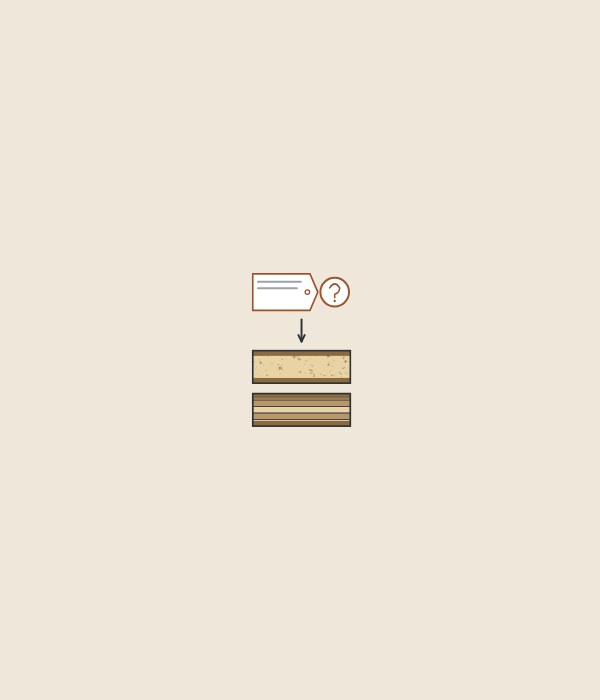
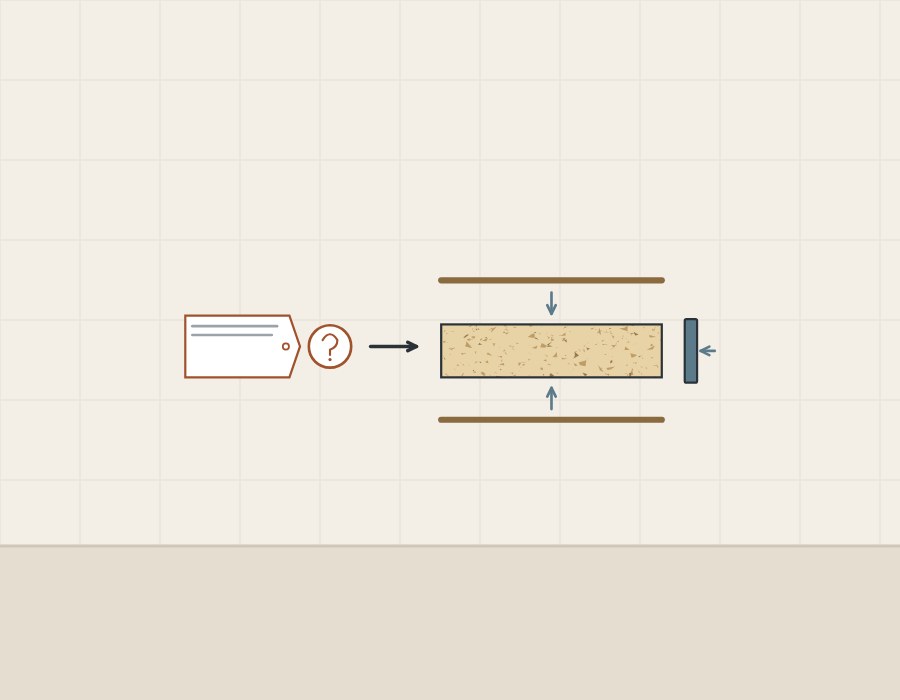
From label to board description
What does “paint-free board” actually tell you?
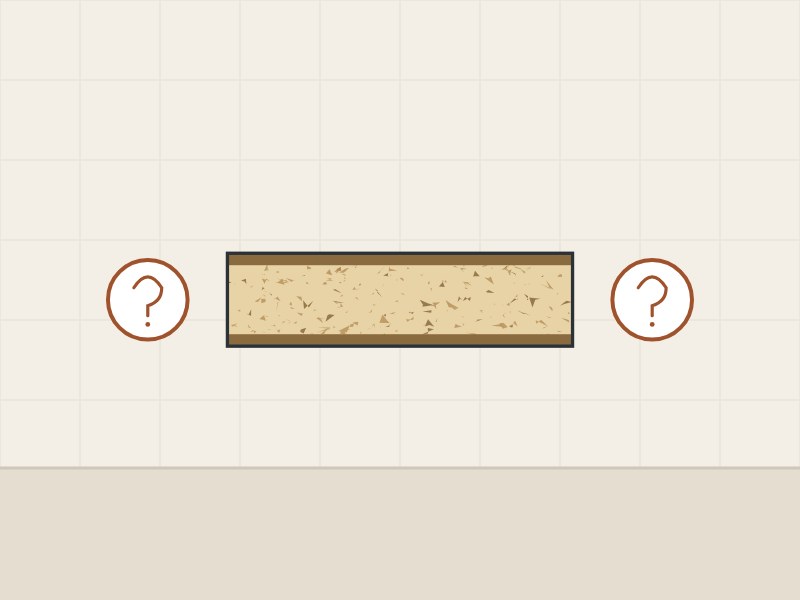
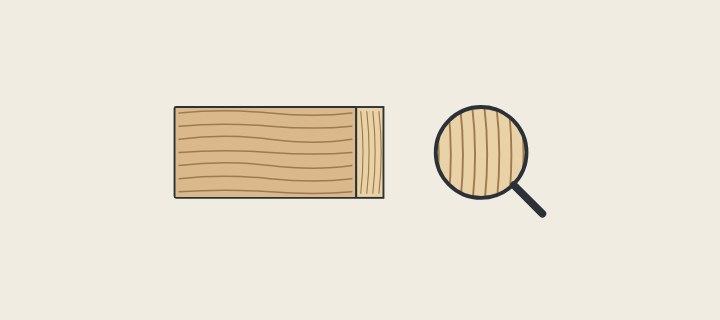
On its own the phrase tells a buyer what the surface is not, and names neither the facing nor the core. Published sources use more exact names.
CPA says thermally fused laminate (TFL) was formerly known as melamine and is widely used in cabinets. EGGER’s technical data sheet describes its Eurodekor range as melamine faced wood-based boards.
| Term | What the source says |
|---|---|
| Substrate | The panel under the facing: particleboard, MDF or hardwood plywood in CPA’s TFL standard. |
| TFL | Resin-impregnated décor paper fused directly to a substrate (CPA). |
| HPL | Kraft paper and décor paper pressed into a sheet, then laminated to a panel (CPA). |
| Foil | An impregnated decorative paper, heavier than plain printed paper, usually top-coated, applied with adhesive (CPA). |
How is a paper facing fused to a board?
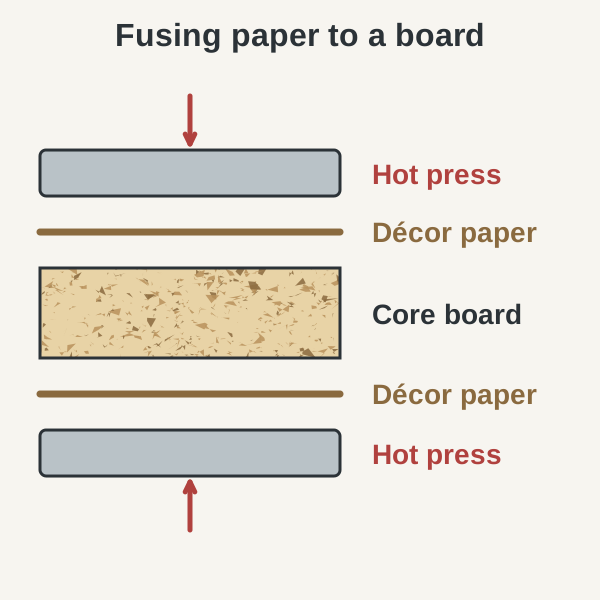
The steps below follow CPA’s product page and its TFL panel standard. They are the association’s general account of one facing, not a record of any product.
- A sheet of décor paper is impregnated with resin.
- A hot press fuses the sheet directly to the substrate.
- Heat and pressure activate the resin, which forms a cross-linked bond with the substrate.
- Steel press plates emboss the texture and can set the gloss.
- The panel leaves the press with its surface sealed.
CPA’s standard describes the result as a “ready to use product”.
Which facings are not paint?
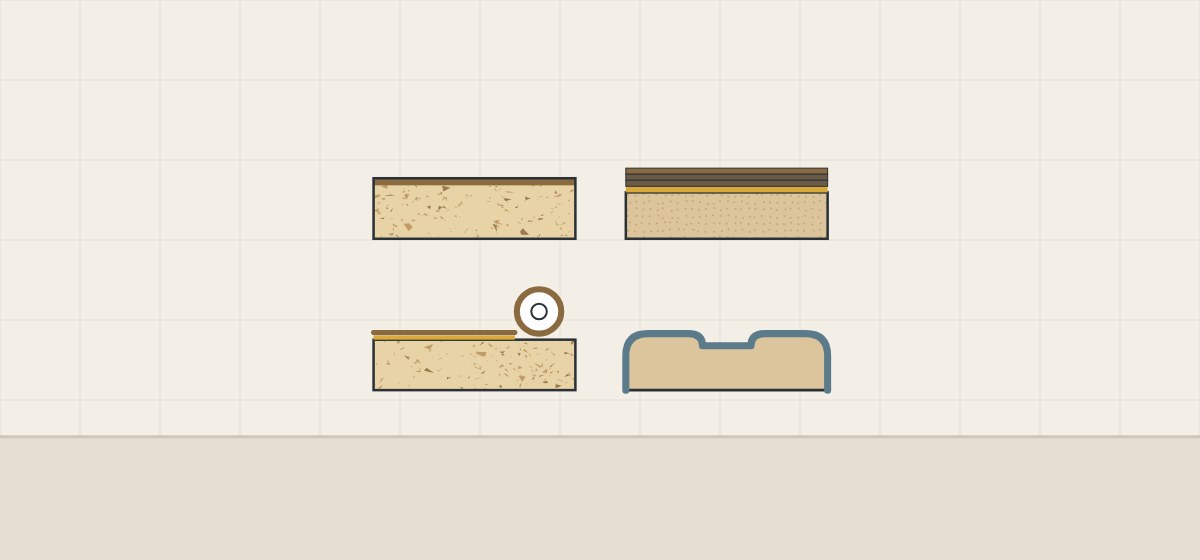
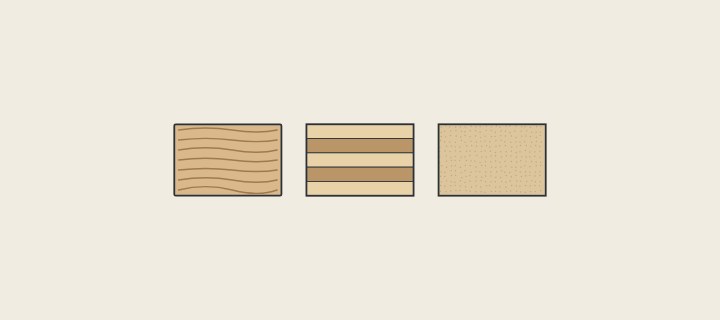
CPA describes each decorative surface by what it is made of and how it joins the panel. The rows are CPA’s descriptions of four entries on its list.
| Facing | What it is | How it joins the core |
|---|---|---|
| TFL | Resin-impregnated décor paper | Fused directly by heat and pressure |
| HPL | Kraft paper layers in phenolic resin under a décor paper | Laminated to the panel with adhesive |
| Papers and foils | Printed paper; light papers are top-coated, most foils are too | Laminated with adhesive |
| 3D laminate | A rigid thermoformable foil made from PVC or PETG | Heated and formed over the part in a vacuum or membrane press |
Wilsonart says its TFL uses no kraft paper, is well suited to vertical applications where extreme durability is less of a concern, and is considered a non-repairable surface.
Which core can sit under the facing?
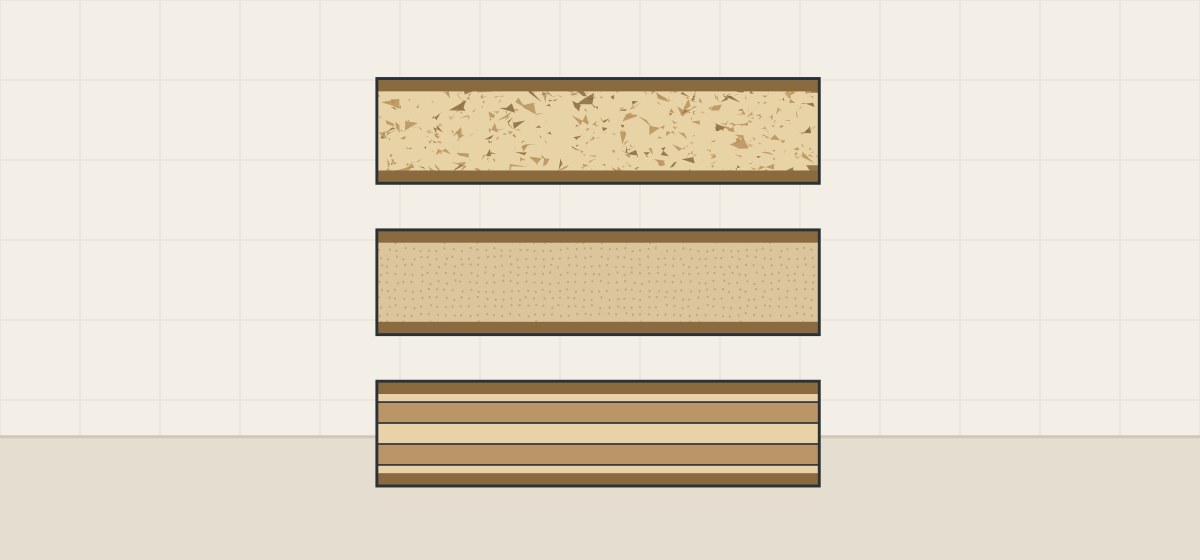
The sources name several cores under the same kind of facing, so the core has to be named separately. Each row is the named source’s own statement.
| Core | Named by | What the source says |
|---|---|---|
| Particleboard, MDF, hardwood plywood | CPA | Substrates covered by its TFL panel standard. |
| Chipboard, MDF, lightweight board, OSB | EGGER | Possible substrates for its Eurodekor boards. |
| Particleboard, MDF, moisture-resistance (MR) and fire-rated (FR) options | Wilsonart | Substrates offered for its TFL. |
| Plywood and blockboard | China’s standards catalog | GB/T 34722-2025, shown as current. |
| Fiberboard and particleboard | China’s standards catalog | GB/T 15102-2017, shown as current. |
The two Chinese standards are identified only by their catalog titles, translated by this guide as boards faced with impregnated paper.
What covers the edges, and which parts use the board?
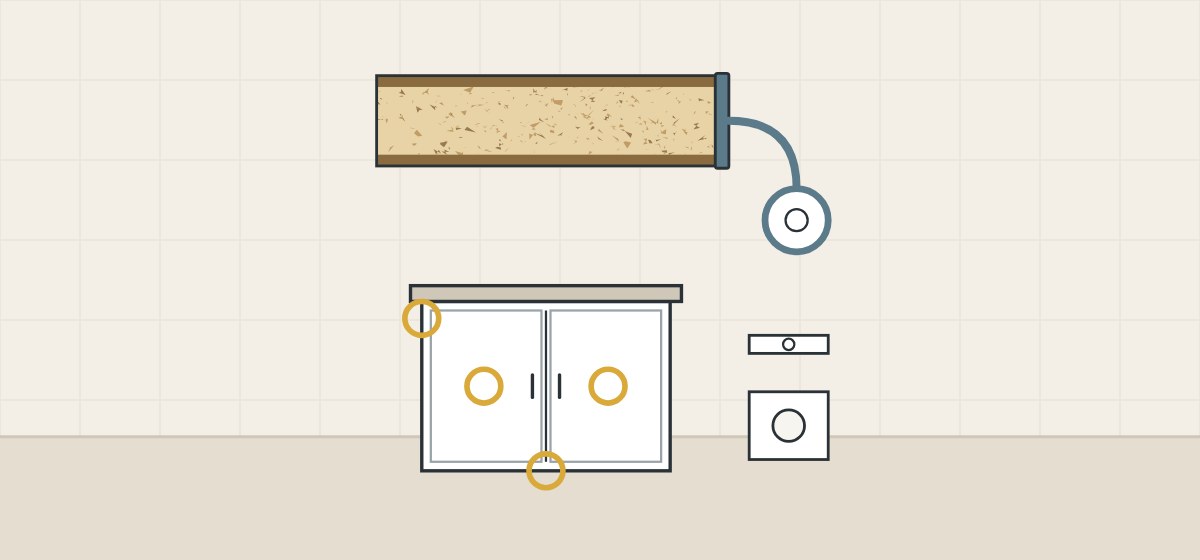
EGGER and Wilsonart list edge banding separately from their faced boards, so a quote needs an entry for each. Statements from four sources, then this guide’s items to record:
Faces and parts
EGGER says its Eurodekor Faced Chipboard E1 P2 is faced on both sides with impregnated decorative paper and is ideal for fronts and shelves. Wilsonart lists cabinets and cabinet interiors for its TFL.
Edgeband
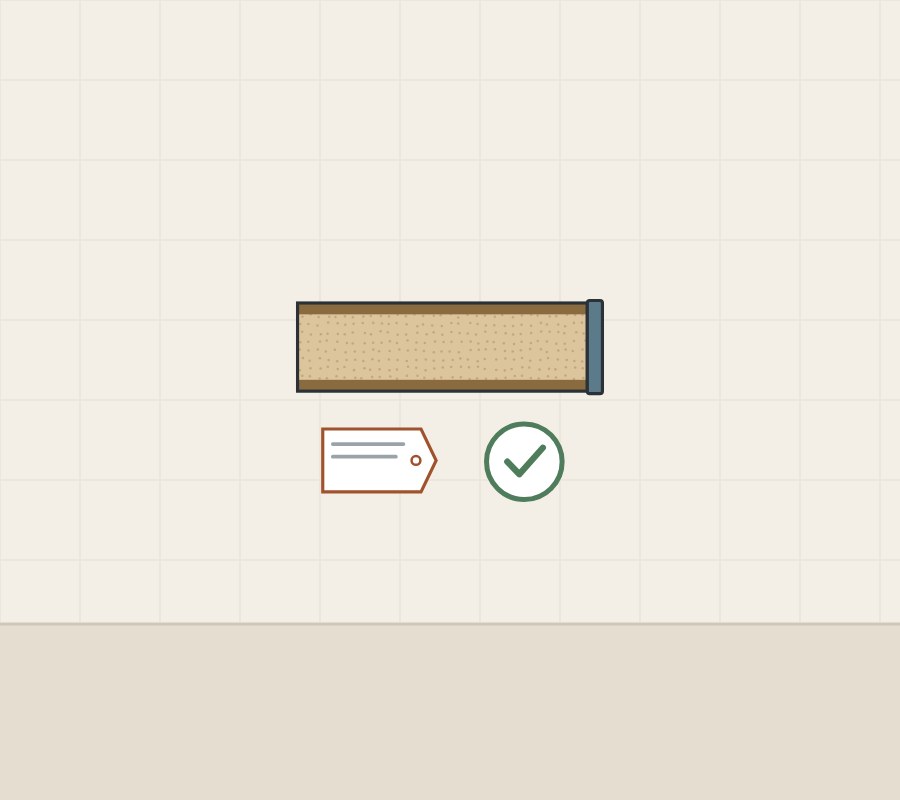
EGGER says matching edge banding is available for all its TFL and laminate decors.
Glue or functional layer
REHAU describes LaserEdge as an edgeband whose functional layer replaces the traditional glue. The heat and moisture resistance it claims is for that bond.
3D laminate
CPA says 3D laminate is formed around contoured components, including edges, and that the formed component seals the substrate from bacteria and moisture. That is CPA’s general statement, not a rating, and it says nothing about the face the foil does not cover.
Edge record
For each edge, this guide suggests recording:
- Which edges are banded
- The edgeband material
- How the band is bonded
- What covers cut-outs and drilled holes
Does “paint-free” say anything about moisture?
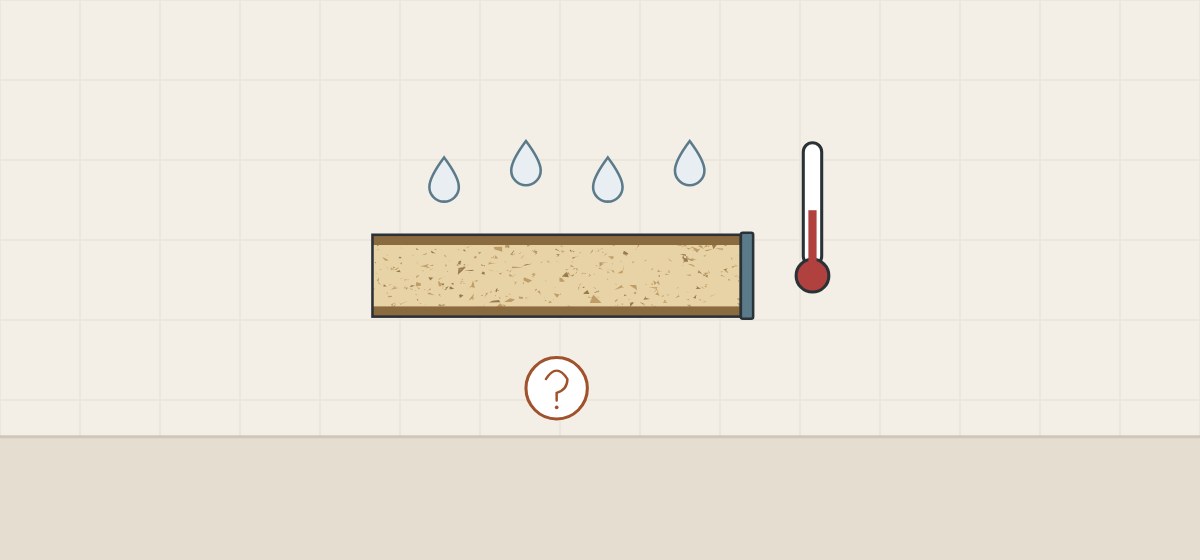
None of the sources used here ties a moisture statement to the absence of paint. Two maker statements about named boards:
Core grade
EGGER describes Eurodekor Faced Chipboard E1 P3 as the standard board for vertical and horizontal applications in humid conditions. EGGER says the core has moisture-resistant gluing to reduce swelling, and lists bathroom furniture as a use.
Heat
EGGER’s data sheet gives 50 °C as the maximum for long and continuous heat exposure of Eurodekor.
These are one maker’s statements about its own boards. They do not describe a quoted board.
What do US formaldehyde rules attach to?
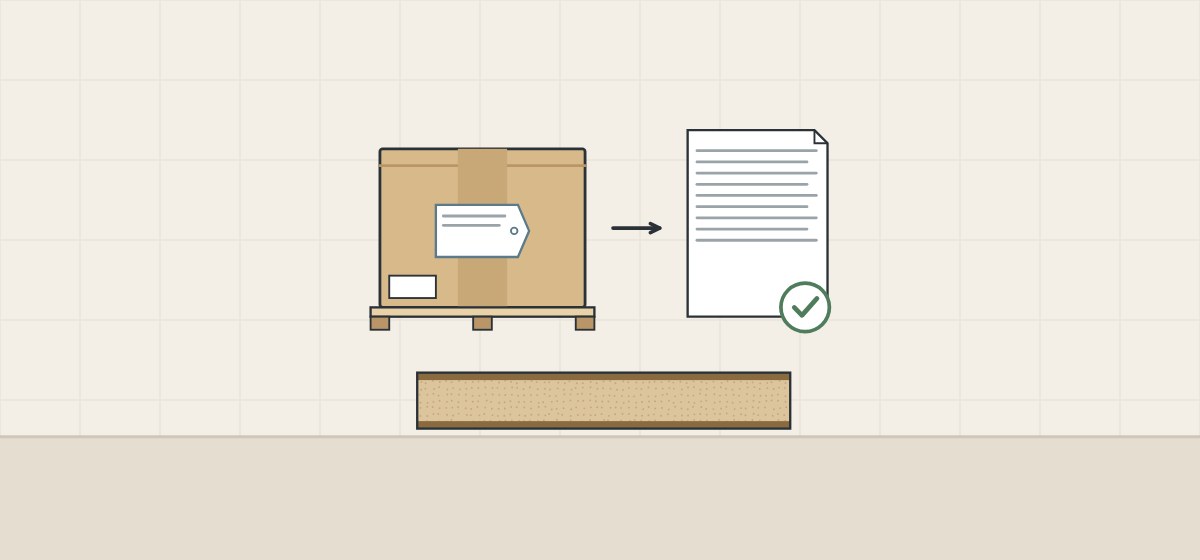
In the United States the EPA’s rule under TSCA Title VI sets emission standards for hardwood plywood, MDF and particleboard, and requires labels on finished goods. The emission standards are set for the wood panel. Among facings, the passages read name only wood or woody grass veneer, under “laminated product”. The rows are the EPA’s statements; confirm how they apply to an order with the authority.
| Item | What the EPA says |
|---|---|
| Emission standards | 0.05 ppm for hardwood plywood, 0.11 ppm for MDF, 0.13 ppm for thin MDF, 0.09 ppm for particleboard. |
| Panel label | Producer’s name, lot number, third-party certifier number and a TSCA Title VI compliance statement. |
| Finished-good label | Fabricator’s name, production date as month and year, and a TSCA Title VI compliance statement, on the good or on every box or bundle. |
| Laminated product | A wood or woody grass veneer affixed to a particleboard, MDF or veneer core or platform. |
How should a buyer unpack a paint-free quote?
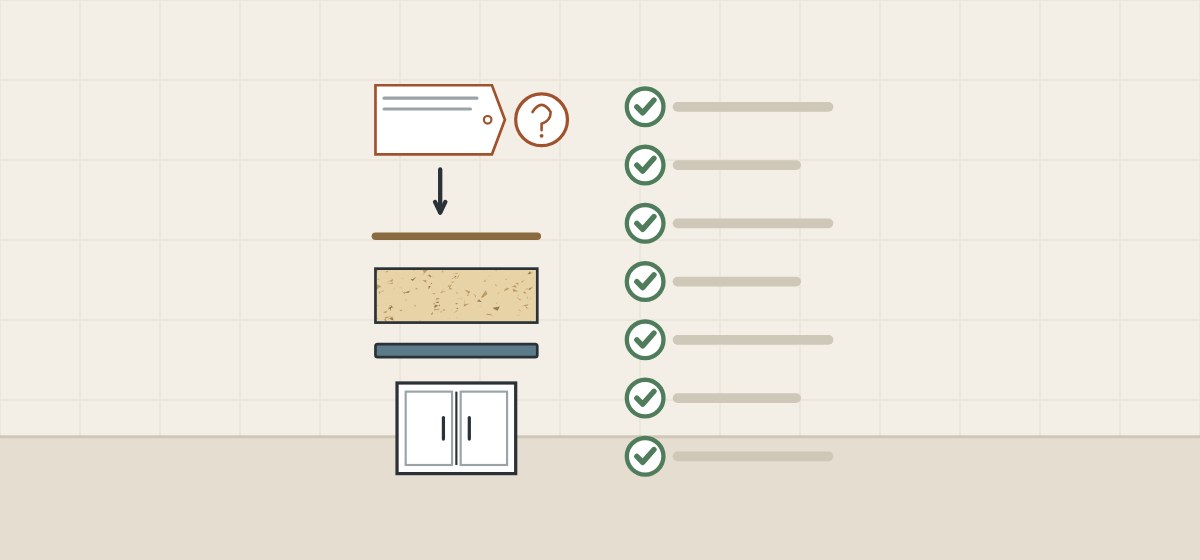
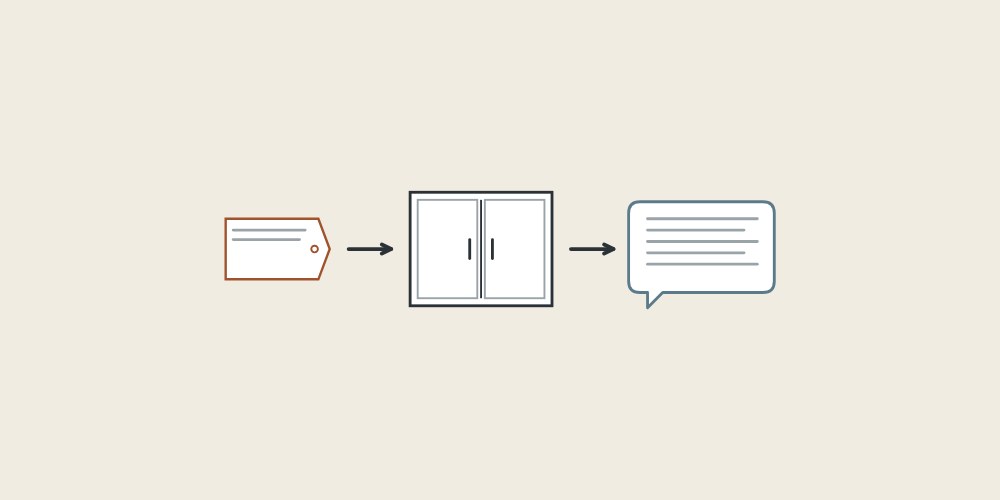
Turn the label into separate fields and leave a field open until it is answered. These steps are procurement guidance, not a test method.
- Keep the original wording. Beside the agreed English.
- Name the facing. Fused paper, HPL, foil or film, with its product reference.
- Name the core. Particleboard, MDF or plywood, with its grade.
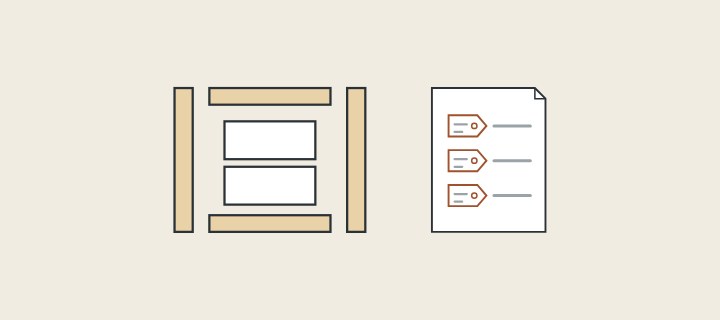
- Map it to parts. Front, sides, back, bottom and drawers.
- Record edges and openings. Edgeband material, bonding and what covers cut-outs.
- Tie each sample to a part. Appearance sample, construction sample or production reference.
- Keep ratings separate. Moisture, emission and care statements need their own documents.
When the reply repeats the label
A reply such as “same as the photo”, or a color name, leaves the fields open. Write “facing and core pending confirmation” rather than a guessed board name. Compare two offers only when both suppliers have filled in the same fields.
What should you send and ask before a quotation?
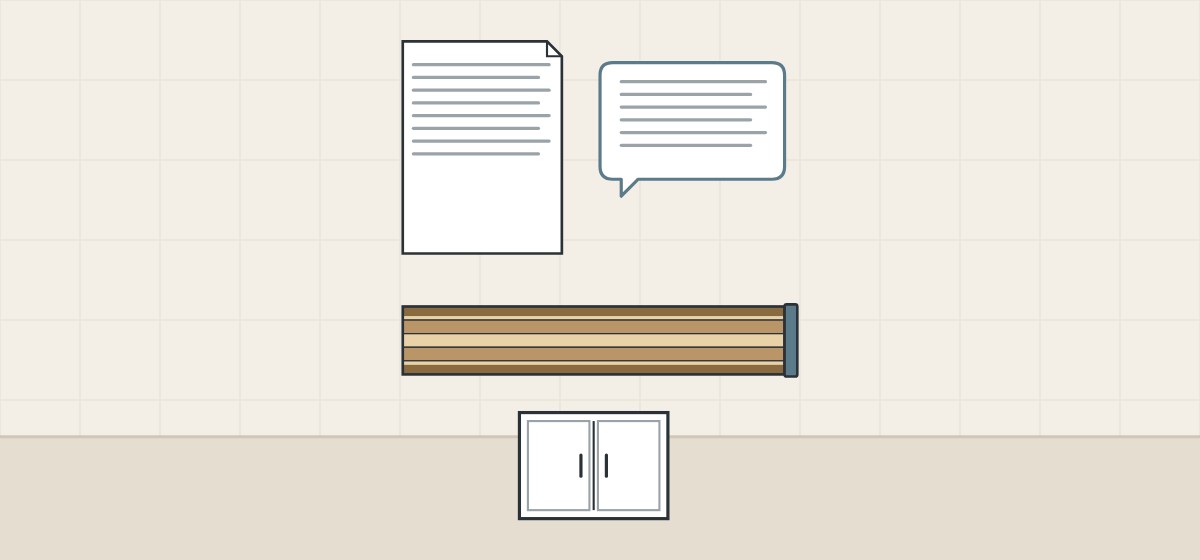
A complete request asks about the board, not the label.
| Question | Why it matters |
|---|---|
| What is the facing, and whose product is it? | CPA lists several facings that are not paint. |
| What is the core, and to which grade? | One facing is sold on different cores. |
| Which cabinet parts use this board? | Front, sides and back may differ. |
| How are edges and cut-outs covered? | EGGER sells edge banding as a separate product. |
| Which document supports any moisture statement? | EGGER ties humid-room use to a named core. |
| Which emission label will the goods carry? | The EPA emission standards are set for the wood panel. |
This guide’s list for your request
- The quote wording, in the original and in English
- A drawing with each cabinet part named
- The room conditions and the destination market
- The sample or decor reference
- Quantity
WNS Global confirms any product and terms it offers separately in writing. This guide does not state that WNS Global products have the features, ratings or listings named above.