From ply count to panel specification
What does ply count actually describe?
Ply count describes how many plies are bonded into the panel. The Wood Handbook calls plywood a flat panel built up wholly or primarily of sheets of veneer called plies.
A ply is not a layer. The Wood Handbook says a layer can be one ply or two or more plies laminated with parallel grain, and that a panel has an odd or even number of plies but always an odd number of layers.
APA’s plywood page is mainly about structural panels and says APA-trademarked panels carry ratings for span, exposure durability and code compliance. HP-1-2024 covers plywood made primarily with hardwood faces.
| Term | What the source says |
|---|---|
| Ply | PS 1-22 (structural plywood): a single veneer lamina in a bonded plywood panel. HP-1-2024: a single veneer, particleboard, MDF, hardboard or lumber. |
| Layer | Wood Handbook: one ply, or two or more plies with parallel grain. |
| Veneer core | Columbia Forest Products: made with alternating veneer inner plies. |
| Crossband | Columbia: in Classic Core, the thin MDF plies next to the face and back. |
How should a quoted ply count be read?
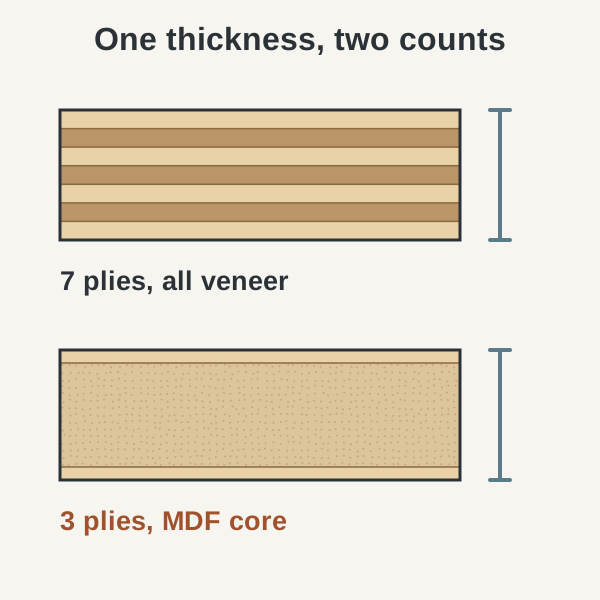
Read a quoted count as one line of a longer description. The six steps are this guide’s own reading order.
- Note the panel thickness the count belongs to.
- Ask whether the number counts plies or layers.
- Ask whether the face and back are included.
- Ask what each ply is: veneer, MDF, particleboard or lumber.
- Ask the species of the veneer plies.
- Record the count beside the core type, not in place of it.
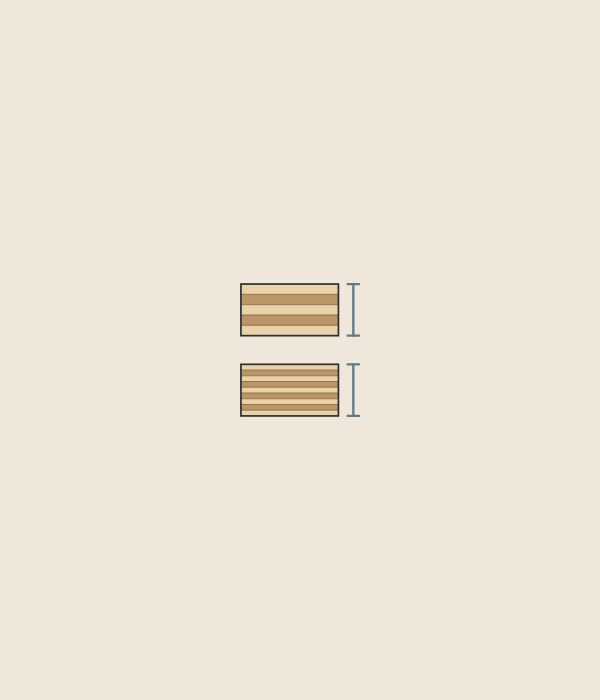
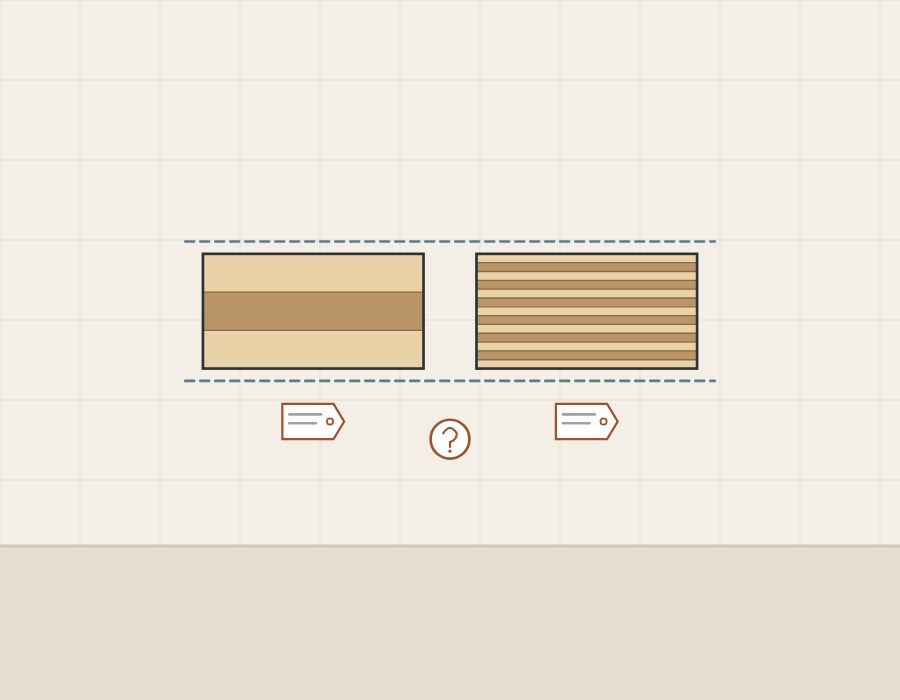
One thickness carries several counts. In its hardwood plywood brochure, Timber Products lists 7 plies for a 3/4 in panel with a veneer core, 7 or 9 for its Pro-Core and 3 for its particleboard and MDF cores.
What ply counts do makers and standards publish?
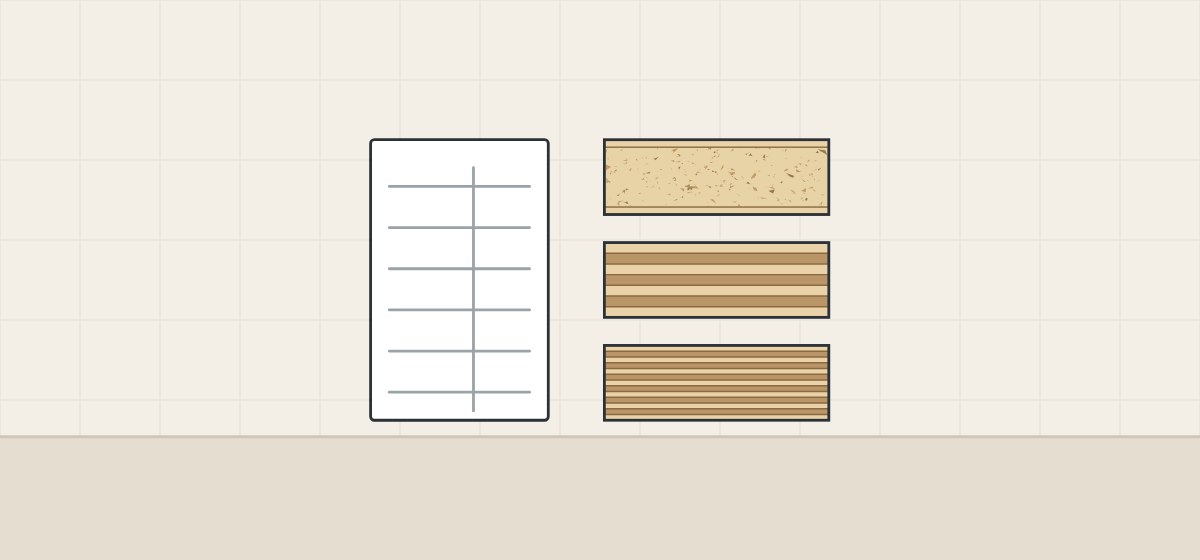
Published counts differ by maker, product and thickness. Each row belongs to its owner only.
| Product or document | Thickness | Count published |
|---|---|---|
| Timber Products veneer cores | 3/4 in | 7 plies |
| Timber Products Pro-Core | 3/4 in | 7 or 9 plies |
| Timber Products particleboard and MDF cores | 3/4 in | 3 plies |
| Koskisen birch plywood | 18 mm | 13 plies |
| Koskisen combi plywood | 18 mm | 13 plies |
| PS 1-22, structural plywood | By grade and category | Minimum plies and layers, listed separately |
Koskisen’s birch and combi panels share 13 plies at 18 mm, yet the handbook lists 12.2 and 11.2 kg/m²; in the combi panel the alternate inner veneers are conifer and birch.
What are the plies made of?
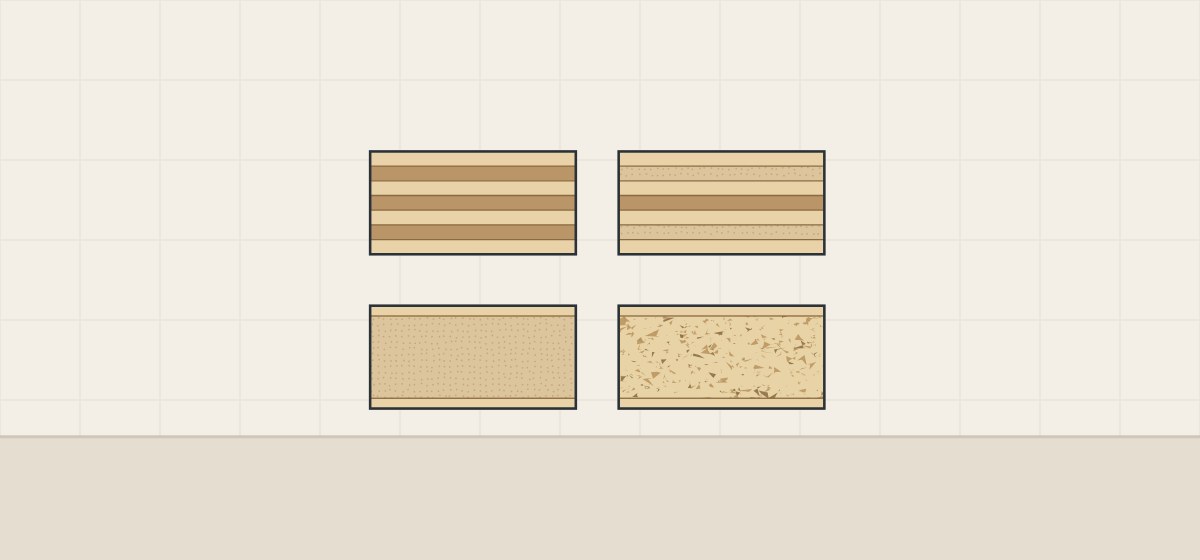
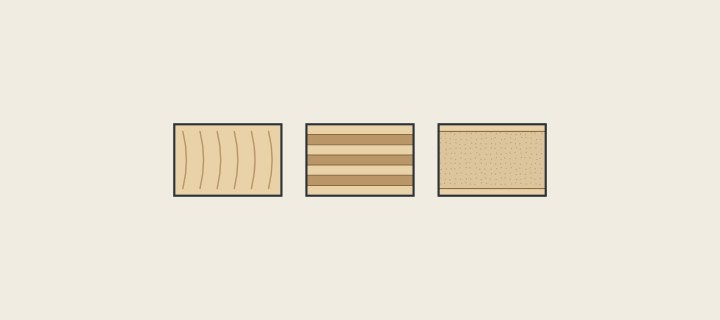
The plies may be veneer, a composite board or a mix. The Decorative Hardwoods Association says MDF, particleboard, combi-core and lumber can also be used as cores. Named makers describe core types this way:
| Core | Named source | What it says |
|---|---|---|
| Veneer core | Columbia core guide | Alternating veneer inner plies; better spanning than particleboard or MDF. |
| Combination core | Columbia FAQ, Classic Core | Veneer inner plies, with thin MDF crossbands next to the face and back. |
| MDF core | Columbia FAQ | Smooth surface; denser and heavier than veneer core. |
| Particleboard core | Columbia core guide | One of the heaviest options; least spanning strength. |
| High ply-count birch | Columbia core guide | A European style veneer core blank, used where the panel edge is revealed. |
| ApplePly | States Industries | A veneer core panel of 1/16 in birch, made by two-step lamination. |
HP-1-2024 lists eight core types, including veneer, lumber, particleboard, MDF and combination cores.
Which fields does ply count leave out?
Ply count leaves out the grades, the bond type and any label. The four notes carry their sources; the list after them is this guide’s own.
Face and back grade
HP-1-2024 names face grades AA, A, B, C, D and E, plus rustic and specialty grades, and back grades 1 to 4.
Inner ply grade
HP-1-2024 grades inner plies J, K, L and M. The grades differ in the knotholes and gaps they allow.
Bond type
HP-1-2024 names three bond line types: Technical, Type I and Type II. PS 1-22 uses Exposure 1 and Exterior for structural plywood. Each term describes a bond line, not a cabinet.
Emission label
In the United States, the EPA says its formaldehyde rule covers hardwood plywood, MDF, particleboard and finished goods containing them, and requires a TSCA Title VI label. Confirm with the authority in the destination market.
- Face grade and back grade
- Inner ply grade, where one is stated
- Bond type and the standard it comes from
- Emission label, where a rule applies
What can an edge sample show, and what can it not?
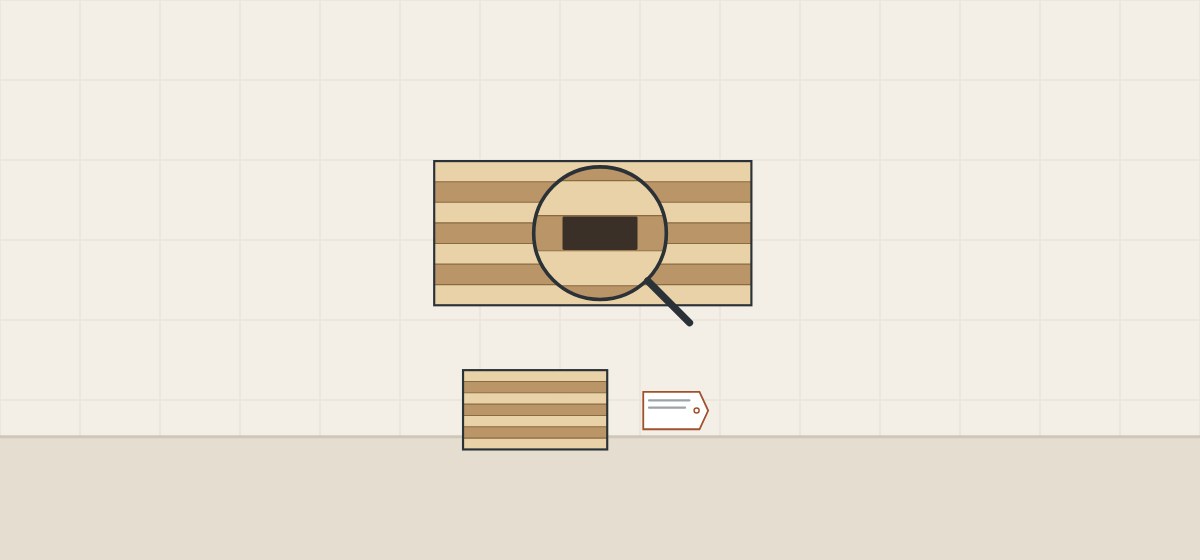
An edge sample shows the plies and any gaps at one cut. Two notes come from sources; the last two are this guide’s own.
Gaps and knotholes
Columbia’s Classic Core page refers to open knot holes or open joints in veneer core crossband constructions that the HP-1 standard allows. HP-1-2024 sets those limits by inner ply grade. PS 1-22 sets maximum widths for crossband and center gaps in structural plywood. This guide’s reading: a gap at an edge is not, by itself, proof of a nonconforming panel.
Ordering against voids
The Wood Handbook says that where internal knotholes and voids may pose a problem, plywood can be ordered with a solid core and face veneers.
One cut, one sheet
One offcut does not show every sheet in an order. Record its panel and batch.
Like with like
Compare edges prepared the same way.
This guide gives no allowable void size. If a gap matters, ask which inner ply grade or product requirement applies.
Does a higher ply count change weight, knots or thickness consistency?
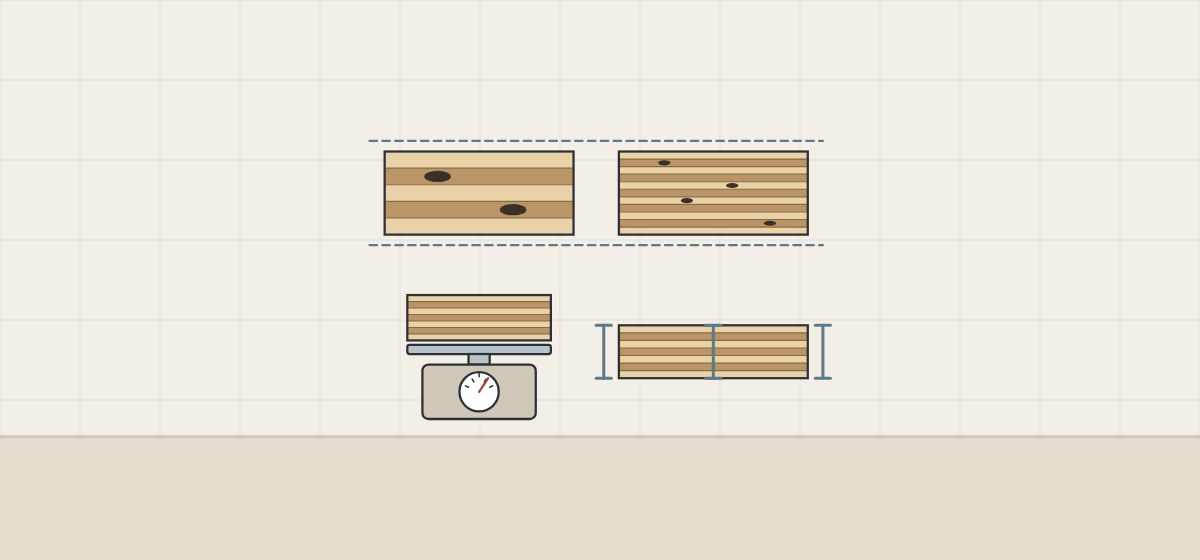
Most sources used here tie those properties to core type and construction. One maker, States Industries, says that generally the higher the number of plies, the better the core. The same page says that more plies in a panel of the same thickness reduce the volume of open knots in each veneer layer. No source used here gives a test of panels that differ only in ply count.
| Property | What the named source says |
|---|---|
| Properties in general | Wood Handbook: they depend on veneer quality, layer order, adhesive and bonding control. |
| Open knots | States Industries: generally, more plies in a panel of the same thickness means fewer open knots in each veneer layer, because the veneers are thinner. |
| Screw holding | Columbia FAQ: veneer core offers higher screw-holding than MDF and particleboard cores. |
| Weight | Koskisen: 13-ply birch and 13-ply combi at 18 mm are listed at 12.2 and 11.2 kg/m². |
| Thickness consistency | Columbia core guide: veneer core varies more than particleboard or MDF. |
How should a buyer compare two plywood offers?
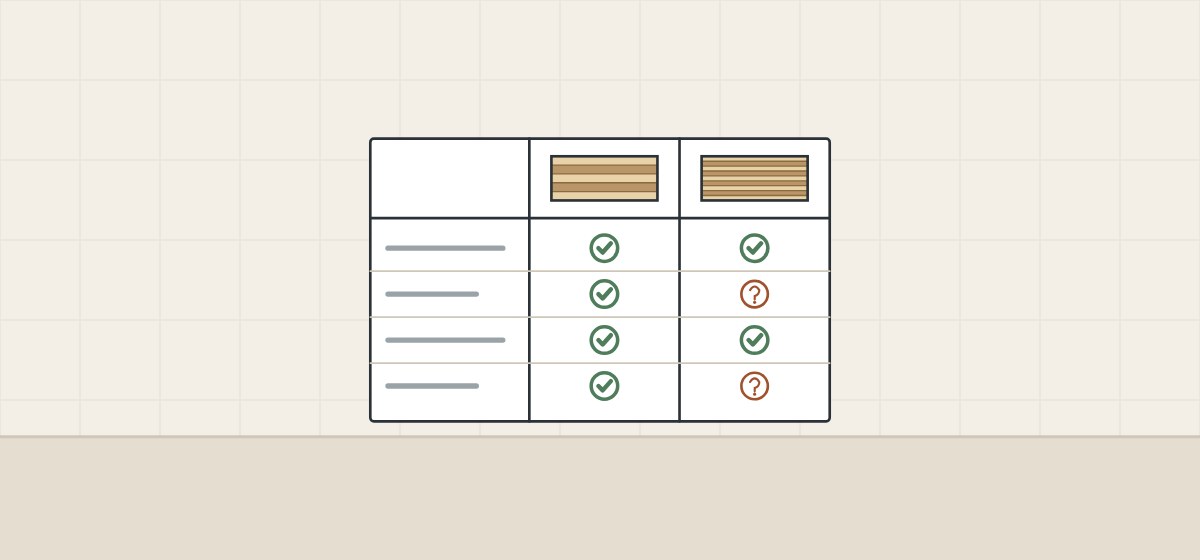
Compare the same cabinet part at the same thickness, field by field. These seven steps are this guide’s procurement guidance.
- Fix the part. Door, side, shelf or drawer part, with its finish.
- Fix the thickness. With the tolerance that applies.
- Name the core. By the maker’s product name.
- Record the count. Plies or layers, with the veneer species.
- Record the grades. Face, back and inner ply.
- Record the bond type. With its standard and edition.
- Keep the sample traceable. Panel, batch and edge preparation.
When a quote says only “multi-layer plywood”
Ask which panel product and construction it means before treating two quotes as equal.
What should you send and ask before a quotation?
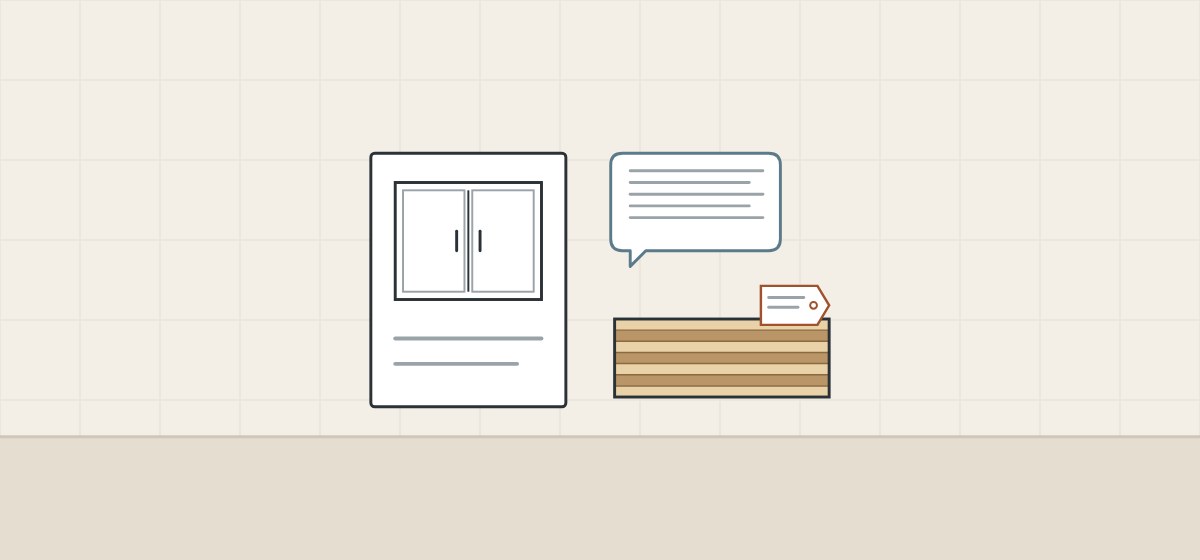
Send the part list and ask for the panel fields in writing. The questions and the list of items to include are this guide’s own.
| Question | Why it matters |
|---|---|
| Which panel product and core is offered for each part? | Under HP-1-2024 a ply may be veneer, particleboard, MDF, hardboard or lumber. |
| Is the count in plies or layers, and at what thickness? | One thickness carries several published counts. |
| What are the face, back and inner ply grades? | Grades are stated separately from the count. |
| Which bond type applies, under which standard? | Bond terms differ between standards. |
| Which panel and batch does the edge sample represent? | One cut shows one sheet. |
Include with your request
- Cabinet parts and their finish
- Required thickness for each part
- Destination market
- Quantity for each model
WNS Global confirms any product and terms it offers separately in writing. This guide does not state that WNS Global products have the features, ratings or listings named above.